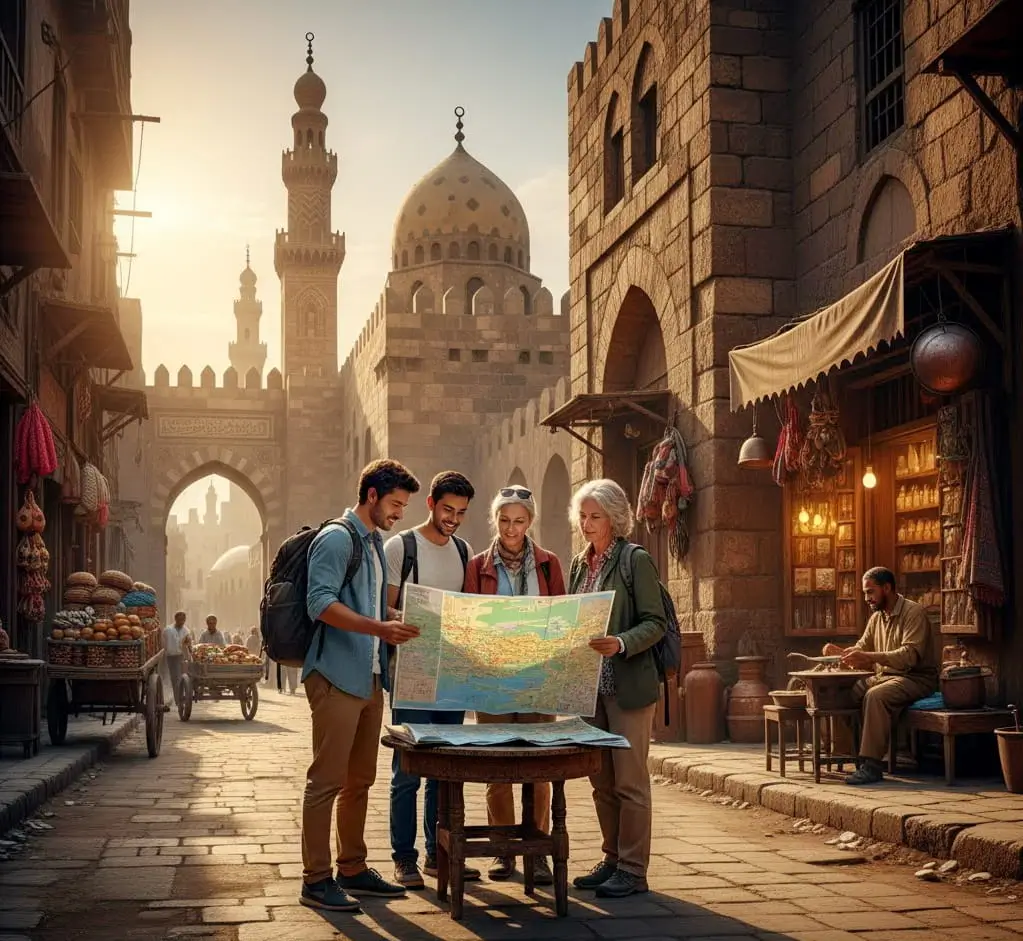
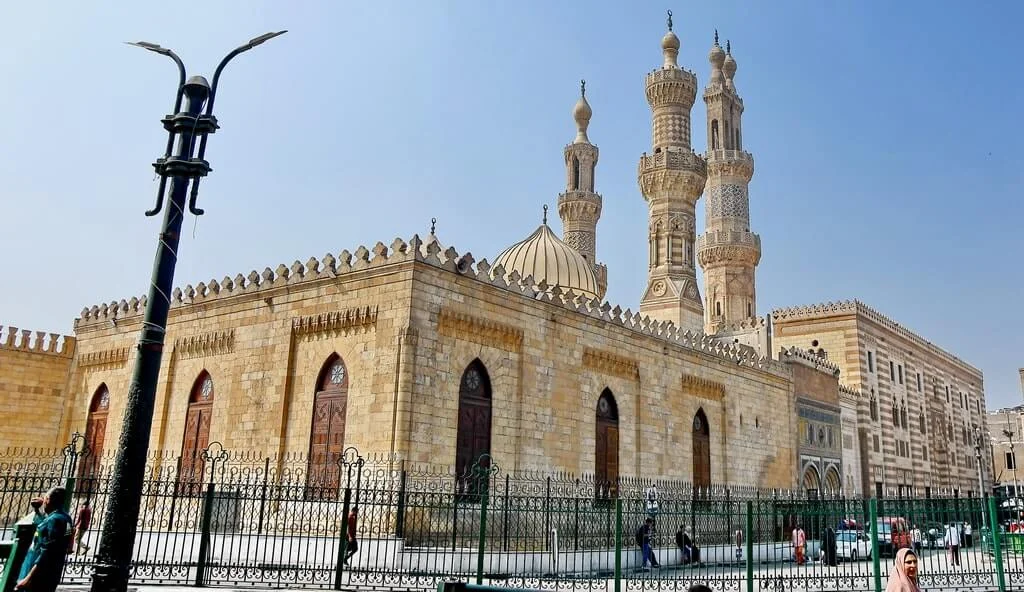
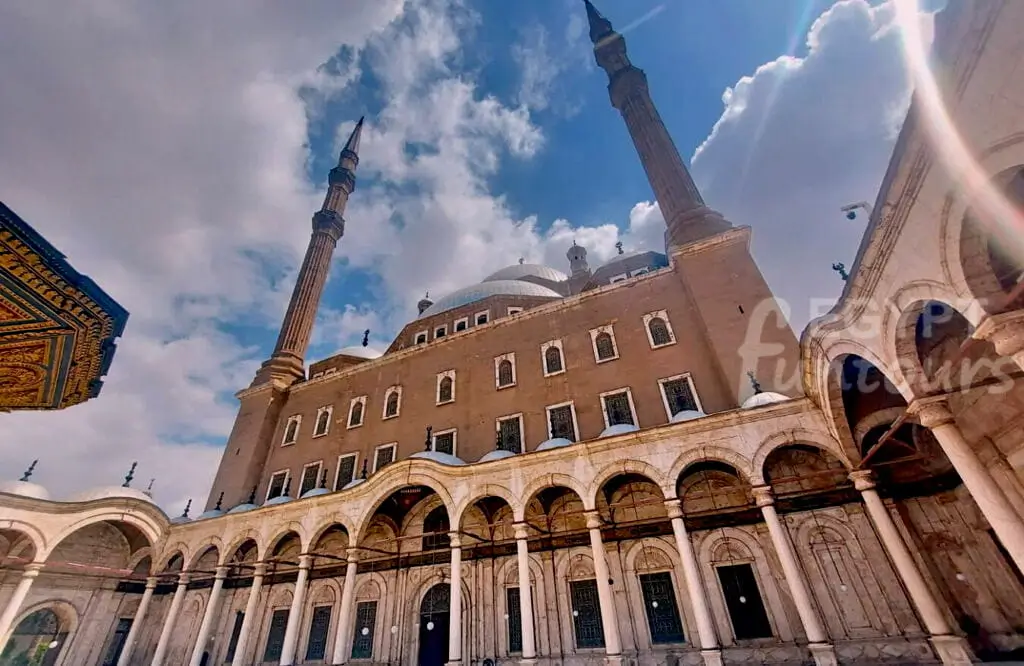
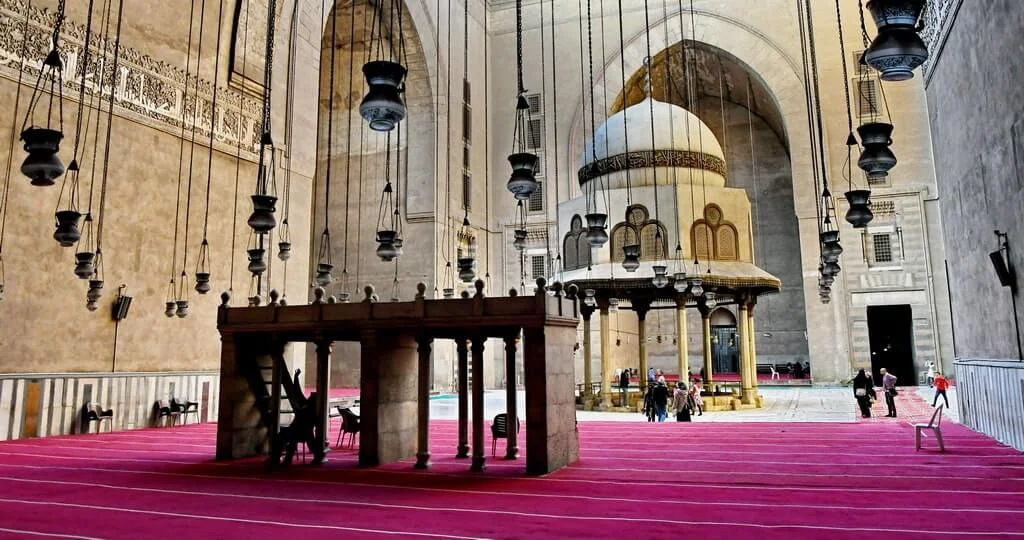
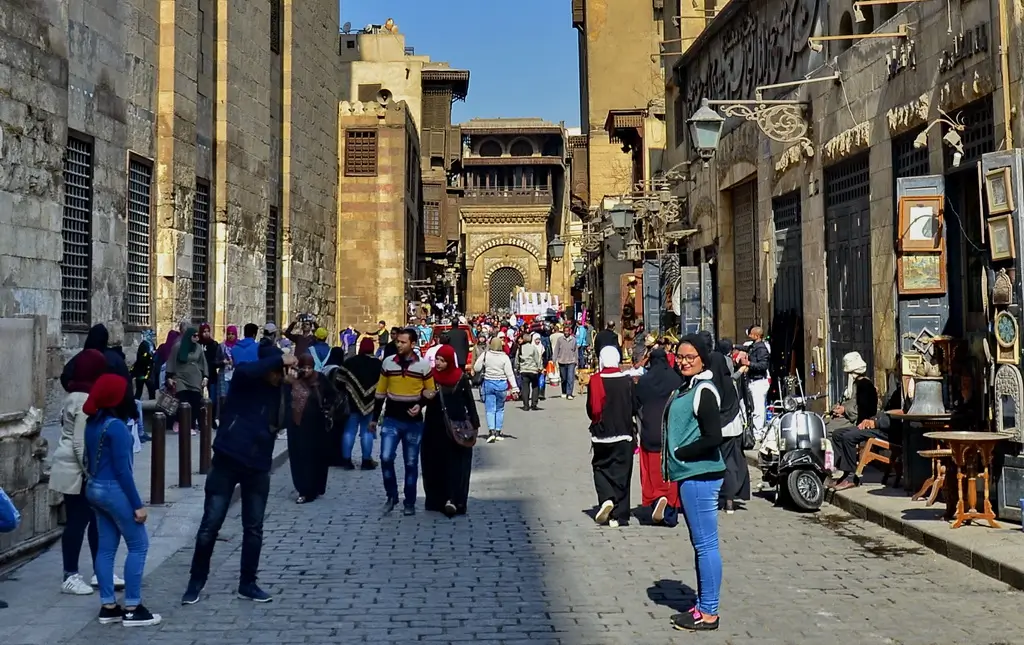
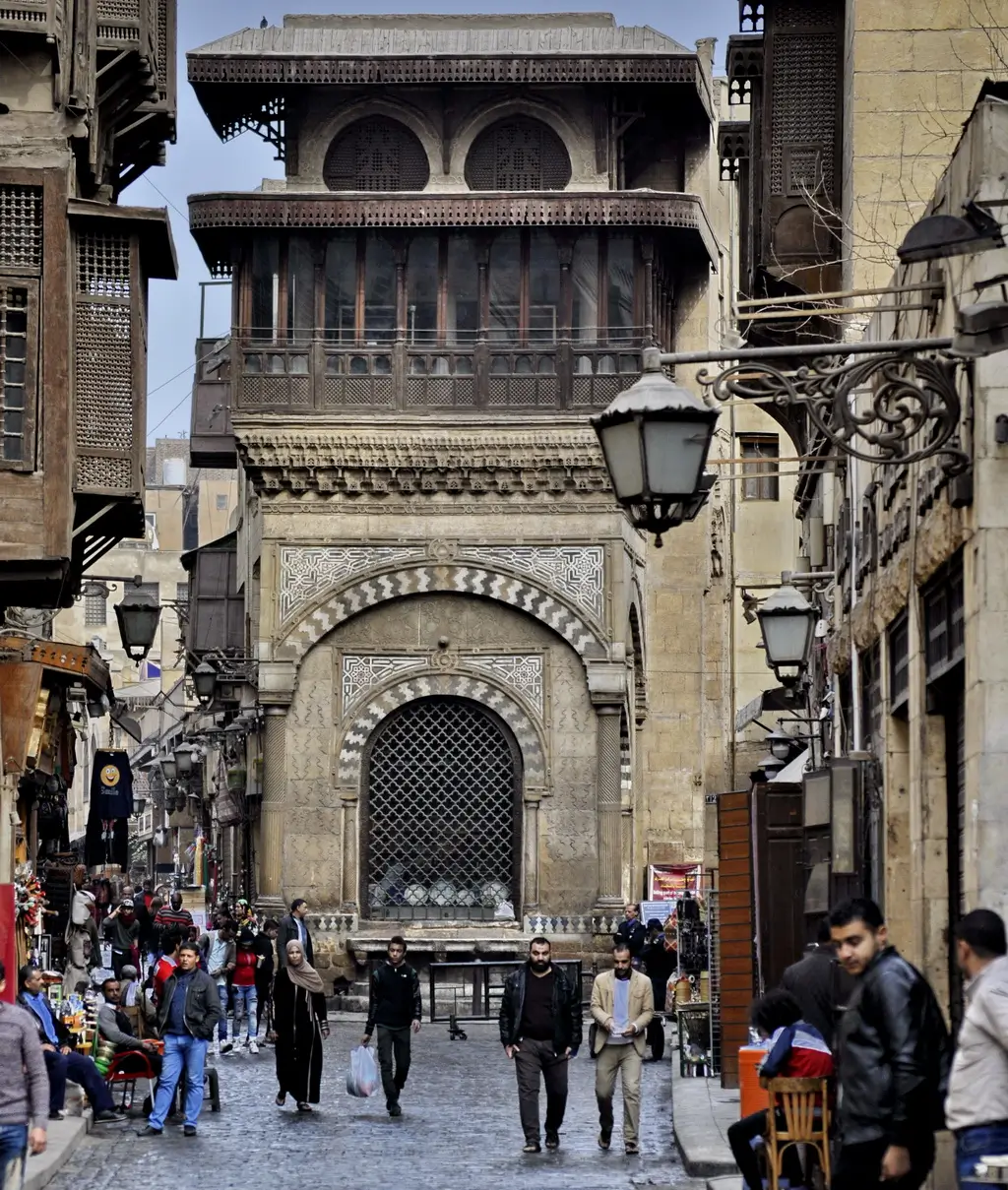
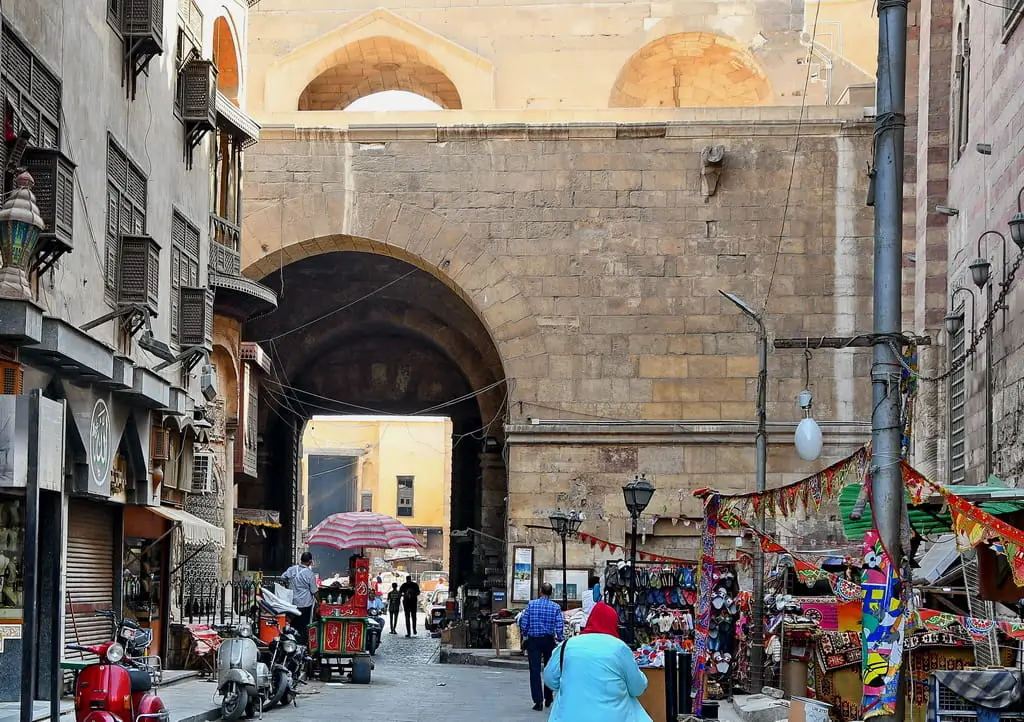
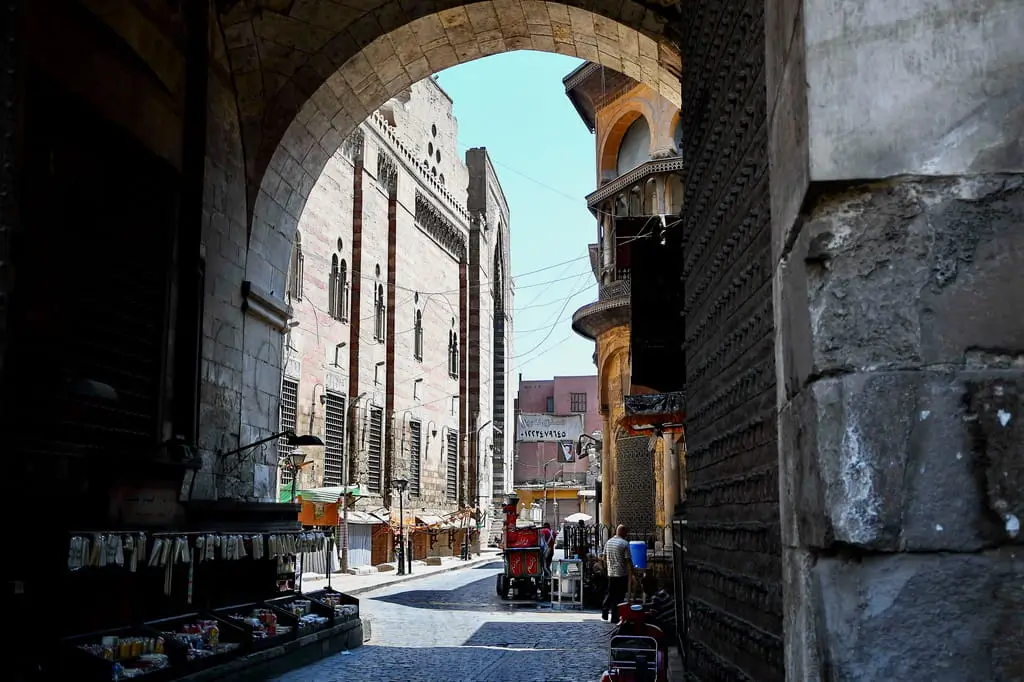
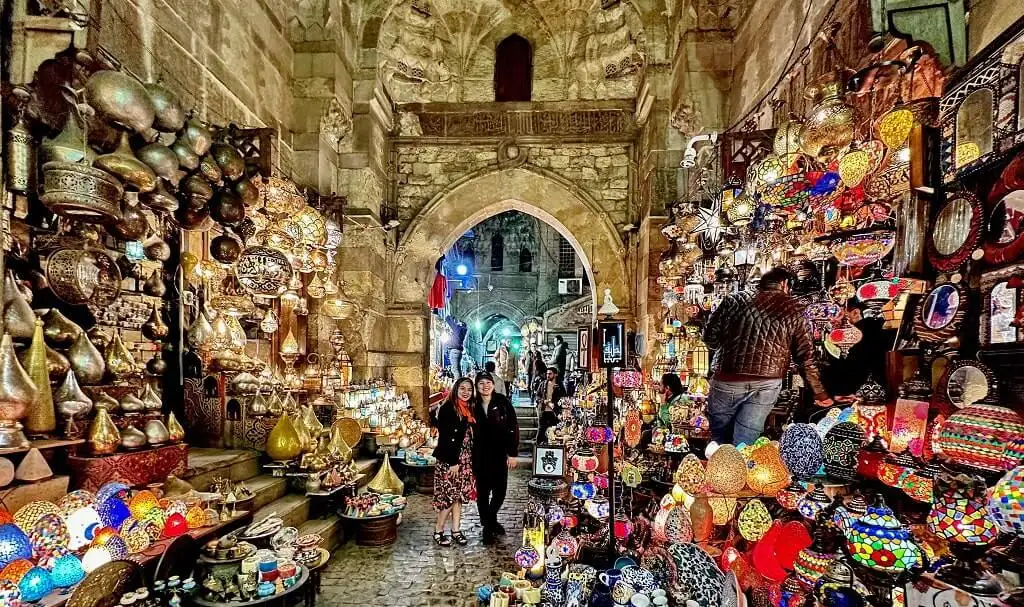
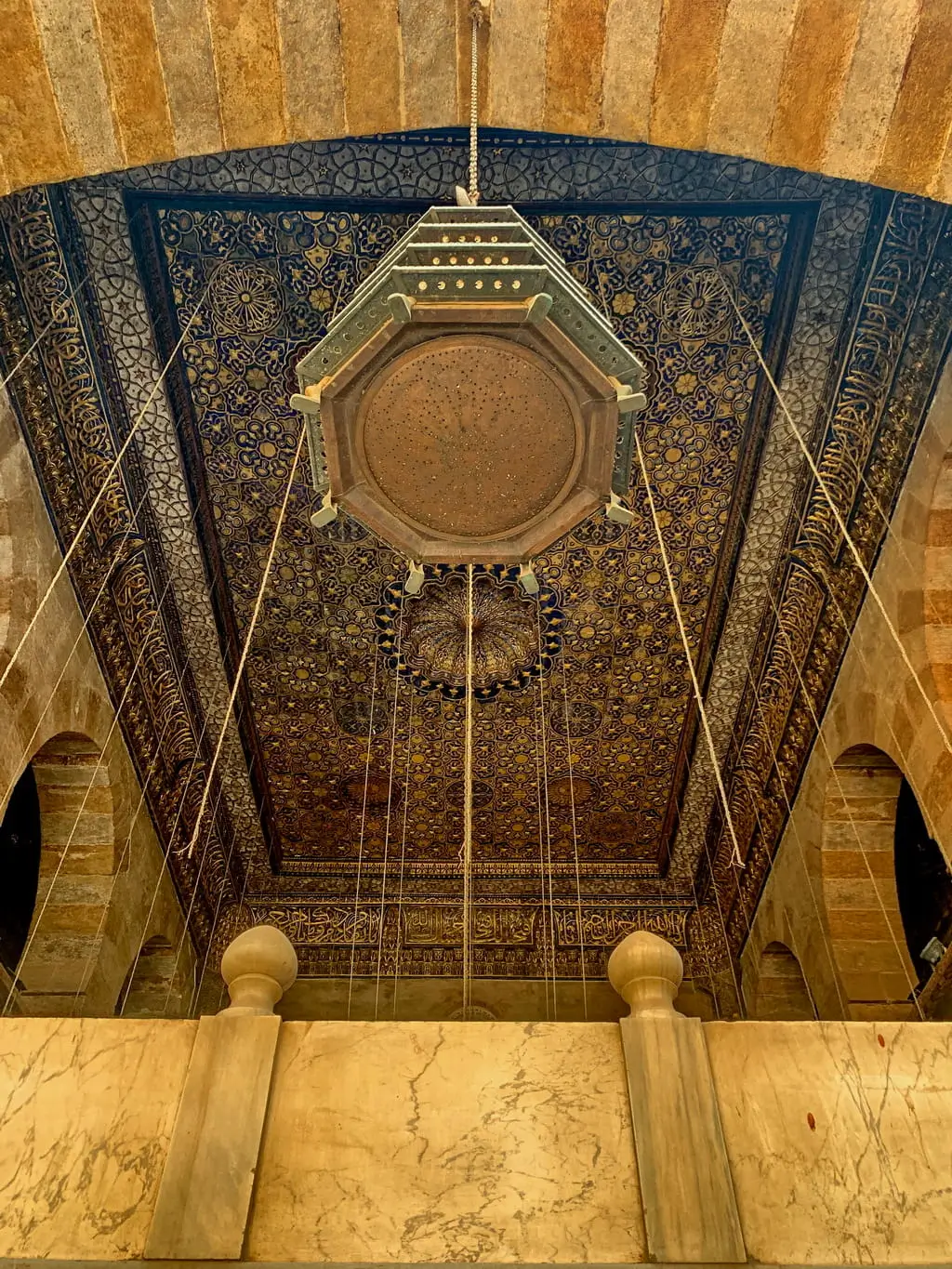
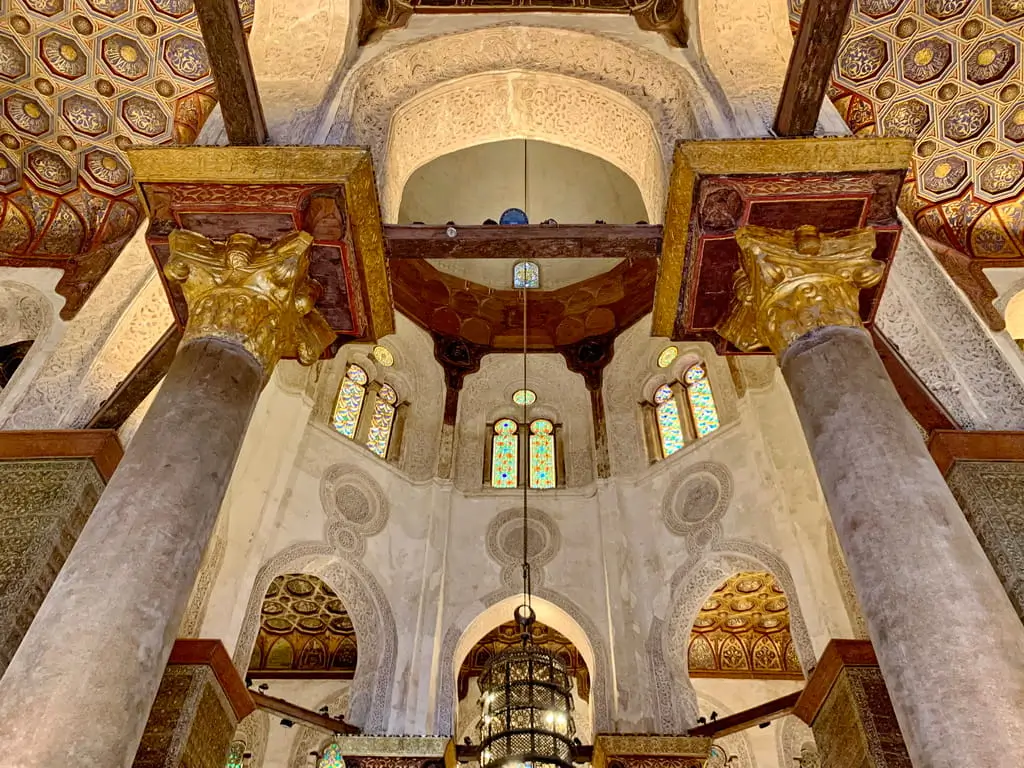
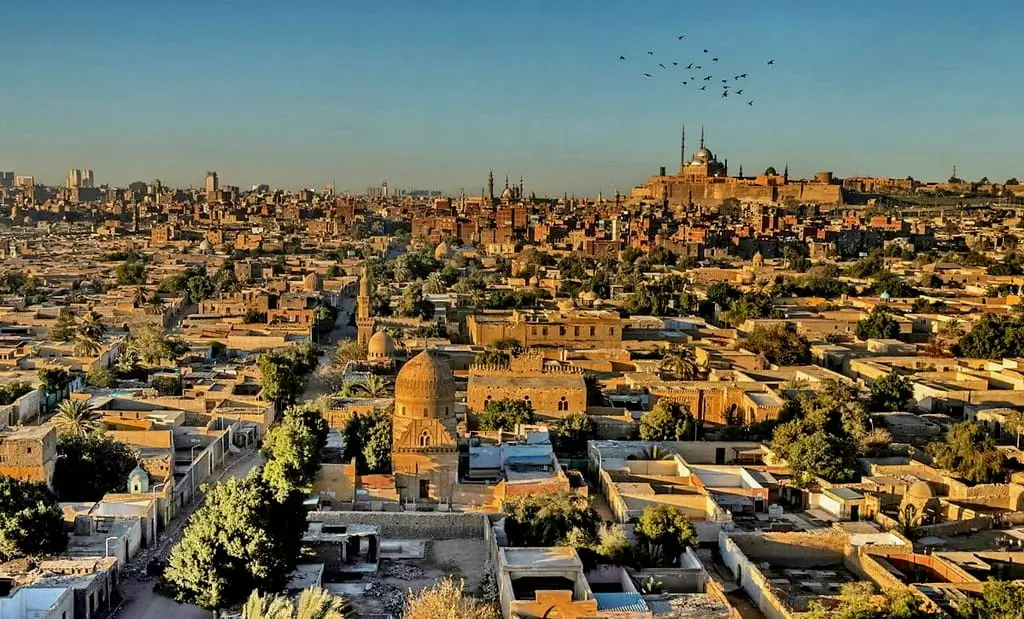
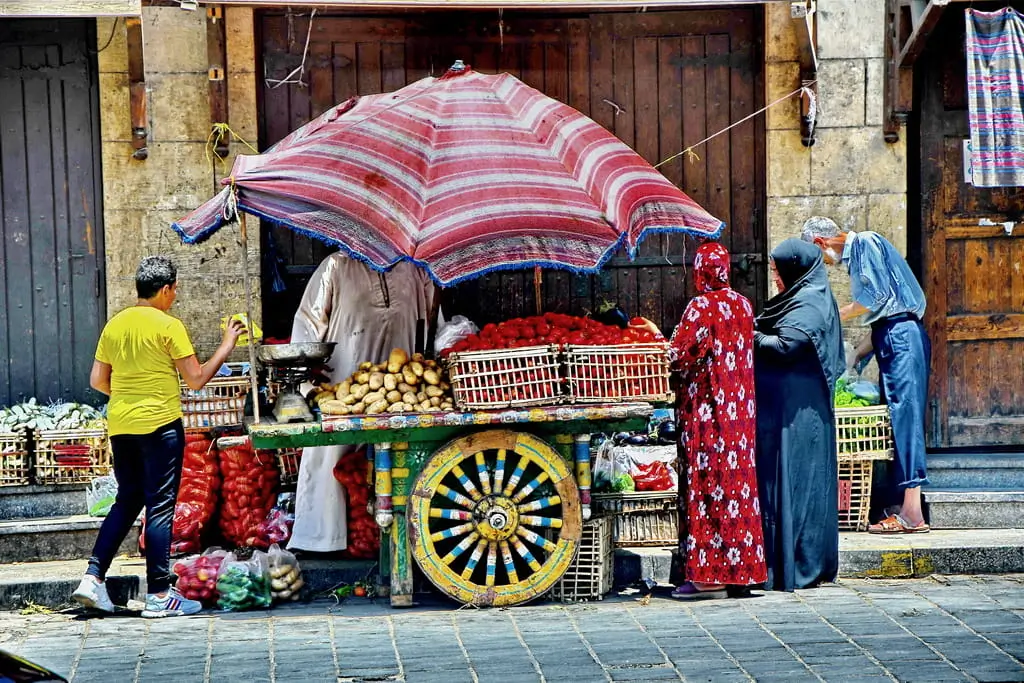
Islamic Medieval Cairo, also known as Historic Cairo, stands as a UNESCO World Heritage Site of unparalleled global significance. Since the 7th century, this urban heart has served as the architectural and cultural pulse of Egypt. Unlike many ancient cities that exist only as ruins, Historic Cairo remains a living, breathing metropolis. Today, 21st-century life flows through 10th-century gates, creating a unique “living museum” experience that challenges the traditional boundaries between history and modernity.
The city reached its “Golden Age” between the 9th and 15th centuries. During this Islamic Renaissance, Cairo became the focal point of the Islamic world, often surpassing Baghdad and Cordoba in influence. It attracted scholars, merchants, and architects from across the Mediterranean and Asia. These stunning mosques, madrasas, and fortifications reflect a history of governance and learning that shaped the modern Middle East.
A City of Unparalleled History: The Dynastic Layers
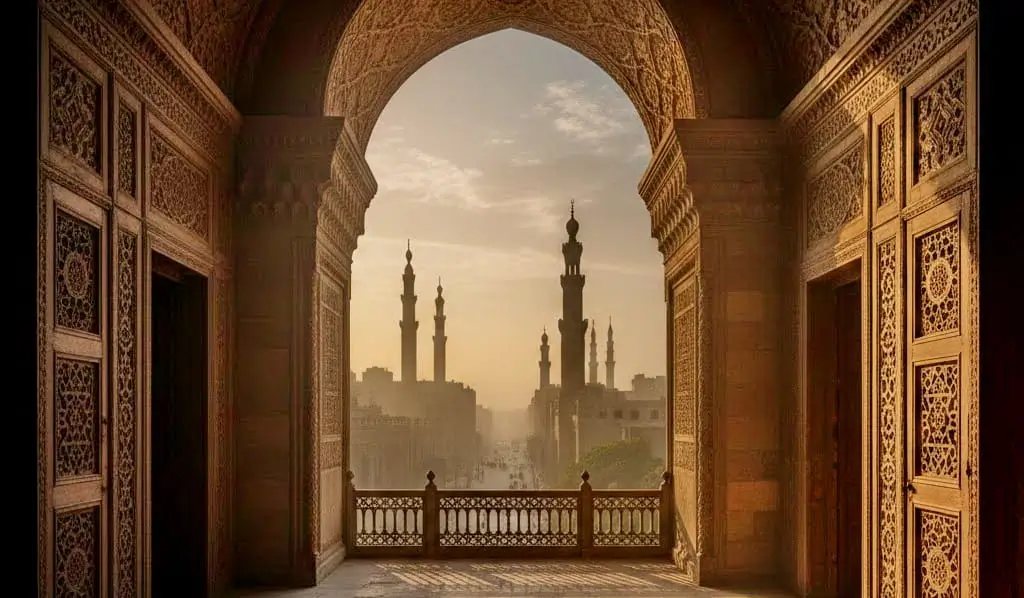
In 1951, the Survey of Egypt indexed 651 historic buildings within this district. This staggering number included mosques, madrasas (schools), mausoleums, khanqahs (Sufi retreats), wikalas (merchant inns), and private residences. While time and urban expansion have taken their toll, experts estimate that 450 medieval structures still stand today. This concentration of pre-modern architecture remains unmatched by any other city in the world.
To understand the city, one must view it as a chronological “palimpsest”—a canvas where each dynasty wrote over the last without erasing it.
The Tulunid Period (868–905 AD)
Ahmad ibn Tulun, sent from Samarra in modern-day Iraq, brought a new aesthetic to Egypt. He moved away from the traditional Roman and Byzantine “spolia” (reused columns) and utilized brick and stucco. This era introduced the pointed arch to Cairo, a feature that eventually migrated to Europe and influenced Gothic architecture.
The Fatimid Era (969–1171 AD)
The Fatimids founded “Al-Qahira” (The Victorious) as a royal enclosure for the Caliph. They introduced the walled city model, utilizing massive stone fortifications and monumental gates. Their architecture prioritized ceremonial grandeur, characterized by keel-arched niches and the birth of the Mashhad (shrine) culture.
The Ayyubid Period (1171–1250 AD)
When Saladin took power, he shifted the city’s focus to defense. He built the Citadel and a grand wall meant to encompass all previous capitals (Fustat, Al-Askar, Al-Qata’i, and Al-Qahira). This period transitioned Cairo from a royal Fatimid palace-city into a fortified Sunni metropolis.
The Mamluk Era (1250–1517 AD)
The “Slave Kings” (Mamluks) represented the most prolific builders in Cairo’s history. They mastered Ablaq masonry (alternating layers of red and white stone) and perfected the complex dome. Mamluk sultans funded these grand complexes through the Waqf system (charitable endowments), ensuring their legacy survived through hospitals, schools, and water fountains.