
Dating the years of Ancient Egypt is a monumental task. The names, dates, and sequences of pharaohs present a chaotic, complex puzzle. The kingship transitioned through multiple dynasties, periods of collapse, and foreign rule. Consequently, modern Egyptology relies upon a handful of crucial documents known collectively as the King Lists. These lists provide the essential backbone for our chronological understanding.
The King Lists are not just simple historical records. They are complex documents of ritual, political ideology, and historical revisionism. Each list offers a unique, yet incomplete, perspective on the royal succession. By meticulously analyzing them together, scholars build a comprehensive and nuanced picture of Egyptian history, resolving conflicts and filling chronological gaps. Furthermore, the intentional omissions in these lists often tell us more about the political climate than the inclusions do.
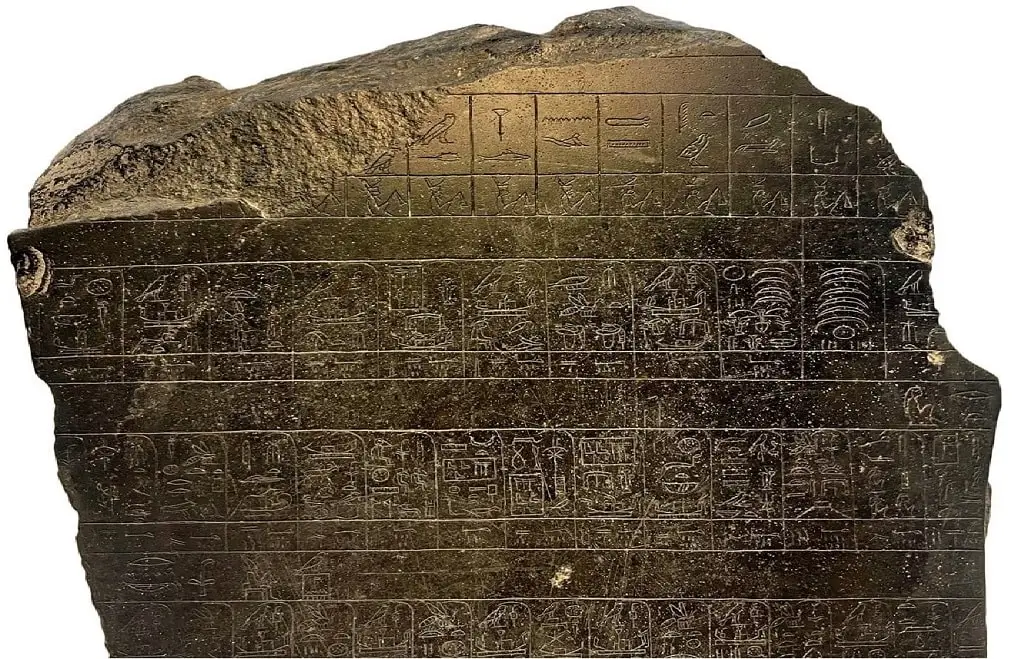
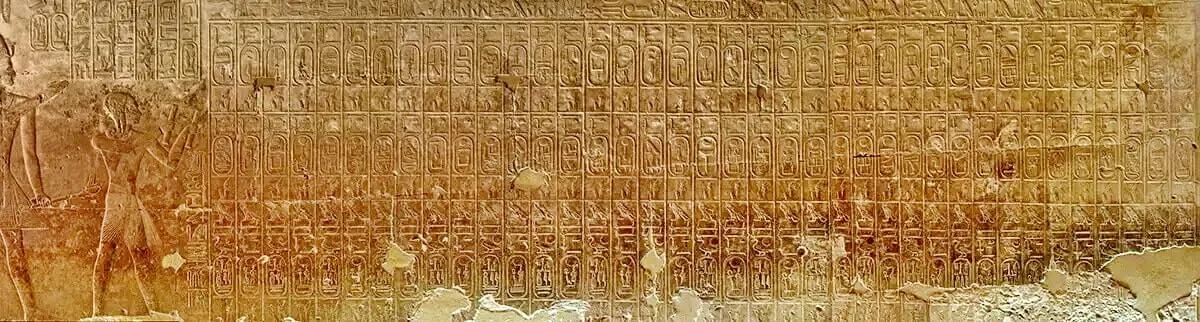
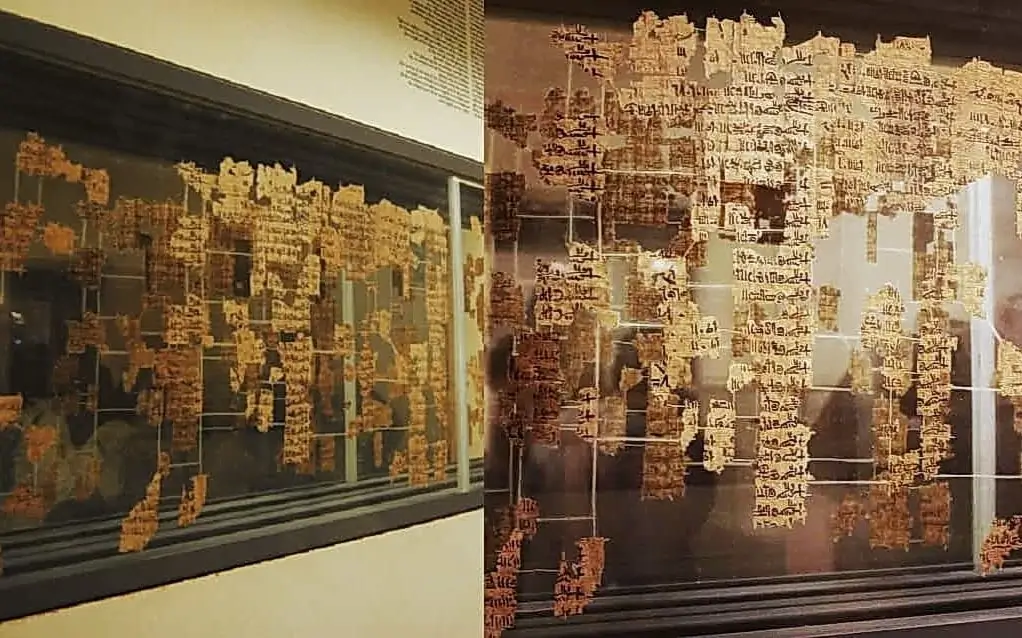
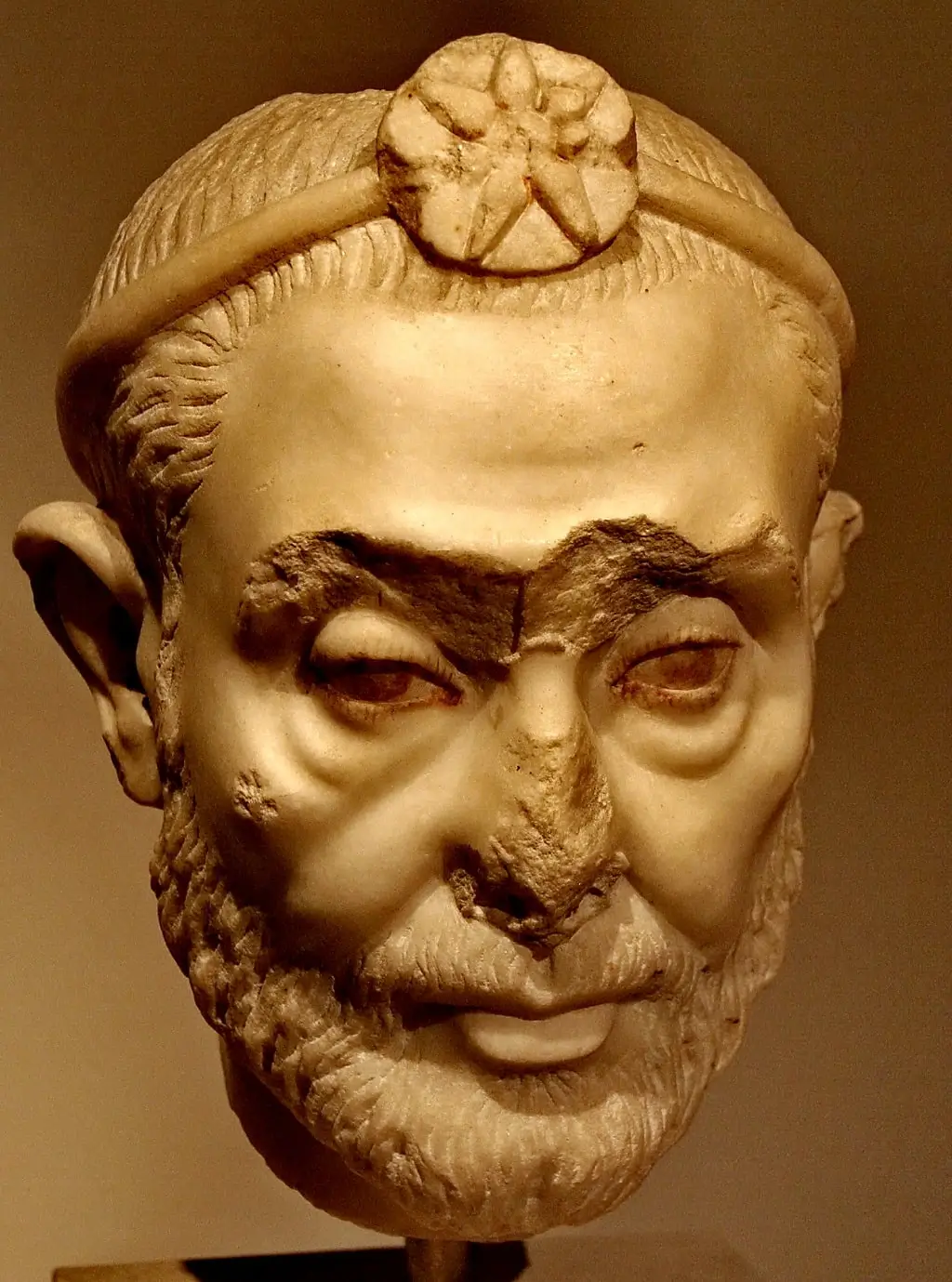
This pillar content will analyze the five foundational sources: the Palermo Stone, the Abydos King List, the Karnak King List, the Turin King List, and the historical account of Manetho. We will examine how each source functions, what information it contains, and why pharaohs used them to define their own legitimacy. We begin by examining the oldest surviving examples of these chronological records.