A Royal Paradox: The Mystery of the Two Tias
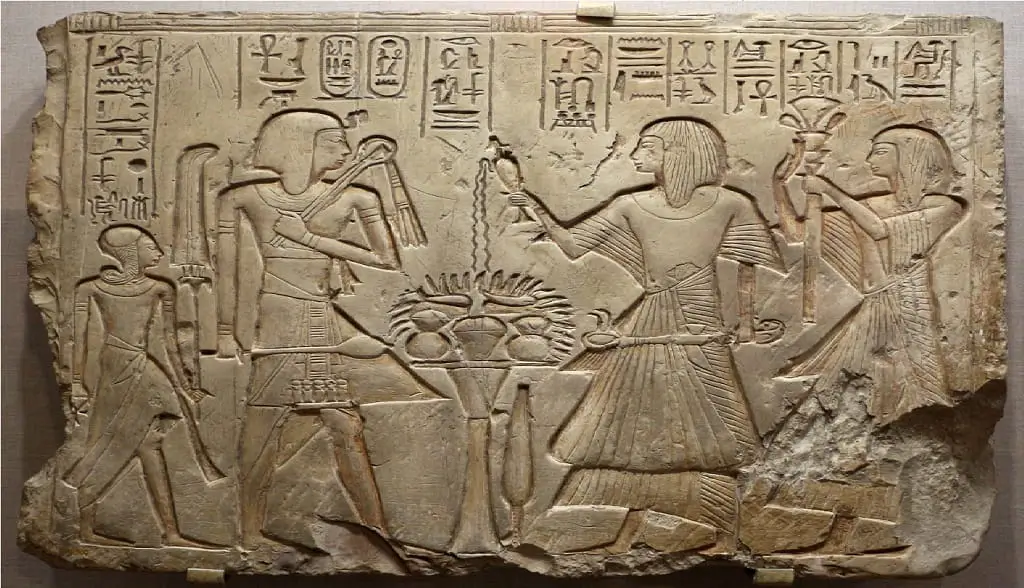
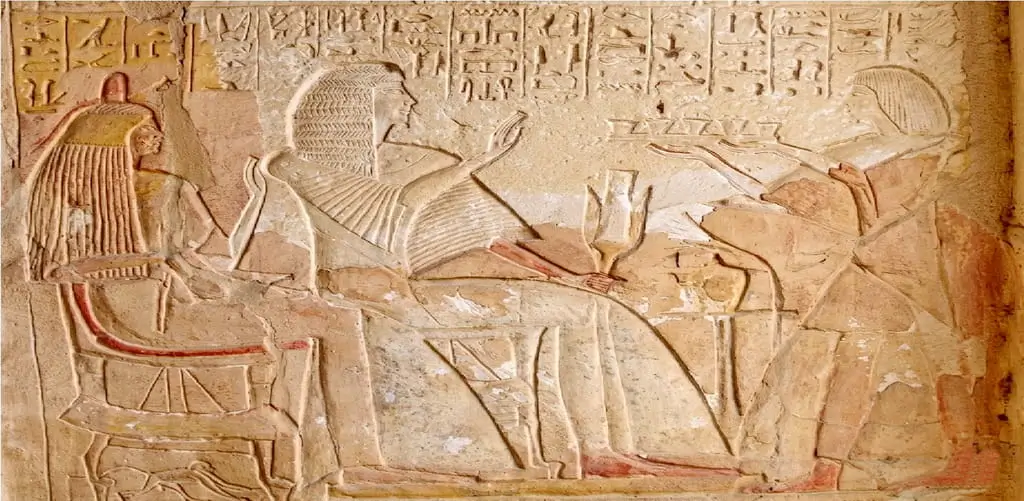
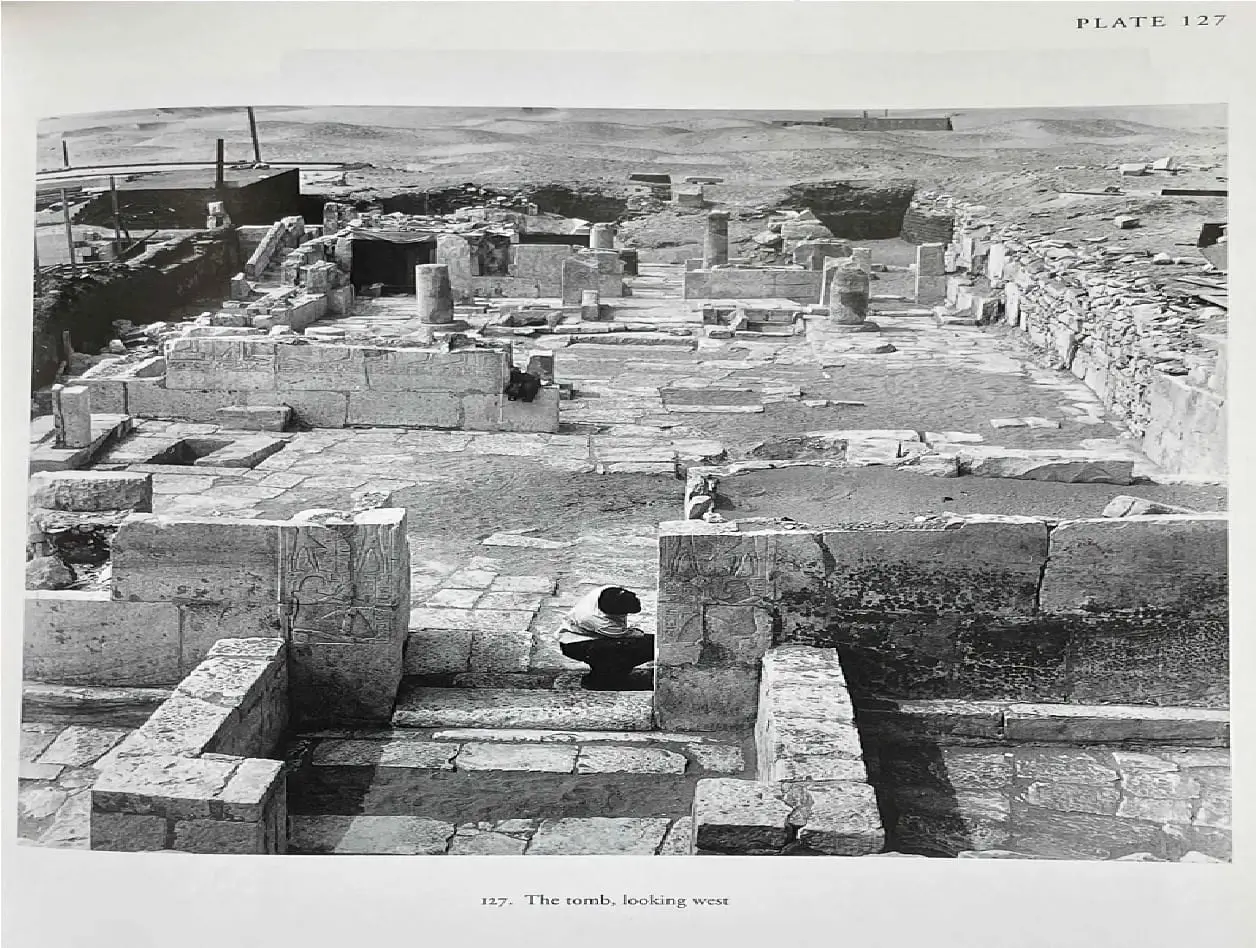
In the elite southern necropolis of Saqqara, one monument stands out for its unique historical curiosity: the Tomb of Tia and Tia. This 19th-century masterpiece belonged to a high-profile couple who not only shared a life and a burial place but also shared the same name.
Identity and Lineage
To understand this tomb, we must first distinguish between the two individuals. Tia (the wife) was a woman of immense political importance. She was the daughter of Pharaoh Seti I and the elder sister of Ramesses the Great (Ramesses II). Her marriage to a man also named Tia (the husband) created a powerful alliance between the royal family and the state bureaucracy. While Princess Tia brought the prestige of the 19th Dynasty bloodline, her husband Tia held the keys to the empire’s wealth. He served as the “Overseer of the Treasury” and the “Royal Scribe,” managing the vast resources required for Ramesses II’s ambitious building projects.
A Move from the Capital
Historically, members of the royal family during the Ramesside period often preferred burial in Thebes. However, Tia and Tia chose Saqqara. This decision highlights the renewed importance of Memphis as a secondary capital and an administrative hub during the 19th Dynasty.
The Significance of the Shared Name
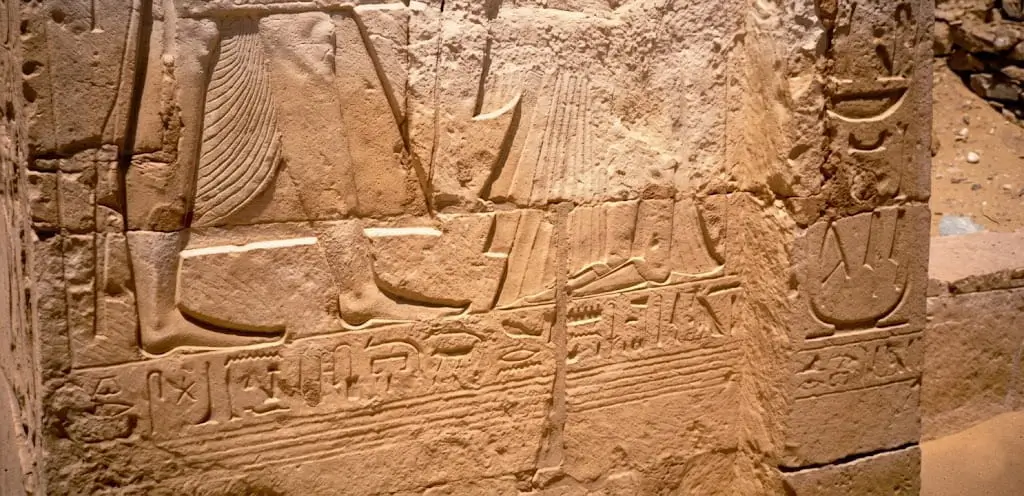
In ancient Egyptian culture, the name (ren) was a vital part of the soul’s identity. The fact that this couple shared a name served to emphasize their unity in the eyes of the gods. Furthermore, it has provided a fascinating puzzle for modern Egyptologists. By examining the inscriptions within the tomb, researchers have successfully untangled their individual roles, revealing a partnership that balanced royal blood with administrative mastery.