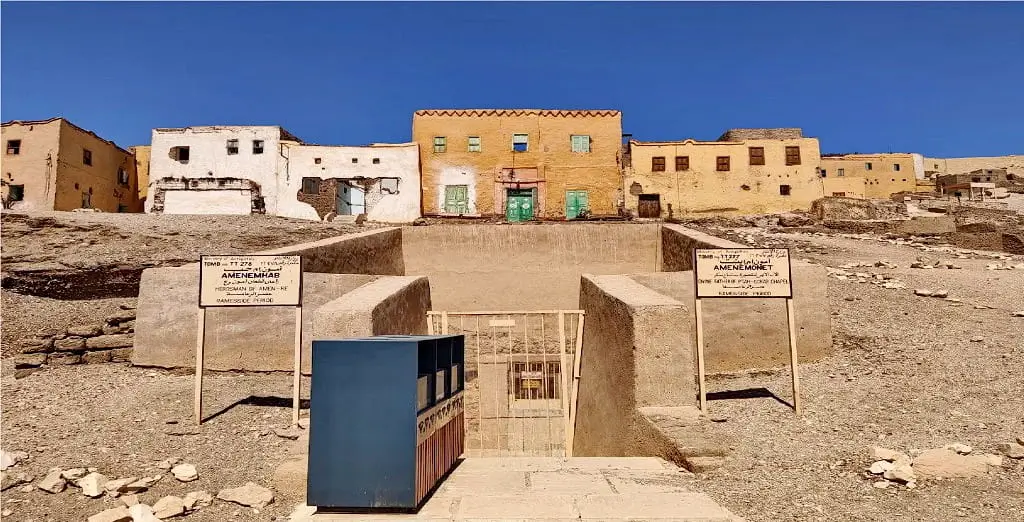
Qurnet Murai: The Silent Sanctuary of the Theban Necropolis

Qurnet Murai is the Theban Necropolis’s best-kept secret, offering a peaceful alternative to Luxor’s busier sites. This southern hill features the stunning Qurnet Murai tombs, where the vibrant artwork of high-ranking officials like Huy remains remarkably preserved. A visit here rewards travelers with a quiet, intimate look at New Kingdom history and the elite lives that once shaped the Egyptian Empire. It is a tranquil, essential stop for anyone seeking the hidden gems of the West Bank.

Many travelers visit the Valley of the Kings or the busy tombs of Sheikh Abd el-Qurna. However, a shorter drive south leads to a much more peaceful location. Qurnet Murai tombs offer a quiet look into ancient Egypt. This area sits at the southern end of the necropolis and remains the most tranquil part of the West Bank.

A Prime Location for Peace

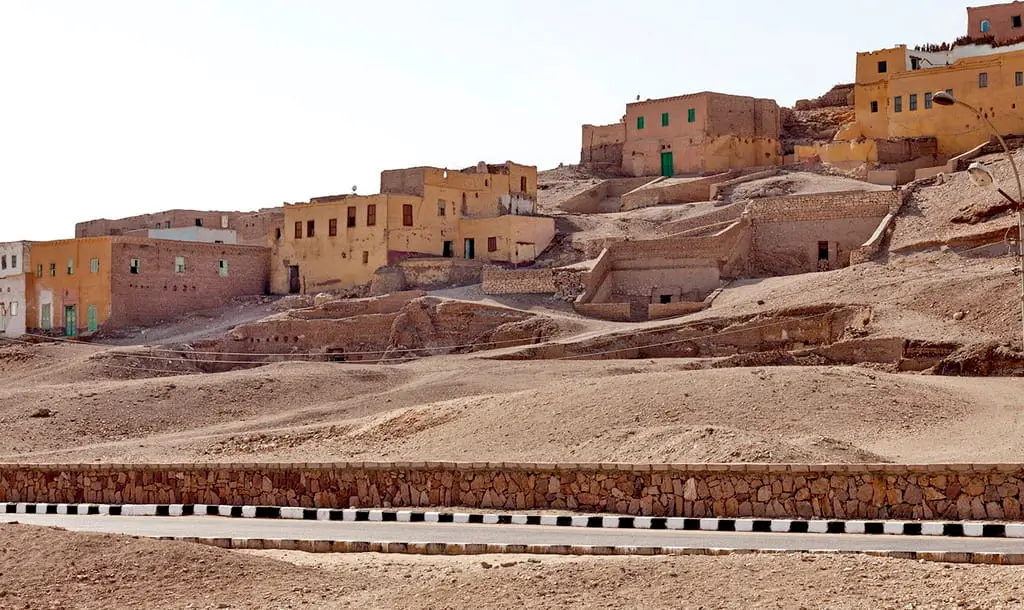
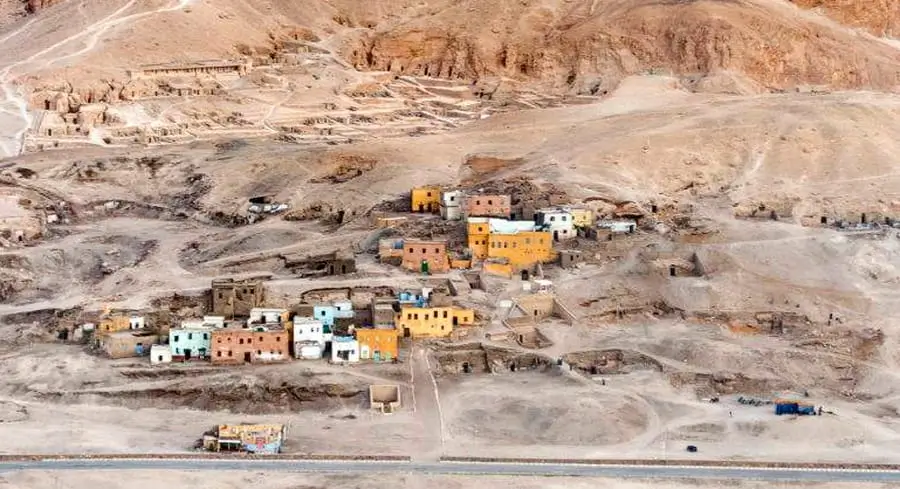
Qurnet Murai rises as a small hill between the Valley of the Queens and the Colossi of Memnon. Its distance from the main tourist hubs keeps the crowds away. Visitors here find a deep silence that helps them appreciate the history of the site. The golden desert cliffs meet the green Nile valley in a beautiful view.

The History of the Hill

High-ranking officials chose this hill for their eternal homes during the New Kingdom. These men managed Egypt’s southern lands and served in nearby temples. For a long time, local villagers lived in houses built right over the ancient shafts. The government later moved the village to protect the archaeology. Today, the hill stands as a preserved monument to the past.

Hidden Artistic Gems

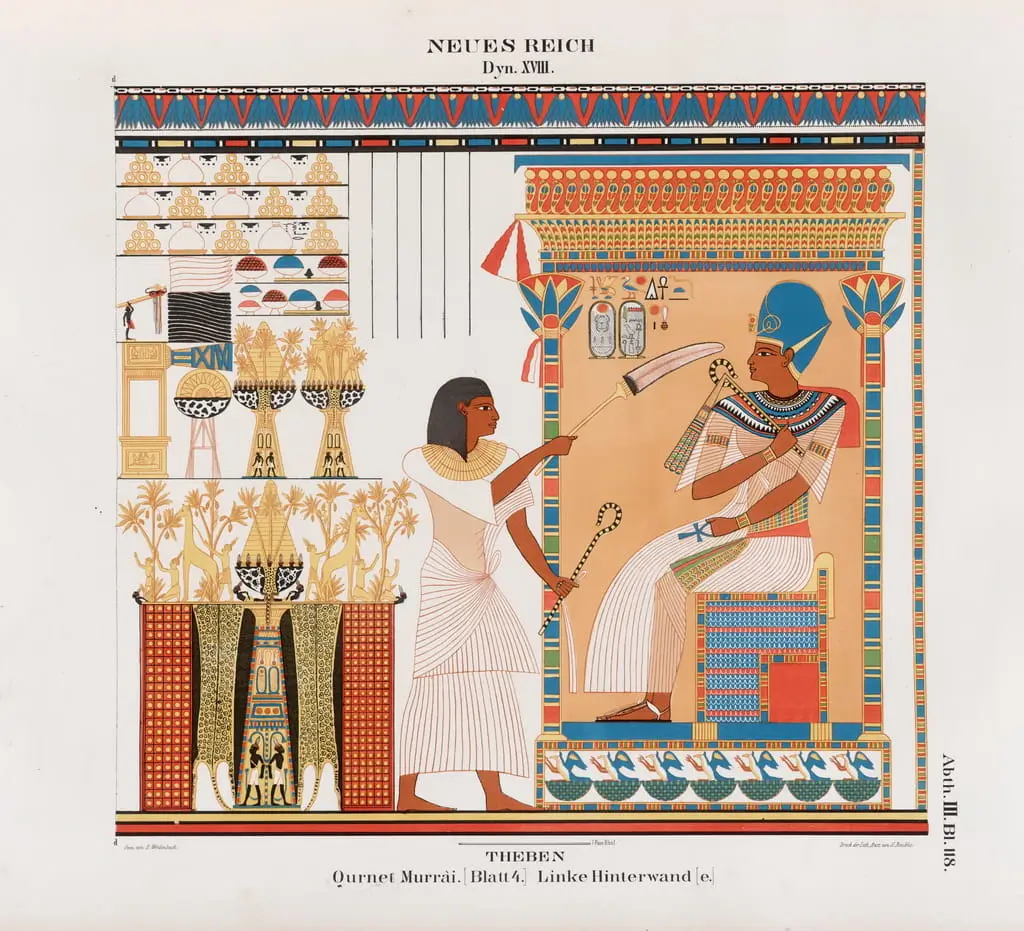
The Qurnet Murai tombs contain some of the finest art in Luxor. The most famous site is the Tomb of Huy. He served as the Viceroy of Kush during the reign of King Tutankhamun. His tomb features colorful paintings of gold, chariots, and unfamiliar animals. Smaller tombs of scribes and priests also fill the hillside.

Why You Should Visit

This area is perfect for those who want to avoid large groups. It offers a clear view of how the elite lived and died in ancient Thebes. Walking these paths feels like stepping back in time. You get to see a different side of the Egyptian empire in total peace.
FUN

The Showpiece: The Tomb of Huy (TT40)

The Showpiece The Tomb of Huy (TT40)

The Tomb of Huy, also known as TT40, stands as the most significant archaeological treasure within the Qurnet Murai tombs sector. This tomb belongs to a man named Amenhotep, who went by the shorter name “Huy.” He held one of the most powerful positions in the Egyptian Empire. He served as the Viceroy of Kush under the famous boy-king, Tutankhamun. This role meant he governed the lands of Nubia to the south and managed the flow of wealth into the royal treasury.

The Role of the Viceroy

Huy carried the title “King’s Son of Kush.” He did not actually belong to the royal family, but his power was nearly equal to a prince. He oversaw everything from gold mining to military security in the southern territories. Because Huy served during the 18th Dynasty, his tomb provides a rare window into the political world of King Tutankhamun. The scenes on the walls act like a visual diary of his high-status life and his loyalty to the crown.

Vibrant Scenes of International Tribute

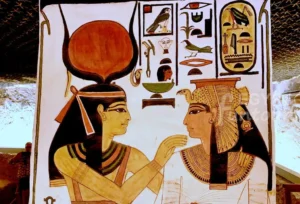
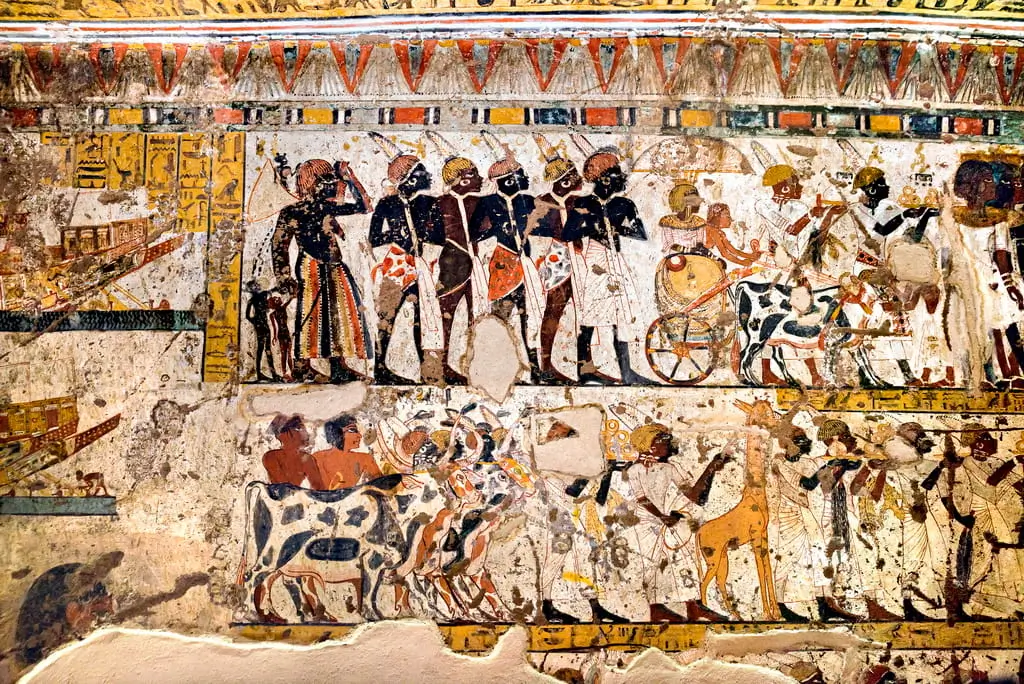
The artwork inside TT40 remains famous for its bright colors and historical detail. One of the most striking walls shows Huy presenting a massive collection of “tribute” or gifts to King Tutankhamun. This scene highlights the vast reach of the Egyptian Empire. You can see detailed paintings of:

  • Unfamiliar Animals: Giraffes, cattle with decorated horns, and various skins from the deep south.
  • Luxury Goods: Large rings of pure gold, bags of gold dust, and intricately carved furniture.
  • Nubian Chariots: Rare depictions of chariots used by the people of the south, showcasing their unique style.
  • People of Kush: The artists carefully painted the distinct clothing, jewelry, and hairstyles of the Nubian delegates.

Architectural Features of TT40

The tomb follows the classic “T-shape” design common for high-ranking nobles of this era. It begins with an open courtyard that leads into a wide transverse hall. A long passage then moves deeper into the rock, ending in a small inner shrine.

  1. The Transverse Hall: This is where the most famous tribute scenes exist. The walls show Huy being invested with his office and then receiving the wealth of the south.
  2. The Inner Shrine: This area was meant for the cult of the deceased. It originally held statues of Huy and his family, though time and history have damaged some of these features.
  3. The Burial Shaft: Deep beneath the floor, a shaft leads to the actual chamber where the sarcophagus once sat.

Why TT40 is a “Gem”

This tomb is a “must-see” because it bridges the gap between different cultures. While many tombs in the Theban Necropolis focus on religious spells, TT40 focuses on the real-world connections between Egypt and its neighbors. The preservation of the paint is remarkable. The reds, yellows, and blues remain vivid even after more than 3,300 years. It provides the most complete look at how the southern administration functioned during the height of the New Kingdom.

FUN

Catalog of Noble Tombs: The Residents of Qurnet Murai

Catalog of Noble Tombs The Residents of Qurnet Murai

While the Tomb of Huy draws the most attention, the hillside of Qurnet Murai serves as a dense archive of the New Kingdom’s social and religious hierarchy. Many of these Qurnet Murai tombs belong to officials who served during the 18th and 19th Dynasties. Exploring these lesser-known sites provides a broader picture of daily life and burial customs in ancient Thebes.

TT271: The Tomb of Nay

Nay served as a Royal Scribe during the reign of King Aye (the successor to Tutankhamun). His tomb is small but historically significant. It links the transition from the Amarna Period back to traditional Theban worship.

  • Key Feature: The inscriptions focus on his administrative duties and his devotion to the king.
  • Significance: It shows how high-ranking scribes maintained their status during times of political change.

TT272: The Tomb of Khaemwaset

Khaemwaset held the title of “Divine Father of Amun” in the Temple of Karnak. Because he served the god Amun, his tomb contains many religious scenes.

  • Visual Highlights: You can see remnants of the “Opening of the Mouth” ceremony, which was a vital ritual to ensure the deceased could eat and speak in the afterlife.
  • Status: His title reminds us that Qurnet Murai was a preferred location for the elite clergy.

TT273: The Tomb of Sayemra

Sayemra worked as a “Scribe of the Lord of the Two Lands.” This title indicates he was involved in the highest levels of the royal administration.

  • Architectural Note: Like many Qurnet Murai tombs, it features a courtyard that once held a mud-brick chapel.
  • Historical Value: His career likely overlapped with several famous pharaohs, making his tomb a piece of a larger historical puzzle.

TT277: The Tomb of Amenemonet

Amenemonet was a “Divine Father of the Mansion of Amenhotep III.” This means he was responsible for the mortuary temple of one of Egypt’s greatest builders.

  • Artistic Style: The decorations here reflect the high artistic standards of the 18th Dynasty.
  • Link to History: His role directly connects this southern hill to the nearby Colossi of Memnon and the vast temple complex that once stood there.

TT278: The Tomb of Amenemheb

Amenemheb served as the “Herdsman of Amun-Ra.” While his title sounds humble, he was actually a high-level manager of the vast herds of livestock owned by the Amun temple.

  • Daily Life Scenes: This tomb provides a look at the agricultural side of ancient Egypt, featuring depictions of cattle and temple estates.

TT382: The Tomb of Usermontu

Usermontu held the prestigious rank of “High Priest of Mut” at Karnak. This is one of the later tombs on the hill, dating to the Ramesside period.

  • Religious Significance: As a high priest of the goddess Mut, Usermontu was a major player in the religious life of Thebes.
  • Design: The tomb exhibits the deeper, more complex rock-cut architecture typical of later dynasties.

List of Additional Significant Tombs

Beyond the primary sites, several other registered tombs exist within this quiet sector:

  • TT270: The tomb of Amenemwia, a “Pure Priest” of the temple.
  • TT275: Belonging to Sobekhotep, a “Head of the Weighers of the Treasury of Amun.”
  • TT276: The resting place of Amenemope, an “Overseer of the Treasury.”

Why the Catalog Matters

Documenting every one of the Qurnet Murai tombs is essential for understanding the neighborhood. This hill was not just for one family; it was a professional community. Here, the scribes, priests, and treasurers who kept the empire running were laid to rest together. This concentration of administrative talent makes Qurnet Murai one of the most historically “dense” areas of the West Bank.

The Catacombs of Kom Esh-Shokafa: Roman-Egyptian Underworld

Descend into one of the "Seven Wonders of the Middle Ages" at the Catacombs of...
Related post
FUN

Architectural Evolution: Building for Eternity in the South

Architectural Evolution Building for Eternity in the South

The Qurnet Murai tombs offer more than just beautiful art; they reveal the technical mastery of ancient Egyptian engineers. Over centuries, the design of these “Houses of Eternity” changed to reflect new religious beliefs and the physical reality of the hillside. Understanding this evolution helps us see how the architects adapted to the unique landscape of this southern sector.

The Rock-Cut “T-Shape” Design

Most of the private tombs on this hill follow the classic 18th Dynasty layout. This design mimics a domestic home but is carved directly into the bedrock. It typically consists of three main parts:

  1. The Wide Hall (Transverse Hall): This is the first room you enter. It represents the “public” area of the tomb. Here, artists painted scenes of the owner’s professional life, awards from the Pharaoh, and grand banquets.
  2. The Inner Corridor: This passage leads deeper into the mountain. It symbolizes the journey from the world of the living to the world of the dead.
  3. The Cult Chapel: At the very end of the corridor sits a small room or niche. This area often held statues of the deceased and their family, where relatives could leave offerings.

Geological Challenges and Limestone Quality

The quality of stone at Qurnet Murai is different from the cliffs at Deir el-Bahari. The limestone here can be softer and more prone to fracturing. To overcome this, ancient builders often used thick layers of plaster (known as muna) to smooth the walls before painting. This technique allowed for the high level of detail we see in the Tomb of Huy, even where the underlying rock was uneven.

Transition to the Ramesside Style

As we move into the 19th and 20th Dynasties, such as in the tomb of Usermontu (TT382), the architecture shifts. The tombs become deeper and more focused on the afterlife.

  • Decline of Daily Life Scenes: Instead of showing banquets, the walls begin to feature scenes from the Book of the Dead.
  • Focus on the Underworld: The focus moves away from the bright outer halls toward the dark, sacred burial chambers deep underground.

The Burial Shafts

Every tomb on the hill hides a secret. While the upper chapels were for visitors, the actual body lay at the bottom of a vertical burial shaft. These shafts could drop 10 to 30 feet into the earth. The architects carefully hid the entrance to the burial chamber to protect the mummy and its treasures from tomb robbers.

The Step Pyramid Complex: A Revolution in Stone

The Step Pyramid Complex of King Djoser, built around 2670 BCE by the architect Imhotep,...
Related post
FUN

Practical Visitor Information: Accessing Qurnet Murai

Practical Visitor Information Accessing Qurnet Murai

Because it is the quietest part of the necropolis, visiting the Qurnet Murai tombs requires a bit more planning than a trip to the Valley of the Kings. However, the reward is a peaceful and private experience.

How to Get There

Qurnet Murai is located on the West Bank of Luxor.

  • By Car: It is a 10-minute drive from the main ferry landing. Follow the road toward the Valley of the Queens; the hill of Qurnet Murai will be on your right before you reach the valley entrance.
  • The “Short Drive”: As mentioned, it is just a few minutes south of the more crowded Sheikh Abd el-Qurna area.

Ticketing and Hours

The Ministry of Tourism and Antiquities manages the site.

  • Standard Hours: Most tombs are open from 6:00 AM to 5:00 PM.
  • Ticket Office: You usually buy tickets at the main West Bank ticket office (the taftish) before heading to the hill. The Tomb of Huy is often sold as a specific ticket that may include other nearby sites.

Best Time to Visit

To truly experience the silence of the hill, arrive early in the morning or late in the afternoon. The lighting during the “golden hour” makes the limestone hills glow and provides excellent opportunities for photography.

Expert Travel Tips

  • Bring a Torch: While some tombs have modern lighting, a small flashlight helps you see the fine details in the deeper corners of the chapels.
  • Respect the Silence: This is an active archaeological zone. Keeping noise to a minimum helps preserve the serene atmosphere that makes this place special.
  • Combine Your Visit: Since it is so close, you can easily visit Qurnet Murai on the same day you explore the Valley of the Queens or the Temple of Medinet Habu.

The Future of Qurnet Murai: Preservation and Progress

As we look toward the future of the Theban Necropolis, Qurnet Murai is entering a new era of care and accessibility. For decades, this southern hill remained a quiet witness to the past, but recent efforts by the Egyptian Ministry of Tourism and Antiquities are ensuring that these “gems” stay protected for generations to come.

Modern Restoration Efforts

Archaeologists and restorers are currently working to stabilize the fragile art found within the Qurnet Murai tombs. Because many of these structures were used as dwellings in the past, they require specialized cleaning to remove layers of soot and dust.

  • Pigment Stabilization: Experts are using state-of-the-art scientific methods to consolidate the ancient paints, especially in the Tomb of Huy. This prevents the vibrant blues and reds from flaking off the limestone walls.
  • Structural Reinforcement: Engineers are strengthening the rock ceilings and entryways to ensure the tombs remain safe for visitors and researchers.
  • Advanced Lighting and Ventilation: To combat the humidity caused by human breath, new ventilation systems are being planned. Modern, cool-burning LED lights are also being installed to illuminate the art without causing heat damage.

Balancing Tourism and Protection

The main goal for Qurnet Murai is “Sustainable Tourism.” Because the site is less crowded than the Valley of the Kings, it offers a perfect model for how to manage heritage sites responsibly.

  1. New Visitor Trails: Plans are in place to create clearly marked paths that guide visitors through the hill without disturbing the archaeological ground.
  2. Educational Signage: New, bilingual signs (Arabic and English) are being added to provide historical context, helping travelers understand the importance of the officials buried here.
  3. Digital Archiving: Many of the tombs are being 3D-scanned. This creates a “digital twin” of the site, allowing scholars to study the inscriptions without ever stepping inside the fragile chambers.

The Southern Jewel of the West Bank

Qurnet Murai will likely always remain the quietest part of the necropolis, and that is exactly what makes it valuable. As Luxor continues to grow as a global destination, this silent hill provides a necessary balance. It is a place for reflection, study, and a deep connection to the people who built the Egyptian Empire.

By visiting the Qurnet Murai tombs, you are not just seeing ancient art—you are supporting the ongoing work to preserve one of the world’s most unique cultural landscapes. This “short drive” south is more than a detour; it is a journey into the heart of a preserved history that is finally getting the attention it deserves.

The Tomb of Merefnebef at Saqqara: A Complete Guide to the Vizier’s Masterpiece

The Tomb of Merefnebef (Fefi) is a masterclass in Sixth Dynasty funerary art and architecture....
Related post
FUN

FAQs About Qurnet Murai

FAQs About Qurnet Murai

What are the Qurnet Murai tombs?

The Qurnet Murai tombs are a specific group of ancient Egyptian burial sites located on a small hill at the southern end of the Theban Necropolis in Luxor. They primarily belong to high-ranking officials, priests, and administrators from the 18th and 19th Dynasties of the New Kingdom.

Why is Qurnet Murai called the “quietest” part of the necropolis?

Because it is situated slightly further south than the major tourist hubs like the Valley of the Kings or Sheikh Abd el-Qurna, it receives significantly fewer visitors. This makes it the perfect location for travelers seeking a peaceful, private experience away from the crowds.

Who is the most famous person buried in Qurnet Murai?

The most famous resident is Amenhotep, called Huy (TT40). He served as the Viceroy of Kush under King Tutankhamun. His tomb is world-renowned for its colorful depictions of Nubian tribute, including unfamiliar animals and piles of gold.

Is there an entrance fee for the tombs at Qurnet Murai?

Yes. To visit, you must purchase a ticket from the main West Bank Ticket Office (the Antiquities Inspectorate) located near the Colossi of Memnon. Currently, the Tomb of Huy is often sold as a dedicated ticket that may grant access to other smaller tombs on the same hill.

How do I get to Qurnet Murai from Luxor city?

You can take the public ferry or a private motorboat to the West Bank. From there, it is a short drive (about 10 minutes) by taxi or car. The hill is located between the Valley of the Queens and the Temple of Medinet Habu.

Are the tombs at Qurnet Murai suitable for photography?

Yes, but rules vary. While photography with a mobile phone is generally allowed (sometimes requiring a small additional fee), professional equipment and flash are strictly regulated to protect the ancient pigments. The quiet nature of the site makes it one of the best places in Luxor for photography without people in your shots.

What is the best time of day to visit?

The best time is early morning (8:00 AM) or late afternoon (3:30 PM). The hill offers very little shade, so arriving during these times helps you avoid the midday heat. The late afternoon “golden hour” also provides beautiful lighting for the surrounding desert landscape.

Can I visit Qurnet Murai with children?

Yes. The walk up the hill is relatively short and less steep than other parts of the necropolis. However, the interior of the tombs can be narrow, and children should be supervised to ensure they do not touch the delicate wall paintings.

How many tombs are actually open to the public?

While there are dozens of registered tombs on the hill, the number of open sites varies based on ongoing restoration. The Tomb of Huy (TT40) is the primary draw. It is always best to check the current “Open Tombs” list at the main ticket office upon arrival.

Is Qurnet Murai accessible for those with limited mobility?

The hill involves some walking on uneven, sandy paths and a slight incline. While it is more accessible than the rugged Valley of the Kings, it may still be challenging for those with significant mobility issues or those using wheelchairs.

Discover ancient and modern Egypt and have fun in Hurghada beach resort....
Explore the wonders of ancient Egypt on this magical Tour...
God_Anubis_Icon
Giza pyramids Tours - Egypt Fun Tours

Thanks to egypt fun tours!

Thank u Hani for the enlightening tour of Giza and Saqqara. Thank u also for the great recommendation – Felfela – which we enjoyed a lot. returning the commission u got at the papyrus shop was something we didn’t expect and truly appreciate. shookran!

More »

Great shore excursion of Cairo & Giza

We are glad that we arranged our private shore excursion with Egypt Fun tours in last week of October 2012. Booking process was very easy with Hamada and she took care of all our questions promptly just via E-mail. Our group was little worried about safety in Egypt especially because

More »
Ancient Egyptian Sarcophagus - Egypt Fun Tours

Unforgettable experience with Fun Tours – Highly recommended!

Hello everyone! We would like to share our extremely positive experience with Fun Tours. Our tour was a complete success thanks to our guide, Osama, and our driver Hassan. Osama proved to be an enthusiastic and knowledgeable guide who answered all of our questions and catered to our individual wishes

More »
Amazing Egypt Tours Vacations in December Egypt Fun Tours

Amazing trip with Egypt Fun Tours

We had the time of our lives on a trip to Egypt and the Bahariya/White Desert with Egypt Fun Tours, too. I would highly recommend this company. They are very familiar with organizing this trip, and this means they are well-connected in the desert area. This was invaluable to us

More »

Egypt Fun Tours – Does it All!

My husband and I visited Egypt in March 2013. First, let me say, ‘Go, go, go!’ – it’s safer and definitely friendlier than many places we’ve visited. Tourism is drastically down – thanks mostly to media misinformation – so it’s a great time to visit to avoid line-ups and crowds

More »
God_Anubis_Icon

Top-rated Tour Packages

God_Anubis_Icon