Tomb of Neferhotep (TT49): The Chief Scribe & Ancient Karnak

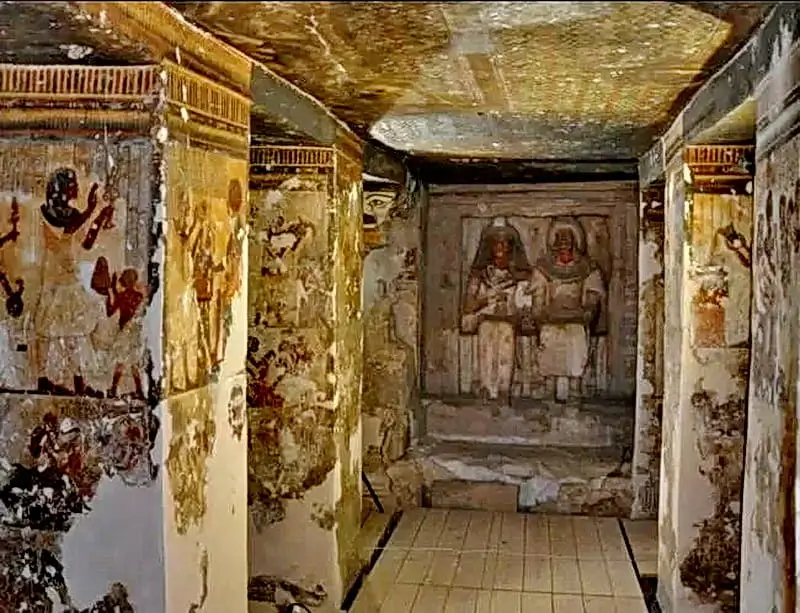
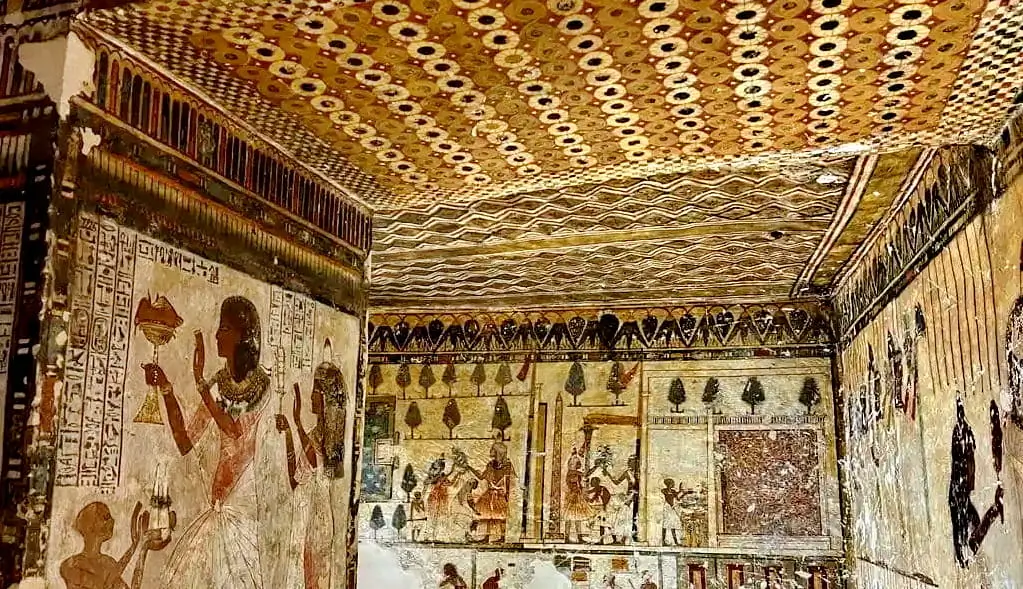
The Tomb of Neferhotep (TT49) stands as one of the most significant architectural archives of the late 18th Dynasty. Serving as the Chief Scribe of Amun under King Ay, Neferhotep documented the physical grandeur of the Temple of Amun at Karnak with unparalleled precision, preserving a visual blueprint of pylons and sacred lakes as they appeared over 3,300 years ago. His tomb famously captures the "Gold of Honor" ceremony, depicting Neferhotep receiving royal rewards from the palace's Window of Appearance. Ultimately, TT49 offers a critical bridge between the spiritual and the administrative, immortalizing the man responsible for the records, rituals, and infrastructure that defined the transition back to traditional Theban power.

The Chief Scribe and the Architectural Echoes of Karnak

While the nearby tombs of the West Bank often focus on the mystery of the afterlife, the Tomb of Neferhotep (TT49) serves as a vibrant, panoramic record of the world of the living. Situated in the El-Khokha district, this tomb belonged to the “Chief Scribe of Amun” during the short but pivotal reign of King Ay, the immediate successor to Tutankhamun. Neferhotep was not merely a clerk; rather, he was a high-ranking administrator responsible for the documentation and spiritual integrity of the greatest religious institution on earth: the Temple of Amun at Karnak.

Tomb of Neferhotep (TT49): A Visual Blueprint of the Ancient World

Incredible architectural fidelity distinguishes TT49 from its neighbors. Since Neferhotep centered his career at Karnak, his tomb features one of the most detailed ancient illustrations of the temple complex that archaeologists have ever discovered. Consequently, historians treat the walls of TT49 as a primary architectural blueprint. Through these paintings, we view the temple as it stood over 3,300 years ago, complete with its soaring pylons, colossal statues, and bustling magazines.

Tomb of Neferhotep (TT49): Witness to a Post-Amarna Restoration

Furthermore, the Tomb of Neferhotep offers a unique perspective on a civilization in transition. Following the death of Tutankhamun, King Ay continued the massive task of restoring the traditional cults that the Amarna Period had suppressed. In this context, Neferhotep played a vital role as Chief Scribe. He took on the task of “re-writing” the temple’s order, and his tomb reflects this renewed devotion to Amun-Re with a grandeur that rivals the royal monuments of the era.

Tomb of Neferhotep (TT49): The “Gold of Honor” and Royal Favor

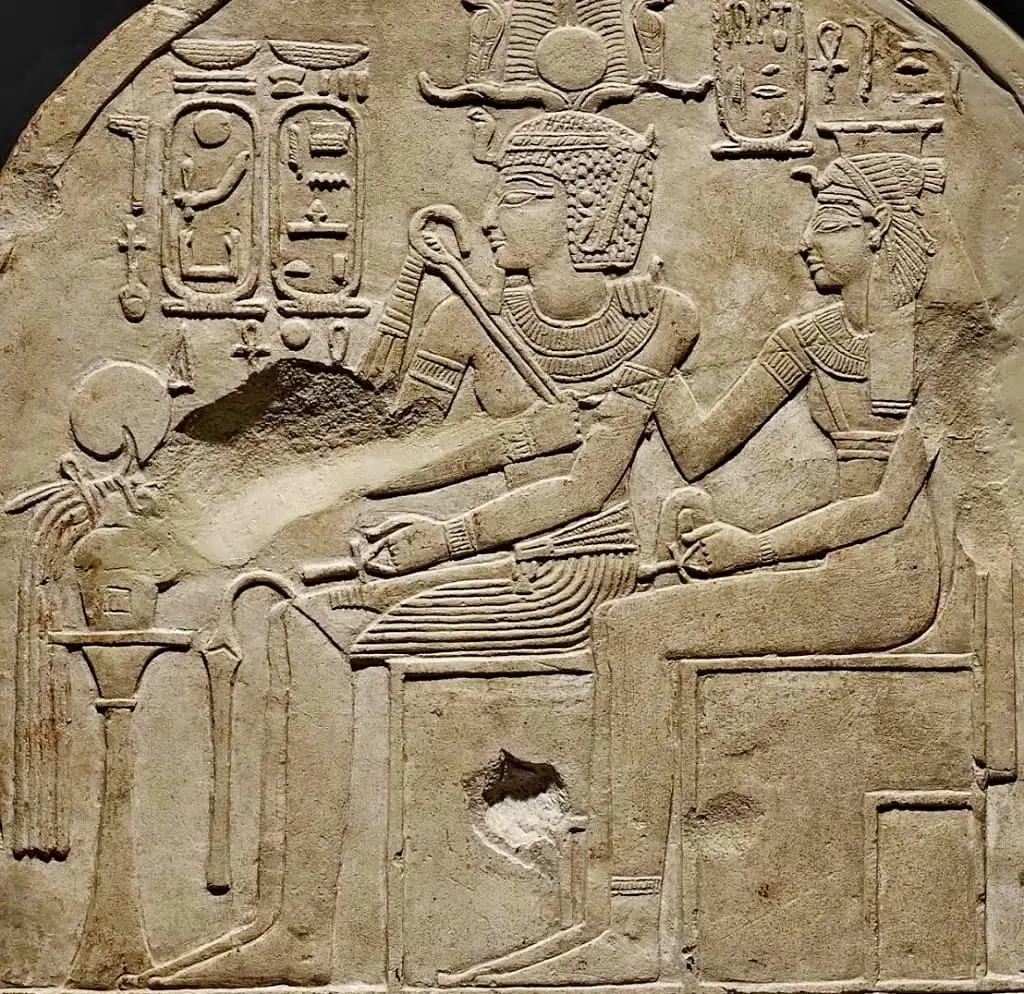
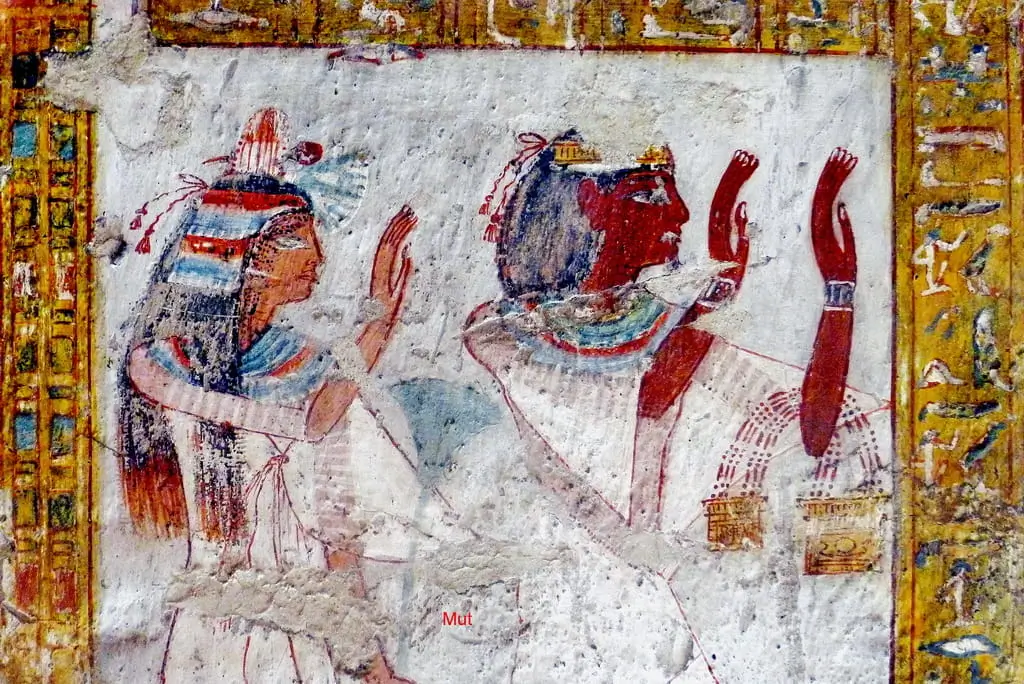
In addition to its religious significance, the tomb documents the height of Neferhotep’s social standing. One of the most famous scenes depicts him being rewarded by King Ay and Queen Ty from the “Window of Appearance.” This moment—the public bestowal of the Gold of Honor—serves as a testament to his loyalty and his influence at court. By exploring TT49, we do not just see a burial site; instead, we witness the life of a man who stood at the intersection of royal power and divine service.
FUN

The Architectural Heart of Thebes: Neferhotep’s Map of Karnak

The Architectural Heart of Thebes Neferhotep’s Map of Karnak

Because Neferhotep spent his life managing the records of the Temple of Amun, he ensured his tomb immortalized the very structures he governed. Consequently, the wall paintings in TT49 act as a rare, first-hand “photograph” of the Karnak Temple complex at the height of the New Kingdom.

1. The Pylons and the Sacred Gateway

One of the most extraordinary registers in the tomb depicts the massive front of the Karnak Temple. Unlike the weathered stone ruins we see today, Neferhotep’s artists portrayed the temple in its full, colorful glory:

  • The Flagstaffs: The paintings show towering wooden masts tipped with bronze, draped with vibrant red and white streamers.
  • Colossal Statues: You can clearly identify the towering statues of the Pharaoh guarding the entrance, providing a sense of the immense scale of the 18th Dynasty gateways.
  • The Sphinx Avenue: Furthermore, the scene includes the beginning of the processional way, lined with ram-headed sphinxes, which connected Karnak to the Luxor Temple.

2. The Inner Sanctuary and Sacred Lake

Moving deeper into the temple’s layout, the tomb illustrates the areas where Neferhotep performed his daily duties.

  • The Sacred Lake: The artists included the rectangular sacred lake, where the priests purified themselves before entering the inner sanctum.
  • The Granaries and Magazines: As the Chief Scribe, Neferhotep supervised the temple’s “wealth.” Therefore, he depicted the sprawling storehouses filled with grain, wine, and precious metals. These scenes demonstrate that Karnak was not just a place of prayer, but a massive economic engine.
FUN

The Royal Reward: The Window of Appearance

The Royal Reward The Window of Appearance

In addition to the temple architecture, the tomb features one of the most famous political scenes of the era: the “Reward of the High Official.” This scene captures the moment Neferhotep reached the pinnacle of his career.

1. King Ay and the Palace Balcony

Near the front of the tomb, we see King Ay and Queen Ty leaning out of a decorated balcony, known as the “Window of Appearance.” * The Bestowal of Gold: The King is shown handing down heavy necklaces of the “Gold of Honor” to Neferhotep. This was the highest civil award in Ancient Egypt, signifying the Pharaoh’s personal trust and public recognition of Neferhotep’s administrative genius.

  • The Palace Courtyard: Below the balcony, the artist depicted the chaotic energy of the royal court. You can see scribes, fan-bearers, and chariot drivers waiting in the courtyard, highlighting the high-stakes environment where Neferhotep operated.

2. The Symbolism of Loyalty

This scene serves a critical political purpose. By depicting himself receiving honors from King Ay, Neferhotep solidified his legitimacy during a time of royal transition. Consequently, the scene proves that despite the political shifts following the death of Tutankhamun, the bureaucracy—and Neferhotep himself—remained the stable backbone of the Egyptian state.

The Catacombs of Kom Esh-Shokafa: Roman-Egyptian Underworld

Descend into one of the "Seven Wonders of the Middle Ages" at the Catacombs of...
Related post
FUN

Summary: Neferhotep’s Eternal Record

TT49-Summary Neferhotep’s Eternal Record

Ultimately, the Tomb of Neferhotep (TT49) is more than a burial site; it is a meticulous archive of the late 18th Dynasty. While other tombs emphasize the abstract journey of the soul, Neferhotep chose to anchor his legacy in the stone of Karnak and the favor of the Pharaoh. Through his eyes, we see the architectural splendor of the Temple of Amun and the intricate ceremonies of the royal court, making this tomb an essential stop for anyone seeking to understand the intersection of religion and power in Ancient Egypt.

Tomb of Neferronpet (TT178): Gold, Metalworking & The Treasury of Amun

The Tomb of Neferronpet (TT178) provides an essential look at the internal mechanics of the...
Related post
FUN

The Administrative Triad: Huy, Neferhotep, and Neferronpet

Artistic Evolution A Thousand Years of Style at El-Khokha

To truly appreciate the depth of your 3,000-word pillar, you must view these three officials not as isolated figures, but as the interlocking gears of the New Kingdom’s success. Together, their tombs provide a complete narrative of how Egypt functioned at its absolute peak.

1. The Cycle of Imperial Power

While each official held a distinct title, their roles created a seamless economic loop that sustained the Pharaoh’s authority:

  • The Acquisition (Huy, TT40): As the “King’s Son of Kush,” Huy secured the raw materials. He managed the foreign frontiers to ensure that gold, ebony, and unfamiliar livestock flowed into Egypt.
  • The Infrastructure (Neferhotep, TT49): As the “Chief Scribe of Amun,” Neferhotep maintained the destination for that wealth. He managed the records and physical structures of the Temple of Amun at Karnak, the spiritual and administrative heart of the nation.
  • The Processing (Neferronpet, TT178): As the “Scribe of the Treasury,” Neferronpet handled the logistics. He audited the gold, supervised the smelting furnaces, and oversaw the craftsmen who turned raw tribute into finished masterpieces.

2. A Chronological Journey Through the New Kingdom

Furthermore, visiting these tombs in sequence allows you to witness the evolution of Egyptian history:

  • TT40 (Tutankhamun): Represents the initial restoration of order after the Amarna Period.
  • TT49 (Ay): Shows the stabilization of the bureaucracy and the physical rebuilding of the traditional temples.
  • TT178 (Ramesses II): Illustrates the mature, high-industrial peak of the 19th Dynasty, where the systems established by his predecessors reached their most efficient form.

The Tomb of Meryneith: A Bridge Between Gods in Saqqara

The Tomb of Meryneith (also referred to as Meryre) at Saqqara is one of the...
Related post
FUN

FAQs: The Tomb of Neferhotep (TT49)

FAQs The Tomb of Neferhotep (TT49)

Who was Neferhotep, and what was his role?

Neferhotep was the Chief Scribe of Amun during the late 18th Dynasty, serving under King Ay (c. 1323–1319 BCE). His role was immensely powerful, as he managed the administrative records, storehouses, and legal documentation for the Temple of Amun at Karnak, the wealthiest religious institution in Ancient Egypt.

Why is the architecture in TT49 considered unique?

The tomb is famous for its “map-like” depictions of the Temple of Amun at Karnak. Unlike many tombs that focus solely on the afterlife, Neferhotep’s artists provided a detailed architectural blueprint of the temple’s pylons, sacred lake, and magazines. This offers historians a rare contemporary look at the temple’s appearance over 3,300 years ago.

What is the “Window of Appearance” scene?

This is a pivotal scene in TT49 depicting King Ay and Queen Ty leaning out of a palace balcony to reward Neferhotep. The King is shown bestowing the “Gold of Honor” (heavy gold necklaces) upon him. This scene served as a permanent record of Neferhotep’s high social status and his personal relationship with the Pharaoh.

Where is the Tomb of Neferhotep located?

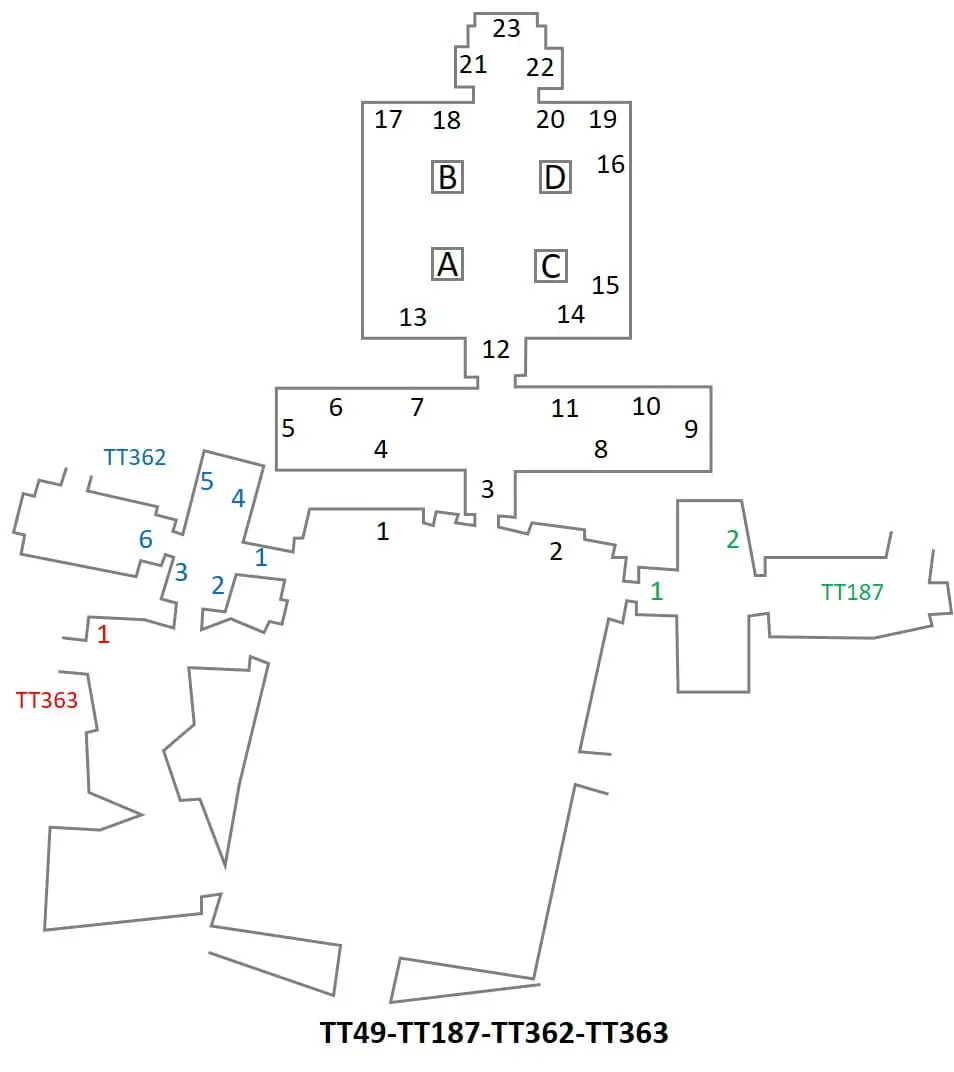
TT49 is located in the El-Khokha district of the Theban Necropolis on the West Bank of Luxor. It is situated in a cluster of tombs belonging to high-ranking officials of the New Kingdom, near the tombs of Neferronpet (TT178) and Nefersekheru (TT296).

Is the Tomb of Neferhotep open to the public?

The tomb has undergone extensive restoration by the Proyecto Neferhotep (an international conservation team) to preserve its delicate paintings from salt damage and soot. Availability can vary, so visitors should check at the Antiquities Inspectorate ticket office in Luxor for the current access status.

What artistic style is found in TT49?

The tomb features a transitional style following the Amarna Period. While it returns to traditional Theban religious themes, it retains some of the fluidity, naturalism, and crowded compositions characteristic of the era of Tutankhamun and Ay.

8 Days Hurghada and Nile Cruise Tour Package...
Enjoy 6 days trip to Cairo, Alexandria & Sahara and live the true adventure by visiting the best ancient sites plus enjoy the Sahara of...
FUN
God_Anubis_Icon
Souqs and Markets in Egypt - Egypt Fun Tours

Cairo walking tours

After a rocky start (the driver had been in an accident on his way to pick me up,) the company very quickly sent another driver/guide named Mohammed, who was a real pro. Thoroughly enjoyed my first day in Egypt!

More »

The best holiday ever!

The Nile cruise, Luxor, and Aswan were amazing sites to see, especially when you have the best tour guide in Egypt. Hamada was absolutely fantastic, lots of information, and some of it not spoken by others. This guy was not only a simple tour guide for us, but he also

More »
Top 10 restaurants in cairo Egypt Fun Tours 2

Tour & Overnight camping with Mohamed

The breathtaking views and the isolation with a night under the stars! The trip was memorable with Mohamed, our tour guide, who drove us to all the sites on the way to the White Desert, and is clearly someone who knows the desert inside out. He also cooked a delicious

More »

AMAZING Layover Tour

We had the MOST amazing layover tour with Egypt Fun Tours. Hanni was amazing, and we loved every moment. Pyramids, authentic food, and Islamic Cairo – amazing!

More »

Egypt Fun Tours – Does it All!

My husband and I visited Egypt in March 2013. First, let me say, ‘Go, go, go!’ – it’s safer and definitely friendlier than many places we’ve visited. Tourism is drastically down – thanks mostly to media misinformation – so it’s a great time to visit to avoid line-ups and crowds

More »
God_Anubis_Icon

Top-rated Tour Packages

God_Anubis_Icon