
The Temple of Nefertari: A Symphony in Stone
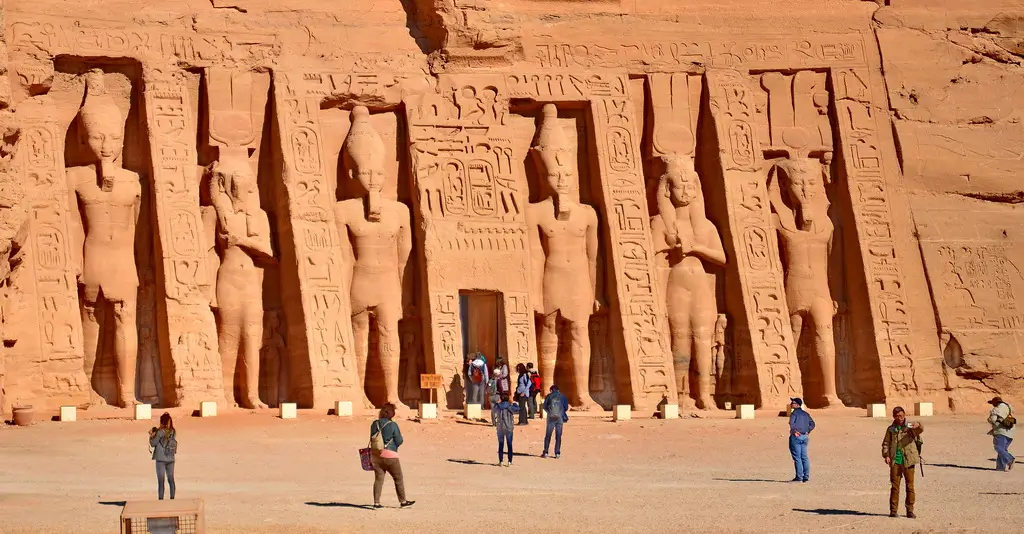
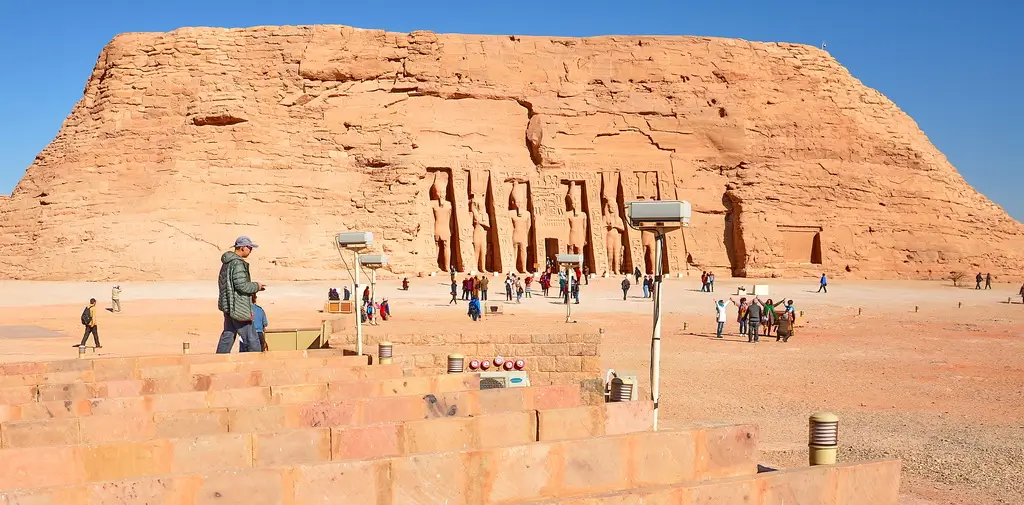
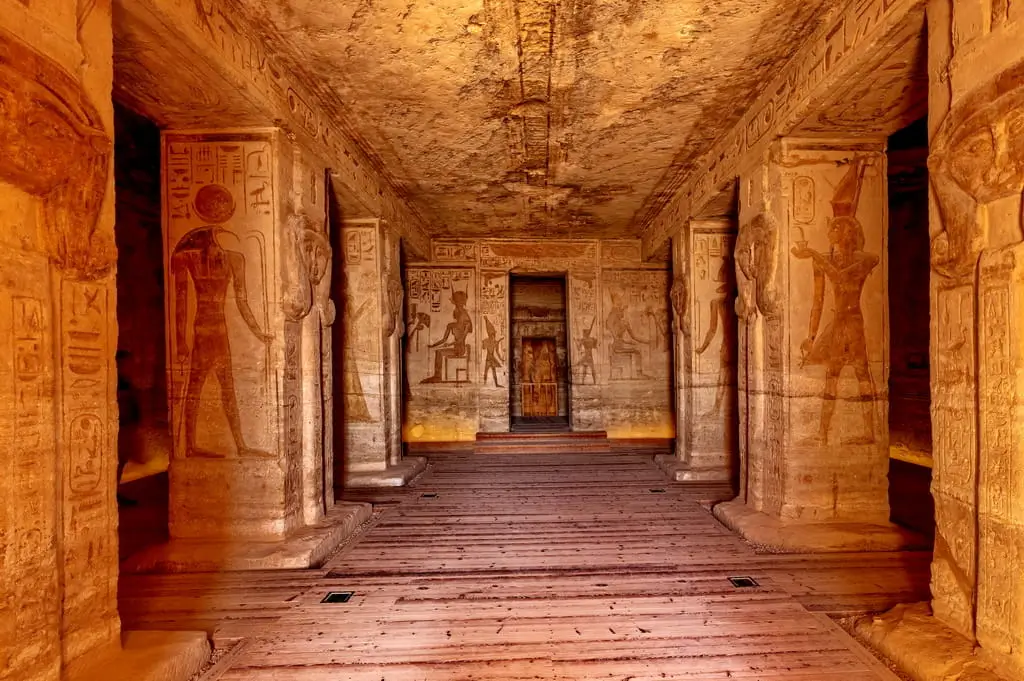
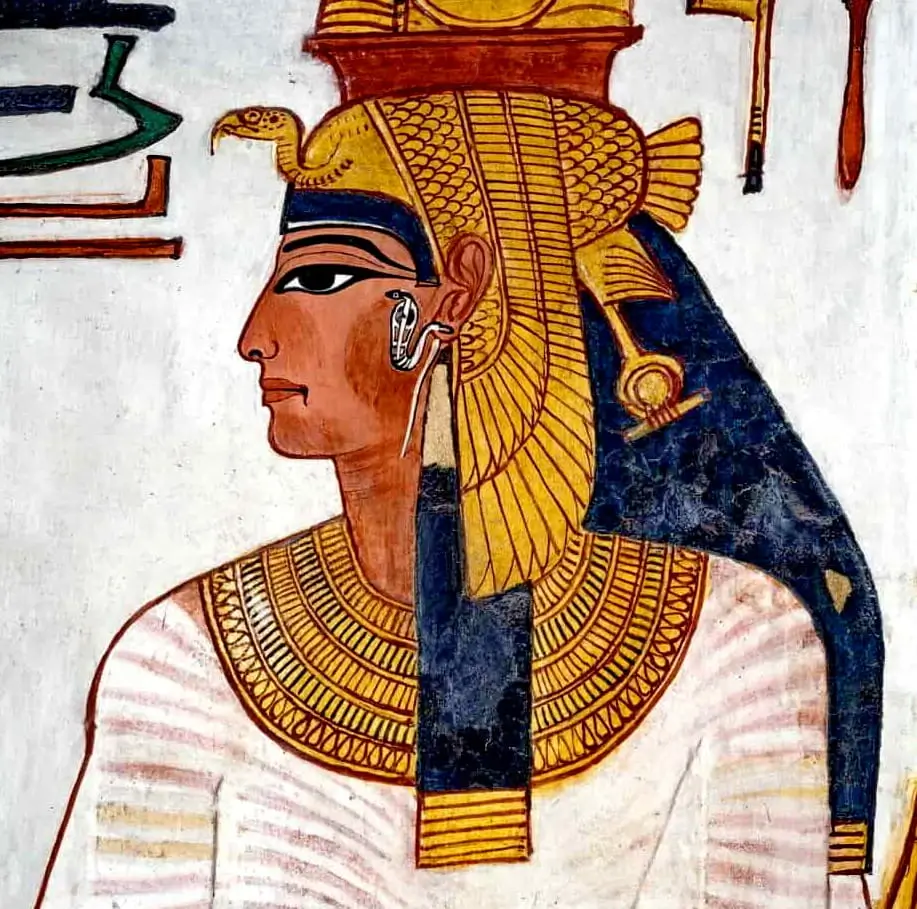
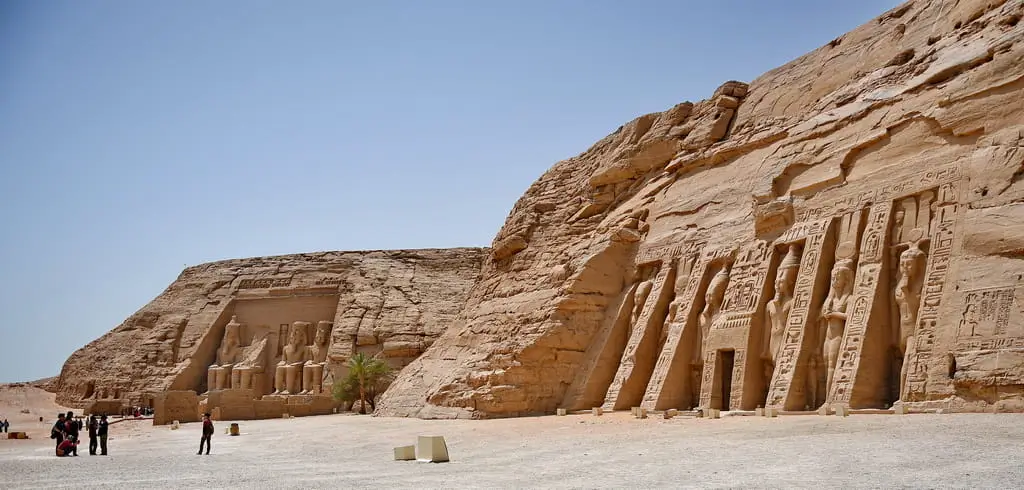
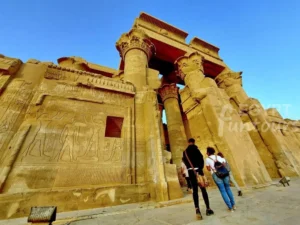
In the remote southern reaches of Ancient Nubia, carved directly into the heart of a sacred mountain, stands a monument unlike any other in the Nile Valley. The Temple of Nefertari at Abu Simbel, frequently referred to as the “Small Temple,” serves as a breathtaking testament to power, divinity, and an enduring royal romance. While the neighboring Great Temple of Ramses II intimidates visitors with its colossal scale, the Temple of Nefertari offers a more intimate and refined elegance. Ramses II built this sanctuary not just to honor a goddess, but to immortalize the woman he described as “the one for whom the sun shines.”
Temple of Nefertari: Breaking Architectural Traditions
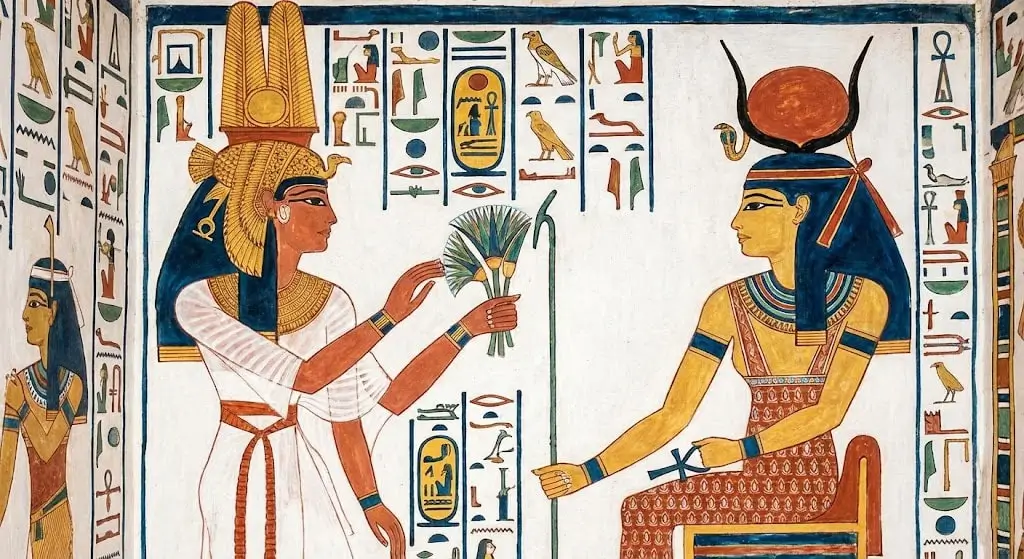
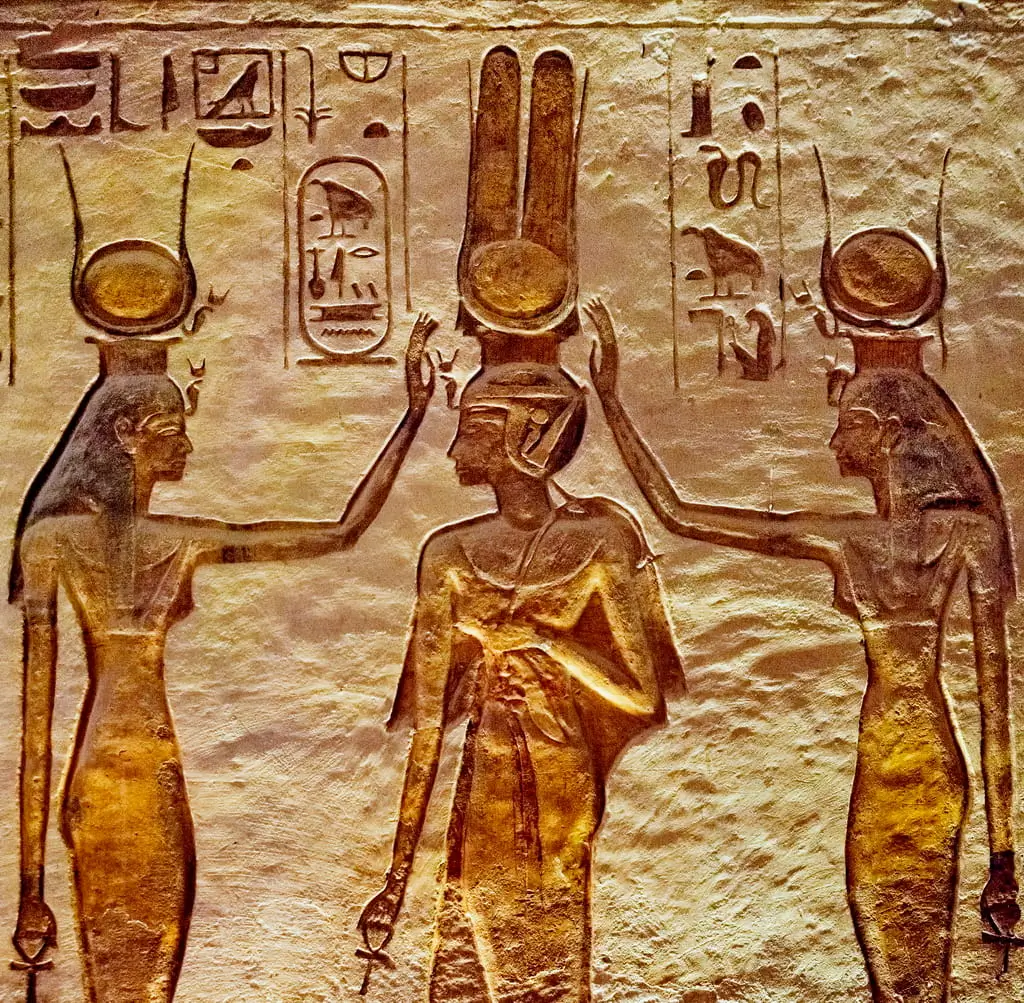
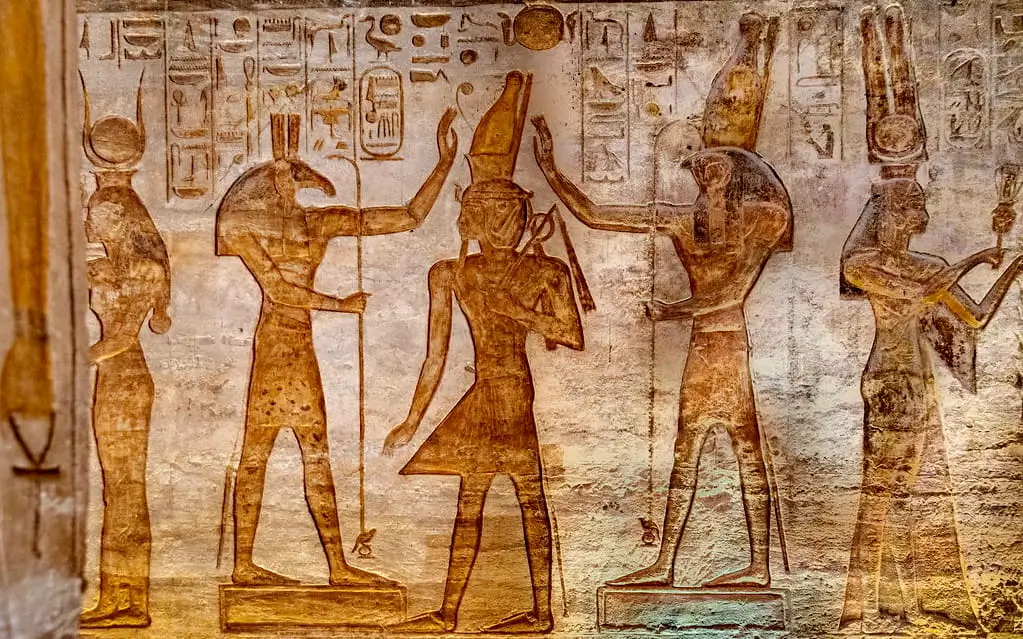
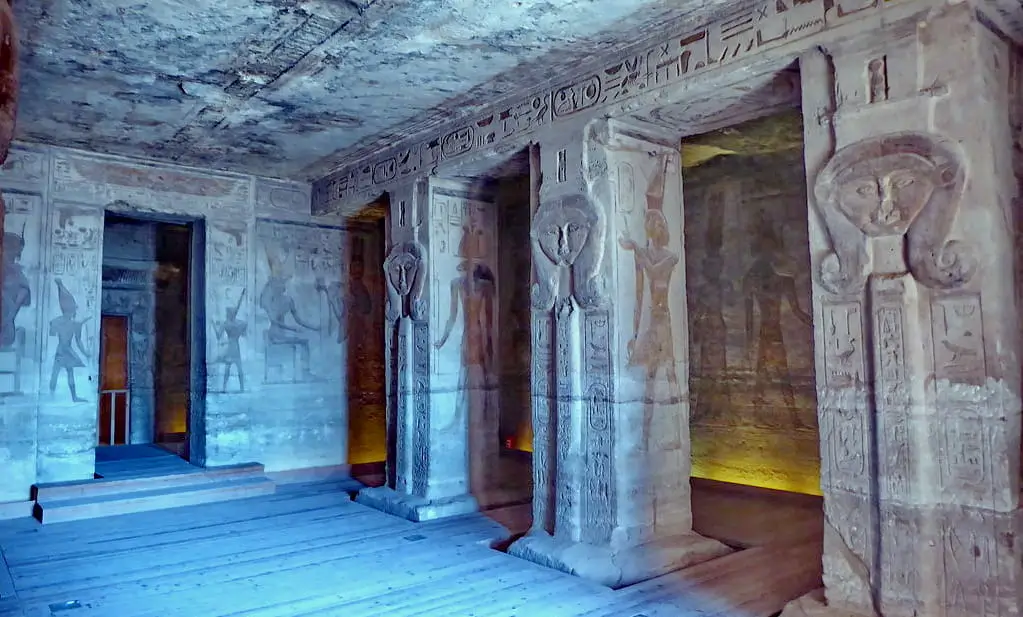
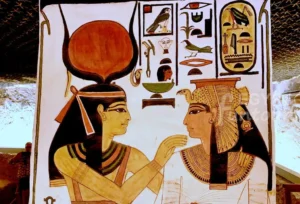
This sanctuary holds immense architectural significance because it shatters the traditional conventions of Pharaonic art. For the first time in Egyptian history, architects carved the statues of a queen at the same height as those of the Pharaoh himself. Consequently, this design choice signaled Nefertari’s unprecedented status as a co-ruler and a living manifestation of the goddess Hathor. Every relief and pillar within these halls celebrates her beauty and her vital role in maintaining Ma’at, or cosmic balance, throughout the empire.
Temple of Nefertari: A Legacy of Modern Preservation
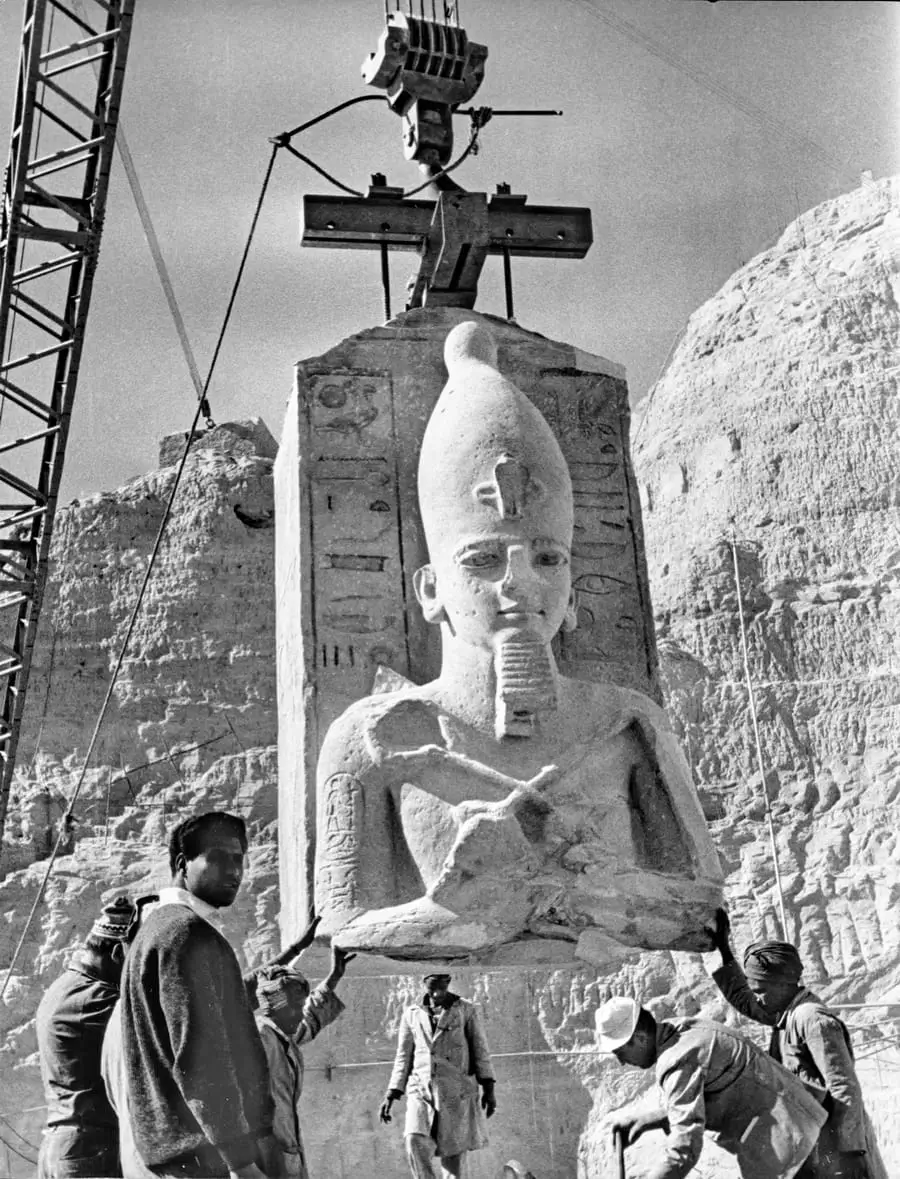
Beyond its artistic splendor, the temple tells a story of modern ingenuity and international cooperation. During the 1960s, the rising waters of Lake Nasser threatened to swallow this masterpiece forever. However, a global effort led by UNESCO successfully dismantled and relocated the entire complex to higher ground. Therefore, when you stand before its towering façade today, you witness both an ancient tribute to a beloved queen and a modern miracle of heritage preservation.
Temple of Nefertari: What This Guide Covers
In this comprehensive guide, we will explore the sacred symbolism of the Hathoric columns and the delicate artistic style of the 19th Dynasty. Furthermore, we will delve into the profound legacy of the woman who held the heart of Egypt’s most powerful pharaoh. Following this introduction, we will examine the historical context of the 11th Dynasty to provide a deeper understanding of the era. Finally, as we develop this high-authority pillar piece, we aim to exceed a 3,000-word count to ensure it serves as your definitive resource.