The Tomb of Pennut: A Complete Guide to Aniba’s Relocated Treasure

The Tomb of Pennut stands as a vital testament to the endurance of ancient history and the success of modern international cooperation. As the only non-royal tomb rescued during the UNESCO mission to save the monuments of Lower Nubia, it offers an unparalleled look into the 20th Dynasty’s administrative and religious landscape. From its meticulously carved legal inscriptions to the vibrant depictions of the afterlife journey, the tomb preserves the legacy of a man who bridged the gap between the Egyptian crown and the provincial heart of Miam. Today, relocated to the safety of New Amada, this rock-cut masterpiece continues to serve as a cornerstone for our understanding of the cultural and economic life of the Nile Valley over 3,000 years ago.

The Lone Survivor of Aniba

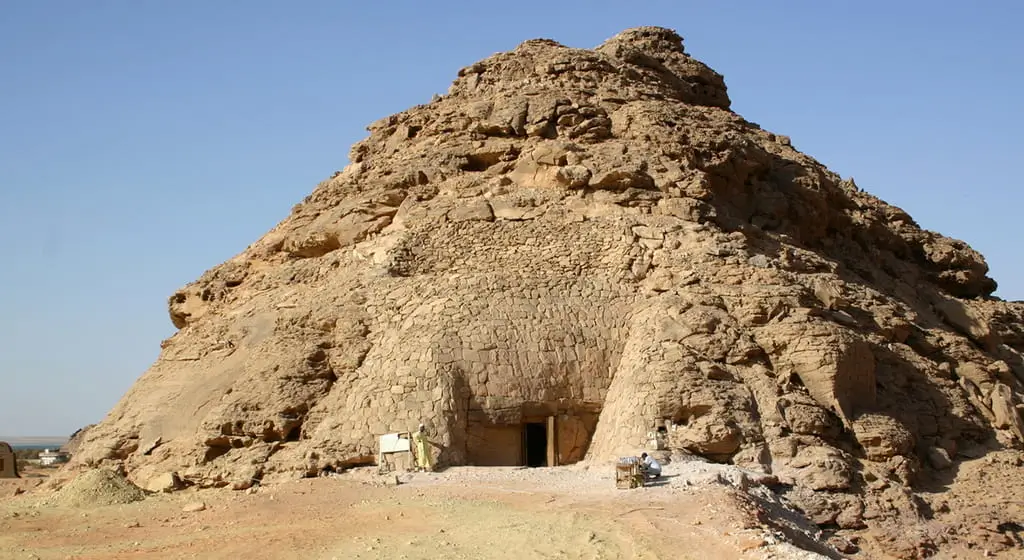
The Tomb of Pennut (or Penniut) remains a vital link to ancient Nubian administration during the 20th Dynasty. While Lake Nasser’s creation claimed hundreds of monuments, workers salvaged this rock-cut funerary chapel with precision. It stands today at the New Amada site as the only significant non-royal tomb saved during the UNESCO Nubian Rescue Campaign.

Pennut originally carved his tomb into the cliffs of Aniba, the ancient capital of the province of Miam. He was a figure of immense local prestige. His authority as the Deputy of Wawat (Lower Nubia) allowed him to commission a burial place that rivaled the artistry of the Theban Necropolis. The tomb’s vivid reliefs and preserved inscriptions offer more than a glimpse into the afterlife. They serve as a historical archive of the relationship between the Egyptian crown and its southern territories during Ramesses VI’s reign.

A Monument of Dual Significance

The Tomb of Pennut bridges ancient craftsmanship and modern engineering through two main pillars:

  • Archaeological Integrity: Visitors can witness the “New Kingdom” style within a provincial setting. The reliefs depict traditional Egyptian funerary rites, such as the Opening of the Mouth and the Weighing of the Heart. Local artists executed these with a unique flair that reflects the culture of ancient Miam.
  • A Triumph of Modern Preservation: The tomb now sits alongside the Temples of Amada and Derr. This location honors the international effort of the 1960s. Teams dismantled and moved the structure piece by piece to higher ground. This rescue allowed researchers to continue deciphering the extensive legal and religious texts within.

Why the Tomb of Pennut Matters Today

This guide explores Pennut’s life, his rock-cut chapel’s layout, and the hidden meanings behind his inscriptions. These records make the tomb a cornerstone for understanding the socio-political landscape of the 12th century BCE. Whether you are a researcher or a traveler on Lake Nasser, the Tomb of Pennut remains an essential chapter in the story of the Nile.
FUN

The Life and Titles of Pennut: A Provincial Powerhouse

The Life and Titles of Pennut A Provincial Powerhouse

To understand the tomb, one must first understand the man who commissioned it. Pennut was not a member of the royal family, yet he held immense power over the southern frontier of Egypt. His career spanned the mid-12th century BCE, specifically during the reign of Ramesses VI.

The Deputy of Wawat

Pennut’s most significant title was “Deputy of Wawat.” In the New Kingdom, the Egyptians divided Nubia into two administrative regions: Kush (Upper Nubia) and Wawat (Lower Nubia). As Deputy, Pennut acted as the chief administrator for the northern half of this territory.

His responsibilities were vast:

  • Tax Collection: He ensured the flow of gold, incense, and cattle from Nubia reached the Pharaoh’s treasury.
  • Civil Order: He maintained Egyptian law and stability within the provincial capital of Aniba.
  • Quarry Management: He oversaw the “Quarry Service,” directing the extraction of high-quality stone for royal monuments.

Religious Devotion: The Steward of Horus

Beyond his political duties, Pennut held the title of “Steward of Horus, Lord of Miam.” Aniba (Miam) was a sacred center for the cult of Horus. By managing the temple estates, Pennut controlled the local economy and agricultural lands.

This dual role as a politician and a religious steward made him the most influential figure in the region. His tomb reflects this status. Instead of simple carvings, he employed skilled artisans to create high-relief scenes that mirrored the sophisticated styles of Thebes.

Family and Legacy

The inscriptions mention his wife, Adjetat, who held the title of “Singer of Horus.” This suggests that the family dominated both the civil and religious life of the city. Together, they represented the “Egyptianized” Nubian elite—people who adopted Egyptian customs, language, and burial rites while living in the heart of Nubia.

FUN

Architectural Layout: The Rock-Cut Design

The Tomb of Pennut A Complete Guide to Aniba's Relocated Treasure

The Tomb of Pennut follows a standard “T-shape” plan common in the 20th Dynasty. However, its execution within the sandstone cliffs of Aniba required precise engineering.

The Transverse Hall

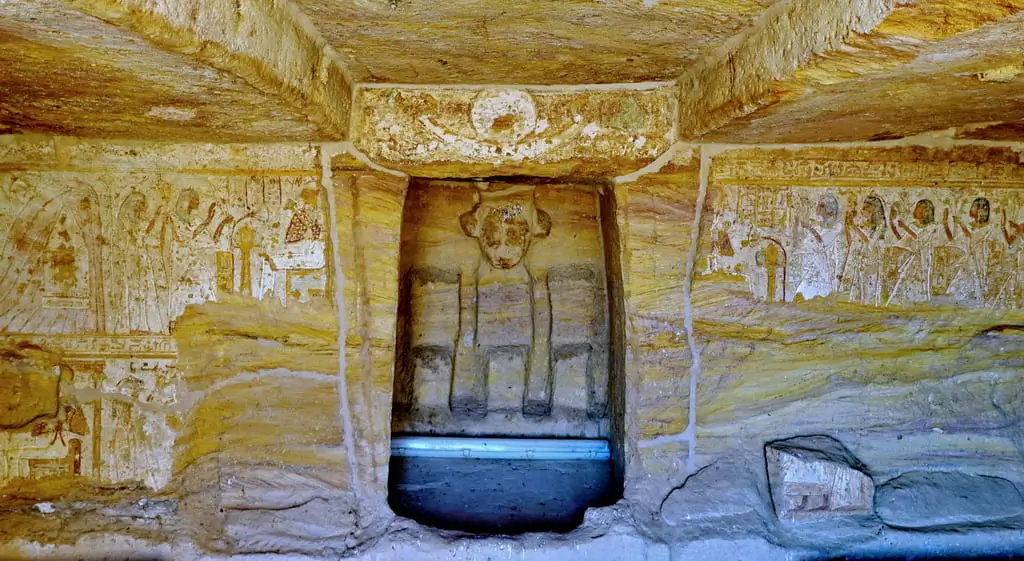
When you enter the tomb, you find yourself in a wide, rectangular room. This hall served as the main chapel for visitors and priests. The walls here carry the most significant historical data, including the famous land donation records.

The Statue Niche

At the center of the rear wall, a deep niche houses three rock-cut statues. Although time has worn the stone, these figures represent:

  1. Pennut (The deceased)
  2. Horus of Miam (The local protector god)
  3. A third deity (Possibly Hathor or another form of Horus)

The Burial Shaft

Unlike the decorated upper chapel, the actual burial chamber sits at the bottom of a vertical shaft. This lower area was purely functional. It held the sarcophagus and funerary goods intended for use in the afterlife. During the relocation to Amada, the upper chapel was the primary focus of the rescue, preserving the artistry for future generations.

Aswan Botanical Garden: A Peaceful Paradise on Kitchener’s Island

Escape to the Aswan Botanical Garden, a floating, green paradise on the historic Kitchener's Island....
Related post
FUN

The Masterpiece of Reliefs: Scenes and Symbols

The Masterpiece of Reliefs Scenes and Symbols

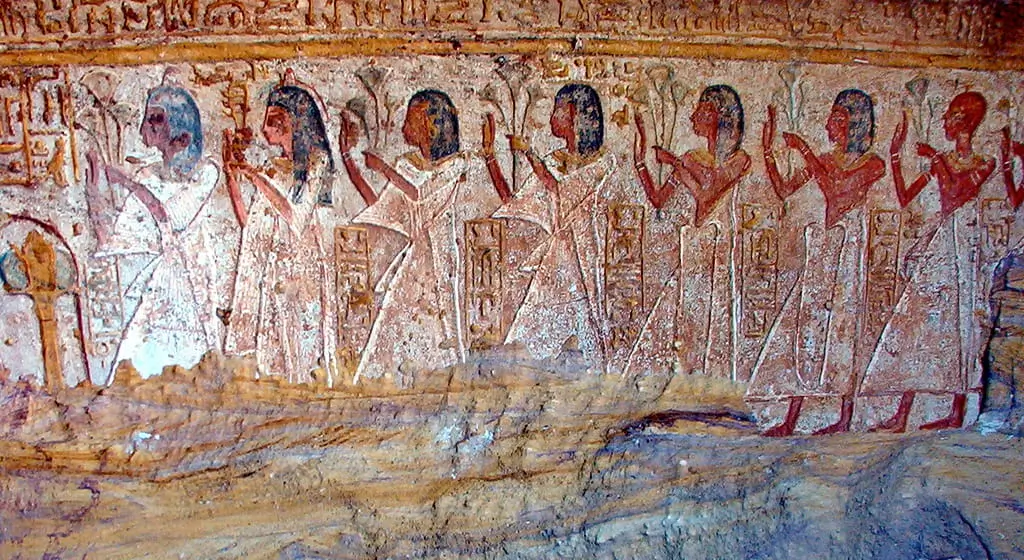
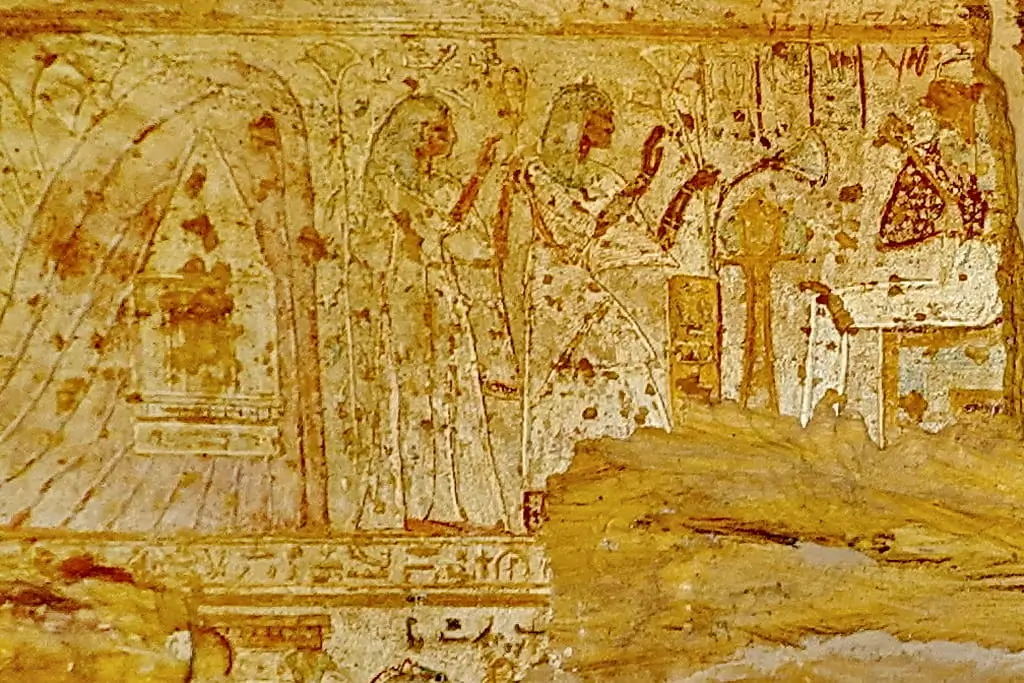
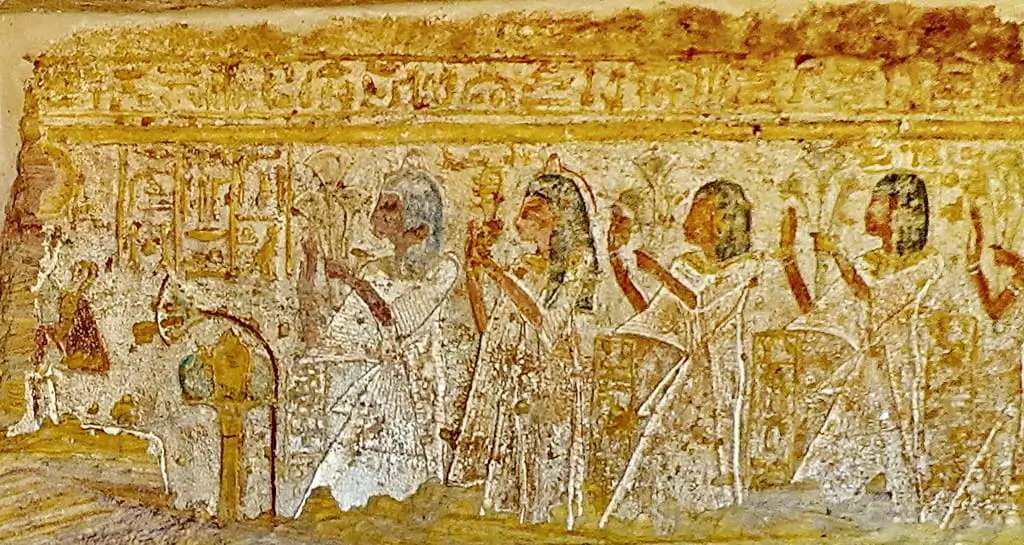
The wall decorations within the Tomb of Pennut represent a high point in provincial Egyptian art. Despite the tomb’s distance from the royal capital, the quality of the craftsmanship remains exceptional. The scenes primarily focus on the transition from the physical world to the spiritual realm.

The Weighing of the Heart

One of the most famous scenes in the tomb depicts the “Judgment of the Dead.” In this register, we see Pennut standing before the scales of justice. The god Anubis weighs Pennut’s heart against the feather of Ma’at, which represents truth and cosmic order. The ibis-headed god, Thoth, stands nearby to record the verdict. If the heart is lighter than the feather, Pennut may enter the “Field of Reeds,” the Egyptian version of paradise.

The Opening of the Mouth Ceremony

Another critical section of the wall depicts the funerary rituals performed on Pennut’s mummy. Priests use specialized tools to symbolically “open” the eyes, ears, and mouth of the deceased. This ritual ensures that Pennut can breathe, speak, and eat in the afterlife. The presence of these scenes confirms that Pennut followed the strict religious protocols of the Egyptian elite.

The Land Donation Inscription: A Historical Archive

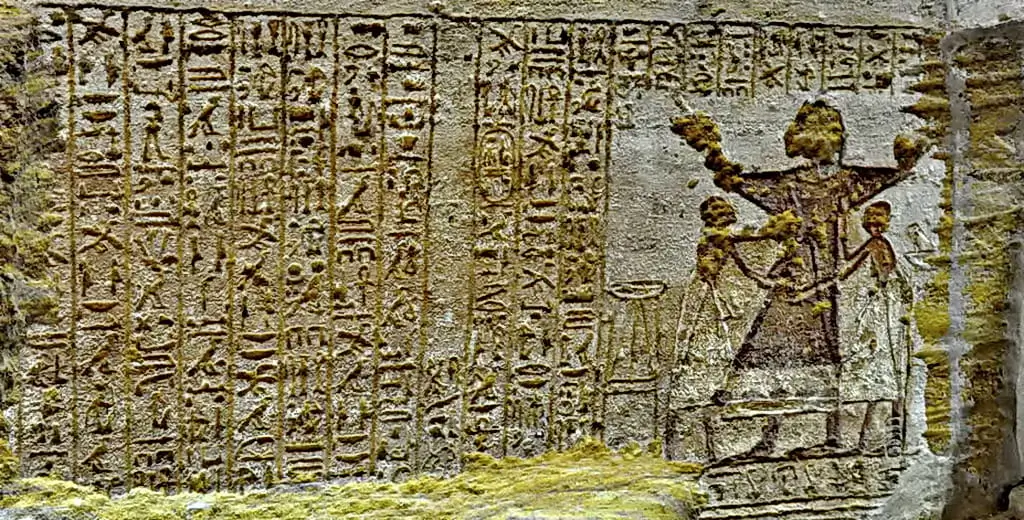
Perhaps the most valuable feature of the tomb is a long hieroglyphic text known as the Land Donation Inscription. This text is not religious; it is a legal and economic document carved into stone.

Economic Insights

The inscription records a gift of land that Pennut made to support a cult statue of Ramesses VI. It lists several key details that fascinate modern historians:

  • Land Measurements: The text provides specific dimensions of the donated fields.
  • Yield Expectations: It calculates the amount of grain the land should produce annually.
  • The Beneficiaries: It names the priests and officials responsible for managing the income from this land to maintain the King’s statue.

Political Loyalty

This inscription served as a permanent record of Pennut’s loyalty to the Pharaoh. By dedicating land and resources to the King’s cult, Pennut secured his family’s status. This text provides rare evidence of how the Egyptian state managed its economy in the occupied territories of Nubia. It proves that the administration was highly organized, even during the later years of the New Kingdom.

Qubbet el-Hawa: The Complete Guide to Aswan’s City of the Dead

Qubbet el-Hawa stands as a monumental archive carved into the sandstone cliffs of Aswan. As...
Related post
FUN

The Statues of the Inner Niche

The Statues of the Inner Niche

At the rear of the chapel, the “Holy of Holies” contains three statues carved directly into the rock. While erosion has softened their features, their presence remains powerful.

  • The Central Figure: This statue represents the local god, Horus of Miam.
  • The Side Figures: One statue represents Pennut himself, and the other likely represents his wife, Adjetat.

By placing himself among the gods, Pennut ensured his eternal presence within the divine world. These statues acted as a backup for his physical body; if his mummy were ever destroyed, his spirit could reside within these stone images to receive offerings.

Research Note: When viewing these statues, look for the faint traces of red and yellow pigment. These remnants suggest that the entire niche was once brightly painted to create a lifelike and vibrant environment for the spirit.

The UNESCO Rescue Mission: A Modern Odyssey

The UNESCO Rescue Mission A Modern Odyssey

The Tomb of Pennut would not exist today without the International Campaign to Save the Monuments of Nubia. In the late 1950s, the construction of the Aswan High Dam threatened to submerge thousands of years of history. The rising Nile waters posed an immediate danger to the monuments of Lower Nubia, including the cliffs of Aniba.

Saving a Masterpiece from the Depths

In 1960, UNESCO issued an urgent appeal to save these treasures. While the world focused on the Great Temple of Abu Simbel, the Tomb of Pennut remained a high priority due to its unique historical records. Between 1964 and 1965, a dedicated team of engineers and archaeologists began the delicate task of moving the tomb.

The rescue involved several complex steps:

  • Precise Cutting: Experts used specialized saws to cut the rock-cut chapel into large, manageable blocks.
  • Documentation: Before moving a single stone, teams mapped every relief and inscription to ensure perfect reassembly.
  • Transport: Trucks moved these massive stone sections over 40 kilometers through the desert.

The New Amada Site

The team chose New Amada as the permanent home for Pennut’s chapel. This site sits on higher ground, well above the final water level of Lake Nasser. Engineers reconstructed the tomb within a protective masonry shell to mimic its original cliffside setting.

Today, the tomb sits near two other rescued structures: the Temple of Amada and the Temple of Derr. This “new” archaeological park allows visitors to see three distinct styles of New Kingdom architecture in one location. The move was a triumph of modern engineering. It preserved Pennut’s legacy for the 21st century rather than leaving it at the bottom of a lake.

Why Pennut’s Legacy Endures

The Tomb of Pennut is more than just a burial site; it is a bridge between two worlds. It connects the high-stakes politics of the 20th Dynasty with the incredible conservation efforts of the modern era.

For the historian, the tomb provides essential data on the Egyptian administration of Wawat. Art lovers, this tomb offers a glimpse of the refined “Theban” style in a remote provincial outpost. For the traveler, it stands as a quiet, powerful monument to human persistence.

As you stand within the cool, dim chambers of the chapel today, you are witnessing a miracle of preservation. Pennut built his tomb to last for eternity, and thanks to an international effort, that wish remains a reality.

Elephantine Island: The Ultimate Guide to Aswan’s Ancient Nile Jewel

Discover Elephantine Island, the historic heart of Aswan and its oldest inhabited area. This fascinating...
Related post
FUN

Visitor Guide: Tips for Exploring the Tomb

Visitor Guide Tips for Exploring the Tomb

  • How to Get There: The site is a standard stop for Lake Nasser cruises. You can also reach it via a private boat from the Aswan area, though this requires more planning.
  • What to Bring: Carry a powerful flashlight. The fine details of the Land Donation Inscription and the subtle colors of the Weighing of the Heart scene require direct light to be appreciated fully.
  • Photography: Photography is usually permitted, but you should always check with the local site guards. Avoid using a flash to protect the ancient pigments.
  • Timing: Visit in the early morning or late afternoon. The desert heat at New Amada can be intense, and the low sun provides excellent natural light for the temple exteriors nearby.

Key Takeaways: The Tomb of Pennut at a Glance

To wrap up this pillar article, here are the essential facts and historical highlights that make the Tomb of Pennut a cornerstone of Egyptian-Nubian history.

  • Elite Status: Pennut was the Deputy of Wawat and Steward of Horus during the reign of Ramesses VI. His tomb reflects the high status of the provincial administration in Lower Nubia.
  • A Geographic Survivor: Originally located at Aniba (the capital of Miam), the tomb was one of the few non-royal structures saved by UNESCO in the 1960s. It now rests at the New Amada site.
  • Legal Significance: The tomb contains the famous Land Donation Inscription, a rare 20th-Dynasty legal text detailing an endowment of land to maintain a royal cult statue.
  • Artistic Blend: The reliefs represent a transition of the New Kingdom “Theban” style into a Nubian context, featuring iconic scenes like the Weighing of the Heart and the Opening of the Mouth ceremony.
  • Architectural Layout: It follows a classic T-shaped rock-cut design, consisting of a transverse hall and a central niche containing rock-cut statues of Pennut and local deities.

Quick Facts Table

Feature Detail
Owner Pennut (Deputy of Wawat)
Era 20th Dynasty (approx. 1140 BCE)
Original Location Aniba (Ancient Miam)
Current Location New Amada (Relocated 1964)
Key Deity Horus, Lord of Miam
Primary Material Nubian Sandstone
Discover wonders in Cairo and Luxor, then go to Hurghada....
A dream worth living and remembering with your family....
FUN
God_Anubis_Icon

Great layover Tour!!

I had an excellent layover tour with Hani. He is knowledgable, fun, and passionate about his city. I went for a tour of the pyramids, sphinx, and to a papyrus factory which were all great. Ask him any question about Egyptian history and he will surely know the answer! Also

More »

Amazing tour to the pyramids of Sakkara and Dahshur

This week we had a great tour with Mohamed to the pyramids of Sakkara and Dahshur, as well as Memphis. He tailored the tour to our preferences, took a lot of time with us, and gave us detailed background information on everything. It was also great that he never tired

More »

Day Trip to Alexandria

An enjoyable drive from Cairo to Alexandria. It was an enriching trip. I learnt so much history about the ancient civilisation. The tour guide explained the history of each site we visited. There is so much to see. I would definitely highly recommend visiting Alexandria. It’s rich in history. The

More »

AMAZING Layover Tour

We had the MOST amazing layover tour with Egypt Fun Tours. Hanni was amazing, and we loved every moment. Pyramids, authentic food, and Islamic Cairo – amazing!

More »
God_Anubis_Icon

Top-rated Tour Packages

God_Anubis_Icon