Sehel Island: Unlocking the Secrets of the Famine Stela

Sehel Island remains a vital link to Egypt’s administrative and spiritual past. Its granite boulders preserve a unique "open-air library" that high-speed modern life cannot erase. By bridging the ancient records of the Famine Stela with the vibrant traditions of the modern Nubian community, the island offers a complete picture of Nile Valley history. Visitors do not just see ruins; they walk through a living archive where every stone tells a story of survival, faith, and human ambition. As a site where the desert meets the river's power, Sehel stands as an essential destination for anyone seeking the authentic heart of Aswan.

The Island of Whispering Stones

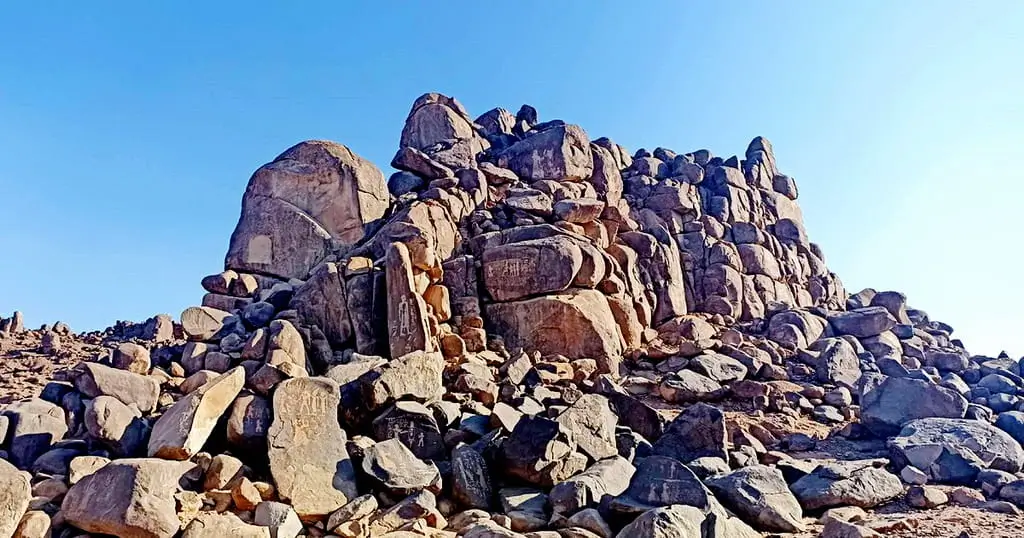
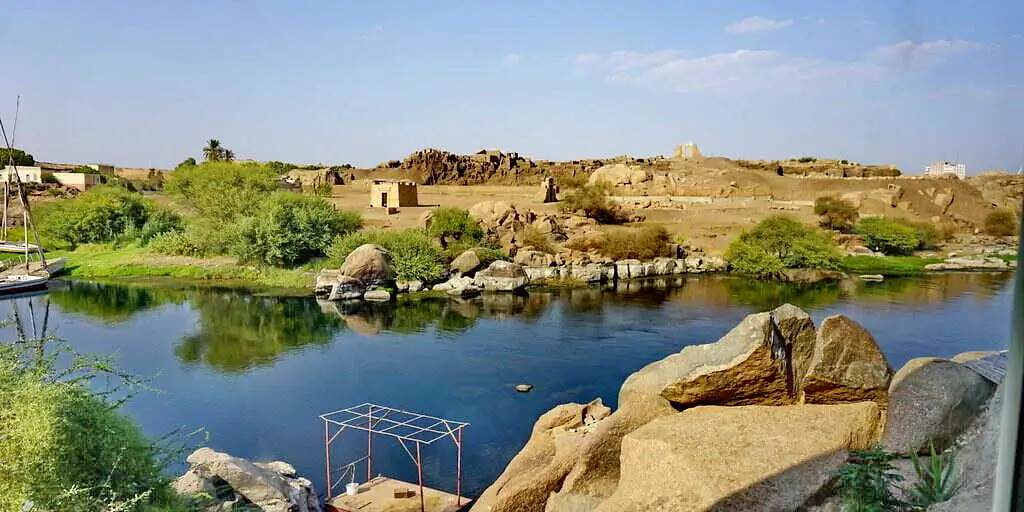
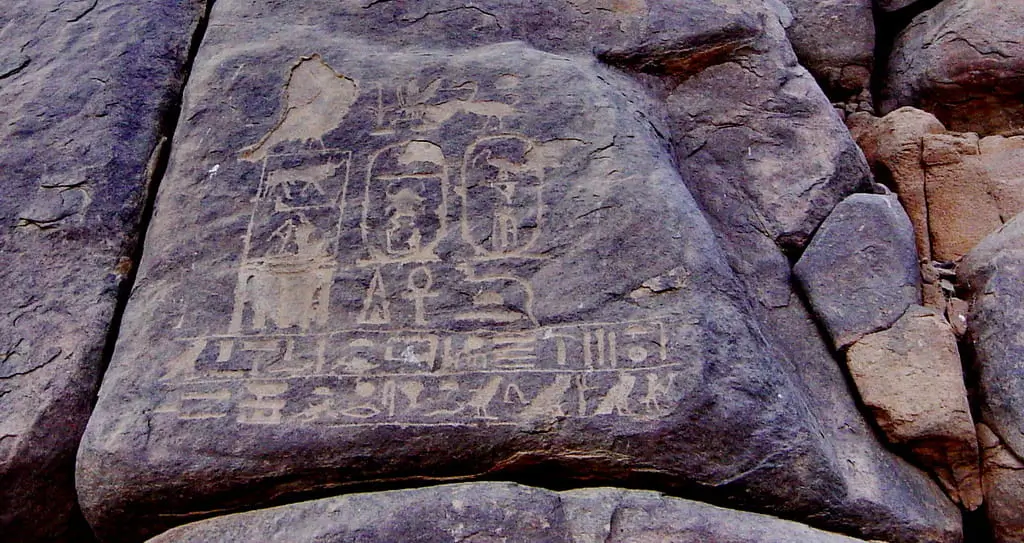
Sehel Island (Jazīrat Sahel) sits roughly 4 kilometers south of Aswan. It rests just below the First Cataract of the Nile. This island offers a rugged and intimate encounter with antiquity. It differs greatly from the lush gardens of Kitchener’s Island or the massive stones of Philae. Massive granite boulders define the landscape here. These stones served as a permanent “guestbook” for ancient travelers, officials, and kings for over three thousand years.

A Gateway to the South

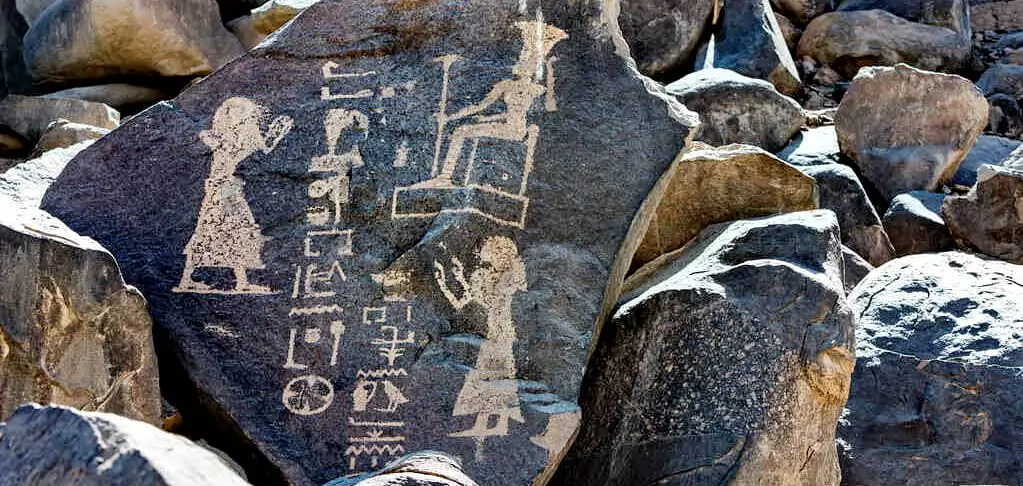
Ancient Egyptian expeditions made Sehel Island their first stop when heading south into Nubia. Travelers faced the dangerous rapids of the First Cataract. They carved prayers, thanks, and achievements into the hard granite before or after their journeys. Today, the island preserves more than 250 inscriptions. These carvings date from the Middle Kingdom through the Ptolemaic period.

Sehel Island: A Historical Archive
Sehel Island A Historical Archive

Historians view the island as a vital archive of colonial expansion and religious devotion. Travelers find it to be one of the most peaceful spots in the Nile Valley. This “open-air library” provides a unique look at the spiritual life of ancient Egypt. We will explore the site’s epigraphy and the theology of the Cataract gods. This guide also covers the vibrant Nubian culture thriving on the island today. You can read the history of Egypt directly from the rocks themselves.
FUN

Sehel Island: The Crown Jewel (The Famine Stela)

Sehel Island The Crown Jewel (The Famine Stela)

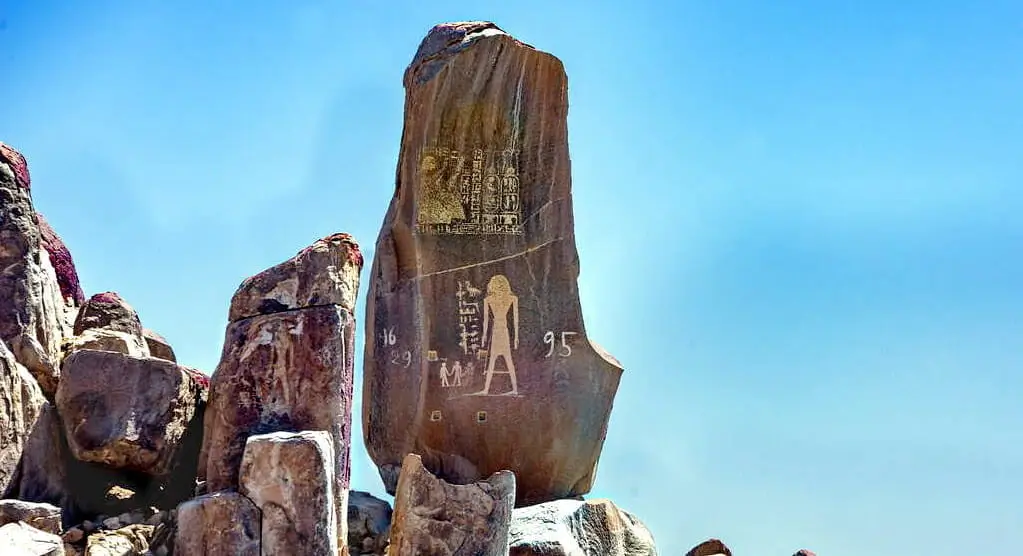
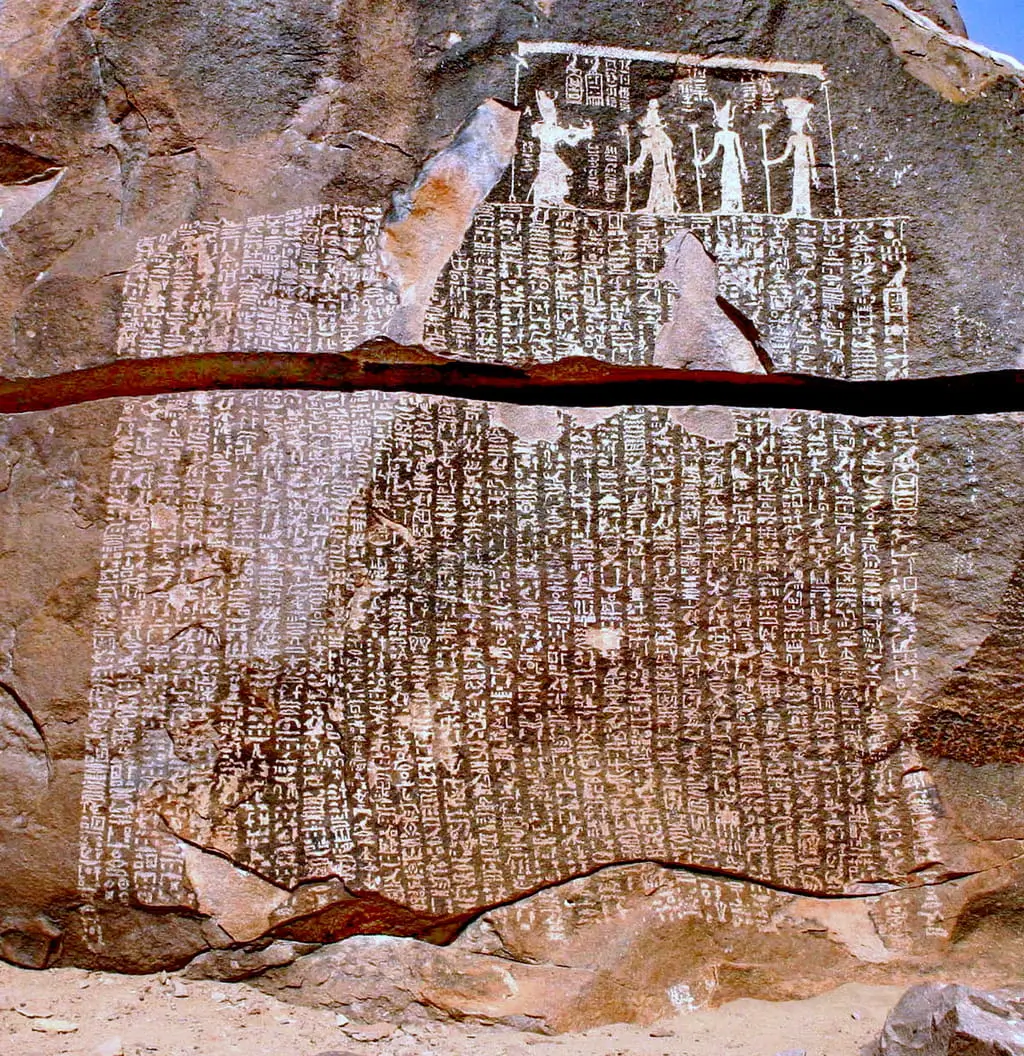
The most famous inscription on Sehel Island is the Famine Stela. It sits on the highest point of the island’s southern hills. This massive carving dates to the Ptolemaic Dynasty. However, the text describes events from the reign of King Djoser during the 3rd Dynasty. He is the famous builder of the Step Pyramid.

The Story of the Seven-Year Drought

The stela records a desperate time in Egyptian history. It describes a seven-year period where the Nile failed to flood properly. This caused massive famine across the land. King Djoser felt deep concern for his people. He turned to his brilliant vizier, Imhotep, for help. Imhotep researched ancient records to find a solution. He discovered that the god Khnum controlled the Nile’s waters from the caverns of Elephantine.

A Divine Solution

The inscription tells how Khnum appeared to the King in a dream. The god promised to return the flood waters to Egypt. In exchange, he demanded that the King restore his temples. Djoser also had to grant land to the priesthood of Khnum. The King followed these instructions, and the famine finally ended.

Historical Significance

Modern historians often debate the accuracy of this record. The text was carved thousands of years after Djoser’s reign. Many believe it served as religious propaganda for the priests of Khnum. Regardless of its origin, the stela remains a masterpiece of Egyptian literature. It highlights the eternal link between the Pharaoh and the natural world.

FUN

Sehel Island: The Rock Library of the Viceroys

Sehel Island The Rock Library of the Viceroys

The boulders of Sehel Island do not just hold religious texts. They serve as a massive administrative archive for ancient Egypt’s southern interests. Many inscriptions belong to the Viceroys of Kush. These powerful officials governed the territories south of Aswan on behalf of the Pharaoh.

Recording Royal Missions

High-ranking officials left their marks on these rocks to document successful missions. They often carved their names and titles near the top of the southern hills. These records detail the transport of massive granite blocks for royal obelisks and statues. Some inscriptions even describe the digging of canals. These waterways allowed heavy transport ships to bypass the dangerous rapids of the First Cataract.

The Epigraphic Landscape

Walking through the site reveals a complex “Rock Library.” You can find inscriptions that date back to the Middle Kingdom. These early carvings often show a simpler style than the later New Kingdom versions. The carvings offer historians a timeline of Egyptian expansion. Each stone tells a story of a general, a scribe, or a governor who traveled through this gateway.

A Testament to Authority

These inscriptions served a dual purpose. They functioned as prayers to the gods for safe passage. They also acted as political markers. By carving their achievements into the granite, officials solidified their legacy. They ensured that every traveler following them would know of their service to the crown. This practice turned Sehel Island into one of the most concentrated collections of historical data in the Nile Valley.

Aswan Botanical Garden: A Peaceful Paradise on Kitchener’s Island

Escape to the Aswan Botanical Garden, a floating, green paradise on the historic Kitchener's Island....
Related post
FUN

Sehel Island: The Theology of the Cataract Gods

Sehel Island The Theology of the Cataract Gods

Ancient Egyptians viewed the First Cataract as a place of immense spiritual power. Three specific deities watched over this turbulent stretch of the river. Historians call them the Triad of the Cataract.

Khnum: The Divine Potter

The ram-headed god Khnum stands at the center of this triad. Egyptians believed he sat within a hidden cavern at Elephantine. From there, he controlled the annual Nile flood with his foot. He did not just regulate the water; he also shaped human beings on his potter’s wheel. His presence on Sehel Island reminded travelers that their life and their food depended on his favor.

Satet: The Personification of the Flood

The goddess Satet accompanied Khnum. She represented the inundation of the Nile. She often appears wearing the crown of Upper Egypt with antelope horns. Her role involved purifying the water as it entered Egypt from the south. Travelers prayed to her to ensure the river remained clean and plentiful.

Anuket: The Goddess of the Rapids

The third member of the triad is Anuket. She wore a distinctive feather headdress. She specifically guarded the dangerous rapids and the islands of the cataract. Her name literally means “The Embracer.” She symbolized the way the river arms “embrace” the islands of Aswan. Sailors offered her special devotion to navigate the rocks of Sehel safely.

Religious Continuity

These three gods appear throughout the island’s inscriptions. From the Middle Kingdom to the Ptolemaic era, their importance remained constant. The Famine Stela highlights how much the King relied on their goodwill. Even as rulers changed, the spiritual significance of the cataract triad stayed the same. They represented the vital link between the desert, the river, and the survival of the people.

Exploring Gebel el-Silsila: Why This Hidden Nile Gem is a Must-Visit

Gebel el-Silsila was the essential sandstone quarry for Egypt's greatest New Kingdom temples. However, it...
Related post
FUN

The Living Heritage: Sehel’s Nubian Villages

The Living Heritage Sehel’s Nubian Villages

The modern identity of Sehel Island belongs to its thriving Nubian community. Visitors walk through these villages to reach the archaeological sites. These settlements provide a colorful contrast to the grey granite boulders of the island.

  • Vibrant Architecture: Village homes feature traditional Nubian vaulted roofs.
  • Color Palettes: Residents paint their houses in brilliant shades of sky blue, ochre, and white.
  • Cultural Continuity: The local people maintain a deep connection to the Nile through fishing and agriculture.
  • Handicrafts: Local women often weave intricate baskets and create beaded jewelry to sell to visitors.
  • Authentic Hospitality: Many travelers receive invitations to sit for mint tea or traditional gabana coffee in local homes.

Abu Simbel: The Ultimate Must-See Temples of Ramesses II

An epic "must-do" from Aswan! Visit Abu Simbel to see the four colossal statues of...
Related post
FUN

A Sample Itinerary: Sehel Island and the Nile

A Sample Itinerary Sehel Island and the Nile

Combining a visit to Sehel Island with a broader Nile exploration creates a perfect day trip. This plan allows you to enjoy the river’s natural beauty and its ancient history.

  • 02:30 PM | Departure from Aswan: Board a felucca or motorboat from the Aswan Corniche. A sail by felucca takes about 45 to 60 minutes, depending on the wind.
  • 03:15 PM | Village Walk: Arrive at the Sehel dock. Walk through the Nubian village toward the southern hills. Use this time to observe the local crafts and architecture.
  • 03:45 PM | The Southern Hills: Hike to the highest point to see the Famine Stela. Spend time exploring the surrounding “Rock Library” of the Viceroys.
  • 05:00 PM | Sunset Sail: Board your boat for the return journey. The late afternoon light provides excellent views of the Cataract islands and the Aga Khan Mausoleum in the distance.

Essential Travel Tips

  • Footwear: Wear sturdy, closed-toe shoes. The path to the inscriptions involves climbing over uneven granite rocks.
  • Lighting: Visit in the late afternoon. The low sun highlights the shallow carvings, making them much easier to read and photograph.
  • Cash: Bring small bills in Egyptian Pounds (EGP). You will need them for the boat captain, local handicrafts, and village hospitality.
  • Modesty: Follow local customs by wearing clothing that covers the shoulders and knees when walking through the village.
7-Day Honeymoon Tour Package exploring Cairo and Hurghada...
DIscover the Nile River and the Red Sea Charming activities....
FUN
God_Anubis_Icon

Great guided tour of pyramids

We travelled to Cairo on Friday, May 3, 2019, from Toronto. We landed at 0530 and were met by a representative of Fun Tours at the departure gate. We were only on a layover of 6 hours, and the tour company came with a private van, water, a driver, and

More »

Cairo Day Trip

Great trip organised. I had a 12-hour layover in Cairo and had a great time with Sherif, who answered every question I had on ancient Egypt. Highly recommend.

More »

Great layover Tour!!

I had an excellent layover tour with Hani. He is knowledgable, fun, and passionate about his city. I went for a tour of the pyramids, sphinx, and to a papyrus factory which were all great. Ask him any question about Egyptian history and he will surely know the answer! Also

More »

My Dream Came True

I had waited 60 years to get to Egypt; in fact, it was my 60th birthday gift to myself. I went with my oldest daughter, and the experience was excellent. It was meticulously planned by the tour company and was designed for me and my daughter. I never had a

More »

Great layover tour

First things first…I was in Cairo about a week before the protests of 2011 started. As far as the tour was concerned, I was very pleased. I was met at the airport by a knowledgeable guide (Sara) who spoke great English and a driver. They took me to Giza first,

More »
God_Anubis_Icon

Top-rated Tour Packages

God_Anubis_Icon