Twenty-second Dynasty: The Libyan Pharaohs and the Revival of Empire

The Twenty-second Dynasty of Egypt (c. 945–711 BCE) began when Meshwesh Libyan military leaders peacefully claimed the throne, choosing to champion traditional Egyptian culture rather than destroy it. Shoshenq I immediately restored Egypt's international military power by launching a famous campaign into the Levant and carving his victories onto the Bubastite Portal at Karnak. Later pharaohs like Osorkon I and Osorkon II used this vast wealth to fund massive architectural projects and accumulate the breathtaking treasures discovered in the royal tombs at Tanis. Eventually, deep tribal rivalries split the country into competing regional factions, yet the dynasty left a lasting legacy of cultural resilience and artistic revival.
The eye of Horus
WhatsApp
Email
Print

For generations, the fertile lands of the Nile Delta quietly shifted. Meshwesh Libyan chieftains originally arrived as prisoners of war or settled as elite military mercenaries. Over time, they steadily integrated into the highest echelons of Egyptian society. Consequently, this gradual cultural synthesis culminated in a stunning, bloodless coup d’état. When the last pharaoh of the 21st Dynasty passed away without a direct heir, a powerful Libyan military commander named Shoshenq I seized the throne. As a result, he launched the magnificent Twenty-second Dynasty of Egypt (c. 945–711 BCE).

These “Libyan Pharaohs” did not act as a foreign occupation force, nor did they dismantle native traditions. Instead, they ruled as fierce champions of traditional Egyptian culture. Furthermore, they adopted the classic titles of the New Kingdom and bound their legitimacy directly to the supreme god Amun. Therefore, this energetic era shattered the isolation of the early Third Intermediate Period. Soon, these rulers launched Egypt back onto the world stage through aggressive military campaigns into the Levant, which included the legendary sacking of Jerusalem. In addition, they sparked a dramatic renaissance of monumental architecture, which artists best immortalized on the towering walls of the Bubastite Portal at Karnak. Ultimately, this is the definitive story of an age defined by martial prowess, immense wealth, and the complex tribal politics that eventually sowed the seeds of a deeply fragmented empire.
Divider

The Meshwesh: From Mercenaries to Monarchs of the Twenty-second Dynasty of Egypt

The Meshwesh From Mercenaries to Monarchs of the Twenty-second Dynasty of Egypt

Historically, the Libyans and the Egyptians maintained a complex relationship for centuries. During the New Kingdom, pharaohs like Ramesses III fought bitter wars against the western nomadic groups, specifically the Meshwesh. Eventually, the Egyptian military settled thousands of these captured Libyan warriors in the eastern Nile Delta. Over generations, these settlers transformed from prisoners of war into elite military mercenaries. Consequently, they gained significant political leverage and paved the way for the rise of the Twenty-second Dynasty of Egypt.

Furthermore, these prominent families did not remain outsiders. Instead, they adopted Egyptian names, married into the local nobility, and embraced traditional religious practices. By the end of the 21st Dynasty, the Meshwesh chiefs held the most powerful military titles in the north. Therefore, when Pharaoh Psusennes II died without a male heir, Shoshenq I did not need to wage a bloody war. He simply used his massive military backing to peacefully establish the historic Twenty-second Dynasty of Egypt.

Shoshenq I: Resurgence of Empire and the Sacking of Jerusalem

Recent Revelations The 2025 Shoshenq III Discovery

Once he secured the throne, Shoshenq I immediately revived Egypt’s aggressive foreign policy. During the New Kingdom, Egypt had dominated the Levant, but the country lost its grip on international territories during the collapse of the 21st Dynasty. Shoshenq I sought to reclaim this lost glory. Consequently, he launched a massive military campaign into Israel and Judah around 925 BCE, which historians consider the first major overseas Egyptian campaign in centuries.

Furthermore, this campaign achieved legendary status through both archaeological records and biblical texts. In the Hebrew Bible, Shoshenq I is famously recorded as “Pharaoh Shishak.” According to these accounts, Shishak swept through the region and marched directly onto Jerusalem. Instead of destroying the city entirely, he looted the Temple of Solomon and carried away its immense gold treasures. Therefore, this strategic campaign instantly restored Egypt’s fearsome military reputation and infused the royal treasury with incredible wealth.

Golden Scarab

The Bubastite Portal: Carving Triumph into Karnak Temple

The Bubastite Portal Carving Triumph into Karnak Temple

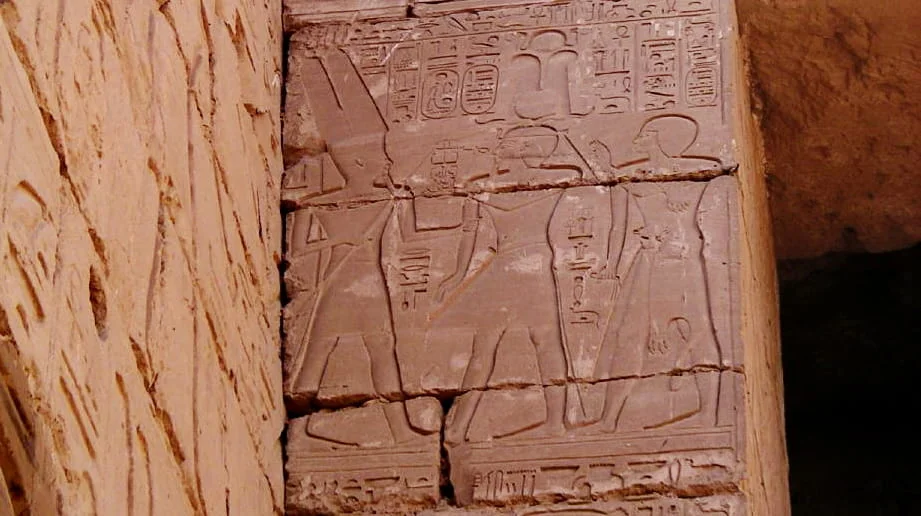
To celebrate his victorious campaigns, Shoshenq I financed massive building projects across Egypt. Most notably, he ordered the construction of the Bubastite Portal. Workers built this monumental gate into the side of the great Temple of Amun at Karnak. Today, this architectural marvel still stands as a vital historical record of the Twenty-second Dynasty of Egypt.

Furthermore, the reliefs on the Bubastite Portal serve a dual purpose. They act as both political propaganda and deeply religious art. The carvings show the supreme god Amun holding a crowd of bound foreign prisoners. Next to the god, Shoshenq I smites his enemies with a giant mace. In addition, the monument lists over 150 towns that the pharaoh conquered during his Levant campaign. Therefore, this stunning gateway permanently carved the military revival of the Twenty-second Dynasty of Egypt into the sacred heart of Thebes.

The Successors of Shoshenq I: Wealth, Gold, and Deep Stability

Tanis Treasures The Undiscovered Masterpieces of Ancient Egypt

Following the death of Shoshenq I, his son Osorkon I ascended the throne. He inherited a phenomenally wealthy kingdom, largely thanks to the spoils of his father’s Levant campaigns. Consequently, Osorkon I focused his energy on domestic prosperity rather than foreign military conquests. He poured massive amounts of gold and silver into Egypt’s temples. Most notably, his spectacular donations to the temples at Bubastis and Heliopolis totaled hundreds of thousands of pounds of precious metals.

Furthermore, this immense wealth allowed the early Twenty-second Dynasty of Egypt to enjoy a golden age of stability. When Osorkon I’s son, Takelot I, eventually took power, he successfully maintained this peace despite rising regional tensions. The early pharaohs of this Libyan line expertly secured their borders and patronized the priesthood. Therefore, they proved that their dynasty could match the architectural and cultural grandeur of Egypt’s traditional native kingdoms.

The eye of Horus

Osorkon II and the Royal Tombs of Tanis

Osorkon II and the Royal Tombs of Tanis

As the Twenty-second Dynasty of Egypt progressed, Pharaoh Osorkon II took the throne and launched an ambitious architectural program. He focused heavily on the eastern Nile Delta, transforming the city of Bubastis into a magnificent royal residence. In addition, Osorkon II built extensively at Tanis, constructing a monumental court and a massive granite gateway to honor the god Amun. His reign marked the absolute peak of Libyan artistic achievement and political influence in the region.

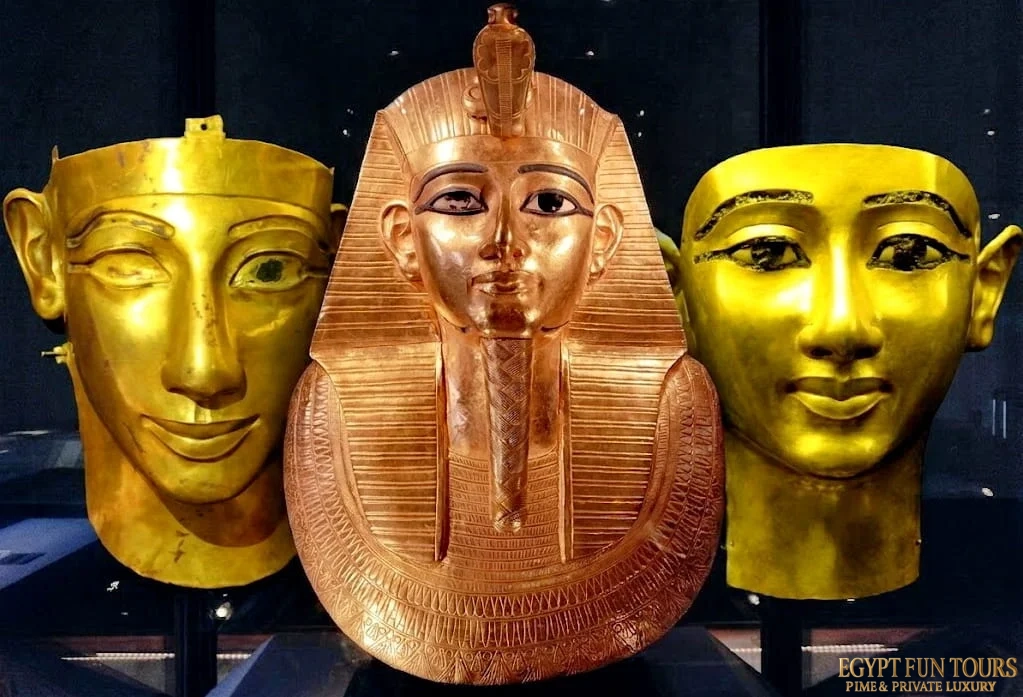
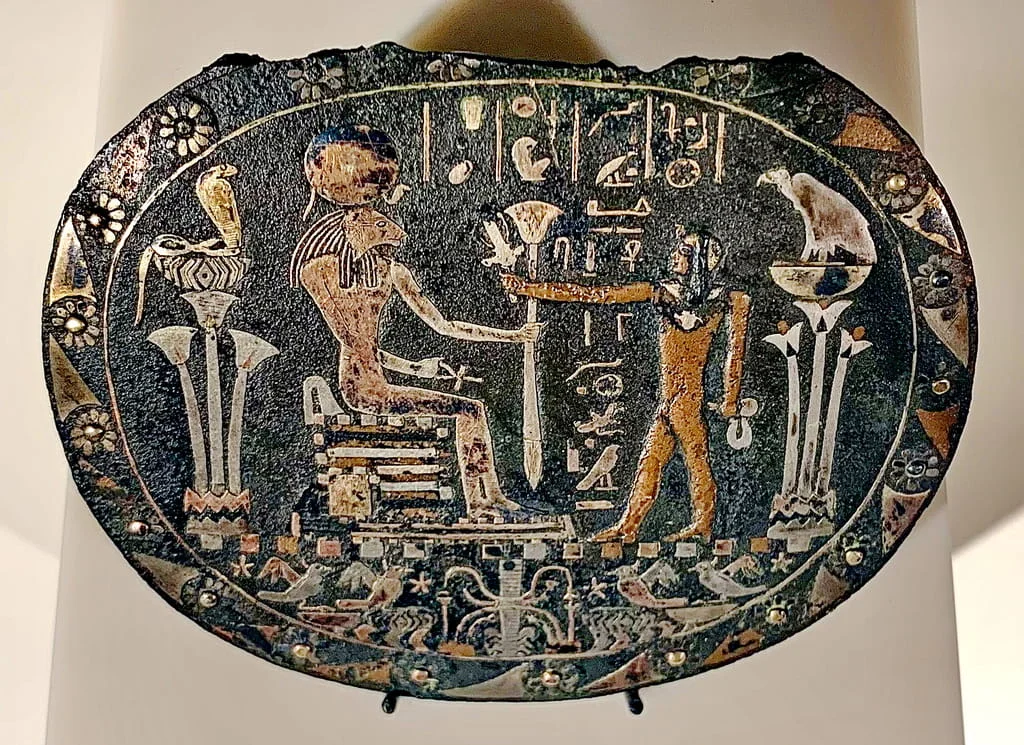
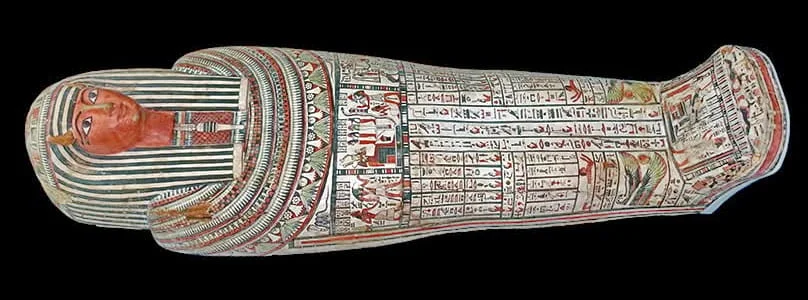
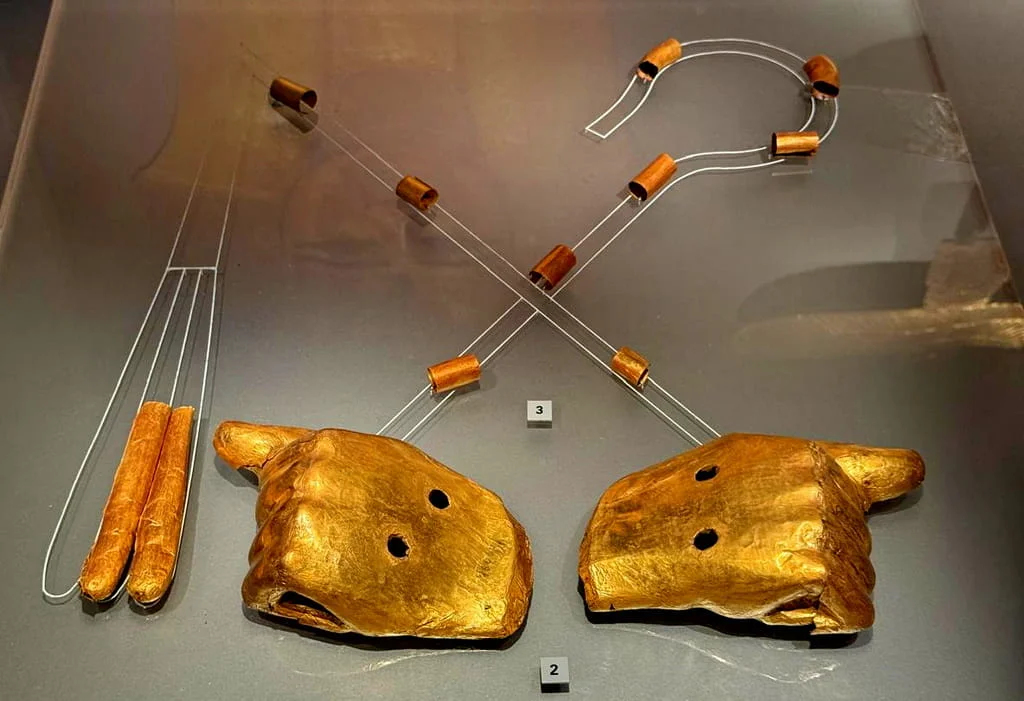
Furthermore, modern archaeology has revealed the incredible wealth of this specific pharaoh. Archaeologists excavating the royal necropolis at Tanis discovered Osorkon II’s spectacular, intact tomb. Inside, they found breathtaking gold jewelry, a massive silver coffin, and exquisite protective amulets. Therefore, these unparalleled archaeological discoveries proved that the rulers of the Twenty-second Dynasty of Egypt possessed artisan skills and material riches that rivaled the legendary treasures of the New Kingdom.

Divider

The Seeds of Division: Shoshenq III and the Rise of Competing Dynasties

The Seeds of Division Shoshenq III and the Rise of Competing Dynasties

Eventually, the centralized authority of the Twenty-second Dynasty of Egypt began to fracture. During the long reign of Shoshenq III, deep-seated tribal rivalries and regional ambitions resurfaced among the Delta chieftains. Consequently, local leaders started asserting their independence from the main royal court at Tanis. This internal friction reached a critical tipping point when a rival claimant named Pedubast I declared himself king in the city of Thebes.

Furthermore, this bold political move created a confusing dual-kingship. For the first time, two pharaohs ruled simultaneously within the borders of Egypt. Therefore, the unity that Shoshenq I had fought so hard to establish was completely shattered. This severe fragmentation drained the military power of the Twenty-second Dynasty of Egypt. In addition, it left the once-mighty nation deeply vulnerable to rising foreign empires, signaling the final decline of this great Libyan era.

The eye of Horus

The Legacy of the Twenty-second Dynasty of Egypt: Resilience and Revival

The Legacy of the Twenty-second Dynasty of Egypt Resilience and Revival

Ultimately, the Twenty-second Dynasty of Egypt redefined the political landscape of the Third Intermediate Period. These Libyan rulers proved that foreign heritage could merge seamlessly with ancient pharaonic traditions. Through the military genius of Shoshenq I, the architectural ambition of Osorkon II, and the incredible craftsmanship found at Tanis, they revived Egypt’s international prestige. They did not destroy Egyptian culture; instead, they protected it and infused it with new martial energy.

Even though internal tribal politics eventually fragmented their empire, their achievements left an indelible mark on history. The massive reliefs at Karnak and the golden treasures of the Delta tombs stand as permanent testaments to their greatness. Therefore, the Twenty-second Dynasty of Egypt remains a brilliant chapter of resilience, demonstrating how a dynamic warrior elite could successfully hold the double crown and restore the grandeur of the Nile.

Divider
A Royal Commission The History of Al-Rifa'i Mosque

Highly recommended

Salam, This company is very responsive and accommodating. From the moment we started to chat via email, to the moment we left Egypt at the airport, these fellows were very professional. The tour covered most of what we wanted to see! We customized it to our needs and added some

More »

Excellent Tour

Really excellent tour from Mohamed, and we learned so much about Egypt and went to places we never would have found as tourists at home. My girlfriend had a 12 hour stop over on the way to Ethiopia and it was the perfect way to see Cairo. I hope people

More »

11 Wonderful Hours in Cairo

I had an 11 hour layover in Cairo, and it couldn’t have been better spent than with Manal from Egypt Fun Tours. I was able to adjust my tour once we left the airport and Manal had some really great suggestions when I told her what it was I wanted

More »

Day Trip to Alexandria

An enjoyable drive from Cairo to Alexandria. It was an enriching trip. I learnt so much history about the ancient civilisation. The tour guide explained the history of each site we visited. There is so much to see. I would definitely highly recommend visiting Alexandria. It’s rich in history. The

More »

Perfect layover Tour

I had a 10 hour layover in Cairo so booked a tour with Hani at Egypt Fun Tours. The tour was brilliant. I saw exactly what I wanted to see during the day which included the pyramids, Sphinx, Egyptian museum and the Bazaar. Hani was very knowledgeable and was the

More »
God_Anubis_Icon

Top-rated Tour Packages

God_Anubis_Icon
WhatsApp
Email
Print