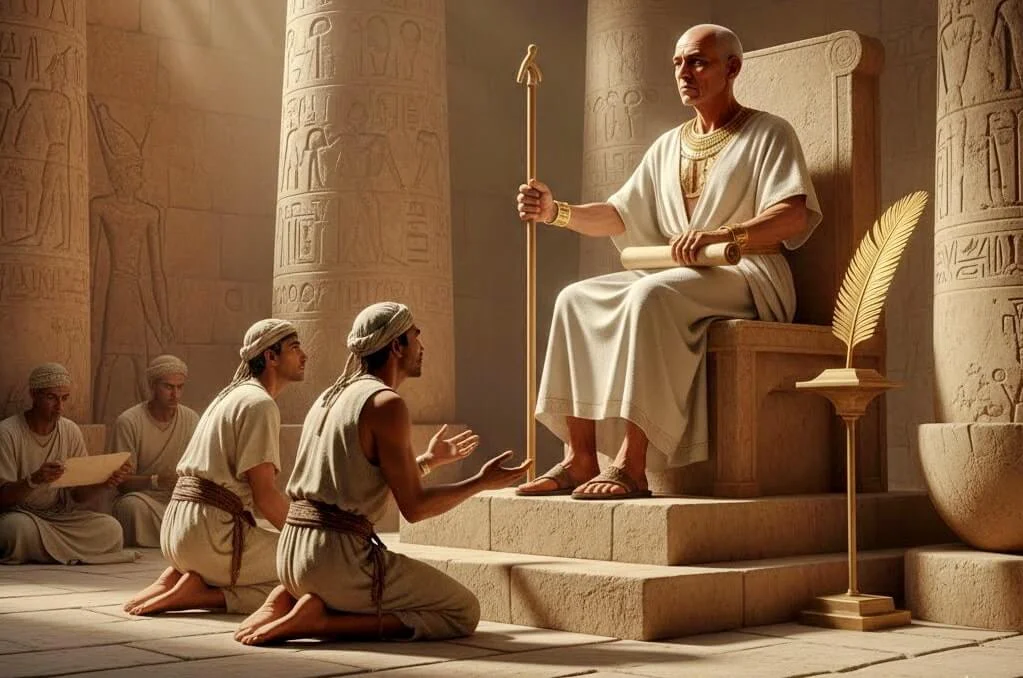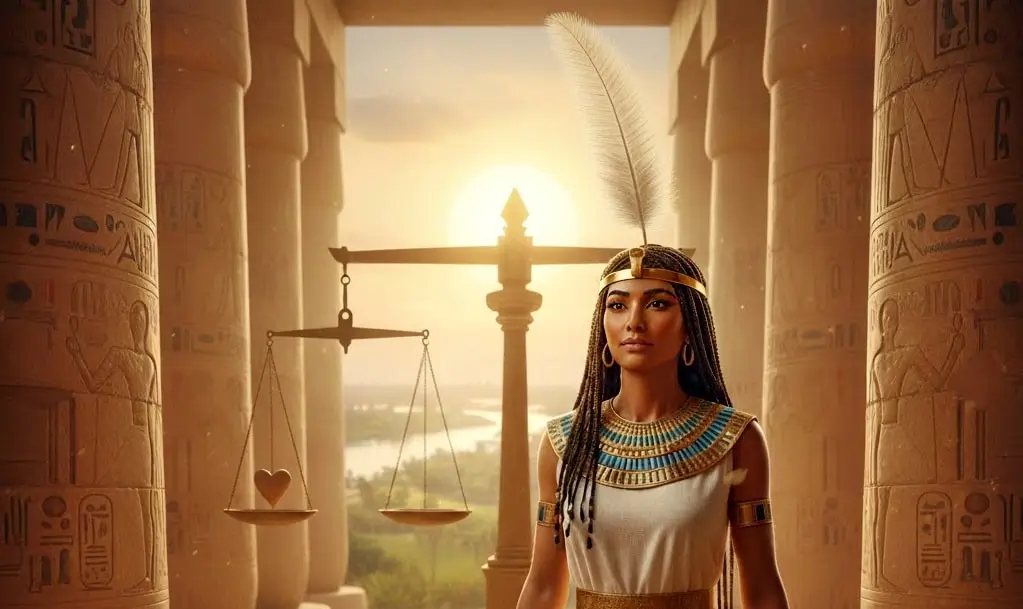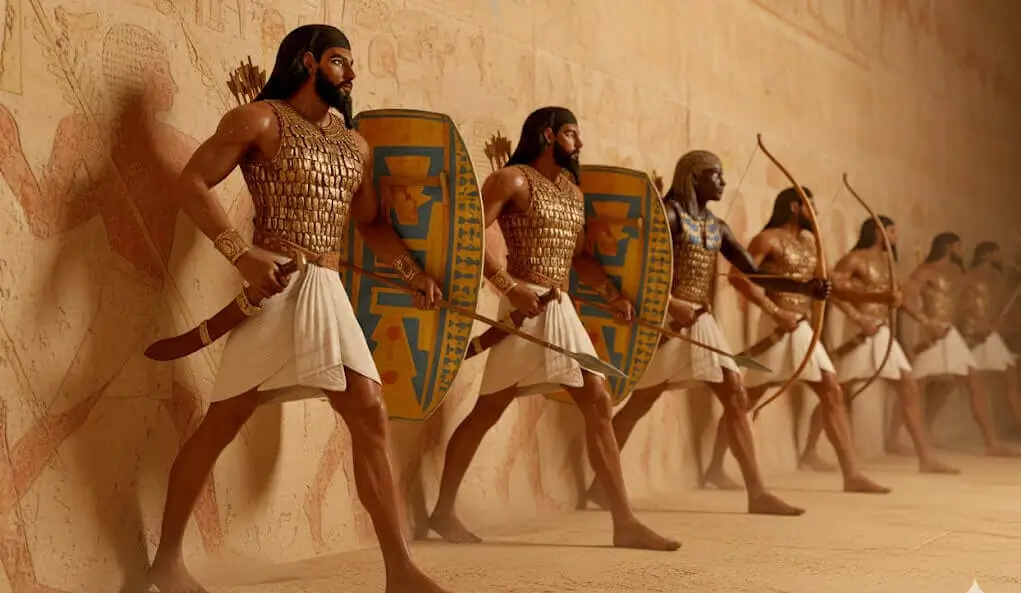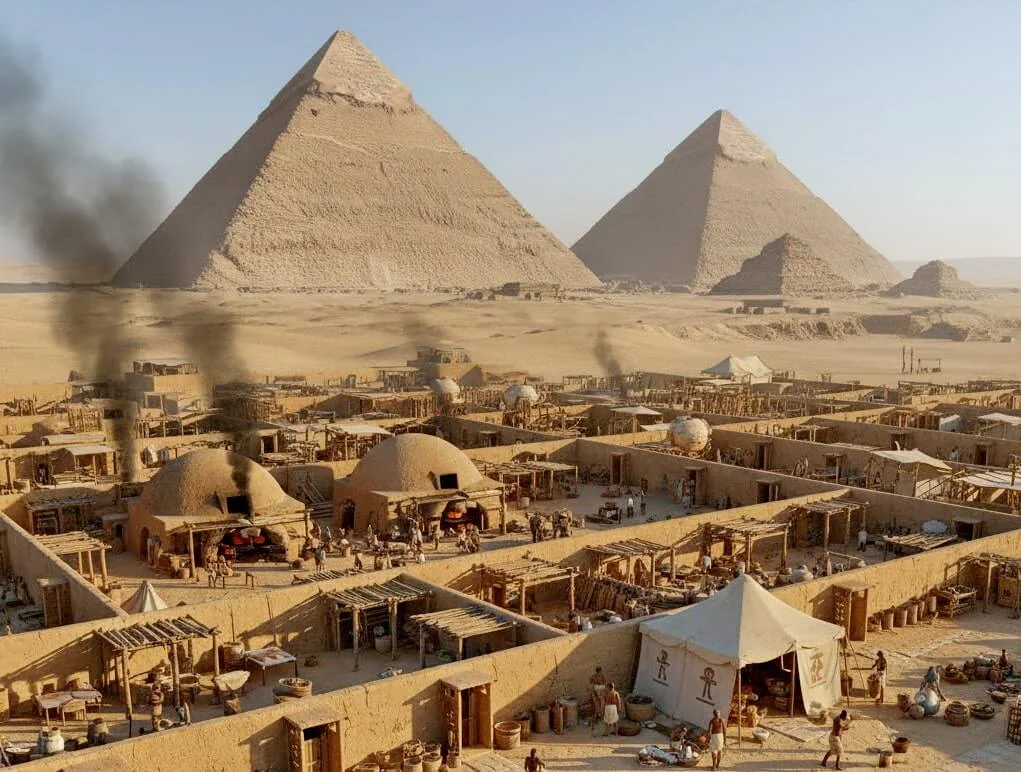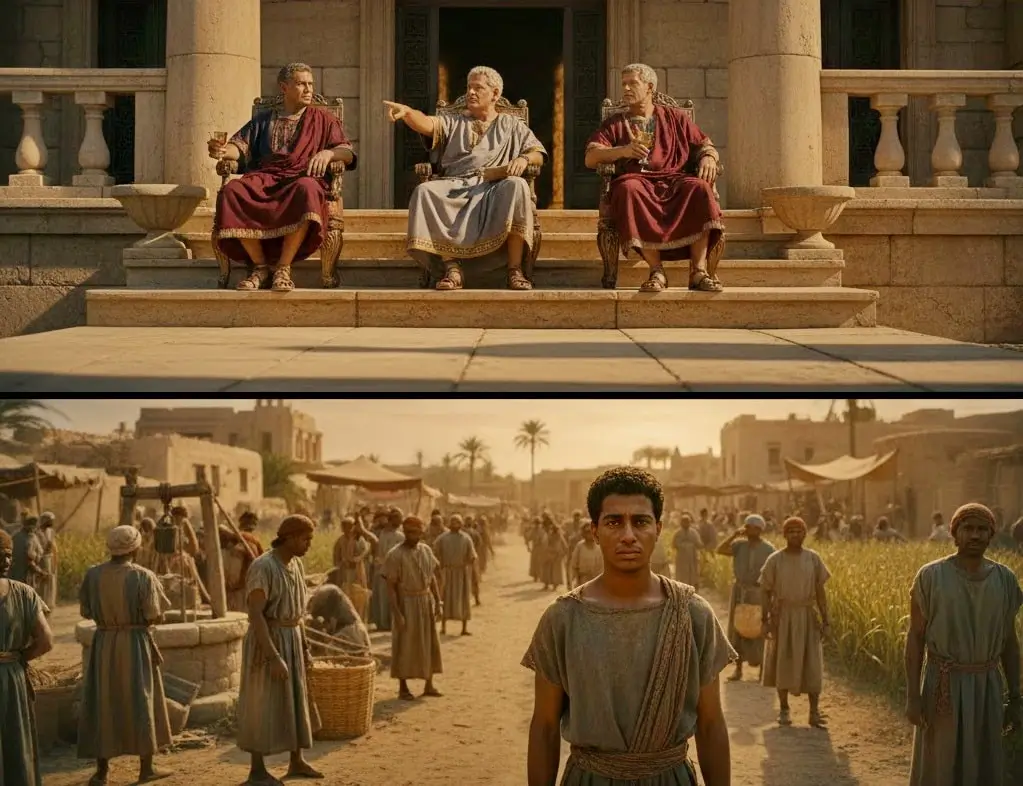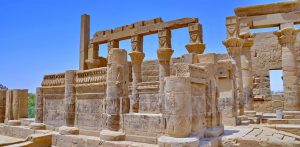
History often looks at the ruins of Rome or the philosophies of Athens as the birthplace of organized society. However, the true blueprint for the modern world was drafted 3,000 years earlier in the Nile Valley. Ancient Egypt did not just build monuments; it invented the concept of a country. Before the unification of the Two Lands, the world was a collection of warring groups and scattered chiefdoms. Egypt broke this mold, establishing the first nation-state—a centralized entity with a single law, a unified language, and a sophisticated bureaucracy.
This transformation changed the trajectory of human history. Consequently, understanding the Egyptian state is the key to understanding the “source code” of modern governance. From the collection of taxes to the establishment of professional courts, the Pharaonic system created the administrative tools we still use today. To explore Egypt is to witness the moment humanity first learned how to manage millions of people under a single vision.
The Geographic Engine of Governance
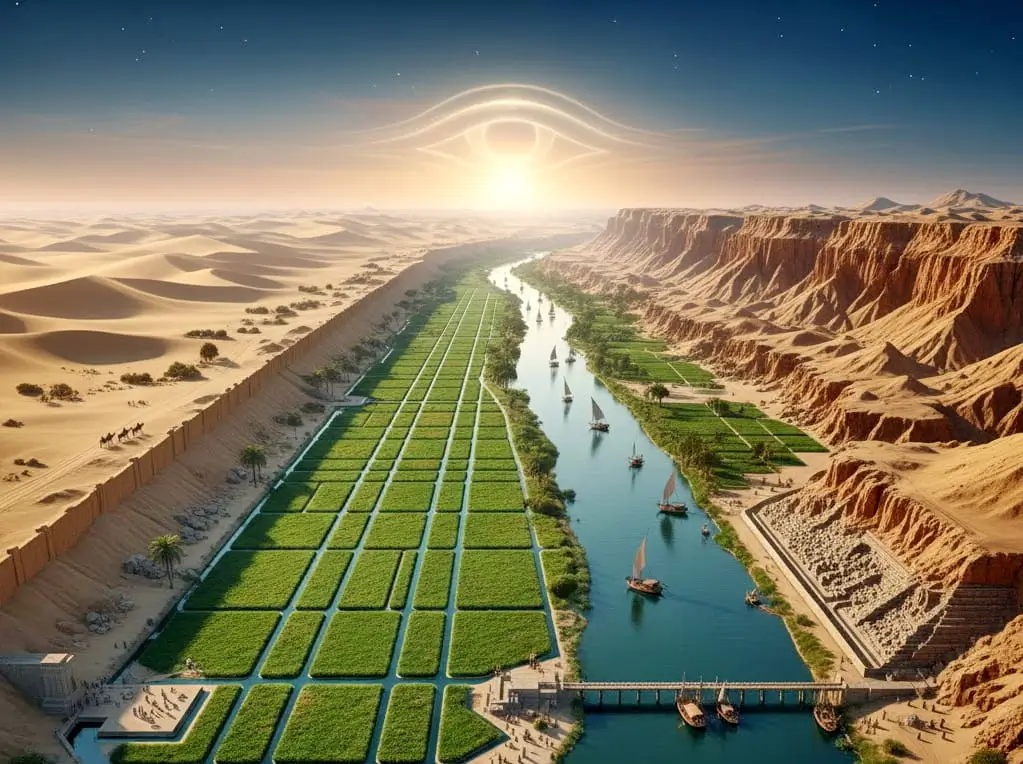
Why did the first nation-state emerge in Egypt rather than the open plains of Europe or the forests of Asia? The answer lies in the unique geography of the Nile. Egypt was a “closed system”—a fertile strip of land protected by vast deserts and a predictable river. This environment acted as a natural pressure cooker for social evolution.
The Nile as a Physical Unifier
The Nile River provided the world’s first high-speed communication highway. Unlike other early civilizations that struggled with treacherous terrain, the Egyptians used the river to move troops, officials, and information with incredible speed. Because of this, a leader in the capital could send a decree to a distant province in days rather than weeks. This connectivity allowed for the first “long-distance” governance in human history, binding the North and the South into a single political body.
The Necessity of Irrigation
Individual villages could farm the riverbanks, but they could not control the massive annual floods. Therefore, survival required massive cooperation. The people had to build thousands of miles of canals, dikes, and reservoirs to capture the floodwaters. No single family or group could manage such a project. As a result, the state was born out of a collective need for water management. The necessity of engineering gave birth to the necessity of leadership, turning a community of farmers into a unified national workforce.
The Desert Walls
Egypt’s borders were defined by “The Red Land”—the harsh Sahara and Sinai deserts. These natural barriers prevented constant tribal migration and invasion. In addition, they forced the population to stay concentrated along the river. This concentration made it easier for a central government to count, tax, and organize the people. While other civilizations were constantly shifting their borders, Egypt’s boundaries remained remarkably stable for millennia, allowing the first nation-state to perfect its internal structure without external interference.