The Early Dynastic Period: The Foundation of Pharaonic Egypt (Dynasties 1–2)

The Early Dynastic Period (c. 3100–2686 BCE) established the foundations of pharaonic civilization, marked by the political unification of Upper and Lower Egypt, primarily under King Narmer. This era saw the creation of the dualistic state ideology, the development of Hieroglyphic writing for administrative control, and the establishment of the capital at Memphis. Rulers like those in Dynasty 1 were buried in monumental tombs at Abydos, and the period culminated with King Khasekhemwy resolving internal conflicts in Dynasty 2. The successful centralization of power and resources during these two dynasties directly paved the way for the architectural and cultural peak of the ensuing Old Kingdom.

The Early Dynastic Period of Egypt marks the most transformative era in the nation’s history. It was the crucial moment when the patchwork of independent regional chiefdoms, known as the Predynastic cultures, coalesced into the world’s first unified, territorial nation-state.

This period, roughly spanning c. 3100 to 2686 BCE, encompasses Dynasties 1 and 2. Over four centuries, Egyptian society established the core structures that would endure for three millennia. The era’s revolutionary achievements include the political unification of Upper and Lower Egypt, the invention of Hieroglyphic writing, the formal establishment of a theocratic monarchy (the pharaoh), and the first steps toward monumental stone architecture.

The archaeological record, though fragmented, reveals this era through the royal tombs at Abydos, the vast elite mastabas at Saqqara, and key ideological artifacts like the Narmer Palette. Therefore, the Early Dynastic Period is the true foundation upon which the glories of the Old Kingdom were constructed.

The transition from the Predynastic Era was marked by the violent and complex political consolidation of the two lands.

FUN

Early Dynastic Period: The Unification and Protodynastic Era

Unfication battle by king narmer egypt fun tours

The establishment of the dualistic kingdom did not happen overnight. It was the culmination of a century of military and political expansion that accelerated during the Protodynastic Period.

1. Defining the Precursors

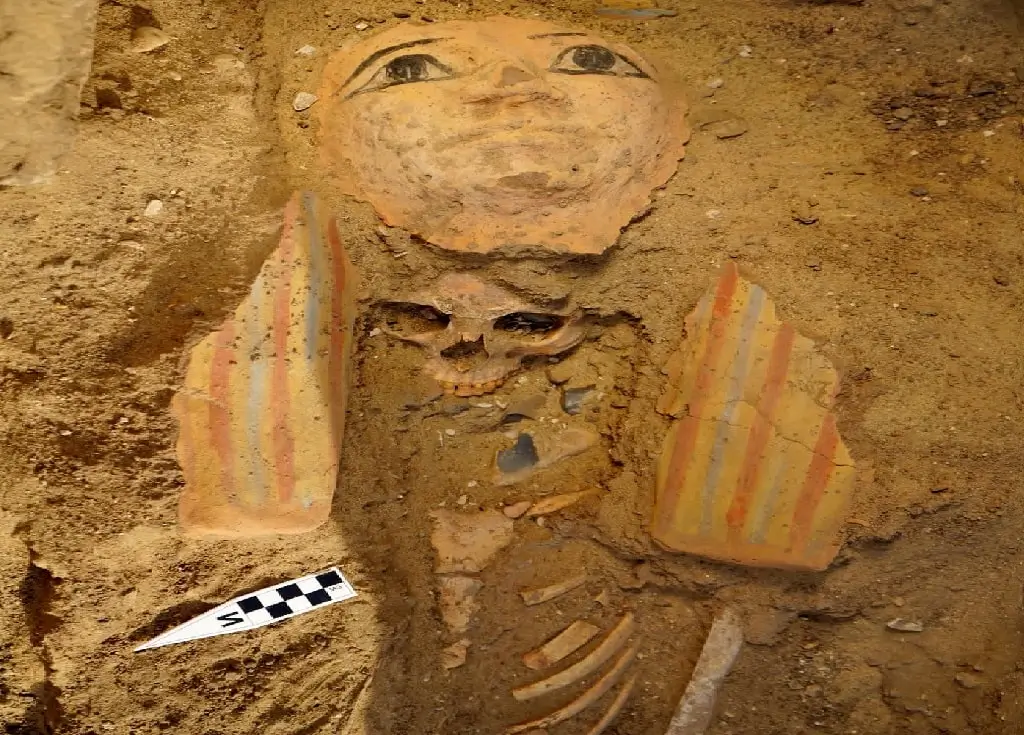
The period immediately preceding the First Dynasty is known as Naqada III or the Protodynastic Period (c. 3200–3100 BCE). During this phase, the chiefdoms of Upper Egypt (the south, led by centers like Naqada and Hierakonpolis) grew increasingly dominant. Evidence shows these strong, local kings controlled vast resources and commanded trade routes, utilizing a common artistic style and early forms of record-keeping. Elite burials from this time, particularly at sites like Tarkhan, reveal a society ready for centralization.

2. The Legendary Unifier

Egyptian tradition, primarily through the Greek-era writer Manetho, credits a king named Menes with unifying the two lands and founding the First Dynasty. However, modern Egyptology views Menes as a largely legendary figure, likely a composite representing the entire generation of final unifiers.

The most widely accepted historical candidate for the physical achievement of unification is King Narmer.

3. The Evidence of Unification: The Narmer Palette

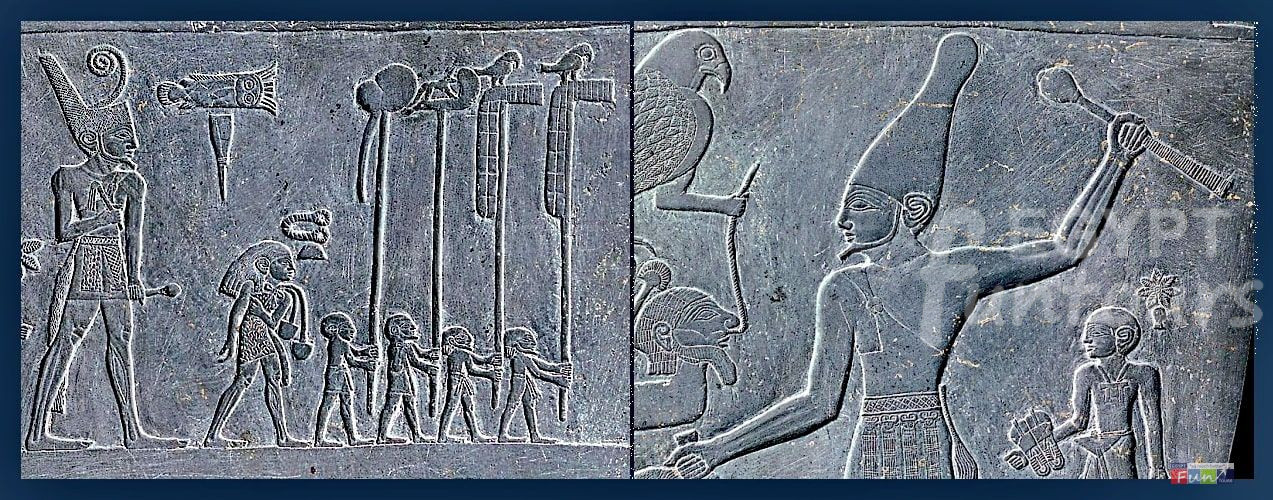
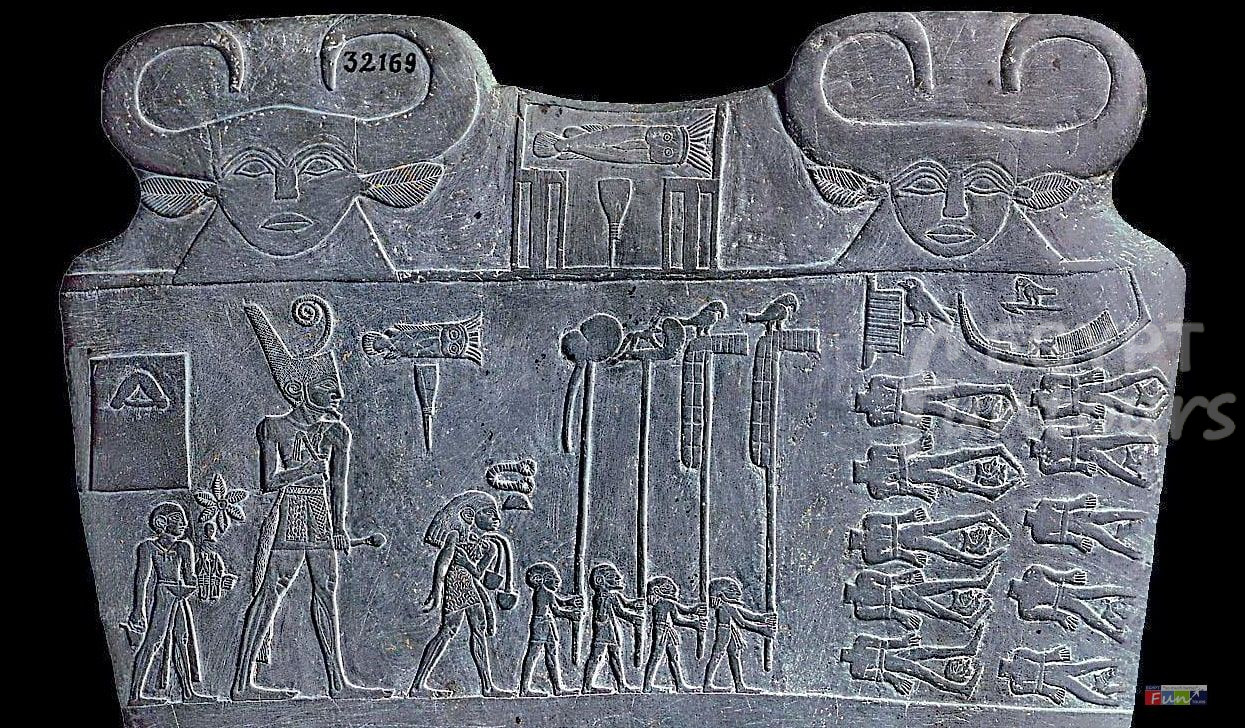
The most important artifact from the beginning of the Dynastic Period is the Narmer Palette (c. 3100 BCE). This large, ceremonial slate, discovered at Hierakonpolis, is not a simple historical record but a triumphal statement of royal ideology.

  • Ideological Statement: The Palette depicts the king on two sides, symbolically and perhaps literally, conquering and uniting the nation.
  • The Crowns: On one side, Narmer wears the White Crown of Upper Egypt (the south) while ceremonially striking an enemy. On the reverse, he wears the Red Crown of Lower Egypt (the north/Delta), walking in triumph past rows of executed foes. The depiction of the king mastering both crowns symbolized the successful political consolidation and established the primary dualistic iconography of the pharaoh for all subsequent history.

4. Political Capital

The administrative requirement of running a newly unified state led to the establishment of a new capital city. This city, named Ineb-Hedj (“The White Wall”), was strategically located near the apex of the Nile Delta, the symbolic junction between Upper and Lower Egypt. It would eventually become known by the Greek name Memphis. From this central location, the First Dynasty could maintain ideological control over the south and military control over the north. With unification complete, the First Dynasty established the core structures of pharaonic governance.

FUN

Dynasty 1: Consolidation and Innovation

King Narmer Menes Egypt Fun Tours

Dynasty 1 (c. 3100–2890 BCE) was a critical era of institutional building. The pharaohs moved from mere conquerors to sophisticated rulers who created the bureaucratic and religious mechanisms necessary to manage a territorial state.

1. Key Pharaohs and Chronology

The First Dynasty begins with the reign of Narmer’s successor, King Aha (possibly Menes under another name), and continues through a sequence of historically attested rulers:

  • Aha, Djer, Djet, Den, Merneith, and Qa’a.

Queen Merneith deserves special mention. She was the mother of King Den and likely ruled as Queen Regent for her young son, demonstrating the power royal women could wield even at this early date. Her burial at Abydos is as grand as those of the kings.

The final resting place of these rulers was the royal necropolis at Abydos (Umm el-Qa’ab) in Upper Egypt, confirming the southern roots of the ruling house.

2. Royal Ideology and Dualism

The pharaohs of Dynasty 1 immediately formalized the ideological concept of dualism, confirmed by the Narmer Palette.

  • Lord of the Two Lands: The King became the literal embodiment of the unified state, controlling the opposing forces of Upper and Lower Egypt.
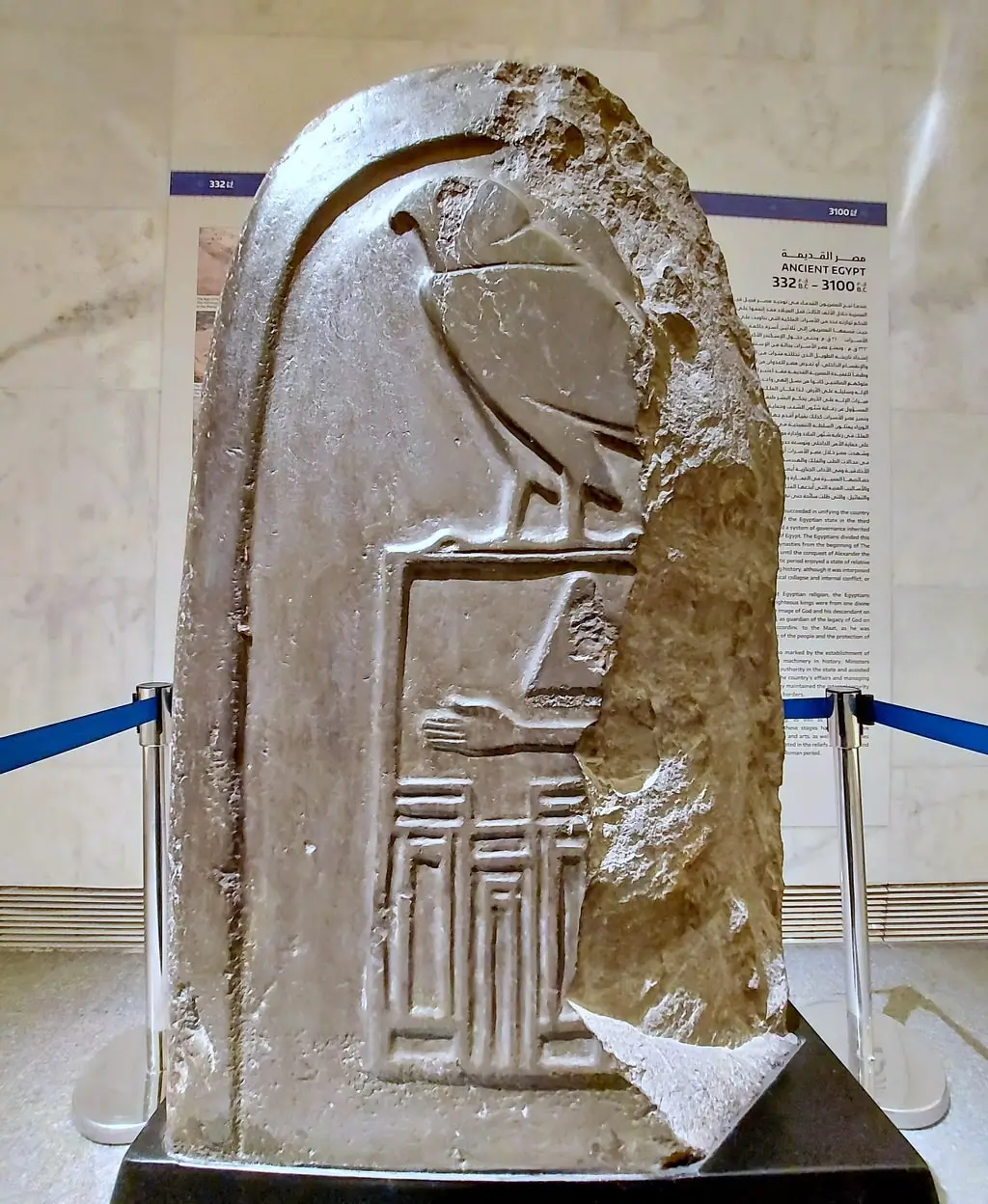
  • The Serekh: Every pharaoh had a specific Serekh, a rectangular design representing the palace façade, topped by the falcon god Horus. This symbol contained the King’s Horus Name and was the primary means of identifying the ruler on artifacts and seal impressions. This device formally established the idea that the King was the living manifestation of the god Horus on Earth.

3. The Birth of Writing

Perhaps the most enduring innovation of the period was the emergence of the sophisticated writing system.

  • Hieroglyphic Writing: The script developed rapidly during the First Dynasty, moving from simple pictograms to a complex system incorporating logographic (word) signs and phonetic (sound) signs.
  • Evidence and Use: The earliest known true hieroglyphic inscriptions appear on labels (small tags of bone or ivory) found in the royal tombs at Abydos. These labels recorded quantities of goods, names of officials, and most importantly, the Year Names—the formal administrative titles of the years, based on key royal events (e.g., “The year of the smiting of the East”). This use confirms that writing was immediately essential for administration, ritual, and chronology.

4. Administrative Structure

To govern the unified land, the early pharaohs developed an elite bureaucratic structure centered at Memphis.

  • High Officials: These officials were often members of the royal family. They held titles that were precursors to later powerful positions.
  • Hemaka: The most famous early example is Hemaka, who served as the Vizier (Chancellor) under King Den. His immense tomb at Saqqara reveals a wealth and complexity of administration, including thousands of artifacts and the aforementioned earliest linen and oil labels. His position demonstrates that by the middle of the First Dynasty, the Egyptian administration was already highly organized and centralized.

The 2nd dynasty continued the administrative framework while facing new challenges to unity.

FUN

Dynasty 2: Political Challenges and Centralization

Dynasty 2 Political Challenges and Centralization

Dynasty 2 (c. 2890–2686 BCE) built upon the administrative foundations of its predecessor, but the period was marked by internal political and religious tensions, culminating in a powerful reunification.

1. Key Pharaohs and Burial Sites

The Second Dynasty maintained the core features of the first but saw a shift in burial practices. Key rulers include:

  • Raneb, Nynetjer, Peribsen, and Khasekhemwy.

While some rulers continued to build large ceremonial burial enclosures at Abydos, others focused on Saqqara, developing the massive underground galleries and tombs that would eventually lead to the Step Pyramid complex.

2. The Crisis of Unity

Evidence, both archaeological and epigraphic, suggests a period of political instability and conflict in the middle of Dynasty 2, possibly a resurgence of regional tension between Upper and Lower Egypt. This conflict manifested ideologically in the royal titles.

  • The Seth Conflict: Pharaohs traditionally identified with the god Horus. However, one ruler, Peribsen, broke tradition and placed the animal of Seth (Horus’s mythological adversary) atop his Serekh. This shift is highly significant, suggesting that Peribsen ruled from a base of power in Upper Egypt that favored the Seth cult, perhaps in opposition to a Horus-based kingdom in the north.

3. The Re-Unification by Khasekhemwy

The political fragmentation was decisively ended by the last and most important king of the dynasty, Khasekhemwy.

  • Name Meaning: His name itself is a statement of reconciliation, meaning “The Two Powers are Risen” (or “He whom the Two Powers Appear”). Khasekhemwy’s Serekh features both the Horus falcon and the Seth animal atop the palace façade, permanently linking the two dualistic deities to the monarchy and solidifying the ideology of the unified state.
  • Archaeological Evidence: Khasekhemwy was a massive builder. His impressive burial complex at Abydos includes a huge, ceremonial funerary enclosure called the Shunet ez-Zebib (“The Storehouse of the Flies”). This massive, mud-brick structure stands as the architectural and political forerunner to the later Step Pyramid complex, signifying the end of the dynastic crisis and the complete re-centralization of power.

The need to secure the king’s body and spiritual power drove the massive developments in funerary architecture.

FUN

Early Dynastic Period: Architectural and Funerary Developments

Early Dynastic Period Architectural and Funerary Developments-min

The burial practices of the Early Dynastic Period reveal rapid architectural evolution, from simple pits to complex, subterranean structures, reflecting the escalating power and resources of the pharaoh.

1. The Royal Cemeteries (Abydos and Saqqara)

The two primary royal funerary sites reflect a dual strategy:

  • Abydos (Umm el-Qa’ab): This was the actual burial site and the true royal necropolis. The Dynasty 1 tombs here were large, subterranean brick-lined chambers surrounded by smaller tombs for retainers. King Den’s tomb is notable for showing the earliest known use of granite in royal architecture, signifying a new capability in hard stone quarrying.
  • Saqqara: This site was used for the monumental mastaba tombs of the elite (officials like Hemaka) and the King’s large funerary enclosures (like Khasekhemwy’s Shunet ez-Zebib). These enclosures were massive symbolic palaces, designed for the King’s ka and the enactment of funerary rituals, while the physical body rested hundreds of miles away in Abydos.

2. Human Sacrifice and Retainers

A chilling but significant feature of the Dynasty 1 royal burials was the practice of retainer sacrifice.

  • Dozens, sometimes hundreds, of servants, courtiers, and craftsmen were intentionally killed and buried around the perimeter of the pharaoh’s tomb at Abydos. They intended this to guarantee the King’s immediate service and comfort in the afterlife.

  • Evolution: Significantly, this practice vanishes by the end of Dynasty 1 (specifically after King Djet or Den). Symbolic funerary goods, shabti figures (servant statues), or tomb paintings depicting servants replaced it. This shift is crucial; it suggests a changing religious belief or perhaps a pragmatic economic realization that killing skilled labor was unsustainable.

3. Material Culture and Craftsmanship

The period witnessed an explosion in the mastery of fine stone and metalworking.

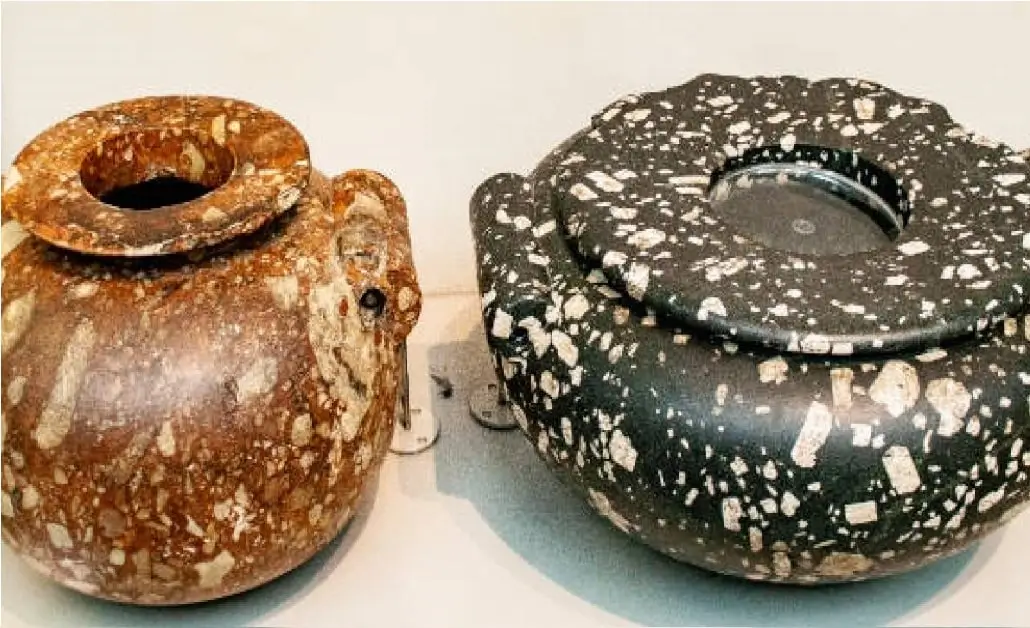
  • Stone Vessels: Tomb contents show extraordinary craftsmanship in creating thin-walled vessels from hard stones like basalt, diorite, slate, and breccia. These luxury goods demonstrate the state’s command over remote quarrying and skilled labor.
  • Copper Metallurgy: The use of copper for tools, weapons, and ceremonial objects grew rapidly, enabling more efficient quarrying and construction.

The Early Dynastic Period set the cultural and administrative baseline for the entire Egyptian state.

FUN

Early Dynastic Period: Social Structure, Economy, and Religion

Early Dynastic Period Social Structure, Economy, and Religion-min

The Early Dynastic state formalized the economic and social structures that would characterize ancient Egypt for millennia. Power was centralized, and society was rigidly stratified under the divine monarch.

1. The Centralized Economy

The economy was essentially totalitarian in its centralized control.

  • Royal Ownership: The King formally owned all land and controlled all major resources, including mines, quarries, and the agricultural surplus.
  • Tracking and Taxation: The administration used seals and clay bullae stamped with the King’s Serekh or the name of a specific institution (e.g., granary or winery) to track, tax, and control the movement of commodities (wine, oil, grain, linen). The emergence of the scribal class was driven by the necessity of managing this massive system.
  • Irrigation Control: The King’s authority over the annual Nile flood and its controlled irrigation was fundamental to the economy and his divine power.

2. Early Religious Concepts

The religious structure was designed to reinforce the pharaoh’s supreme authority.

  • The Primacy of the Horus-King: The central belief was the pharaoh’s identity as the living Horus on Earth.
  • Deity Development: Key localized deities were incorporated into the national pantheon, including Neith (an early patron goddess, associated with war and weaving) and the increasing, though still nascent, association of the pharaoh with the sun god (Re).
  • The Sed Festival: The first known performance of the Sed Festival (Jubilee) occurred during this time. This crucial ritual was held after a king had ruled for thirty years, involving a symbolic re-enactment of the coronation and a series of physical challenges. This ceremony confirmed the King’s continued physical and spiritual fitness to rule, reinforcing his divine mandate.

3. Social Hierarchy

The state was governed by a clear, rigid hierarchy:

  1. The Pharaoh: Divine ruler and absolute authority.
  2. Royal Family: Held the highest positions in government and the military.
  3. High Officials/Viziers: Managed the state’s administration and treasury.
  4. Scribes and Priests: The literate elite, essential for record-keeping and religious maintenance.
  5. Peasants and Laborers: The vast majority, responsible for agriculture and state projects.

The innovations of Dynasties 1 and 2 provided the stable platform from which the great monuments of the Pyramid Age could launch.

Legacy and Transition to the Old Kingdom

The Early Dynastic Period successfully created the template for all subsequent Egyptian civilization.

This era secured three foundational pillars: Nile Valley unification, the theocratic monarchy (symbolized by the Horus-King), and highly efficient bureaucratic administration. This administration relied on writing and centralized control. Khasekhemwy, the last king of Dynasty 2, resolved the internal conflict. This brought a period of internal stability and immense national confidence.

This political stability paved the way for the architectural genius of the 3rd Dynasty. Specifically, King Djoser and his architect Imhotep took action. They adapted the mud-brick mastaba into the limestone Step Pyramid. This launched the glorious Old Kingdom (the Pyramid Age). They relied entirely on the administrative and ideological foundations laid down by the kings of the Early Dynastic Period.

Stunning Cairo tours and Western desert safari adventure....
15 Days Deluxe Comprehensive Tour Package....

Like two days of touring in one day!

I had a 12 hour stay in Cairo- and had made no plans on how to spend it until 8pm the night before departure. I emailed Egypt Fun Tours in a panic and they responded immediately. They made it incredibly easy to arrange a tour and we made arrangements via

More »
15-Day Historical Egypt Tour Package

all good!

we took pyramid and Cairo city tours and all went smoothly. The were very flexible to adapt to our requirements. Car, car driver and guide were great. very knowledgable and professional tour. Very recommendable

More »

Islamic cairo and khan el khalili- great tour

Wonderful tour with the guide Hamada. I did not feel rushed at all. He explained a lot of facts about the city, the mosque, the water storage room, and also brought me to no-hassle shops. He picked a great place to eat and have Turkish coffee and a cold lemon

More »
Isis with wings

Top-rated Tour Packages

Isis with wings