The Tomb of Ankhmahor: The “Physician’s Tomb” of Saqqara

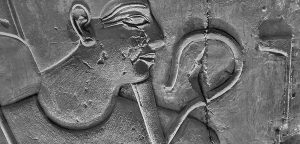
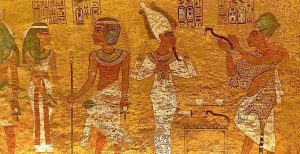
The Tomb of Ankhmahor in Saqqara is a 6th Dynasty masterpiece famously known as the "Physician’s Tomb." While built for Pharaoh Teti's powerful Vizier, it is globally celebrated for housing the world’s oldest medical reliefs, including detailed surgical and orthopedic procedures. These scientific scenes are balanced by evocative artistic depictions of professional mourners and ritual dancers, providing a unique dual perspective on the clinical knowledge and spiritual traditions that defined Egypt's Old Kingdom.

Located in the shadow of the Pyramid of Teti, the Tomb of Ankhmahor is one of the most intellectually fascinating sites in the Saqqara Necropolis. While it is technically a “mastaba” for a high-ranking politician, it has earned a global reputation as the “Physician’s Tomb” due to its unparalleled medical reliefs.

At Egypt Fun Tours, we highlight this tomb as a testament to the scientific sophistication of the Old Kingdom. It is a must-visit for those interested in the history of science, medicine, and the social hierarchy of the Sixth Dynasty.

Who Was Ankhmahor?

Despite its nickname, Ankhmahor was not a doctor. He was a Vizier—the most powerful administrative official in the land—serving during the reign of Pharaoh Teti (c. 2345–2323 BCE). His titles included:

  • First Under the King: Highlighting his proximity to the throne.
  • Overseer of the Great House: Managing the royal palace logistics.
  • Chief Justice: The head of the legal system.

His tomb’s focus on medical practices likely reflects the specialized craftsmen and services under his administration, offering a unique “behind-the-scenes” look at royal life.

FUN

Tomb of AnkhMaHor: Architecture and Layout

Tomb of AnkhMaHor; Architecture and Layout

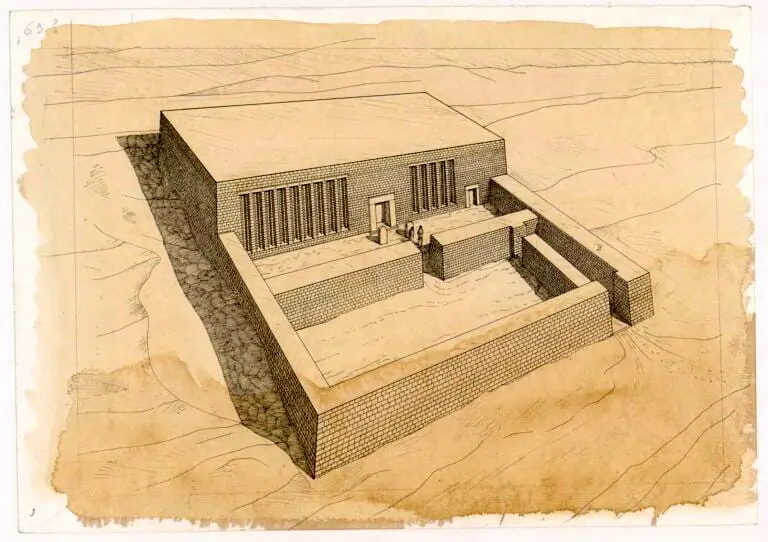
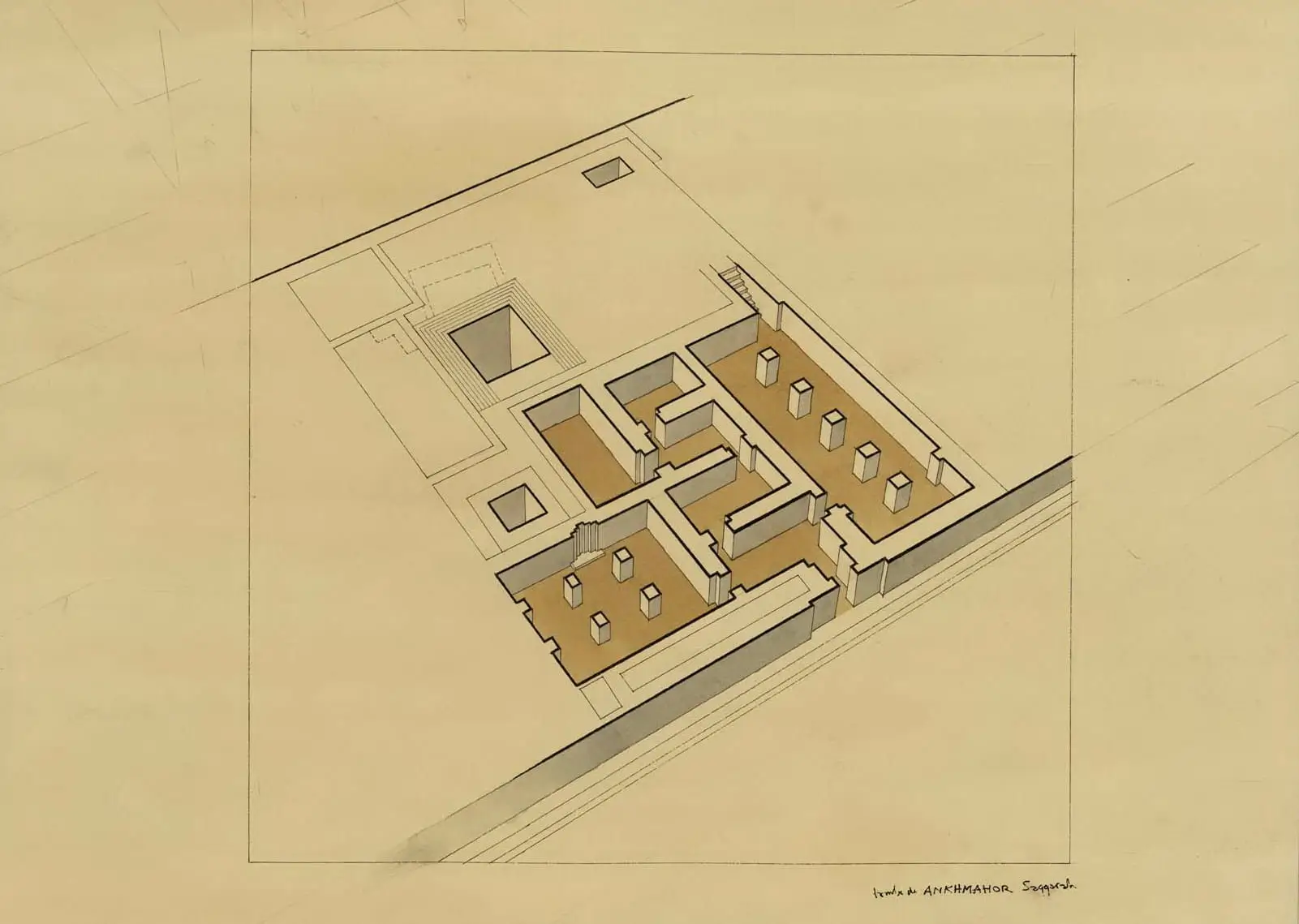
The tomb is a modest but elegantly decorated structure consisting of six main chambers. It follows the classic Old Kingdom mastaba design but features specific rooms that house its most famous art.

Room Key Features & Scenes
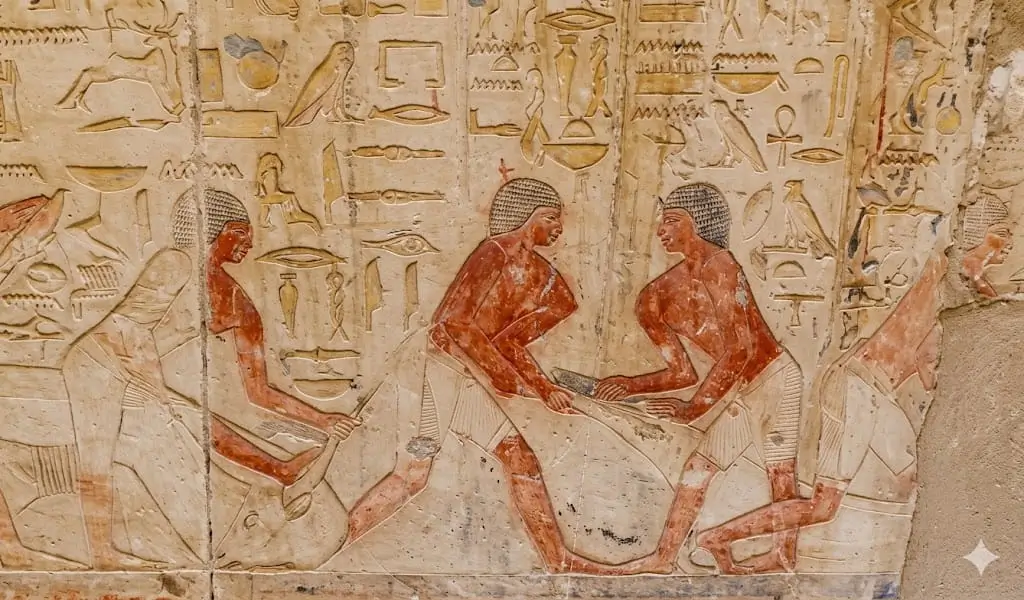
Entrance Located on the east, features traditional agricultural and seasonal scenes.
Second Room Detailed reliefs of jewelry-making, metalworking, and sculpting.
Pillared Hall A large hall with five square pillars featuring scenes of mourning and funeral processions.
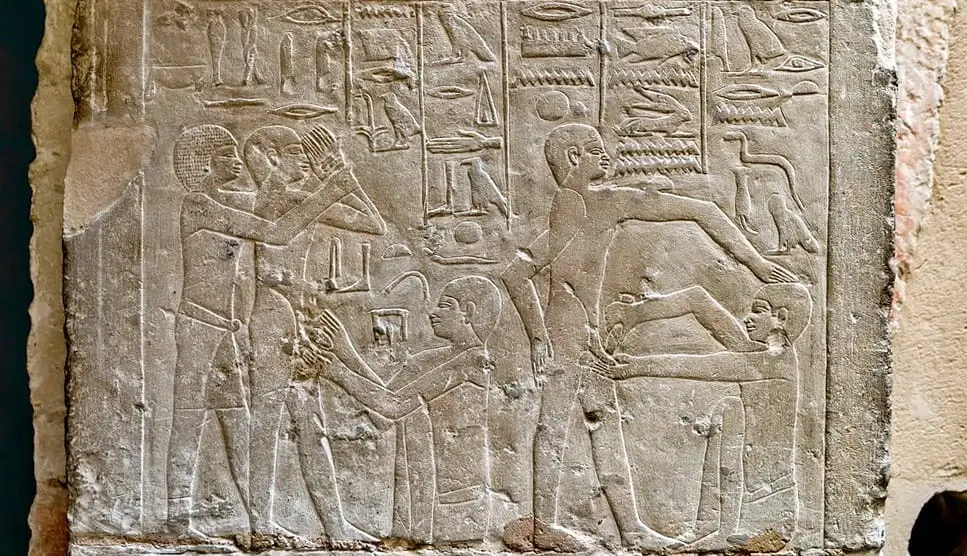
The Doorway The “Medical Corridor” contains the world-famous surgical scenes.
FUN

The Language of Healing: Hieroglyphs of the Physician’s Tomb

The Language of Healing Hieroglyphs of the Physician’s Tomb

In the world-famous “Medical Corridor,” the art of the Tomb of Ankhmahor is accompanied by specific hieroglyphic captions that act as a 4,000-year-old medical dialogue. These inscriptions provide the “voice” for the surgical scenes, transforming them from silent images into an active clinical record.

1. The Surgeon’s Commands

In the circumcision relief, the text records a fascinating exchange between the surgeon and his assistant. The scene shows a surgeon giving orders to keep the patient steady, while the assistant responds with reassurances.

  • The Text: “Hold him fast, do not let him fall,” commands the practitioner.
  • The Response: “I will do as you praise,” or “I will do it to your satisfaction,” the assistant replies.
  • Historical Insight: These inscriptions prove that surgery was a collaborative effort. Furthermore, they show that communication and patient management were as vital then as they are in modern operating rooms.

2. The Patient’s Voice

Unlike many royal monuments, where individuals are silent, the Tomb of Ankhmahor gives a voice to the patient.

  • The Plea: In the relief showing the foot or hand operation, the patient is recorded saying, “Do this (the procedure) and let it be very effective.”
  • The Practitioner’s Comfort: The surgeon replies with words meant to soothe, indicating an early form of “bedside manner” in the Old Kingdom. Consequently, these texts reveal a high level of empathy and professionalism within the ancient medical community.

3. Titles of Authority

Throughout the medical corridor, the hieroglyphs also reinforce Ankhmahor’s role as the overseer of these specialized services.

  • The Term “Sunu”: While Ankhmahor himself was a Vizier, the texts use the word Sunu (the hieroglyphic term for doctor/physician) to identify the professionals performing the work.
  • Votive Texts: Above the surgical scenes are prayers to the gods of healing, such as Heka (god of magic and medicine) and Sekhmet (goddess of healing and protection). In addition, these texts were believed to imbue the walls with a magical power that would ensure Ankhmahor’s health in the afterlife.

Why the Text Matters for SEO

For researchers and history enthusiasts, these inscriptions are the “primary sources” that elevate this tomb above others. When we include these details in your Egypt Fun Tours guides, we are not just showing pictures; we are providing the translated history that visitors are searching for.

The Catacombs of Kom Esh-Shokafa: Roman-Egyptian Underworld

Descend into one of the "Seven Wonders of the Middle Ages" at the Catacombs of...
Related post
FUN

Rituals of Transition: Mourners and Dancers

Rituals of Transition Mourners and Dancers

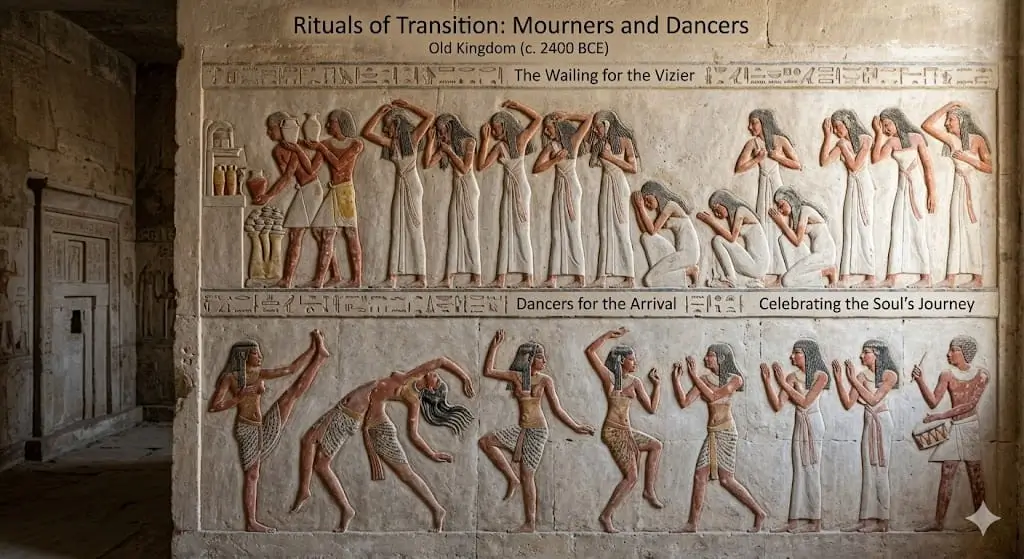
While the medical scenes are the most famous, the Tomb of Ankhmahor also contains some of the most expressive artistic depictions of Sixth Dynasty funerary culture. These reliefs in the pillared hall provide a stark contrast between deep communal grief and the rhythmic celebration of the soul’s journey.

1. The Professional Mourners

The southern wall of the pillared hall features a masterpiece of emotional art. In ancient Egypt, funerals often included “Professional Mourners”—women hired to express the collective grief of the community.

  • The Visual Language: The scene shows women with their hair disheveled and falling over their faces, a traditional sign of mourning. Their arms are raised in gestures of despair, or they are shown beating their chests.
  • Artistic Realism: Unlike the rigid poses often seen in Egyptian art, these figures convey a sense of genuine movement and sorrow. In addition, the overlapping figures create a “crowd effect,” making the viewer feel like they are standing in the middle of a 4,000-year-old funeral procession.

2. The Funerary Dancers

On the opposite wall, the mood shifts significantly. Here, you will find rows of female dancers performing what is known as the Iba dance.

  • The Movement: The dancers are depicted with one leg raised high and arms arched over their heads. This energetic movement was meant to revitalize the spirit of the deceased.
  • Rhythm and Music: Surrounding the dancers are women clapping their hands and playing small percussion instruments to keep the beat. Consequently, the scene feels lively and celebratory, reflecting the Egyptian belief that death was not an end, but a transition to a new, vibrant life.

3. The “Mu-Dancers.”

In some sections, you may notice unique male dancers wearing tall, woven headdresses made of reeds. These are the Mu-dancers.

  • Symbolism: They represent the ancient ancestors of the Delta region, welcoming the deceased Vizier as he arrives at the gates of the afterlife.
  • Historical Continuity: Their presence in Ankhmahor’s tomb proves that even high-ranking Memphite officials, like a vizier, still respected the ancient, regional traditions of the Nile Delta.

Why These Scenes Matter

For travelers visiting with Egypt Fun Tours, these scenes provide a “human” connection to the past. While the medical scenes show the science of the Old Kingdom, the dancers and mourners show its heart. Standing in the pillared hall, our guides will help you contrast these two sides of Egyptian life—the clinical and the spiritual—giving you a complete picture of Ankhmahor’s world.

Saqqara: Guide to Egypt’s Eternal Necropolis and the Evolution of the Pyramid

Saqqara is a vast ancient necropolis near Cairo, serving as the burial ground for the...
Related post
FUN

Visitor’s Guide: Exploring the Tomb of Ankhmahor

Visitor’s Guide Exploring the Tomb of Ankhmahor

The Tomb of Ankhmahor is a vital stop for any traveler wishing to see the “scientific side” of the Old Kingdom. Located in the northern cemetery of Saqqara, it provides a quiet, intellectual contrast to the busy Step Pyramid complex.

Location & Accessibility

You will find the mastaba of Ankhmahor within the Teti Pyramid Cemetery, just a short walk northeast of the Pyramid of Teti itself.

  • The Neighborhood: This area is densely packed with noble tombs, including those of Mereruka and Kagemni. Furthermore, its proximity to the main Teti complex makes it an easy addition to any Saqqara morning itinerary.
  • Ease of Entry: The tomb is mostly above ground (mastaba style), so it does not require climbing deep into shafts, making it accessible for most fitness levels.

Entrance & Logistics

  • Opening Hours: Generally open from 8:00 AM to 5:00 PM.
  • Ticketing: Access to the Tomb of Ankhmahor is usually included in the main Saqqara site ticket. However, always check with your Egypt Fun Tours guide for the most current regulations, as individual tombs can occasionally close for minor conservation work.
  • The Best Light: Morning light (before 11:00 AM) is ideal for this tomb. The angle of the sun helps to cast soft shadows over the low-relief medical carvings, making the details of the flint blades and hand operations much easier to see.

Expert Touring Strategy

To maximize your experience, we recommend this “Scientific & Political” route:

  1. Pyramid of Teti: Start here to see the earliest religious texts (Pyramid Texts).
  2. Tomb of Ankhmahor: Transition from the divine to the human, focusing on the medical and ritual scenes.
  3. Tomb of Kagemni: Compare the administrative titles and the artistic style of another powerful contemporary Vizier.

Photography & Etiquette

  • Respect the Science: These medical reliefs are globally unique. Consequently, please avoid touching the walls, as the moisture from your hands can degrade the limestone over time.
  • No Flash: Like all decorated tombs in Egypt, flash photography is prohibited to preserve what remains of the original pigments.
  • Silence in the Hall: The pillared hall has excellent acoustics; speaking softly allows everyone to enjoy the atmosphere of the funeral procession scenes.

Dahshur Pyramids: Where Pyramids Were Perfected

Escape the crowds at the Dahshur Pyramids, a true "hidden gem" just south of Saqqara....
Related post
FUN

Why Visit the Tomb of Ankhmahor with Egypt Fun Tours?

Why Visit the Tomb of Ankhmahor with Egypt Fun Tours

Because the Tomb of Ankhmahor is sometimes closed for restoration or restricted to special groups, having an expert team like Egypt Fun Tours is essential.

  1. Contextual Storytelling: Our guides don’t just show you carvings; they explain the tools used and the religious significance of the procedures.
  2. Access Updates: We monitor the daily status of the Saqqara tombs to ensure your itinerary is optimized.
  3. Historical Depth: We connect the scenes in Ankhmahor’s tomb to the medical papyri found elsewhere, giving you a full picture of ancient Egyptian science.

Travel Tips

  • The Teti Connection: Visit this tomb immediately after seeing the Pyramid of Teti. They are part of the same historical “neighborhood.”
  • Look for Pigment: While not as colorful as the Tomb of Mehu, some sections of Ankhmahor’s tomb still retain hints of their original red and yellow ochre.
  • Best Time for Photos: Early morning light is best for capturing the shadows and depth of the low-relief carvings.

Step into the world’s oldest medical theater.

Discover the roots of science and the power of the Viziers with Egypt Fun Tours. Our private journeys ensure you see the details that make history come alive.

Contact Us to Include the Physician’s Tomb in Your Saqqara Itinerary

Explore UNESCO world's heritage sites in Egypt with expert Egyptlogist Tour guides....
Cairo and Hurghada tour for older people in 7 days...
God_Anubis_Icon

Amazing layover Tour

We had 12 hour layover in Cairo, and our guide Hani waited patiently for us when we had a few visa issues entering the country! We got on our tour, and had the best experience ever! We saw the pyramids, the sphinx, Islamic Cairo and rode through the city! We

More »

Goes well beyond “tour”

I am tempted to say “my friend Hani” runs an amazing service, because that is how he makes you feel. I first went on the 9-hour layover tour in summer 2011. Hani and driver picked me up at the airport at 3am, and by the time I left at noon

More »

One of the best tours I have ever had!

I was thoroughly impressed by the professionalism of this tour company. I emailed to inquire about the Cairo layover tour about 30 hours before my flight was scheduled to leave from New York. I was pleasantly surprised to get a quick response confirming the tour and assuring that a guide

More »

Big tick off our bucket list!

Booked the evening before and were able to do everything we hoped to in a day, with a knowledgeable guide & at a reasonable price! Lunch was included and absolutely delicious! Learnt about the history of Egypt, which was the most important part of sightseeing in Cairo/Giza. Hamada also gave

More »

Layover Tour in Cairo

This August, my boyfriend and I had quite a long layover in Cairo, 9 hours to be exact. Instead of wasting our time at the airport, we decided to do a layover tour of the city. I had been before, but my boyfriend hadn’t, so we wanted to hit the

More »
God_Anubis_Icon

Top-rated Tour Packages

God_Anubis_Icon