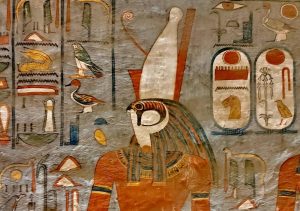
Slavery and the Ancient Egyptian Economy
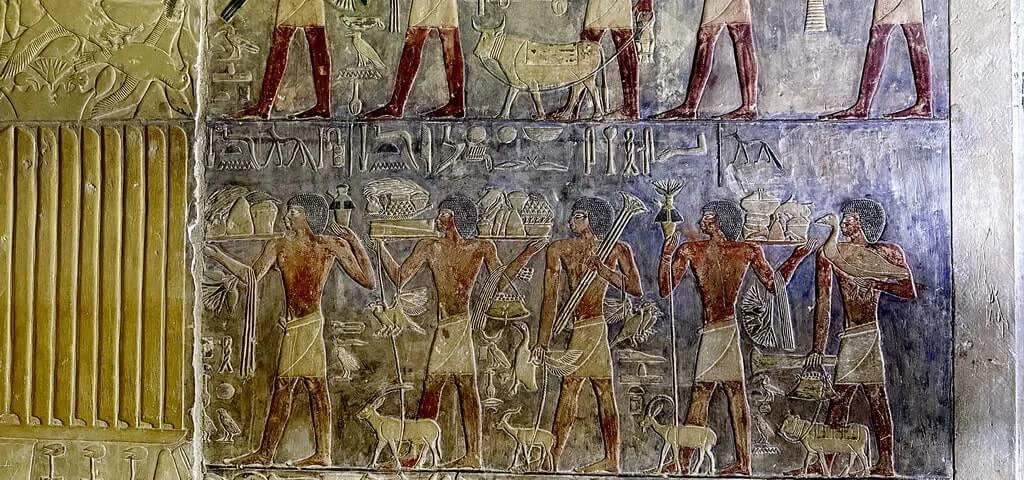
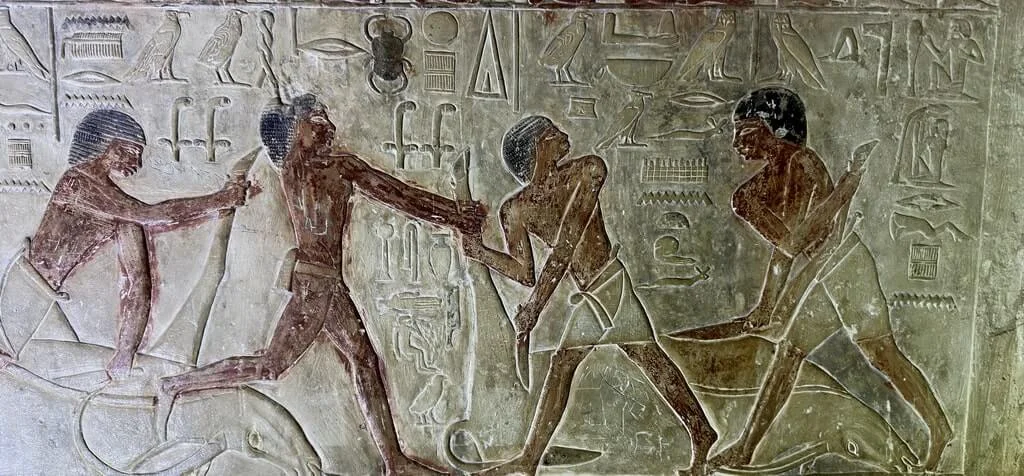
Slavery played a role in the ancient Egyptian economy, but it was not its foundation. The economy primarily relied on the labor of free peasant farmers and skilled artisans. Slaves, often acquired as prisoners of war or through tribute, supplemented this workforce.
Economic Contributions of Slaves
Slaves contributed to various economic sectors. In agriculture, they worked in fields, alongside free laborers, particularly on royal and temple estates. They also performed essential domestic tasks in elite households, serving as cooks, cleaners, and personal attendants.
Beyond these roles, skilled slaves could be involved in craftsmanship, such as pottery, weaving, or metalwork. Some even worked in mines and quarries, though this was often arduous labor. During periods of state expansion, especially in the New Kingdom, the number of foreign slaves increased due to extensive military campaigns. These slaves might be assigned to large state projects or even military service.
Slaves as Property and Economic Assets
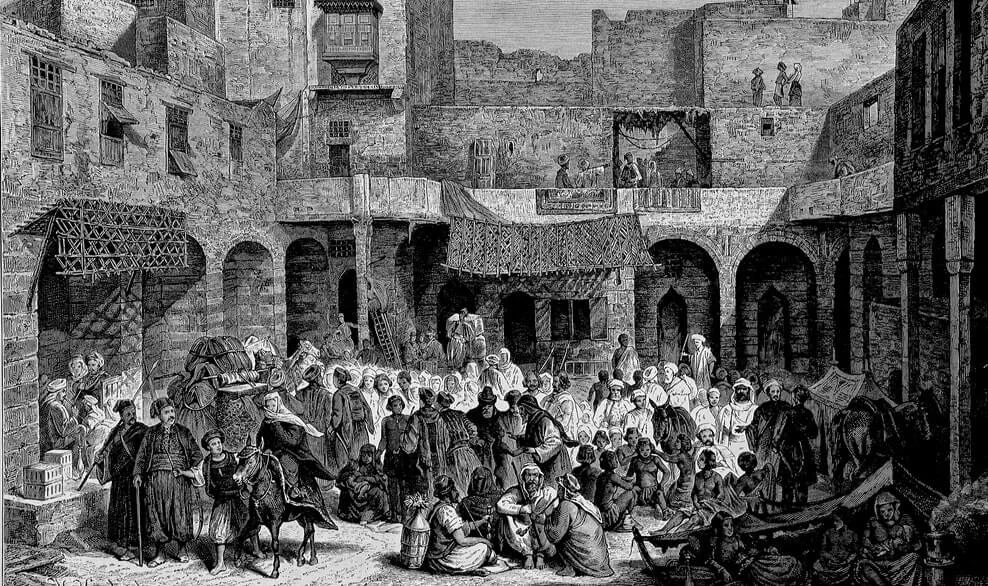
The pharaoh owned the majority of slaves, seeing them as a valuable resource. He could distribute them as rewards, assign them to temples, or use their labor for public works. While slaves could be bought and sold, records suggest there were no open, large-scale slave markets as seen in other ancient economies. Their value lay in their labor and potential skills rather than being a primary commodity for trade.
Limited Impact on Overall Production
Despite their various contributions, slaves did not form the backbone of Egypt’s economy. The vast majority of economic production, particularly in agriculture, rested on the shoulders of free Egyptians. Slavery’s role was more about supplementing the existing labor force and demonstrating the wealth and power of the elite and the state. It was an intertwined social and economic system that reflected the balance of power and the state’s needs at the time, rather than a system driving the entire economic output.
Life as a Slave in Ancient Egypt
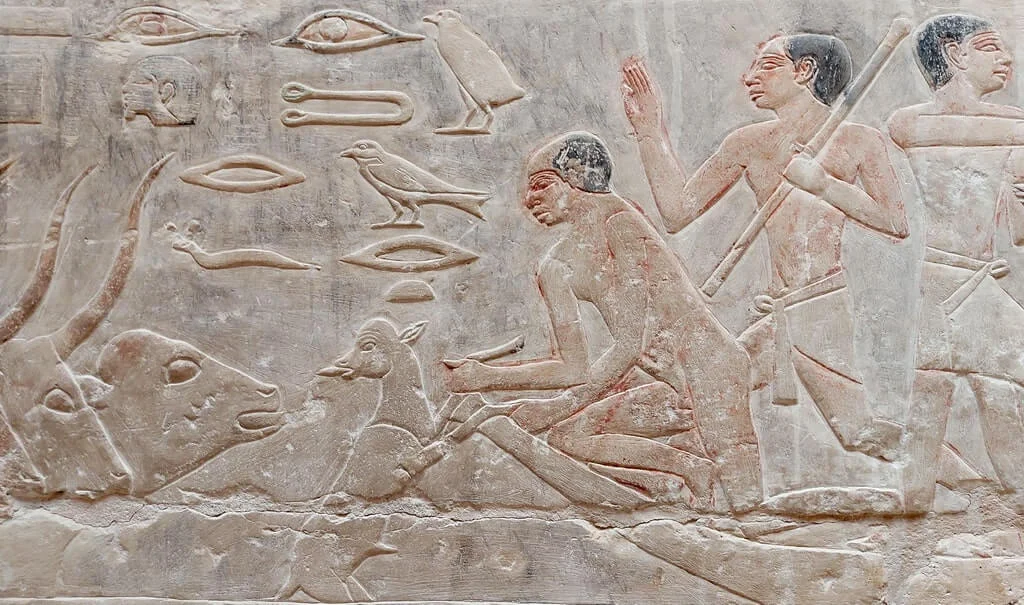
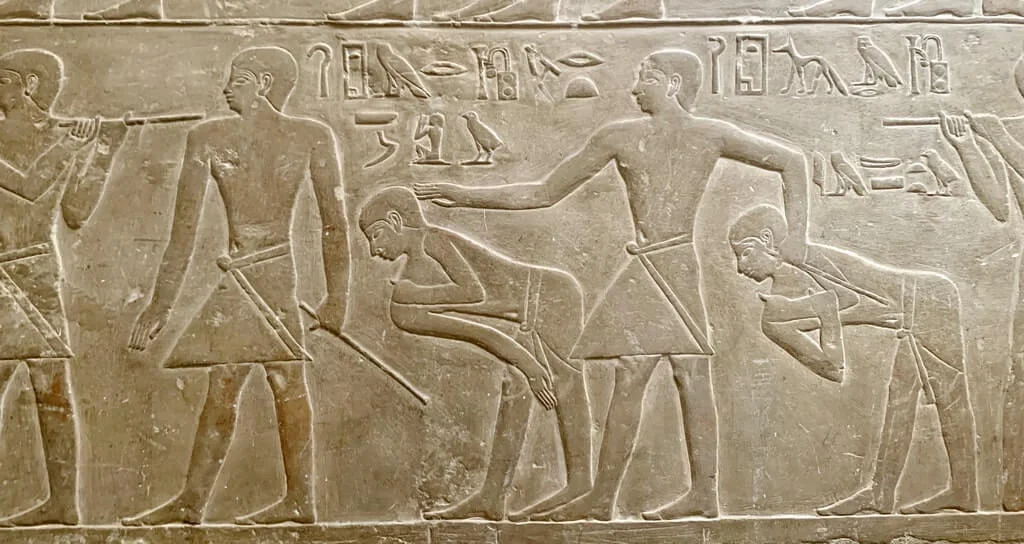
The life of a slave in ancient Egypt was highly varied and depended greatly on their owner and skills. While some slaves faced very difficult lives, others found themselves in roles that offered a degree of security and even a path to freedom. Slaves were at the bottom of the social pyramid, but they were not always a separate, stigmatized group. They had some legal rights, including the ability to own property, and could marry free Egyptians.
Slaves performed a wide range of jobs. Many worked as domestic servants in wealthy households, while others with skills became scribes, artisans, and musicians. Slaves also worked on large-scale state projects, such as building temples and quarries, alongside free laborers. The law protected them from severe abuse, and if an owner died without an heir, the state might grant the slaves their freedom. This system shows that slavery in ancient Egypt was not a static, hopeless condition.
How the Great Pyramids Were Not Built by Slaves
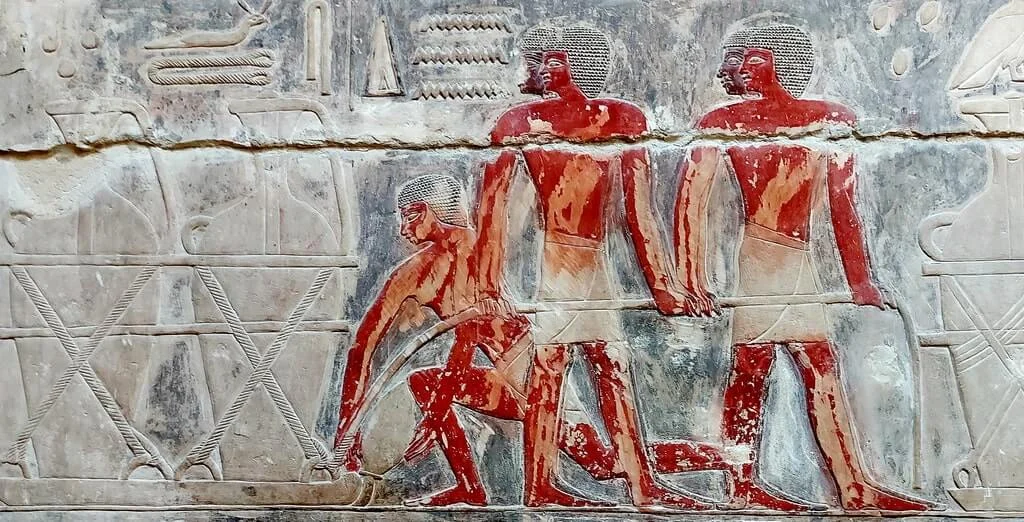
The idea that slaves built the Great Pyramids is a widely held but incorrect belief. Modern archaeology has overwhelmingly proven that free, paid Egyptian laborers and skilled craftsmen constructed these monumental tombs. This misconception largely comes from the ancient Greek historian Herodotus, who wrote about the pyramids centuries after they were built. Hollywood movies later popularized his account.
Evidence of Free Labor
Archaeologists have uncovered a wealth of evidence near the Giza plateau. They have found the remains of a vast workers’ village that housed thousands of people. These workers received consistent, high-quality meals, including a large supply of meat and beer. Their bones show signs of hard labor but also indicate that they received medical care, which slaves would not have.
The most compelling proof came from the discovery of the workers’ tombs. These tombs were located right next to the pyramids, a place of honor. This shows that the Egyptians highly respected these workers for their service to the pharaoh. Slaves would never have received such an honorable burial. Graffiti found on the tombs and pyramid stones reveals the names of the work gangs, such as “The Friends of Khufu Gang,” showing pride in their work.
The Motivation for the Builders
Building the pyramids was a matter of national and religious pride. Farmers and peasants often worked on the pyramids during the Nile’s annual flood season. The floods made farming impossible, so the work provided them with a way to earn a living. This was a form of national service to their divine pharaoh. The workers’ loyalty and skill, not forced servitude, built the last remaining wonder of the ancient world.