The Tomb of Ankh-Hor (TT414): A Sprawling Monument to the Saite Revival

The Tomb of Ankh-Hor (TT414) serves as a monumental tribute to the Saite Renaissance, showcasing the immense wealth of the 26th Dynasty. As the Steward of the Divine Adoratrice, Ankh-Hor designed a subterranean labyrinth that prioritized scale and classical elegance over traditional New Kingdom layouts. The complex is a masterpiece of archaism, where artists precisely revived the proportions and delicate low-relief styles of the Old Kingdom. Beyond its initial construction, the tomb’s four centuries of continuous use—stretching into the Ptolemaic Era—offers a unique archaeological timeline of ancient Theban funerary traditions. Today, it remains an essential site for understanding how Egypt’s Late Period elite used architectural grandeur to reclaim their national identity.

Deep within the Assasif necropolis, at the base of the Deir el-Bahari cliffs, lies one of the most ambitious monuments of the Late Period: The Tomb of Ankh-Hor (TT414). Most travelers focus on the royal chambers in the Valley of the Kings. However, the elites of the 26th Dynasty built sprawling, multi-level complexes that rivaled the grandeur of the Pharaohs themselves. Ankh-Hor was a titan of his era. As the Steward of the Divine Adoratrice of Amun, he controlled the economic and religious heart of Thebes. His tomb acts as a physical manifesto of the Saite Renaissance. During this time, Egypt reclaimed its classical identity after centuries of foreign rule.

Why TT414 is a Landmark of Ancient Art

The Tomb of Ankh-Hor is unique because of its massive scale. Unlike the small, single-hall tombs of earlier eras, TT414 is a subterranean labyrinth. It stands out for three main reasons:

  • Classical Revival: Artists looked back 2,000 years to the Old Kingdom. They recreated the “perfect” proportions of Egypt’s golden age.
  • Architectural Scale: The complex features vast open-air courts, pillared halls, and deep burial shafts.
  • Centuries of History: While Ankh-Hor built it in the 26th Dynasty, families reused the tomb for nearly 400 years. It offers a timeline stretching into the Ptolemaic Era.

In this guide, we will explore the intricate layout of the Ankh-Hor complex. We will analyze the “archaizing” style of its limestone reliefs and discover how this powerful official led a cultural revolution in Ancient Thebes.

FUN

Who Was Ankh-Hor? The Steward of Power

Who Was Ankh-Hor The Steward of Power

Ankh-Hor was not a king, but he lived like one. He served during the 26th Dynasty, specifically during the reign of Pharaoh Psamtik I and his successors. During this period, the central government in Sais (in the North) needed loyal men to manage the religious capital of Thebes (in the South). Ankh-Hor was their primary choice.

The Steward of the Divine Adoratrice

Ankh-Hor held the prestigious title of “Steward of the Divine Adoratrice.” The Divine Adoratrice (or God’s Wife of Amun) was a royal princess. She held the highest religious authority in Thebes.

As her Steward, Ankh-Hor was the practical “CEO” of her vast estate. His power included:

  • Financial Control: He managed the massive temple revenues, gold, and grain stores of the Amun cult.
  • Land Management: He oversaw thousands of acres of fertile Nile land owned by the religious institution.
  • Legal Authority: He acted as a high-level judge and administrator for the Theban population.

A Leader of the Cultural Renaissance

Ankh-Hor lived during a time of intense patriotism. After years of foreign rule, Egypt wanted to look “Egyptian” again. Ankh-Hor used his massive wealth to hire the best artists in the country. He instructed them to build a tomb that looked back to the Old Kingdom.

By choosing the Asasif valley, he placed himself at the heart of Theban history. He built his tomb near the great temples of the past to show that the 26th Dynasty was the true successor to the Pyramid builders.

A Dynasty of Priests

Archaeological evidence shows that Ankh-Hor was part of a powerful family line. His relatives also held high-ranking priestly positions. This “nepotism” was common in the Late Period. It allowed a few elite families to control the wealth of Egypt for centuries.

Expert Insight: When you look at the scale of TT414, you are looking at the wealth of the Amun cult. Ankh-Hor managed that wealth so well that he could afford a tomb larger than many royal pyramids from the later periods.

FUN

Inside the Sprawling Complex of TT414

Inside the Sprawling Complex of TT414

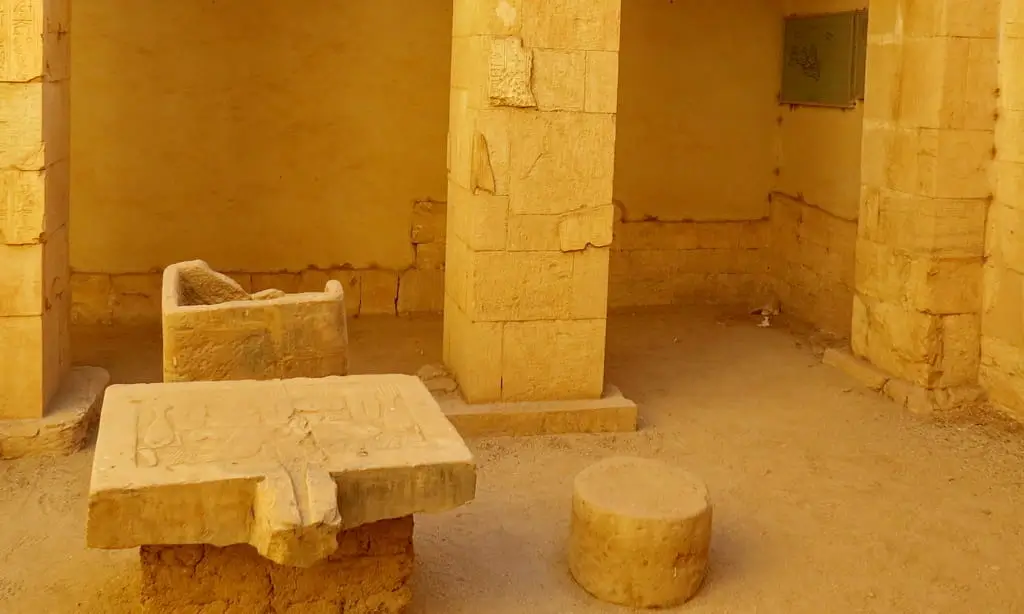
The Tomb of Ankh-Hor is a subterranean labyrinth. Unlike the simple T-shaped tombs of the New Kingdom, TT414 features multiple levels and dozens of chambers. Its design reflects the massive wealth and administrative ego of the Saite Period.

1. The Monumental Entrance

Your descent begins at a wide, steep ramp. This entrance was designed to impress. It led visitors from the bright desert heat into a cool, massive mud-brick gateway. Even today, the scale of the entrance signals the importance of the man buried within.

2. The Open-Air Sun Court

Most Late Period tombs in the Asasif valley feature a large, open courtyard. Ankh-Hor’s court is exceptional.

  • The Purpose: These courts allowed the “Sun God” to reach the deceased.
  • The Reliefs: Finely carved limestone walls surround the court. They show Ankh-Hor receiving offerings and performing religious rites.
  • The Scale: The court is deep and wide, providing enough space for large funerary processions.

3. The Pillared Halls and Labyrinths

Beyond the courtyard, the tomb turns into a maze.

  • Multiple Halls: The complex contains several halls supported by heavy pillars.
  • Decorative Themes: The artists focused on the “Archaizing Style.” They used clean lines and traditional scenes that mimicked the Old Kingdom.
  • Hidden Shafts: The floors contain various shafts leading to even deeper burial chambers.

4. The “Family Crypt” Phenomenon

One of the most fascinating aspects of TT414 is its reuse. Ankh-Hor built it for himself, but it did not stay empty.

  • 400 Years of Use: Generations of priests and officials used this tomb as a communal burial site.
  • Ptolemaic Discoveries: Archaeologists found hundreds of objects here from the Ptolemaic Period (the era of Cleopatra). This includes coffins, papyri, and shabti figures.
  • A Living Monument: The tomb was not just a grave; it was a functioning sacred space for centuries.
FUN

The Saite Renaissance: Reviving the Classical Spirit

The Saite Renaissance Reviving the Classical Spirit

The reliefs in the Tomb of Ankh-Hor represent more than just decoration. They represent a cultural “rebirth.” After years of foreign rule, the 26th Dynasty looked back 2,000 years to the Old Kingdom to define what it meant to be truly Egyptian.

The “Archaizing” Technique

Historians use the term Archaism to describe the style in TT414. It isn’t just a copy of the past; it is a sophisticated tribute.

  • The “Square” Grid: Artists returned to a traditional canon of proportions. They used a grid system to ensure every limb and torso matched the muscular, balanced look of the Pyramid builders.
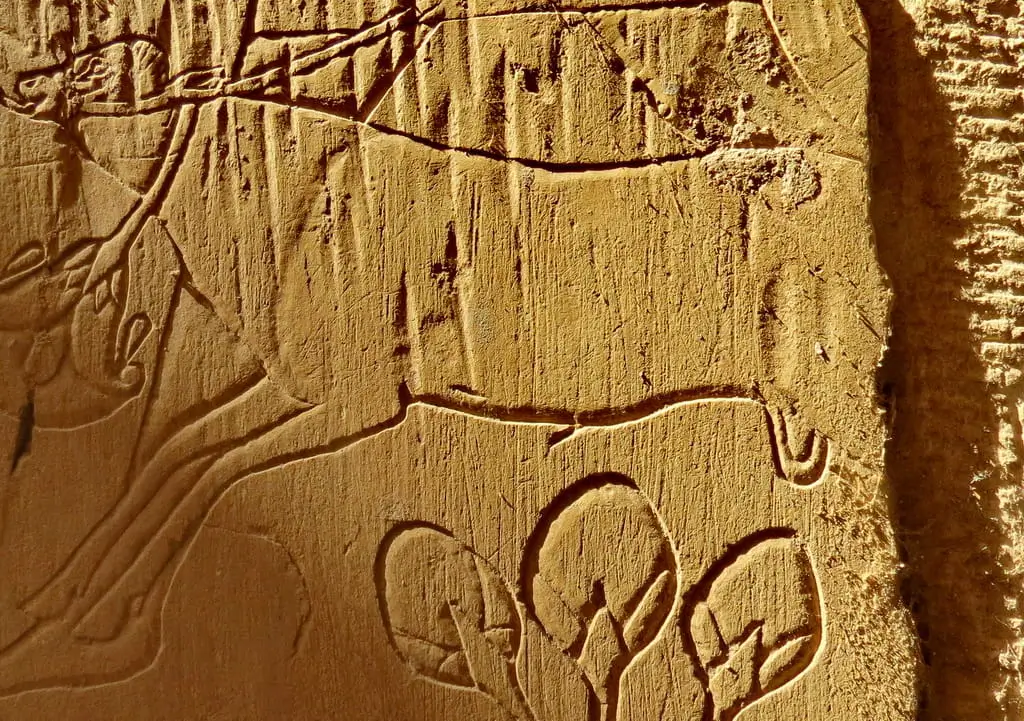
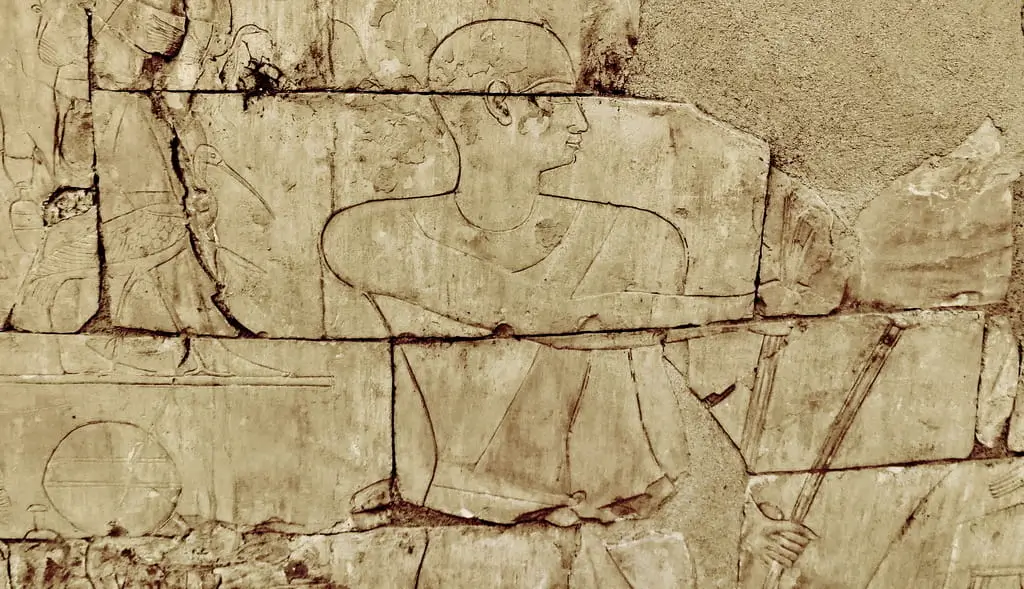
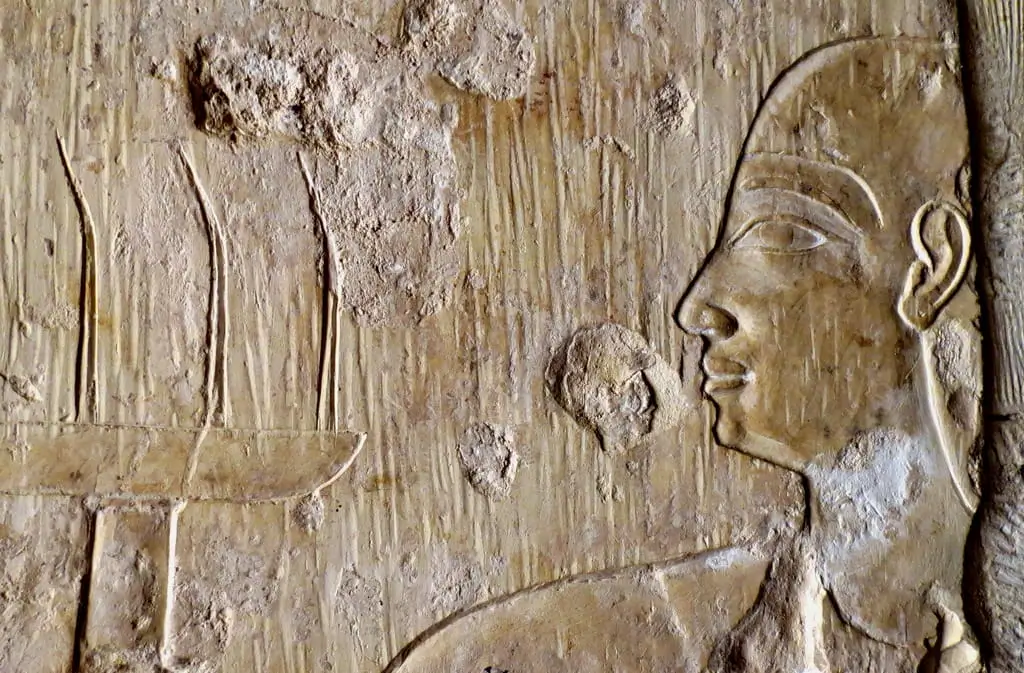
  • Low Relief Carving: Unlike the deep, sunken reliefs of the Ramesside period, Ankh-Hor’s artists used very shallow, delicate carving. This creates a subtle play of light and shadow on the limestone walls.
  • The “Second Mouth”: Look closely at the faces in the tomb. Saite artists often carved a slight “smile” or a double line at the corner of the mouth. This is a trademark of the 26th Dynasty that you won’t find in the Old Kingdom.

Themes of Daily Life and Religion

The wall scenes in TT414 bridge the gap between the living and the dead. While the Tomb of Pabasa focused on industry like beekeeping, the art here focuses on:

  • The Ritual of Opening the Mouth: Highly detailed scenes show priests performing the final rites to ensure Ankh-Hor could speak and eat in the afterlife.
  • The Procession of Offerings: Long lines of “offering bearers” carry food, drink, and linen toward the deceased.
  • Traditional Texts: The walls feature beautifully carved hieroglyphs from the Pyramid Texts and the Book of the Dead, blending ancient magic with modern (for the time) calligraphy.
FUN

Practical Tips for Visiting the Tomb of Ankh-Hor (TT414)

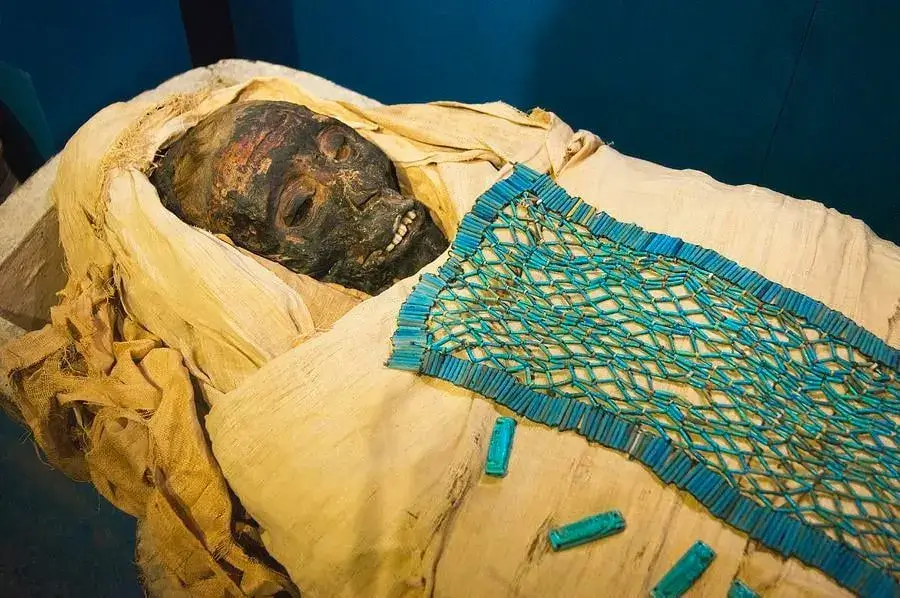
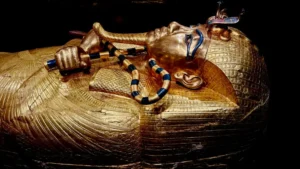
Mummy-of-Ankh-Hor - Practical Tips for Visiting the Tomb of Ankh-Hor (TT414)

Visiting the Asasif tombs requires a bit more planning than the more famous royal valleys. Here is how to make the most of your visit to Ankh-Hor.

1. The Right Ticket

You must purchase your ticket at the official West Bank Ticket Office (located near the Colossi of Memnon).

  • Ask for the “Asasif Tombs” ticket. It usually grants you entry to Pabasa (TT279), Kheruef (TT192), and Ankh-Hor (TT414).

2. Finding the Entrance

TT414 is located in the flat plain in front of the Temple of Hatshepsut. Look for the large, rectangular mud-brick structures. These represent the “superstructure” of the tombs. While they look like ruins from the outside, the magic happens once you descend the ramps.

3. Lighting and Visibility

Ankh-Hor is a deep tomb. While it has installed lighting, the deepest chambers can be dim.

  • Bring a small flashlight. This allows you to appreciate the fine chisel marks and the “second mouth” details on the reliefs.

FUN

Tomb of Ankh-Hor: A Journey Through Time

Tomb of Ankh-Hor A Journey Through Time

The Tomb of Ankh-Hor (TT414) is a sprawling masterpiece that proves the resilience of Egyptian culture. By looking backward, Ankh-Hor and his artists created something entirely new—a style that honored the ancestors while showcasing the wealth of the Saite Period.

Whether you are fascinated by the political power of the Divine Adoratrice or the delicate lines of classical Egyptian art, this tomb is an essential stop in Luxor. It isn’t just a grave; it is a bridge between the Pyramid Age and the era of Cleopatra.

Spend a short Christmas & New Year holiday in Egypt exploring the great legacy of the pharaohs....
Discover historical Egypt and Red Sea resorts....
FUN
God_Anubis_Icon

Great layover tour

First things first…I was in Cairo about a week before the protests of 2011 started. As far as the tour was concerned, I was very pleased. I was met at the airport by a knowledgeable guide (Sara) who spoke great English and a driver. They took me to Giza first,

More »
12 Days Solo Woman Tour Package (Queen Cleopatra)

Mohamed is Very Kind Person

Mohamed. I just want to thank you again for your kindness. You made our trip memorable. Give your family and the Egypt Fun Tours crew all my love and thank them again for me. Take care. Enjoy the season! Love. Linda

More »

Great one day tour in Cairo

My husband and I had a long layover in Cairo on our way to Kenya in 2010. Since we had never been to Egypt, we decided to sign up for a one-day tour with Egypt Fun Tours Day Trips. Our guide was there when we arrived and quickly guided us

More »
4-day-christmas-nile-cruise

Hossam Rashwan Tour Guide

We took this trip with Hossam Rashwan as our tour guide, and I must say that Hossam was the greatest tour guide in Luxor who showed us around. Our tour guide’s tales transported us to Luxor’s past, and we felt as if we were living in ancient Egypt. We really

More »
God_Anubis_Icon

Top-rated Tour Packages

God_Anubis_Icon