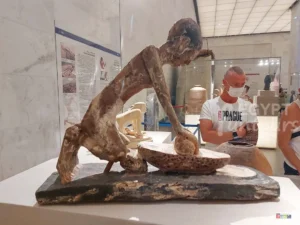
Religious Significance: The Cult of the Prince
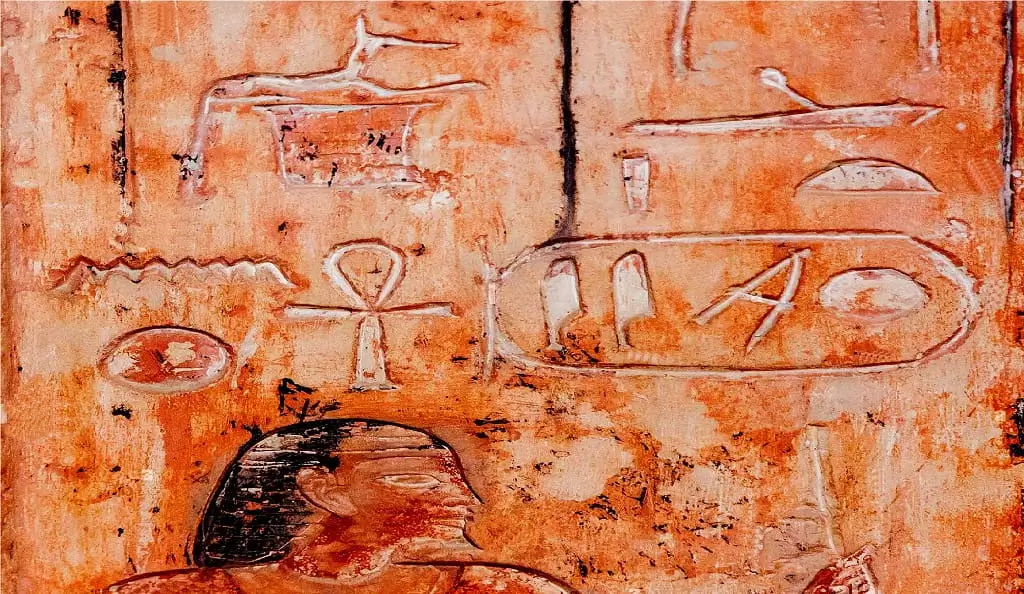
The Ritual of the “Opening of the Mouth”
Before the tomb was sealed, priests performed the “Opening of the Mouth” ceremony. They used symbolic tools to touch the face of the Prince’s statue and his reliefs. This ritual was believed to allow the Prince to breathe, eat, and speak in the afterlife.
The Role of the Hem-Ka (Soul Priests)
The Prince’s estate would have paid for a dedicated staff of priests, known as Hem-Ka. Their job was to:
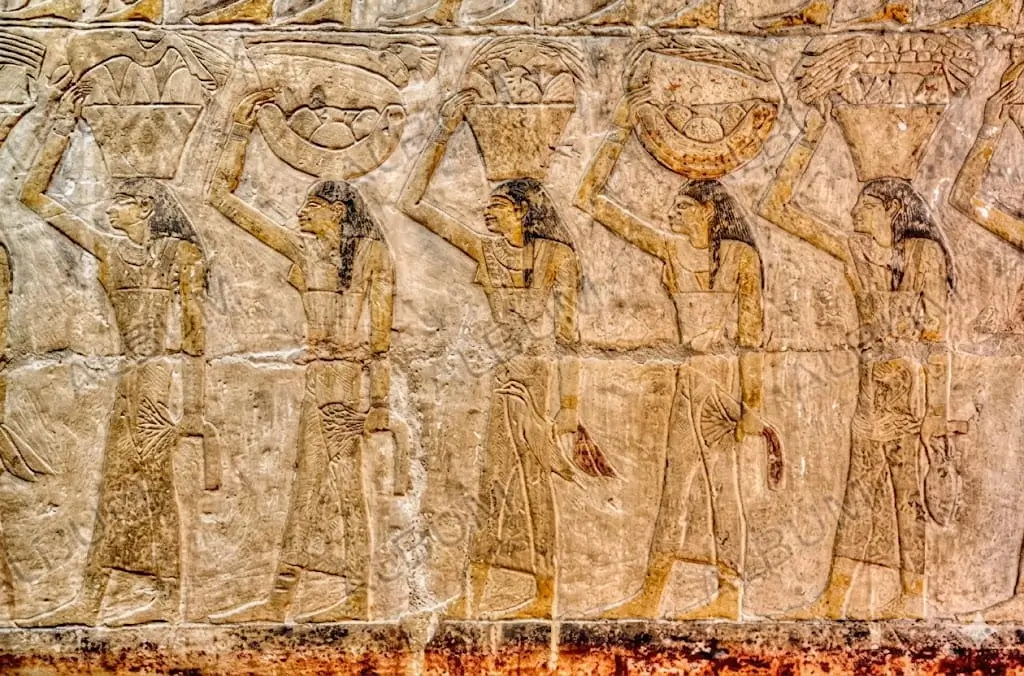
- Recite offering formulas daily.
- Bring fresh water and food to the offering table.
- Maintain the physical structure of the mastaba.
Without these rituals, the Egyptians believed the Prince would face a “second death”—total non-existence. By documenting these rituals in your content, you highlight the deep spiritual anxiety and hope of the Fifth Dynasty elite.
The Succession Crisis: How a Prince’s Death Changed History
The death of Prince Unas-Ankh did more than grieve a father. It shattered the direct line of the Fifth Dynasty. Historians often view this moment as a pivotal turning point for the Old Kingdom.
The End of a Golden Era
Pharaoh Unas ruled for approximately 30 years. During his reign, Egypt enjoyed stability and artistic growth. As the eldest son, Unas-Ankh prepared to take the throne. He studied the rituals, managed royal estates, and built his tomb near his father’s pyramid to show his status.
When Unas-Ankh died prematurely, he left no male heir to follow him. This tragedy forced the royal court into a difficult position. Pharaoh Unas reached the end of his life without a clear successor from his “body.”
The Rise of King Teti and the Sixth Dynasty
Nature abhors a vacuum, and so does Egyptian royalty. King Teti eventually seized the opportunity to lead. Most scholars believe Teti lacked royal blood. To bridge this gap, he married Princess Iput I.
Iput was the daughter of Unas and, likely, the sister of Unas-Ankh. By marrying her, Teti “bought” his way into the royal bloodline. This move effectively ended the Fifth Dynasty and birthed the Sixth.
Evidence in the Stones
We see the tension of this transition in the Saqqara necropolis itself. Unas-Ankh’s mastaba sits finished and grand, yet the nearby monuments of the Sixth Dynasty show a power shift. The viziers and high officials began to build even larger tombs. This suggests that while the King’s family struggled with succession, the “bureaucracy” gained more influence.
Visitor’s Guide: Exploring the Tomb of Unas-Ankh Today
For the modern traveler, Saqqara offers a more intimate experience than the crowded Giza Plateau. Visiting the Tomb of Unas-Ankh allows you to step away from the tour groups and see the Old Kingdom up close.
How to Find the Tomb
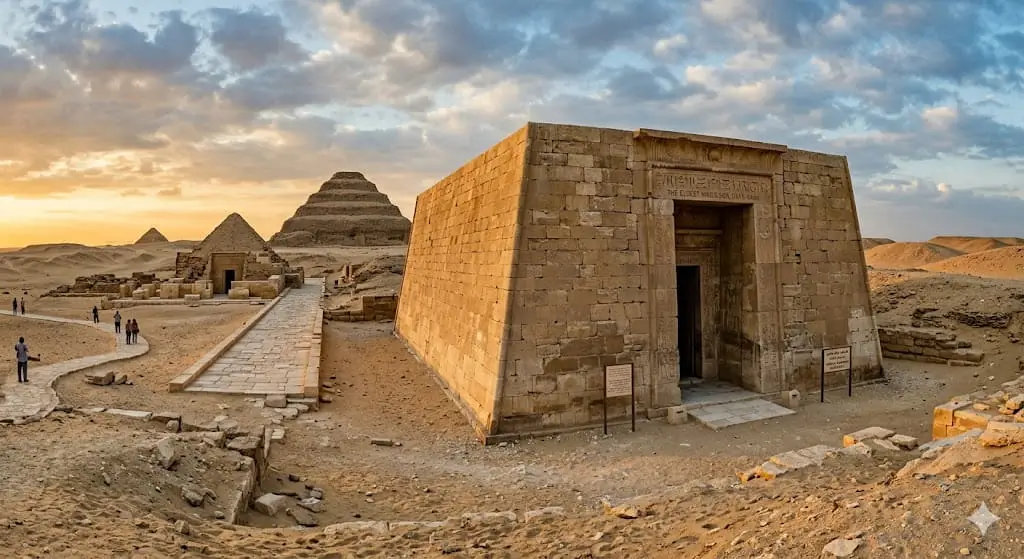
The mastaba sits in the North Cemetery of Saqqara. It rests on the northern side of the Unas Causeway. Most visitors walk right past it on their way to the Pyramid of Unas, but the discerning explorer knows to stop here first.
Essential Travel Tips
- Location: Saqqara Necropolis, roughly 30km south of Cairo.
- Timing: Arrive early at 8:00 AM to beat the heat and the crowds.
- Photography: Most tombs in Saqqara require a separate photography pass for professional cameras. However, you can often use a mobile phone for a small fee.
- Footwear: Wear sturdy shoes. The path along the causeway consists of uneven limestone and soft sand.
Why You Should Visit
While the Step Pyramid of Djoser is the “star” of Saqqara, the Tomb of Unas-Ankh provides the context. It shows the human side of royalty. You aren’t just looking at a pile of stones; you are standing in the memorial of a son who never got to fulfill his destiny.