Tomb of Huy (TT40): The Gateway to the Pharaoh’s Southern Empire

The Tomb of Huy (TT40) serves as a vital historical archive of Egypt’s southern empire during the reign of Tutankhamun. As Viceroy of Kush, Huy managed the logistics and diplomacy that fueled the 18th Dynasty’s wealth. His tomb is famous for its vibrant "tribute scenes," featuring rare depictions of African wildlife (giraffes) and massive quantities of Nubian gold. Historically and artistically, TT40 marks a critical transition point, blending the naturalism of the Amarna Period with the restored grandeur of traditional Theban art, offering a rare glimpse into the administrative power behind the boy-king’s throne.

Unlocking the Secrets of the Tomb of Huy (TT40)

Nestled in the hillside of Qurnet Murai on the West Bank of Luxor, the Tomb of Huy (TT40) stands as one of the most significant historical landmarks of the New Kingdom. While the world focuses on the golden treasures of Tutankhamun, this private tomb reveals the administrative backbone that made such wealth possible. It is the final resting place of Amenhotep, also known as Huy, the powerful Viceroy of Kush who served during the reign of the famous boy-king. As the “King’s Son of Kush,” Huy was far more than a court official; he was the supreme governor of Egypt’s southern empire. From the gold mines of the Eastern Desert to the deep trade routes of modern-day Sudan, Huy managed the logistics, taxes, and diplomacy that fueled the 18th Dynasty’s economy.

Why the Tomb of Huy (TT40) is Historically Unique

What makes Theban Tomb 40 a “must-see” for historians and travelers is its role as a vivid, colorful record of ancient international relations. Unlike typical religious tombs, TT40 functions as a diplomatic gallery. The wall paintings offer an unparalleled look at:

  • Unfamiliar African Tributes: Rare depictions of wildlife, including giraffes, cheetahs, and monkeys, brought from the heart of Africa.
  • The Wealth of Kush: Scenes showing massive rings of Nubian gold, ebony wood, and intricately decorated shields.
  • Ancient Diplomacy: Visual evidence of foreign princes and delegations arriving in Thebes to pay homage to Pharaoh Tutankhamun.

The Tomb of Huy: A Bridge Between Two Eras

Beyond its historical data, the tomb is an artistic masterpiece of the Post-Amarna Period. It captures a unique transition in Egyptian art—blending the traditional grandeur of Thebes with the fluid, expressive lines influenced by the era of Akhenaten.

For anyone seeking to understand the true reach of Tutankhamun’s Empire, the Tomb of Huy is an essential piece of the puzzle. It illustrates a time when Egypt was the undisputed center of the ancient world, commanding respect from the Mediterranean to the African interior. In this guide, we will dive deep into the life of the Viceroy, the meaning behind the famous tribute scenes, and the architectural secrets of this hidden gem in the Theban Necropolis.

Section Highlights: What You Will Learn

  1. The Life of Huy: A biography of the Viceroy of Kush.
  2. Visual Analysis: Decoding the giraffe and gold tribute scenes.
  3. The Tutankhamun Connection: How Huy’s work supported the boy-king’s reign.
  4. Artistic Style: The evolution of painting in the late 18th Dynasty.
FUN

The Viceroy of Kush: Authority and Governance in the New Kingdom

The Viceroy of Kush Authority and Governance in the New Kingdom

To grasp the magnificence of TT40, you must first understand the immense power its owner wielded. Amenhotep, called Huy, functioned as much more than a bureaucrat; he held the title of “King’s Son of Kush” (Viceroy). This position ranked as the most vital administrative role in the Egyptian Empire, trailing only the Vizier or the Pharaoh himself.

The Role of the “King’s Son of Kush”

During the 18th Dynasty, the “King’s Son” acted as the Pharaoh’s personal representative in the southern territories. Despite the formal title, the Viceroy rarely shared a biological link with the king. Instead, the Pharaoh hand-picked a trusted military or civil official based on his loyalty and logistical expertise.

Huy governed a massive jurisdiction, stretching from Aswan (Elephantine) to Napata near the Nile’s Fourth Cataract. His primary responsibilities included:

  • Collecting Taxes: He ensured the annual arrival of “tribute”—gold, ivory, and cattle—at the royal treasury.
  • Governing the Military: He maintained peace among Nubian groups and secured vital trade routes.
  • Overseeing Construction: He managed the building of temples and monuments dedicated to the Pharaoh throughout Nubia.

The Diplomatic Hierarchy: The Princes of Kush

The tomb walls reveal a fascinating strategy for imperial management: Indirect Rule. Huy appears alongside local Nubian elites, including Heqanefer, the Prince of Miam (modern-day Aniba).

The Egyptian court at Thebes often educated these local princes, who adopted Egyptian dress, language, and religion. This created a loyal puppet government, allowing Huy to control vast territories with a minimal Egyptian staff. In TT40, these princes appear not as defeated enemies, but as high-ranking partners within the imperial trade network.

Huy’s Career Under Tutankhamun

Huy served during a pivotal era of restoration. Following the death of Akhenaten, the young Tutankhamun returned the capital to Memphis and reinstated the cult of Amun at Thebes.

Huy shouldered the task of proving the empire’s continued strength. The lavish scenes in his tomb—displaying mountains of gold and unfamiliar wildlife—served as a bold political statement. They signaled that even after the “Amarna heresy,” the Pharaoh maintained an absolute grip on the southern gold mines.

Key Titles Held by Huy

To strengthen the SEO authority of your pillar, include these specific titles recorded in the tomb:

  • Viceroy of Kush: The supreme governor of the southern lands.
  • Overseer of the Southern Lands: The official in charge of administrative control.
  • Fan-bearer on the Right Side of the King: A high-court honor signifying physical proximity to Tutankhamun.
  • Royal Scribe: A title highlighting his literacy and elite status.

Historical Insight: The Viceroy’s office carried such weight that the holder maintained his own “court” in Nubia, mirroring the Pharaoh’s administration in Egypt. Huy’s ability to transport a giraffe over a thousand miles of desert and river proves the sophisticated logistical capabilities of the 1300s BCE.

FUN

Decoding the Tribute: Unfamiliar Wildlife and African Gold

Decoding the Tribute Unfamiliar Wildlife and African Gold

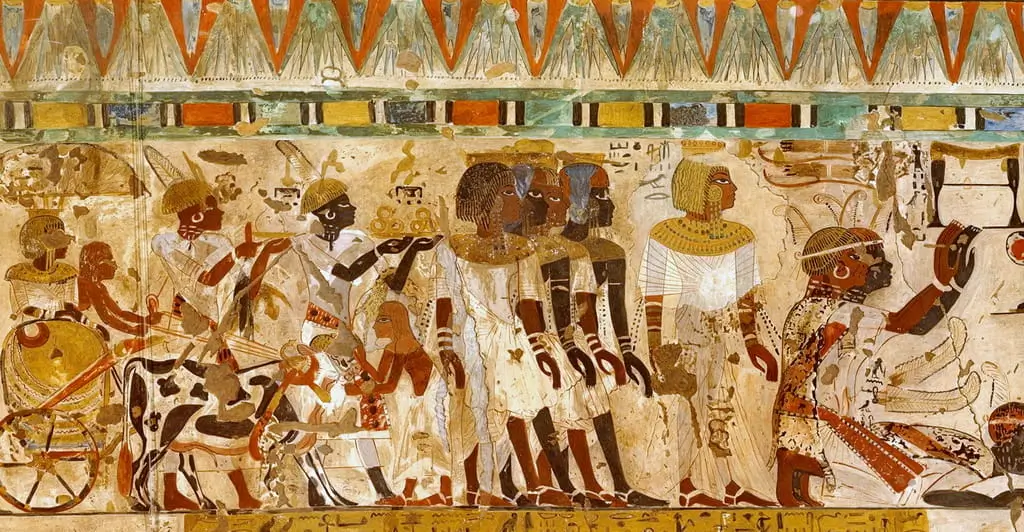
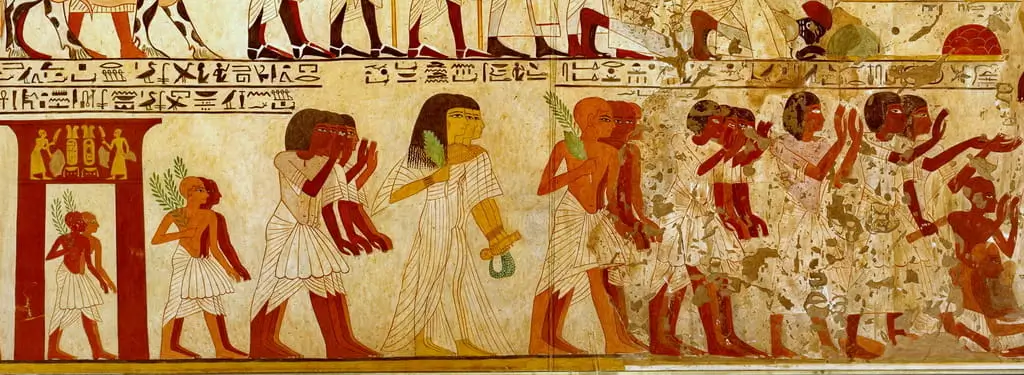
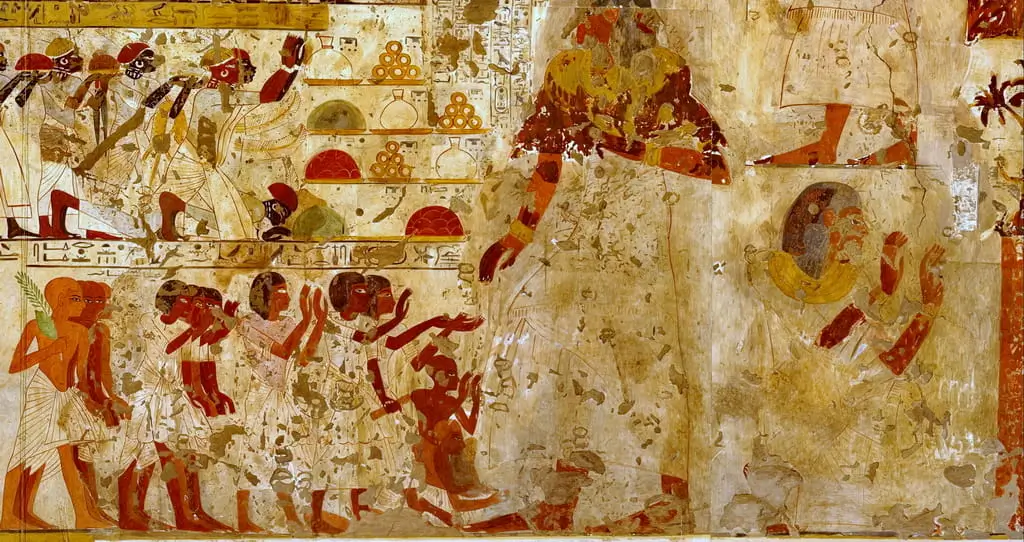
The most famous feature of TT40 is the vibrant, detailed procession of tribute from the south. These wall paintings provide a rare glimpse into the “Great Gathering” where Huy presents the riches of Kush to Pharaoh Tutankhamun. Unlike the standard offerings seen in other tombs, the scenes in Huy’s tomb serve as a visual inventory of the 18th Dynasty’s economic reach.

The Famous Giraffe of TT40

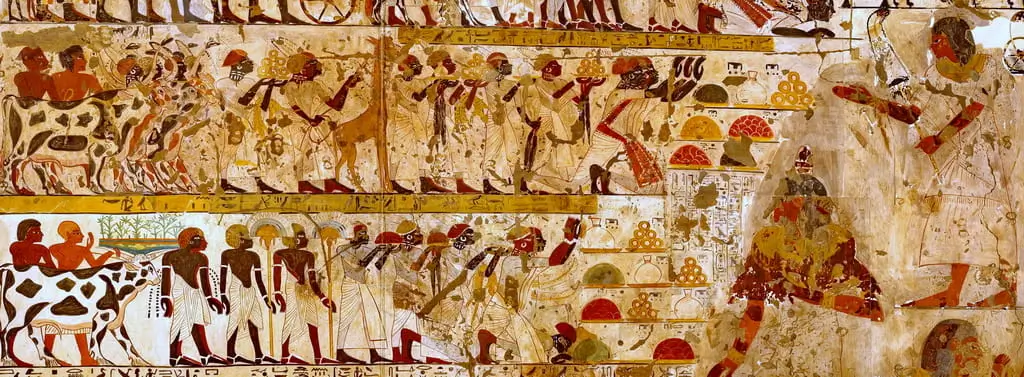
Perhaps the most iconic image in the entire tomb is the depiction of a living giraffe. This scene holds immense value for zoologists and historians alike. It demonstrates the extraordinary logistical effort required to capture a wild animal in the deep African interior and transport it thousands of miles north to the royal court at Thebes.

  • Detail and Realism: The artist captures the animal’s unique gait and patterned hide.
  • The Monkey: Look closely at the giraffe’s neck; a small monkey climbs toward its head. This playful detail suggests that the Egyptians viewed these animals as unfamiliar wonders rather than just livestock.
  • Symbolism: Presenting a giraffe to the King symbolized the Pharaoh’s dominion over the “ends of the earth.”

The “Mountain of Gold”

As the Viceroy of Kush, Huy controlled the primary source of Egypt’s wealth: the gold mines of the Wadi Allaqi and the Eastern Desert. The tomb paintings illustrate this wealth in several forms:

  1. Gold Rings: Bearers carry large, thick rings of solid gold. This was the standard form of bulk currency for major international transactions.
  2. Gold Dust: Smaller bags filled with gold dust represent the raw output of the southern mines.
  3. Finished Jewelry: The scenes display elaborate necklaces, pectorals, and armlets, proving that Nubian craftsmen were highly skilled in Egyptian styles.

Beyond Gold: Ebony, Ivory, and Hides

While gold dominated the economy, the “unfamiliar tribute” mentioned in your research also included vital raw materials for the Egyptian luxury market:

  • Ebony and Ivory: These materials were essential for the construction of royal furniture and ceremonial chariots.
  • Leopard Skins: Priests wore these skins during sacred rituals. The tomb shows them draped over the arms of the delegation.
  • Ostrich Feathers and Eggs: High-status items used for fans and decorative vessels.

The Catacombs of Kom Esh-Shokafa: Roman-Egyptian Underworld

Descend into one of the "Seven Wonders of the Middle Ages" at the Catacombs of...
Related post
FUN

The Artistic Layout of the Tribute Scene

The Artistic Layout of the Tribute Scene

Huy’s artists organized the tribute into distinct horizontal registers (rows). This layout allowed the viewer to “read” the wealth of the empire from top to bottom.

Category Typical Items Depicted Significance
Livestock Giraffes, long-horned cattle, and cheetahs Dominion over the wild and the domestic.
Raw Wealth Gold rings, ebony logs, elephant tusks The economic fuel of the 18th Dynasty.
Manufactured Gold-plated chariots, stools, shields Proof of industrial and artistic collaboration.

The Prince of Miam

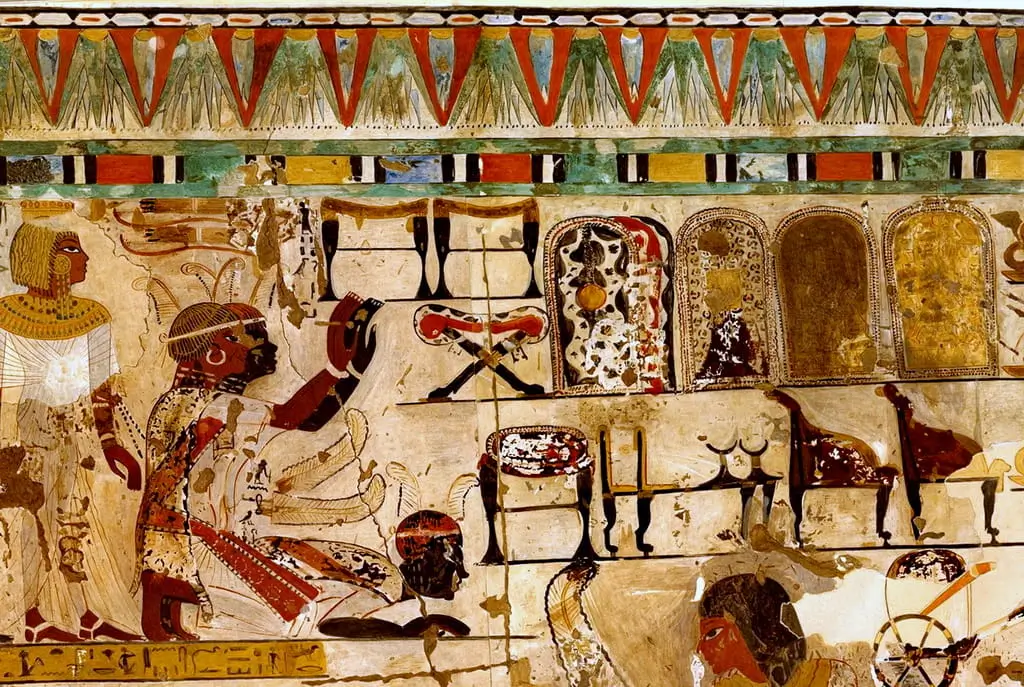
Among the delegation, you will see Heqanefer, the Prince of Miam. He is portrayed kneeling before Huy. Interestingly, he wears traditional Egyptian court clothing, but his features and the “tribute” behind him clearly identify his southern origins. This illustrates the successful “Egyptianization” policy that Huy managed throughout his career.

Historical Note: The precision of these scenes allowed early archaeologists to identify specific trade routes. The presence of certain minerals and woods proves that trade reached far beyond the Nile Valley, deep into the African savannah and the Red Sea hills.

Tomb of Neferhotep (TT49): The Chief Scribe & Ancient Karnak

The Tomb of Neferhotep (TT49) stands as one of the most significant architectural archives of...
Related post
FUN

The Royal Reception: Tutankhamun Seated in the Kiosk

The Royal Reception Tutankhamun Seated in the Kiosk

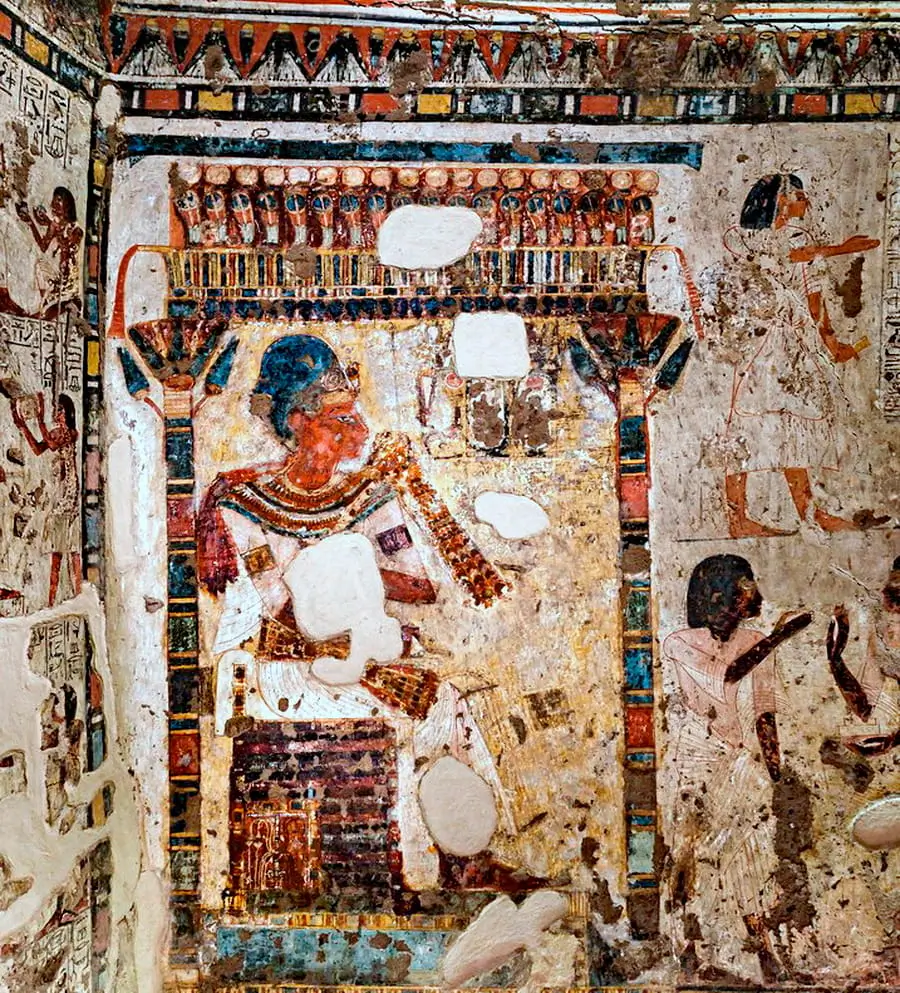
After documenting the vast riches of the south, the decorative program of TT40 culminates in a grand political-theater scene. This section depicts the formal presentation of these goods to the Pharaoh himself. For historians, this scene is a treasure trove because it provides one of the few contemporary portraits of Tutankhamun outside of his own royal tomb.

The Royal Kiosk and the Boy-King

The artists portray Tutankhamun seated majestically under an elaborate, gold-covered kiosk (a ceremonial pavilion). This scene serves a dual purpose: it honors the King’s sovereignty and validates Huy’s success as a high official.

  • Regalia and Status: The King wears the Blue Crown (Khepresh) and holds the crook and flail, symbols of his right to rule. He sits on a lion-legged throne, emphasizing his power over the “wild” forces of the south.
  • A Rare Glimpse of the King: Because many of Tutankhamun’s monuments were later usurped or destroyed by Horemheb and the 19th Dynasty, the clear depiction in Huy’s tomb remains an essential primary source for the King’s iconography.

The Interaction Between King and Viceroy

In this scene, Huy stands before the King, acting as the bridge between the foreign delegations and the Egyptian throne. This placement signifies Huy’s extreme proximity to power. He is not just a carrier of goods; he is the architect of the King’s wealth.

  1. The Fan-Bearers: As a “Fan-bearer on the Right Side of the King,” Huy or his attendants are shown holding ostrich-feather fans. This wasn’t just for cooling the King; it was a high-ranking military and courtly title that signified immense trust.
  2. The Speech of Praise: Inscriptions surrounding the scene record Huy’s formal address to the Pharaoh. He praises the King’s “victorious arm” and credits Tutankhamun’s divine favor for the abundance of the southern riches.

The Tomb of Pay and Raia: A Masterpiece of New Kingdom Art at Saqqara

The Tomb of Pay and Raia is a remarkable "temple-tomb" located in the New Kingdom...
Related post
FUN

Artistic Style: The Post-Amarna Transition

Artistic Style The Post-Amarna Transition

The Tomb of Huy offers a masterclass in the evolution of Egyptian art. It dates to a “transitional” period following the death of the “heretic” King Akhenaten.

Blending Two Worlds

During the Amarna period, art became fluid, naturalistic, and sometimes exaggerated. When Tutankhamun returned to Thebes, the artistic style began to shift back toward the traditional, rigid “Theban” style. However, the influence of Amarna remained.

  • Fluidity of Motion: Notice the “tribute bearers” in TT40. Their poses are more dynamic and less “stiff” than those in earlier 18th Dynasty tombs. There is a sense of movement in the way they lead the cattle and carry the gold.
  • Attention to Detail: The realism in the animals—the giraffe’s spots and the cattle’s horns—reflects the Amarna interest in the natural world.
  • The Royal Physique: While Tutankhamun is shown in a traditional pose, his belly and facial features still carry subtle echoes of the “Amarna style” soft anatomy.

The Use of Color and Pigment

The preservation in TT40 is remarkable. The artists used a vibrant palette of Egyptian Blue, yellow ochre (representing gold), and deep red-browns for the Nubian delegation’s skin tones. This contrast helps the viewer distinguish between the different ethnicities and regions represented in the tomb, from the lighter-skinned “Asiatics” to the darker-toned “Kushites.”

Significance for Modern Tourism and Research

Significance for Modern Tourism and Research

The Tomb of Huy (TT40) remains a cornerstone for anyone studying Ancient Egyptian trade, the Viceroyalty of Kush, or the Restoration Period of Tutankhamun. While the Valley of the Kings shows us how the Kings died, the Tomb of Huy shows us how they—and their empire—lived.

Traveler Tip: Because TT40 is located in Qurnet Murai, it receives far fewer visitors than the tombs in Sheikh Abd el-Qurna. This often allows for a more quiet, intimate study of the wall paintings, which is essential for appreciating the fine details of the giraffe and the gold rings.

Enjoy 8 / days Nile River cruises from Hurghada to Luxor and Aswan to visit Luxor and Aswan attractions, then back to your hotel Hurghada....
Enjoy comfort, harmony, and bliss....
FUN
God_Anubis_Icon
Amir review, October, 2025

BEST EGYPT VISIT EVER

My entire family enjoyed every day of our EGYPT 🇪🇬 vacation.. Our tour guide helped us set up the entire trip from beginning to end .. He helped us in every way .. Transportation, meals , shopping , museum , history , just everything .. and my kids love him

More »

Cairo Day Trip

My day trip to Cairo was brilliant, and close to the best one-day experience of my life. Hani was an amazing ambassador for his city and country; his wealth of knowledge, courtesy, and good humour was awesome. The itinerary was perfect, I visited most of the famous landmarks as well

More »
4-day-christmas-nile-cruise

Hossam Rashwan Tour Guide

We took this trip with Hossam Rashwan as our tour guide, and I must say that Hossam was the greatest tour guide in Luxor who showed us around. Our tour guide’s tales transported us to Luxor’s past, and we felt as if we were living in ancient Egypt. We really

More »

Great shore excursion of Cairo & Giza

We are glad that we arranged our private shore excursion with Egypt Fun tours in last week of October 2012. Booking process was very easy with Hamada and she took care of all our questions promptly just via E-mail. Our group was little worried about safety in Egypt especially because

More »

Day Trip to Alexandria

An enjoyable drive from Cairo to Alexandria. It was an enriching trip. I learnt so much history about the ancient civilisation. The tour guide explained the history of each site we visited. There is so much to see. I would definitely highly recommend visiting Alexandria. It’s rich in history. The

More »
God_Anubis_Icon

Top-rated Tour Packages

God_Anubis_Icon