
The Temple of Amada: History, Architecture, and the Great Move

The Temple of Amada is the oldest Egyptian monument in Nubia and a masterpiece of New Kingdom art. While smaller than its neighbors, it features the region’s most vibrant, well-preserved reliefs from the reigns of Thutmose III and Amenhotep II. Beyond its ancient history, the temple represents a modern engineering triumph; to protect its delicate paintings from Lake Nasser, French engineers moved the entire structure in one piece on a specialized rail system. Today, it stands as an essential "hidden gem" for travelers seeking the finest examples of 18th Dynasty craftsmanship.

The Temple of Amada: Nubia’s Oldest Architectural Masterpiece

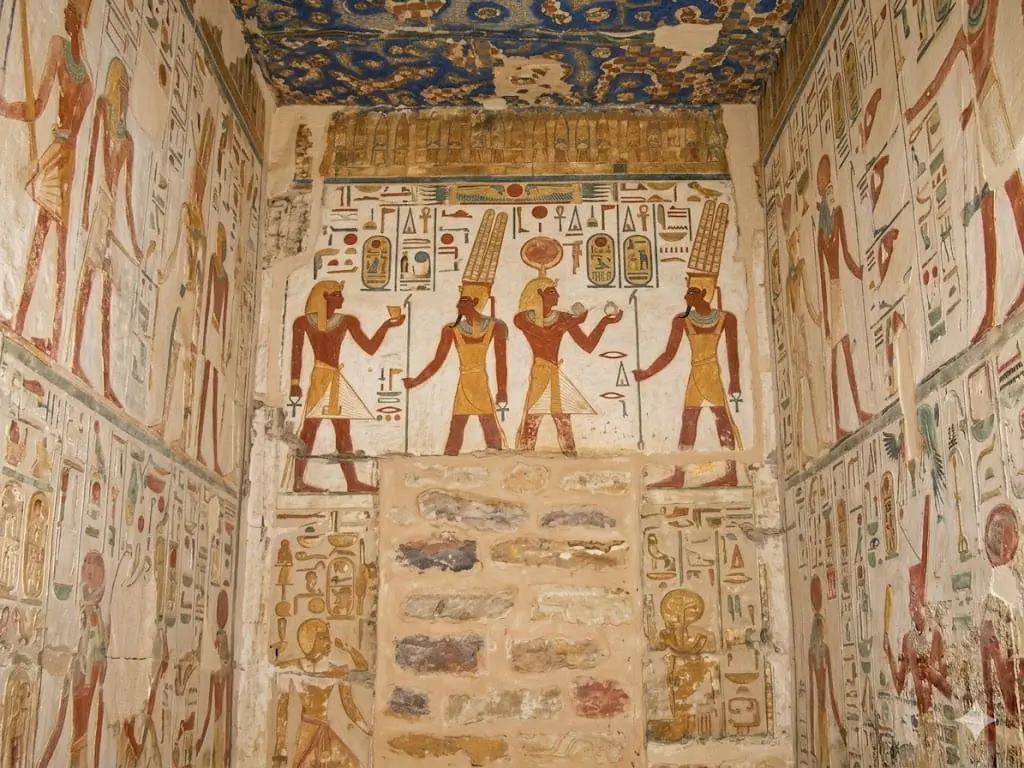
The Temple of Amada stands as a profound testament to the artistic and political ambitions of the 18th Dynasty, rising from the golden sands above Lake Nasser. While the colossal scale of Abu Simbel often captures the global spotlight, Amada offers travelers a more intimate and sophisticated encounter with the past. As the oldest Egyptian temple in Nubia, its foundations reach back nearly 3,500 years to the reigns of Thutmose III and Amenhotep II. It serves not merely as a place of worship, but as a vibrant historical archive that houses some of the most finely executed painted reliefs and significant military stelae in the Nile Valley.

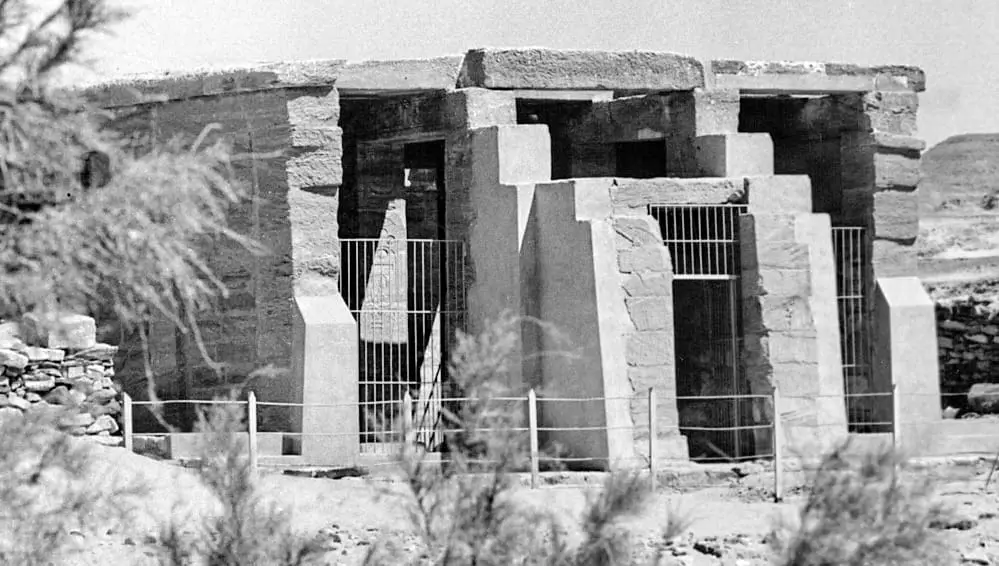
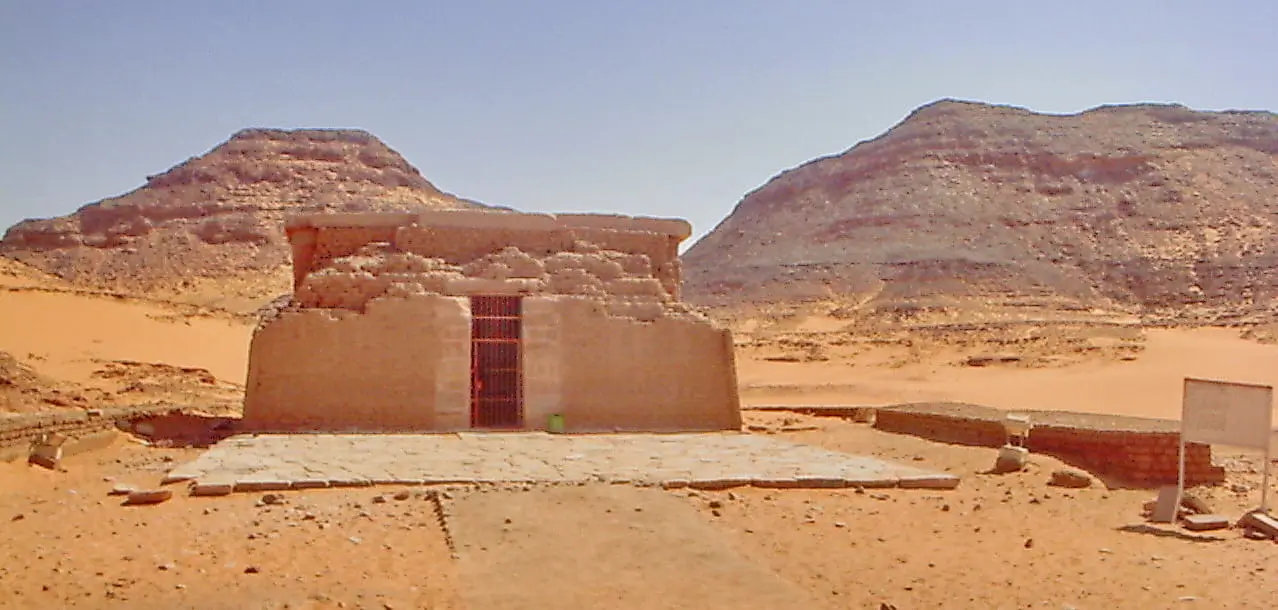
The temple’s survival tells a story of two eras: the ancient age of its creation and the modern era of its salvation. During the 1960s, the construction of the Aswan High Dam threatened to submerge the treasures of Lower Nubia, forcing the Temple of Amada into a daring and unique UNESCO salvage operation. Because the temple’s fragile interiors made dismantling it block by block impossible, French engineers devised a brilliant alternative. They placed the entire structure on rails and moved it as a single unit to its current home. Today, it remains a “hidden gem” for researchers, offering a window into the peak of New Kingdom artistry and the enduring legacy of Egypt’s southern expansion.
FUN

Royal Patronage and the 18th Dynasty Construction

Royal Patronage and the 18th Dynasty Construction

The architectural evolution of the Temple of Amada reflects the peak of the New Kingdom’s imperial expansion into Nubia. While many associate the region with later Ramesside monuments, Amada remains the oldest Egyptian temple in this territory, serving as a critical historical anchor for the 18th Dynasty.

The Core Sanctuary: Thutmose III and Amenhotep II

The Core Sanctuary Thutmose III and Amenhotep II

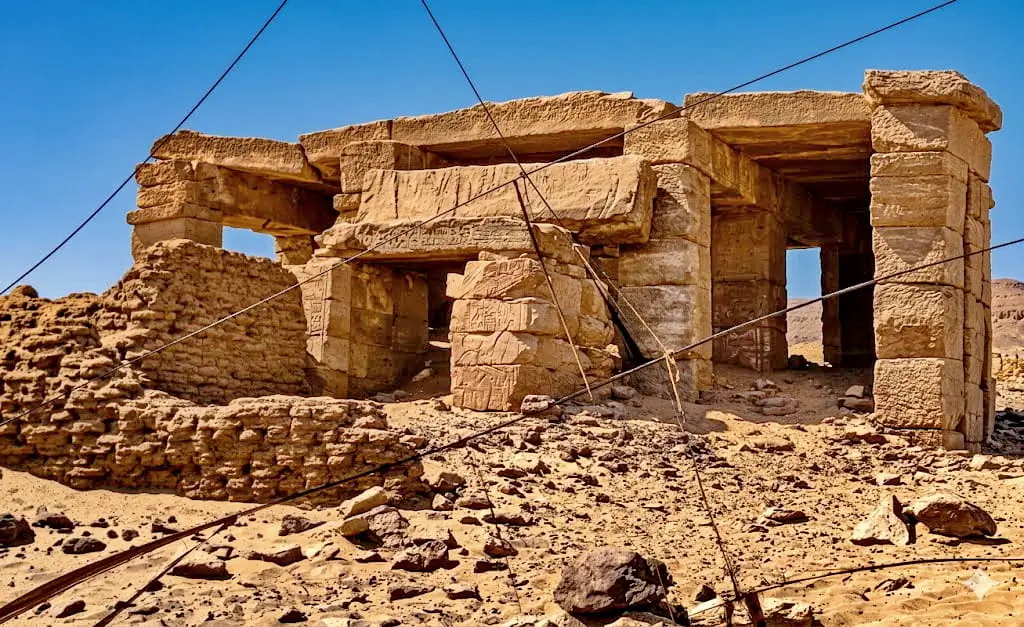
Pharaohs Thutmose III and Amenhotep II jointly established the primary structure. Originally, the temple featured a small sanctuary, a cult room, and a modest brick pylon. These monarchs dedicated the temple to two powerful solar deities: Amun-Re and Re-Horakhty. This dual dedication emphasized the Pharaoh’s divine right to rule and their connection to the sun’s life-giving power.

Temple of Amada: Expansion Under Thutmose IV

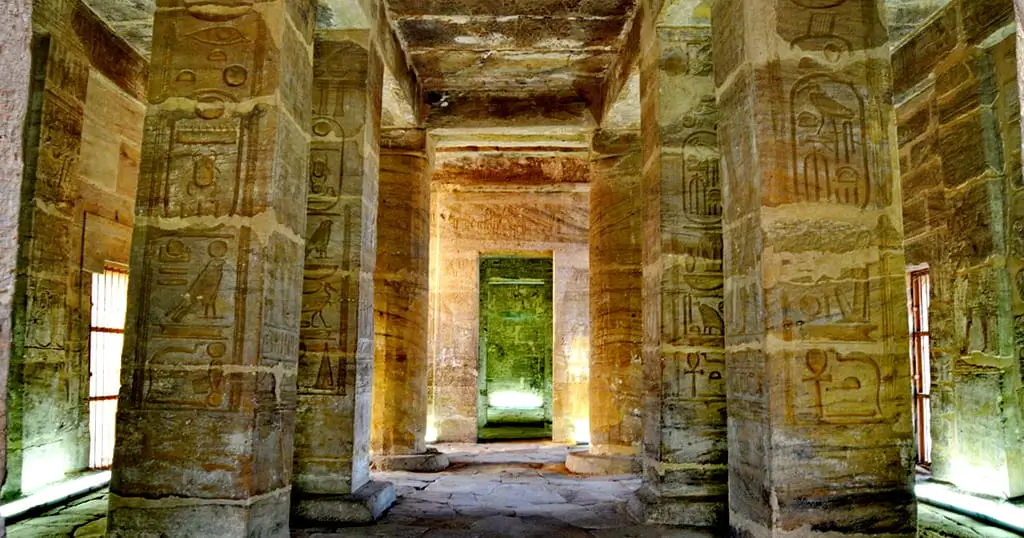
Following his predecessors, Thutmose IV significantly expanded the temple. He transformed the open forecourt by covering it with a roof supported by twelve impressive proto-Doric columns. This addition shifted the architectural profile of the site, creating a more enclosed and sacred atmosphere that led worshippers toward the inner sanctuary.

Temple of Amada: 19th Dynasty Restorations

19th Dynasty Restorations

Centuries later, prominent 19th Dynasty rulers recognized the temple’s enduring significance. Seti I and Ramesses II both commissioned extensive restoration works to preserve the site’s integrity. These interventions ensured that the delicate reliefs remained intact even as newer, larger monuments like Abu Simbel were rising nearby.

FUN

Masterpieces in Stone: The Artistry and Reliefs of Amada

Masterpieces in Stone The Artistry and Reliefs of Amada

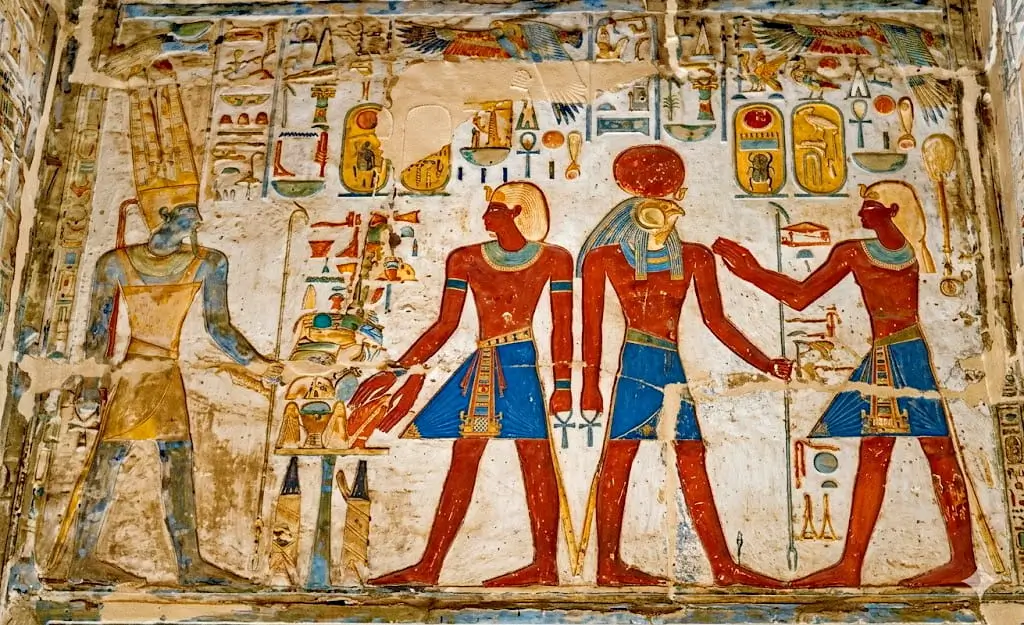
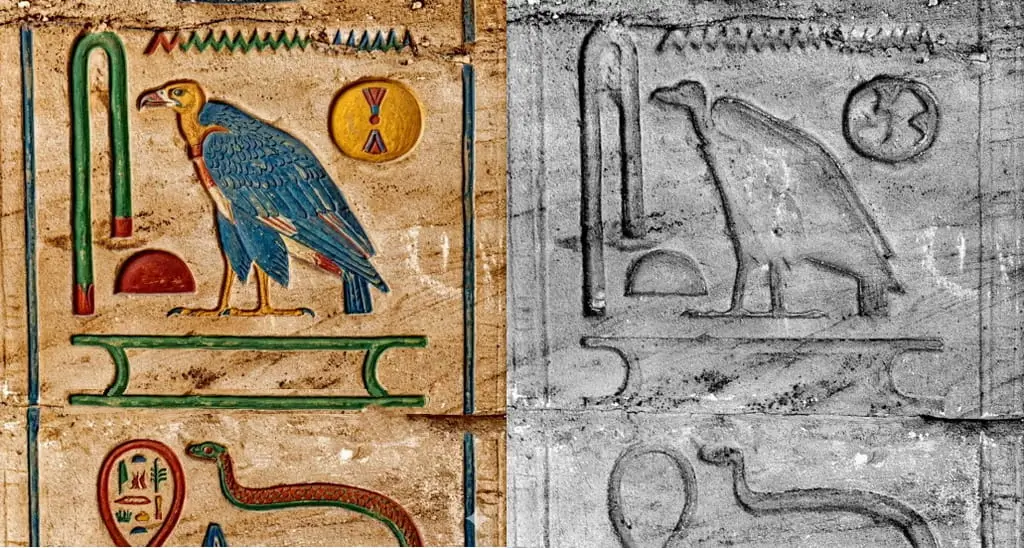
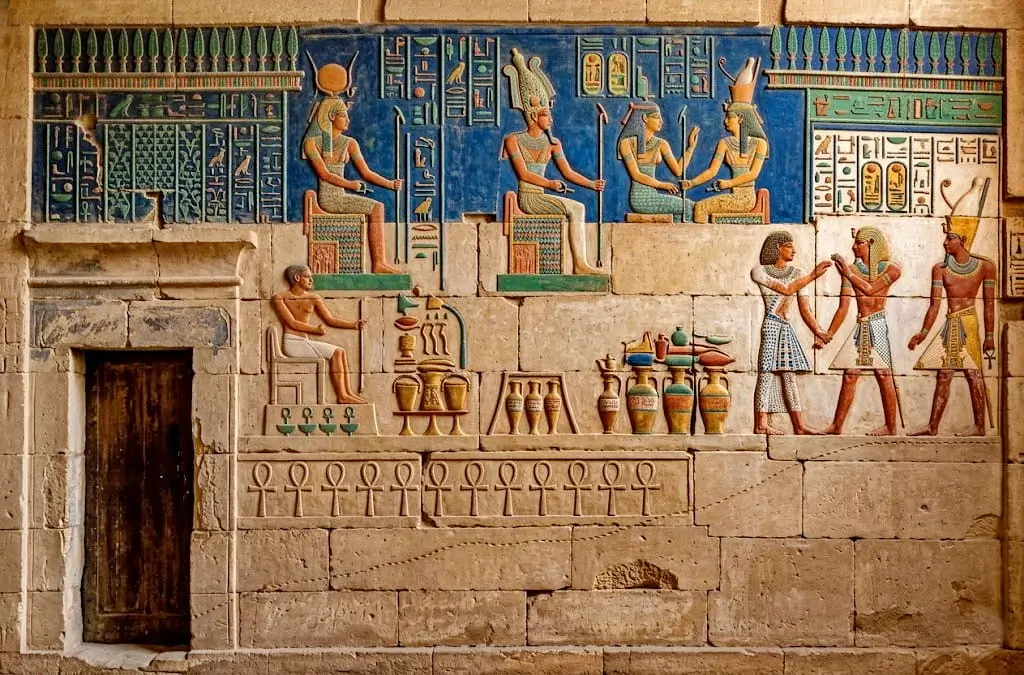
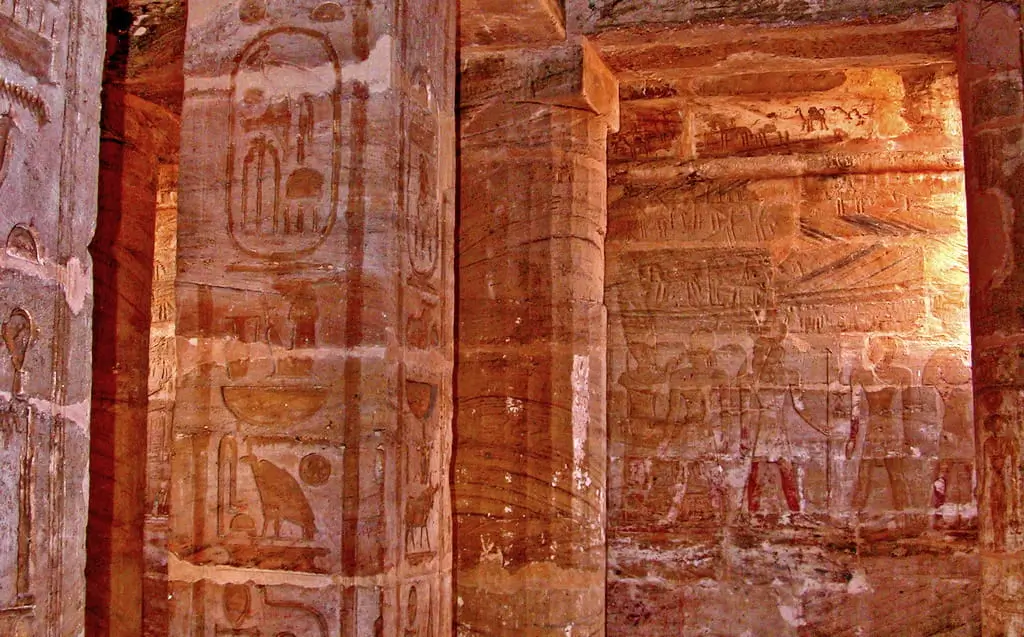
The Temple of Amada holds a reputation among Egyptologists for containing some of the finest painted reliefs from the 18th Dynasty. Because the temple predates the massive, deep-cut carvings of the Ramesside period, the artwork here displays a delicate, low-relief style that captures incredible detail in the sandstone surfaces.

Temple of Amada: Vibrant Iconography and Preservation

Vibrant Iconography and Preservation

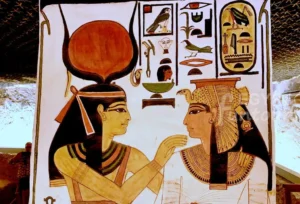
Unlike many Nubian sites where centuries of erosion or sand have stripped away the original pigments, the inner chambers of Amada retain their vivid colors. These scenes depict the pharaohs interacting with the gods, receiving the symbols of life and power. The quality of these carvings often surpasses the work found at larger monuments, offering a more refined look at New Kingdom artistic standards.

Temple of Amada: The Historical Stelae

Two major historical records within the temple provide invaluable data for researchers:

  • The Amenhotep II Stela: Located on the rear wall of the sanctuary, this inscription details the pharaoh’s military campaign in Asia and his personal strength. It describes his return to Egypt with captured rebel chiefs and his dedication of these victories to the gods.
  • The Merneptah Stela: This later addition records the defense of Egypt against a Libyan invasion, reinforcing the temple’s role as a site for documenting royal military achievements.

Abydos Temple: The Sacred Home of Osiris & the Masterpiece of Seti I

Take a pilgrimage to Abydos, the sacred "home" of the god Osiris and the spiritual...
Related post
FUN

The Engineering Miracle: Moving the Temple in One Piece

The Engineering Miracle Moving the Temple in One Piece

The most unique aspect of Amada’s modern history is its relocation between 1964 and 1975. While other monuments like Abu Simbel were cut into segments, the fragile nature of Amada’s painted reliefs meant that sawing the walls would have destroyed the artwork.

French engineers designed a specialized solution:

  1. Reinforcement: They encased the entire temple in a protective support structure.
  2. The Rail System: They placed the structure on a massive set of rails.
  3. The Journey: Over several months, they pushed the temple approximately 2.5 kilometers inland and 65 meters higher than its original location.

This remains one of the most significant engineering feats of the UNESCO salvage operation, ensuring the “hidden gem” of Nubia survived the rising waters of Lake Nasser.

Navigating the Legacy: Visiting the Temple of Amada Today

Navigating the Legacy Visiting the Temple of Amada Today

Furthermore, planning a visit to this historical sanctuary requires a bit more coordination than a standard trip to Giza, as its remote location above Lake Nasser makes it a true explorer’s destination. Consequently, the most seamless way to experience the temple is through a Lake Nasser cruise, which typically includes Amada as a primary stop on the journey between Aswan and Abu Simbel.

Beit el-Wali: The Vibrant Military Masterpiece of Ramesses II

The Temple of Beit el-Wali, the oldest of the Nubian monuments built by Ramesses II,...
Related post
FUN

Travel Logistics and Itinerary Planning

Travel Logistics and Itinerary Planning

In addition to its historical allure, the site’s modern placement near the Temple of Derr and the Tomb of Pennut allows travelers to witness three distinct archaeological styles in a single afternoon. To begin with, you should consider the following logistics when adding Amada to your tour:

  • Access: Most visitors reach the site via cruise ships, which dock nearby and allow for a short walk or a quick ride to the temple entrance.
  • Timing: Because the temple interior is relatively small, a guided tour usually takes about 45 to 60 minutes, providing ample time to examine the delicate 18th Dynasty reliefs in detail.
  • Photography: Given that the colors inside the sanctuary are exceptionally well-preserved, photographers often find the morning light most flattering for capturing the sandstone textures and vibrant pigments.

Colossi of Memnon: The Giant Guardians of Luxor’s West Bank

Make your first stop on the Luxor West Bank at the Colossi of Memnon. These...
Related post
FUN

FAQs about the Temple of Amada

FAQs about the Temple of Amada

  • What makes the Temple of Amada unique compared to other Nubian temples? It holds the title of the oldest Egyptian temple in Nubia and showcases exceptionally well-preserved 18th Dynasty painted reliefs. Furthermore, unlike other monuments that workers cut into blocks, French engineers moved this entire temple in one piece on rails to protect its fragile artwork.
  • Which pharaohs built the temple? Pharaohs Thutmose III and Amenhotep II jointly established the core sanctuary. Later, Thutmose IV added the pillared forecourt, while 19th Dynasty rulers Seti I and Ramesses II conducted extensive restoration work.
  • Which deities did the temple honor? The builders primarily dedicated the temple to the solar deities Amun-Re and Re-Horakhty.
  • How did engineers relocate the temple during the construction of the Aswan High Dam? Since sawing the walls would have destroyed the delicate painted reliefs, French engineers devised a specialized solution. They encased the structure, placed it on a massive system of rails, and pushed the entire temple approximately 2.5 kilometers inland to higher ground.
  • What important historical records does the site contain? The temple houses two significant inscriptions: the Amenhotep II Stela, which details military victories in Asia, and the Merneptah Stela, which records the defense of Egypt against a Libyan invasion.
  • How can travelers reach the Temple of Amada today? Most travelers visit the site via a Lake Nasser cruise. These itineraries typically include Amada as a primary stop between Aswan and Abu Simbel, often pairing it with visits to the nearby Temple of Derr and the Tomb of Pennut.
Explore Egypt's Metropolitan Cities: 4-Day Private Tour of Cairo & Alexandria...
Tour package to make your vacation a reality....
FUN
God_Anubis_Icon
13-day Egypt guided tour package - Egypt Fun Tours

Easily the best two days of the year!

We were doing the 14-day Mediterranean cruise and were in Egypt for two days. I was searching the internet for about 4 days and finally found Egypt Fun Tours as my guide in Egypt. It ended up being the best 2 days of the entire cruise trip. Since this is

More »

Cairo Day Trip

Great trip organised. I had a 12-hour layover in Cairo and had a great time with Sherif, who answered every question I had on ancient Egypt. Highly recommend.

More »

Great Walking Tours!

My husband & I were very very happy with the walking tour we took with Egypt Fun on Nov 26. Our guide (Manal) was amazing & very very knowledgeable. Thanks to Manal, we were able to really get a very good understanding of the city, its history & its great

More »

Amazing tour to the pyramids of Sakkara and Dahshur

This week we had a great tour with Mohamed to the pyramids of Sakkara and Dahshur, as well as Memphis. He tailored the tour to our preferences, took a lot of time with us, and gave us detailed background information on everything. It was also great that he never tired

More »

Amazing Experience

Hamada was incredible! So knowledgeable and kind. He had information about every item, street corner, and relic we looked at. Any questions we had, he had answers! He even made sure to give us tips while walking through the crowds so that we would feel more comfortable when being approached

More »
God_Anubis_Icon

Top-rated Tour Packages

God_Anubis_Icon