The Historical Significance of Tuna el-Gebel
Deep within the Minya Governorate, the desert sands of Tuna el-Gebel guard a sprawling necropolis. This site served as the eternal resting place for the ancient city of Hermopolis Magna. While popular routes often bypass this region, those who venture here discover a vital spiritual crossroads. This vast landscape represents more than just a cemetery. Furthermore, it acts as a silent archive of the transition between Pharaonic traditions and the Greco-Roman world.
Tuna el-Gebel: The Sacred Domain of Thoth
Historically, the city achieved fame as the sacred domain of Thoth. He reigned as the god of wisdom, writing, and the moon. Consequently, pilgrims traveled from across the Nile Valley to this desert edge to honor the deity. They also sought divine justice through his power. Today, the site offers three distinct and powerful experiences for the modern traveler.
Key Archaeological Highlights
The site remains famous for several extraordinary features:
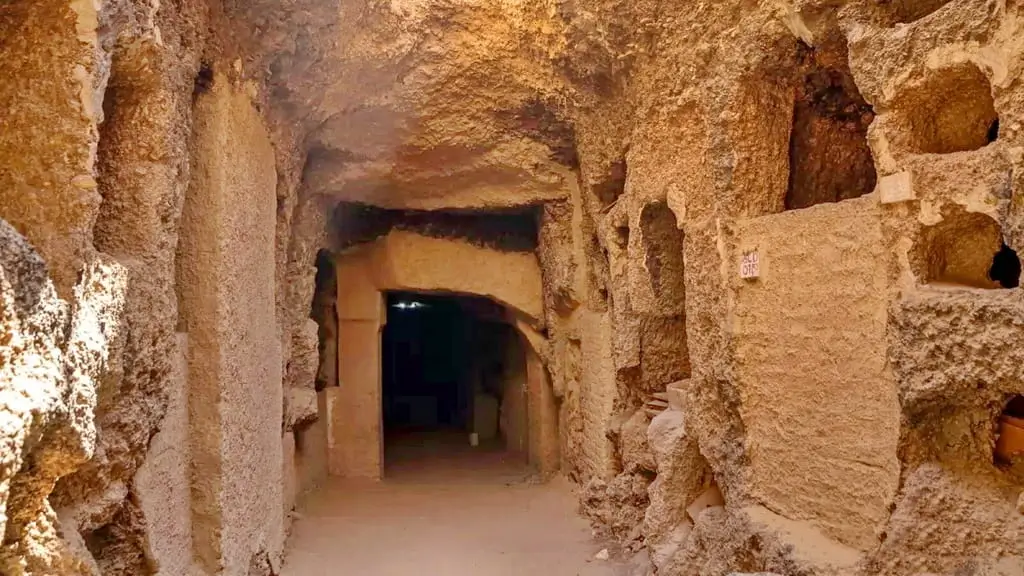
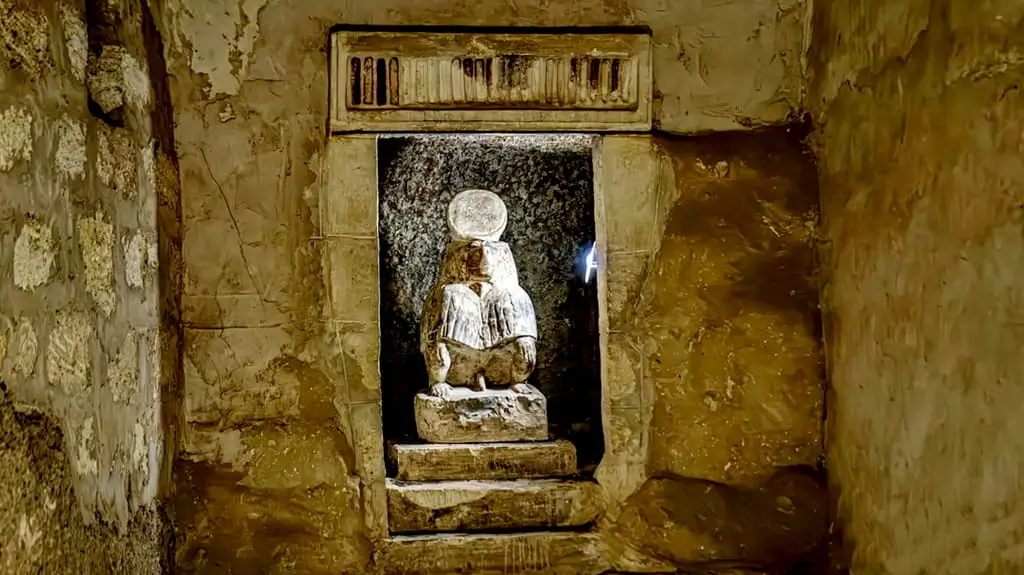
- The Labyrinthine Catacombs: Miles of subterranean galleries house millions of mummified ibises and baboons. In addition, these animals remained dedicated to the god Thoth.
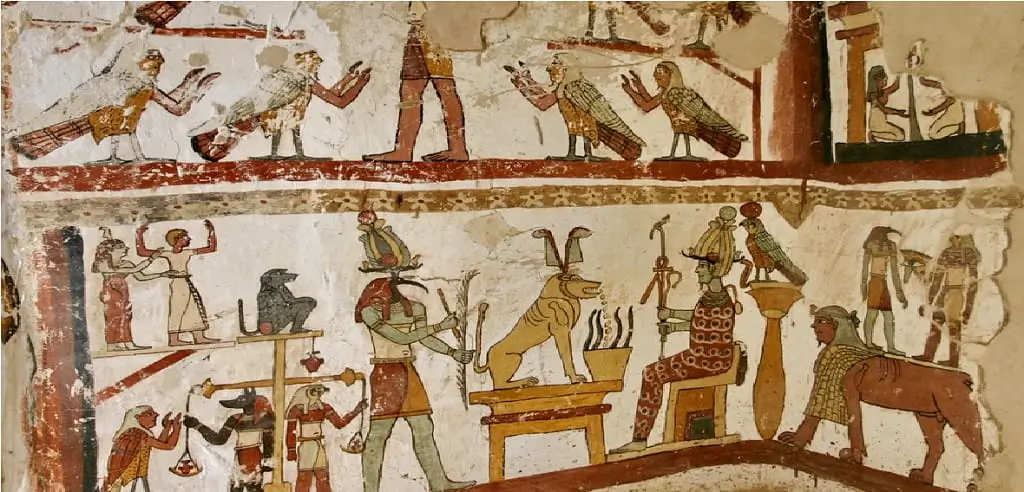
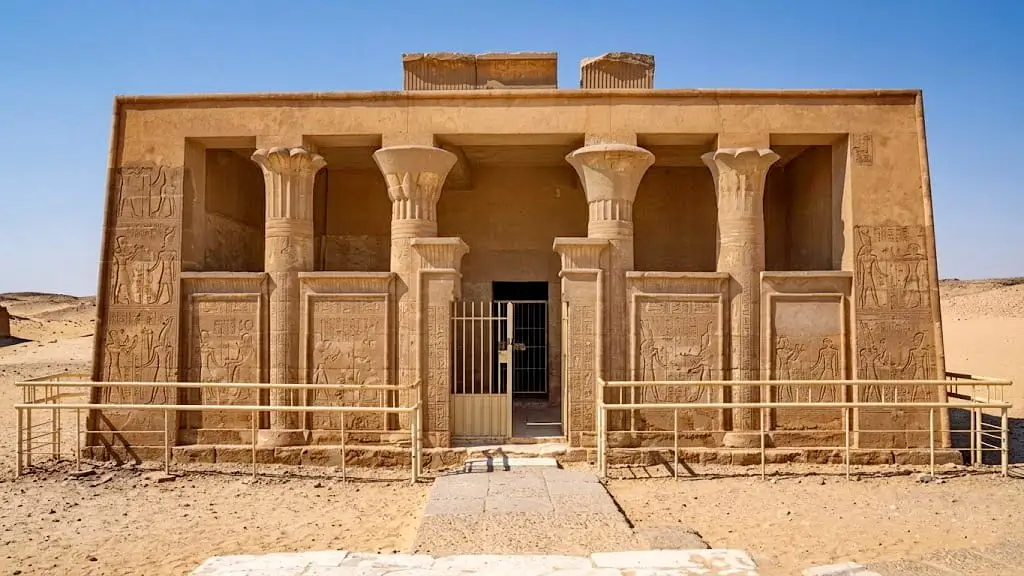
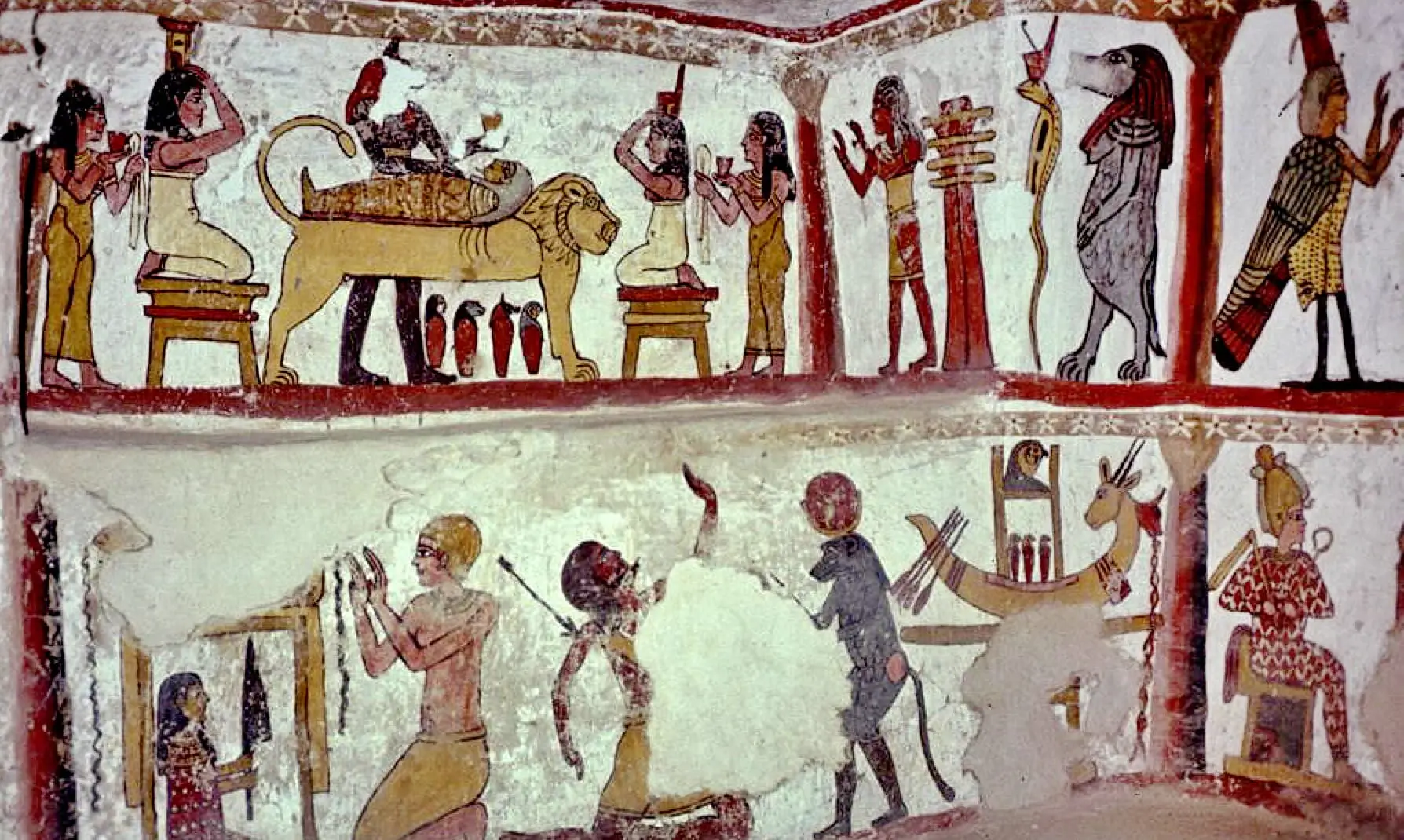
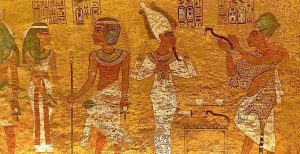
- The Tomb of Petosiris: This tomb stands as a masterpiece of architectural fusion. Specifically, it displays the exact moment where Egyptian carvings met the realism of Greek art.
- The Legend of Isadora: This Roman-era tomb commemorates a young woman. Indeed, her tragic story earned her the title “Juliet of the Nile”.
Tuna el-Gebel: Why Visit This Ancient Gateway?
A visit to Tuna el-Gebel provides a rare connection to the intellectual life of ancient Egypt. Whether you explore the dark tunnels or stand before ancient poems, the site reveals great depth. Ultimately, it highlights the profound heritage of Middle Egypt.