Masters of Their Craft: The Artisans of Deir el-Medina

Go beyond the golden treasures and discover the lives of the men who made them. This blurb delves into the "Village of the Workmen," Deir el-Medina, a unique community of elite artists and craftsmen. We uncover their day-to-day routines, their specialized jobs, their family life, and the surprising literacy that allowed them to leave behind thousands of personal notes, jokes, and complaints.

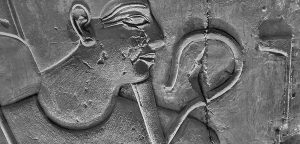
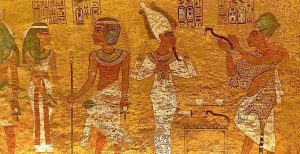
When you stand in a Valley of the Kings tomb, vibrant paintings and intricate carvings surround you. These masterpieces have defied millennia. You are witnessing the eternal genius of a special group: the artisans of Deir el-Medina. While pharaohs ordered these tombs, this elite community of workmen actually chiseled, painted, and carved them into existence.

For centuries, these artisans lived in a secret, self-contained village hidden in the Theban hills. But who were these men? They weren’t slaves; they were highly-skilled, respected professionals. Holding one of the most unique ancient Egyptian jobs possible, they lived, worked, and even protested together. Let’s explore the fascinating world of the artisans of Deir el-Medina, the true masters behind the pharaohs’ eternal homes.

What Was Deir el-Medina? The Village of the Workmen

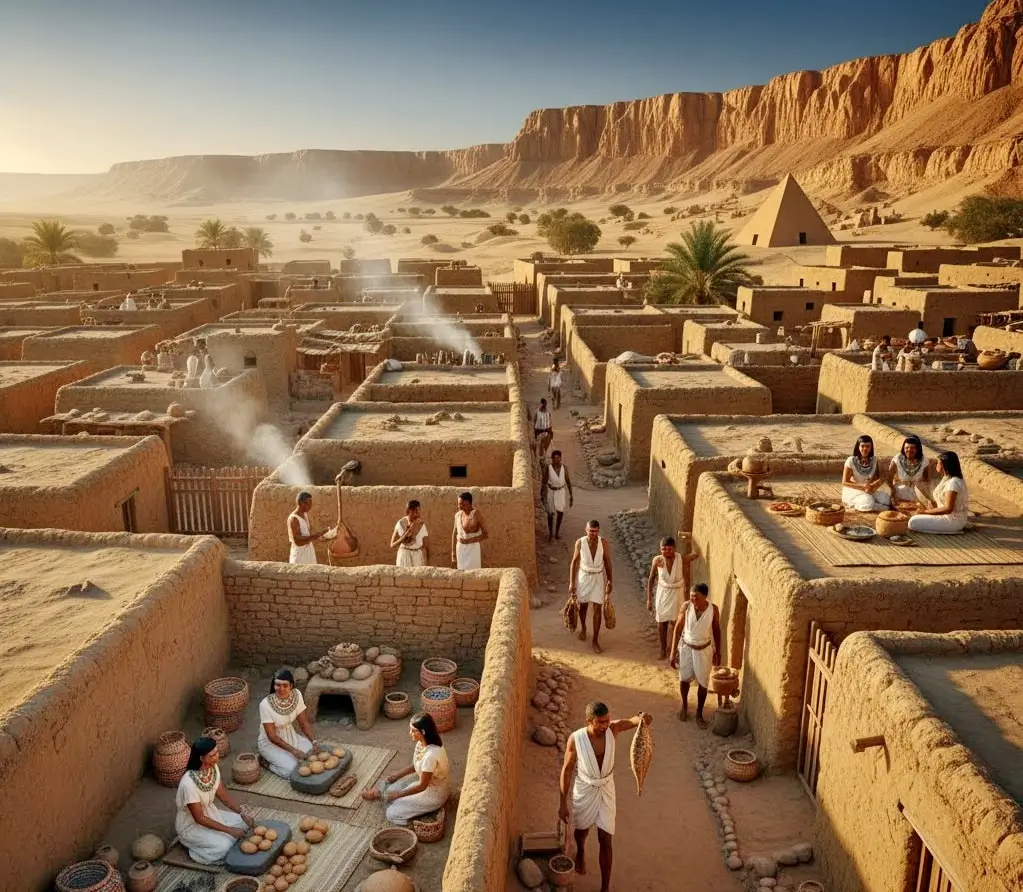
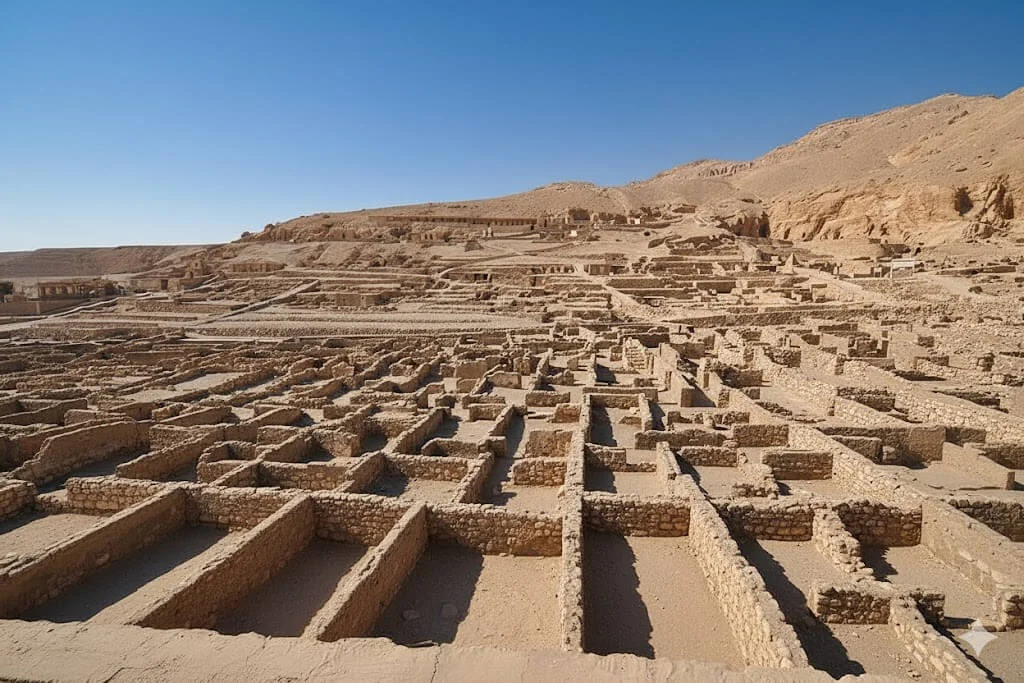
Deir el-Medina, known in antiquity as Set Maat (“The Place of Truth”), is a unique site on Luxor’s West Bank. Today, we simply call it the “Village of the Workmen.” This was no ordinary Egyptian town. The state built this settlement with a clear purpose. They intentionally isolated it in a desert valley, yet it was still within walking distance of the Valley of the Kings and the Valley of the Queens.

This isolation served a crucial purpose: state-level secrecy. The village housed the artisans of Deir el-Medina and their families, effectively quarantining them from the public. This secrecy was vital for protecting the royal tombs from grave robbers. It ensured the secret locations and security features of the tombs remained safe. A large wall surrounded the entire village, and soldiers guarded its single gateway.

FUN

A Community of Master Craftsmen: The Tomb-Building Team

A Community of Master; Craftsmen The Tomb-Building Team

A highly organized guild of a few hundred people formed the workforce of Deir el-Medina. These ancient Egyptian artisans were the best of the best. They often passed their skills down from father to son. Creating a royal tomb was a complex project that required a diverse team:

  • Stonemasons and Quarrymen: First, these hardy men arrived to do the grueling work. They cut the tomb deep into the limestone cliffs using only simple bronze chisels and stone mauls.
  • Plasterers: After the cutters finished, the plasterers followed. They covered the rough-hewn walls with a smooth layer of mud-straw plaster and a fine gypsum wash. This created the perfect “canvas” for the artists.
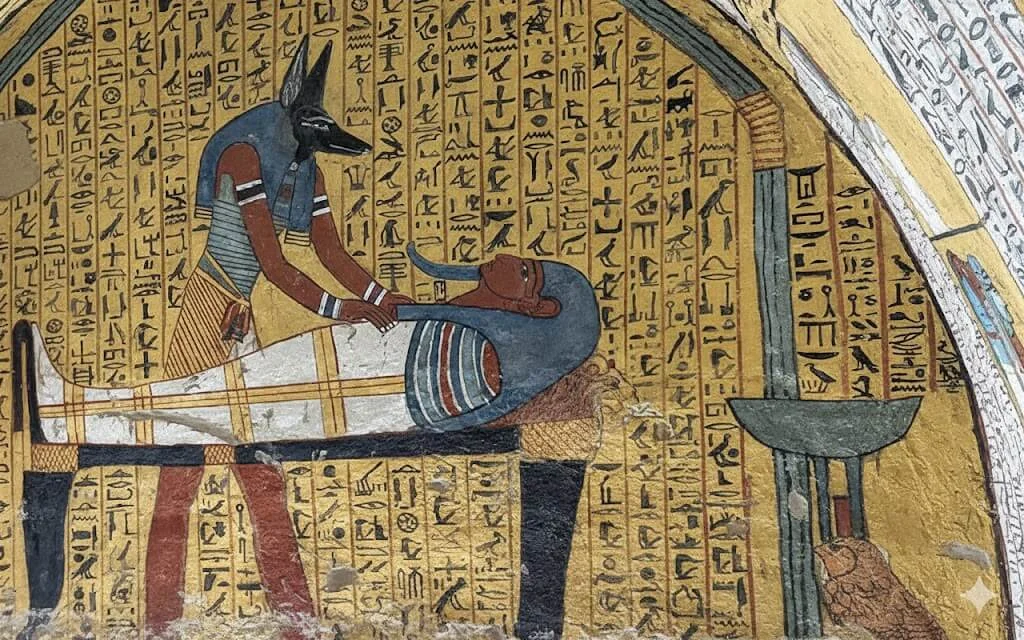
  • Draftsmen and Painters: Next, the true artists arrived. Draftsmen would first outline religious scenes and hieroglyphs in red ochre. A master draftsman might make corrections in black. Painters then filled these outlines with vivid colors made from ground minerals.
  • Sculptors and Carvers: In tombs with relief carvings, these craftsmen meticulously carved the draftsmen’s outlines into the stone before the painters began.
  • Carpenters: This essential group built the complex scaffolding needed for work inside the tombs. They also crafted sledges to transport sarcophagi, built wooden shrines, and produced exquisite, gilded funerary furniture.
FUN

How Were the Artisans of Deir el-Medina Paid?

How Were the Artisans of Deir el-Medina Paid

The economy of Deir el-Medina is one of its most fascinating aspects. In an empire without coined money, how did the state pay these elite artisans for their crucial work? The answer is a sophisticated barter and ration system. Payments came directly from the royal storehouses.

The state paid the artisans of Deir el-Medina handsomely in provisions. Their “salary” was a monthly ration that far exceeded that of a simple farmer:

  • Staples: The core payment was grain—emmer wheat for bread and barley for beer. Beer was a thick, nutritious staple of the Egyptian diet that men, women, and children all consumed.
  • Provisions: They also received a regular supply of fish (fresh and dried), vegetables (like onions and garlic), and fruits (like dates and figs).
  • Valuable Goods: On top of food, the state supplied them with pottery, lamp oil, and flax for linen clothing. Crucially, they also received their work materials, like pigments and tools.

This payment system clearly shows they were valued state employees, not laborers. Their “wealth” was measured in their well-stocked homes and the quality of goods they could trade with one another.

Ancient Egyptian Economy

The existence of the Nile River, which was one of the factors of the ancient...

Related post
FUN

Daily Life in the Village of the Workmen

Daily Life in the Village of the Workmen

We know more about the daily lives of the artisans of Deir el-Medina than almost any other common people from ancient history. This is thanks to the dry desert climate, which preserved thousands of written records they left behind.

The village itself held around 70 houses, cramped together along a central street. A typical house had four or five rooms: an entrance hall, a main living room, a bedroom, a kitchen, and a cellar for storage. Many also had staircases leading to a flat rooftop, which provided a cool place to sleep on hot nights.

The artisans had a structured “work week.” They worked for eight days and then had a two-day “weekend.” They organized the workforce into two “gangs” or iswt—the “Left Side” and the “Right Side.” This arrangement mirrored the two sides of the tomb they were excavating. Each gang had a foreman and a deputy who managed the project and reported directly to the Vizier.

Remarkably, literacy was exceptionally high. Many artisans, not just the scribes, could read and write. They left behind thousands of ostraca (shards of pottery or limestone used as “notepads”). These notes detail everything from work rosters and supply lists to personal letters, jokes, and even love poems.

Memphis Open Air Museum: Guide to the Colossus and Ruins of Mit Rahina

The Memphis Open Air Museum (Mit Rahina) is a small but essential stop on any...
Related post
FUN

The First Labor Strike in Recorded History

These valued workmen also knew their own importance. Around 1159 BCE, during the reign of Pharaoh Ramesses III, the artisans of Deir el-Medina staged the first-ever recorded labor strike in history.

What caused it? Their rations were dangerously late. Growing corruption and economic trouble in the empire meant the vital grain shipments had stopped. Facing starvation, the workmen downed their tools and marched out of the village—a shocking act of protest. They sat down at the major temples on the West Bank, famously shouting, “We are hungry!”

This bold move terrified the local officials. They scrambled to find provisions to appease the angry artisans. The strike proves that these workers were a powerful, unified group. They understood their rights and were not afraid to demand them.

The Egyptian Pyramids: A Complete Guide to the Ancient Wonders

This definitive guide covers the complete story of the Egyptian pyramids. We explore their true...
Related post
FUN

See the Legacy of the Artisans for Yourself

See the Legacy of the Artisans for Yourself

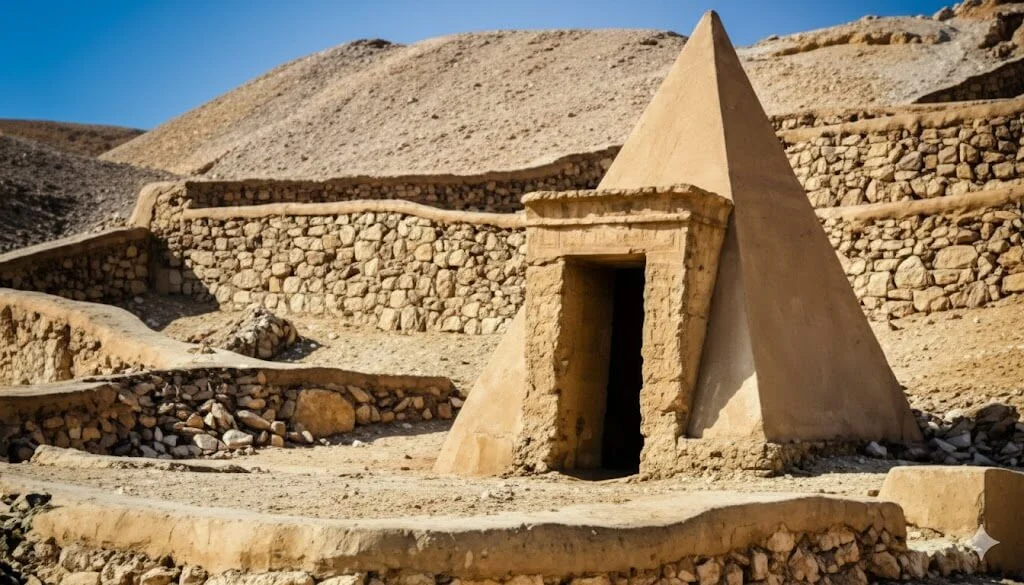
Today, a visit to Deir el-Medina is one of the most rewarding experiences on any Luxor tour. The Valley of the Kings shows you the product of their work, but the Village of the Workmen shows you their lives. You can walk the same streets they did and explore the foundations of their homes.

However, the real treasure is just up the hill: the artisans’ own private tombs. Here, freed from the strict rules of royal burials, the artisans of Deir el-Medina poured their full creativity into their own tombs. These small, stunningly beautiful chapels are filled with vibrant, personal, and lively scenes of their families, daily lives, and hopes for the afterlife.

When you book your tour to the West Bank, ask to see the Tomb of Sennedjem. It is a perfectly preserved jewel box of a tomb. This, and others like it, are the final, personal masterpieces of the men who built for eternity.

Explore the Pyramids, Abu Simbel, and more....
Embark on a luxurious voyage to discover the amazing wonders of Cairo and Luxor....

Good but did not get what I paid for…

I had an 11 hour layover in Cairo. I wrote to them based on recent reviews for them on this site. After a few email exchanges with Hati, who I think is one of the owners, I was ready to get there. I was greeted by Hatem, a very good

More »
Amazing Egypt Tours Vacations in December Egypt Fun Tours

Amazing trip with Egypt Fun Tours

We had the time of our lives on a trip to Egypt and the Bahariya/White Desert with Egypt Fun Tours, too. I would highly recommend this company. They are very familiar with organizing this trip, and this means they are well-connected in the desert area. This was invaluable to us

More »
Transit tours in Cairo

One of the best tours I have ever had!

I was thoroughly impressed by the professionalism of this tour company. I emailed to inquire about the Cairo layover tour about 30 hours before my flight was scheduled to leave from New York. I was pleasantly surprised to get a quick response confirming the tour and assuring that a guide

More »
Isis with wings

Top-rated Tour Packages

Isis with wings