
Ancient Egyptian Zoology: The Definitive Guide to Animals and Deities
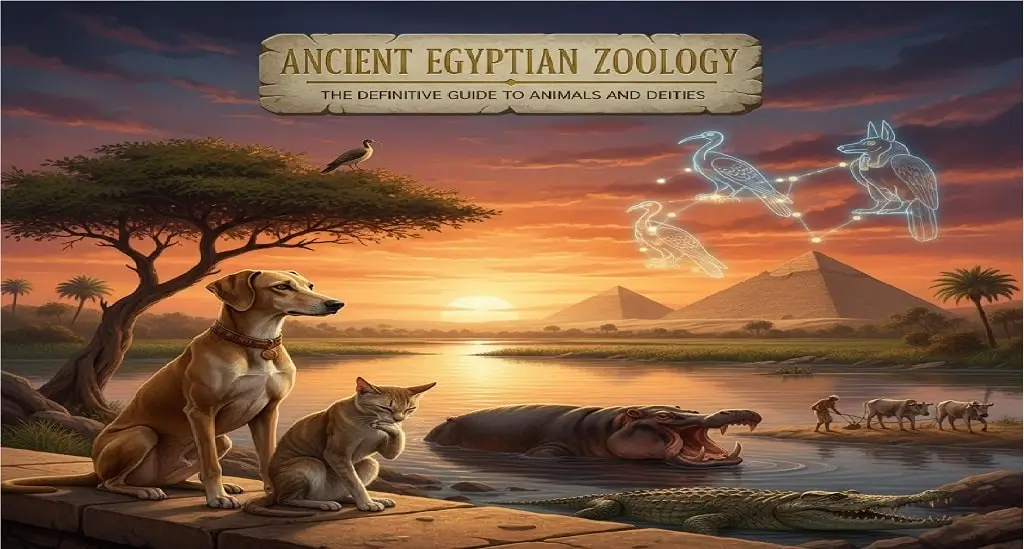
Dive into the authoritative resource on Ancient Egyptian Zoology. This comprehensive guide reveals the profound and complex role animals played in shaping one of the world’s greatest civilizations. You will move beyond simple observation to explore three critical pillars: the Biological reality of the Nile ecosystem, the Sacred manifestations of animals as zoomorphic deities (from Bastet the Cat to Anubis the Jackal), and the Practical partnership between humans and beasts in daily life and labor. Discover the fascinating history of animal mummification, their essential role in hieroglyphs, and the archaeological secrets modern science is now uncovering. This is the ultimate, evidence-based exploration of Egypt’s remarkable bestiary.
Serqet: The Scorpion Goddess of Healing, Magic, and Protection
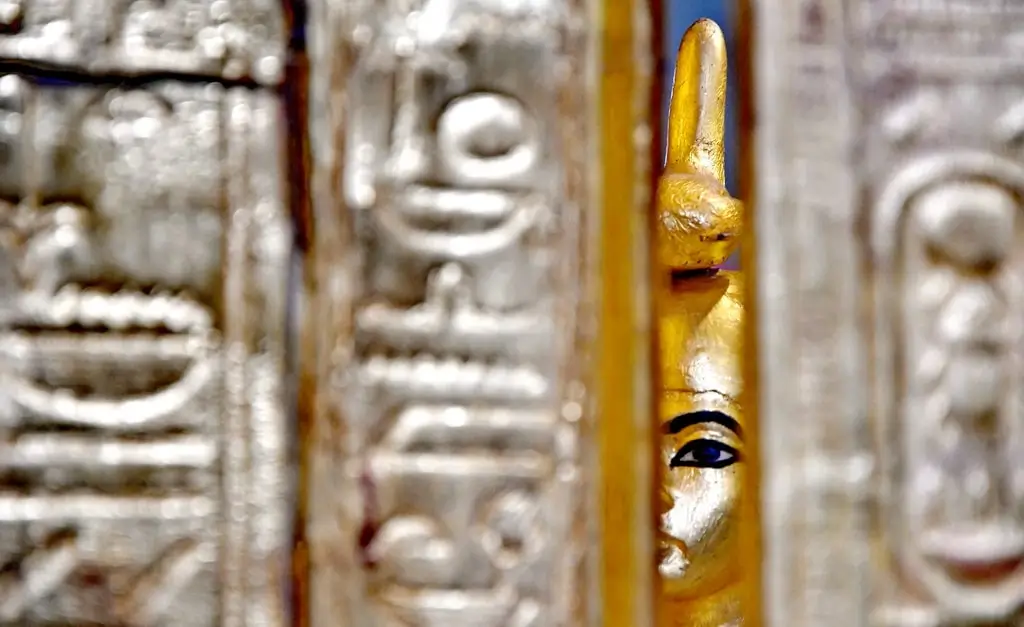
Discover the paradox of Serqet, the ancient Egyptian scorpion goddess who transformed deadly venom into divine protection. This guide explores her dual nature as both a fierce warrior who guarded Isis and the infant Horus, and a benevolent healer invoked by physicians to cure stings. Learn about her vital role in the afterlife as the guardian of the Canopic Jars and her famous golden appearance in the tomb of Tutankhamun.
Out of Egypt: The Profound Influence of Ancient Egypt on Christianity
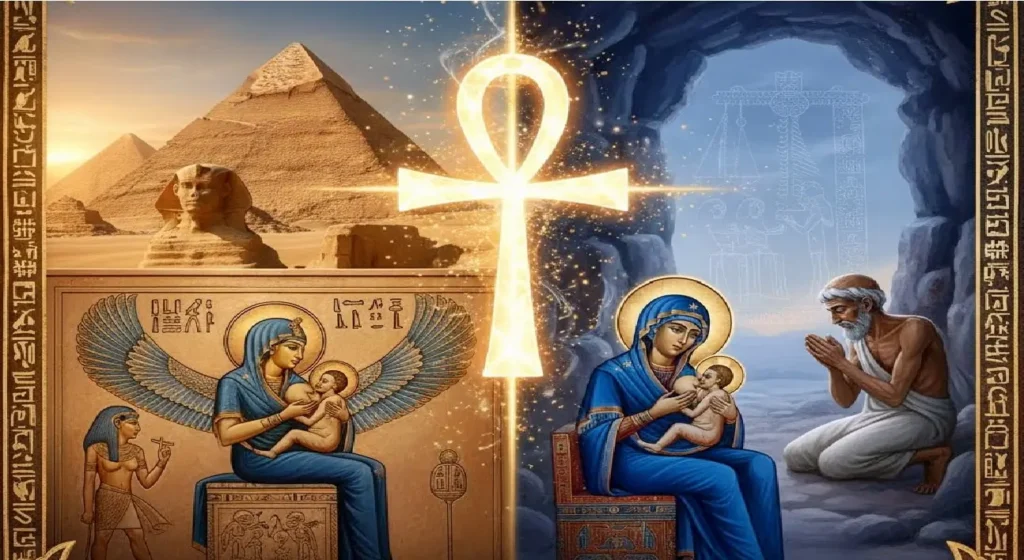
This guide explores the profound and often overlooked influence of Ancient Egypt on Christianity. We trace the unbroken chain of faith, revealing how ancient symbols like the Ankh evolved into the Coptic Cross and how the iconography of Isis nursing Horus foreshadowed the Virgin Mary. Discover how the Desert Fathers invented monasticism in the Egyptian sands and how the pharaonic concept of the “dying and rising god” prepared the cultural soil for the Christian gospel.
Pharaoh Thutmose IV: The Prince, The Prophecy, and The Empire
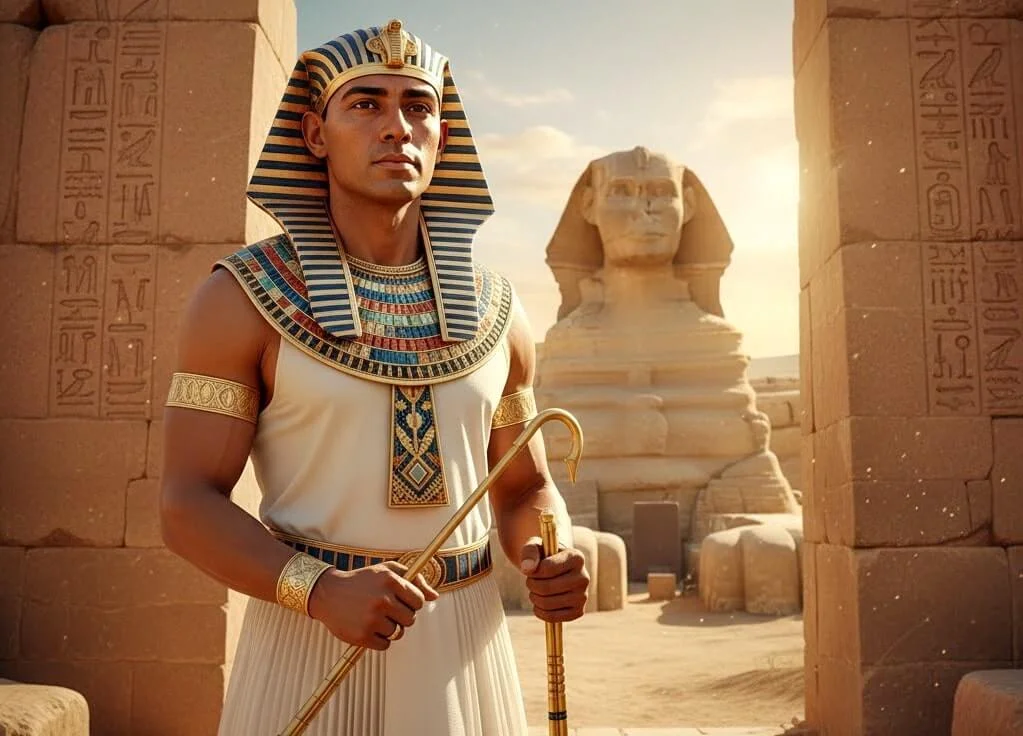
Discover the pivotal life of Pharaoh Thutmose IV. This guide reveals how a prince not in line for the throne used the famous Dream Stele and a “Sphinx prophecy” to secure his crown. Learn how his short but crucial reign ended generations of war with the Mitanni Empire, establishing the peace and prosperity that launched the “golden age” of his son, Amenhotep III. We cover his campaigns, his monuments, and his tomb (KV43).
The Dream Stele of Thutmose IV: The Sphinx’s Prophecy Explained
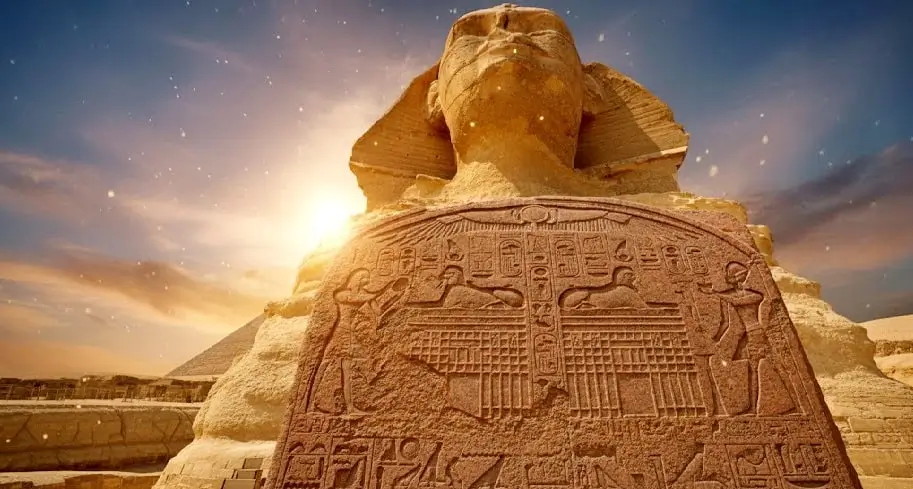
The Dream Stele is the stone “press release” of Pharaoh Thutmose IV. This guide explores the famous story carved between the Sphinx’s paws: a prophecy where the Sphinx promised a young prince the crown in exchange for clearing the sand from its body. We delve into how Thutmose used this tale as brilliant political propaganda to legitimize his irregular rise to power and how a single, damaged line—mentioning the name “Khaf-“—remains a key piece of disputed evidence in the mystery of who built the Sphinx.
Sphinx Theories: The Debates on Its Age, Origin & Mysteries
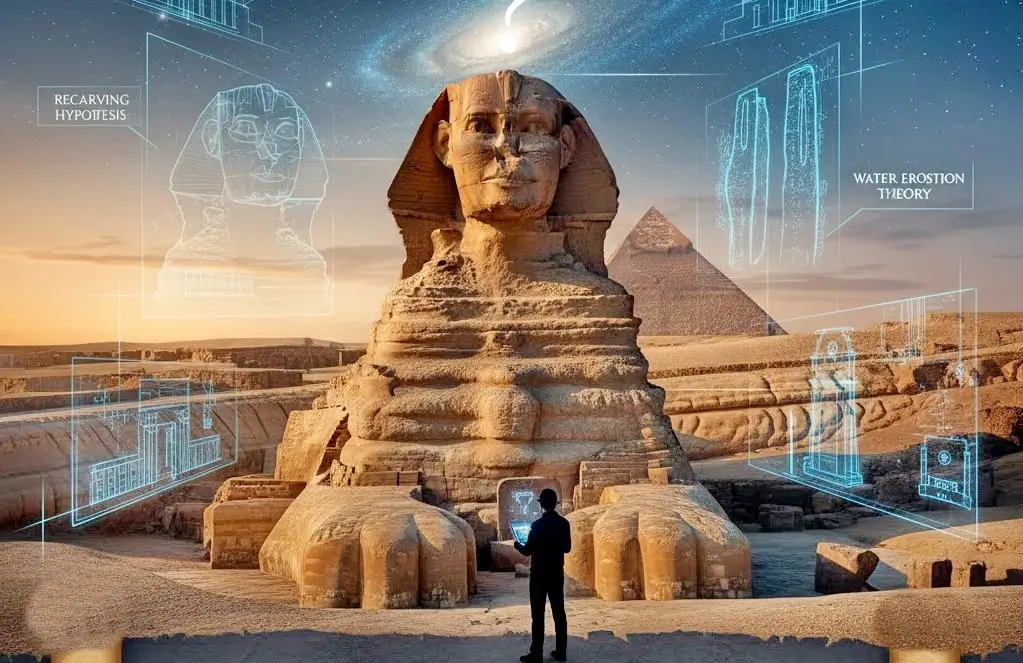
This guide explores the enduring mystery of the Great Sphinx. We examine the mainstream view that Pharaoh Khafre built it around 2500 BCE, then dive deep into the controversial Sphinx theories that challenge this timeline. Discover the evidence for the “water erosion theory” suggesting a 10,000 BCE origin, the debate over the recarved head, the truth about the missing nose, and the search for the mythical “Hall of Records.” This is the ultimate guide to the riddles, facts, and fictions surrounding the world’s most enigmatic statue.
Unraveling the Mystery: The Top Theories on Pyramid Construction
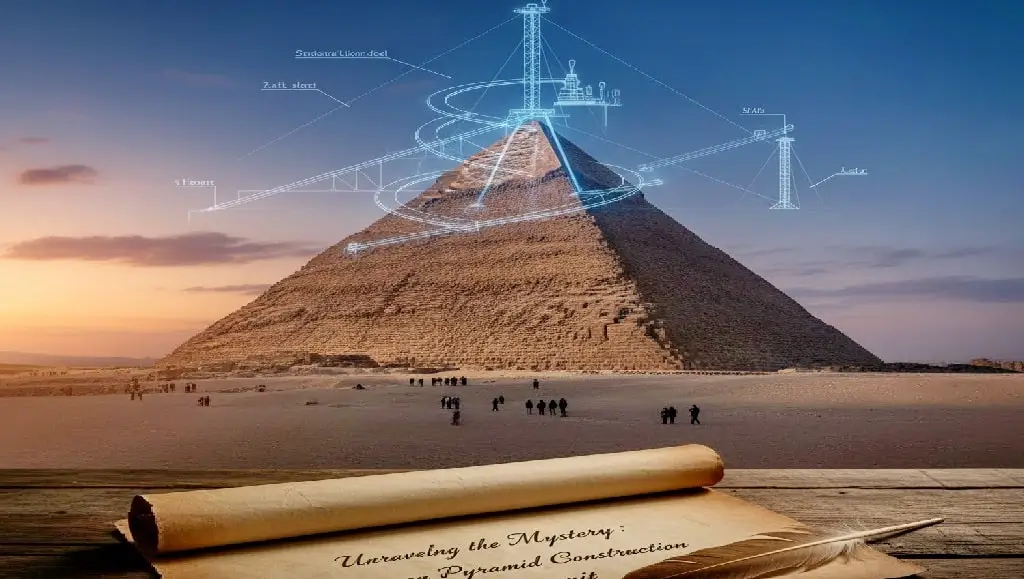
How did the ancient Egyptians build the pyramids? This question has sparked countless pyramid construction theories, from massive external ramps to the ingenious, and much-debated, internal spiral ramp. We explore how a highly organized workforce of skilled laborers (not slaves) quarried, transported, and lifted millions of 2.5-ton blocks. This guide delves into the leading theories, separating archaeological fact from fiction to reveal the extraordinary logistics and engineering that made these ancient wonders possible.
The Complete History of the Lighthouse of Alexandria (The Lost Wonder)

Discover the story of the Lighthouse of Alexandria, one of the Seven Wonders of the Ancient World. Commissioned by Ptolemy I and engineered by Sostrates, this “ancient skyscraper” stood over 100 meters tall, guiding ships into the city’s treacherous harbor with a brilliant light and mirror. Learn how this symbol of Ptolemaic power survived for 1,500 years before a series of devastating earthquakes brought it down. Explore its lasting legacy, from the Citadel of Qaitbay built on its foundations to the confirmed underwater ruins resting in the harbor today.
The Definitive Guide to Ancient Egyptian Funerary Objects & Tomb Goods
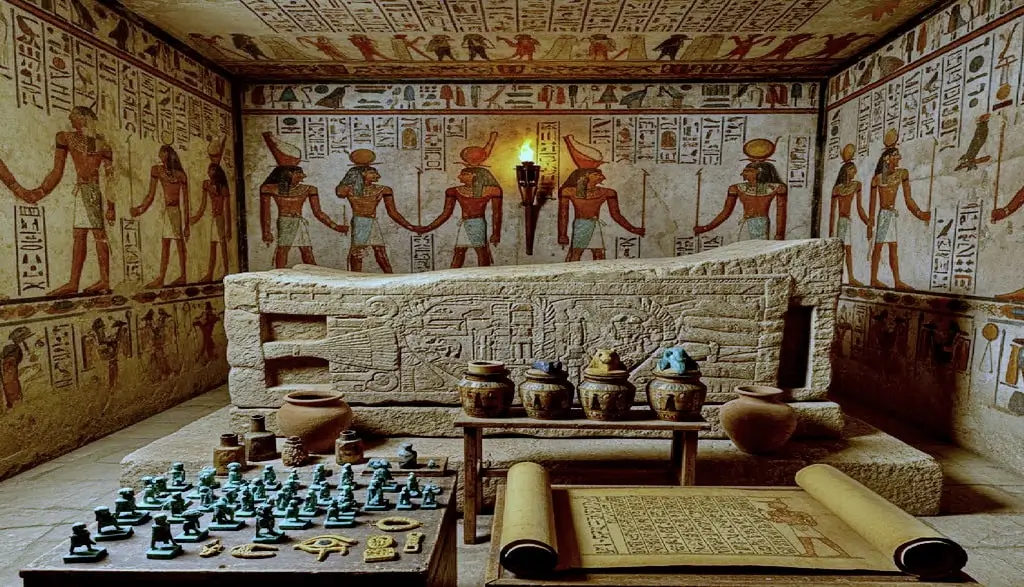
Why did ancient Egyptians bury their dead with so many “wonderful things”? This comprehensive guide explores the world of ancient Egyptian funerary objects, revealing them not as simple tributes, but as essential equipment for a physical afterlife. Uncover the purpose behind the massive sarcophagus, the set of canopic jars for vital organs, and the army of magical shabti servants. Learn how the Book of the Dead provided a map, and tiny amulets offered magical protection, all to ensure a safe journey and a prosperous eternity in the Field of Reeds.
The Definitive Guide to Ancient Egyptian Clothing, Textiles, and Fashion
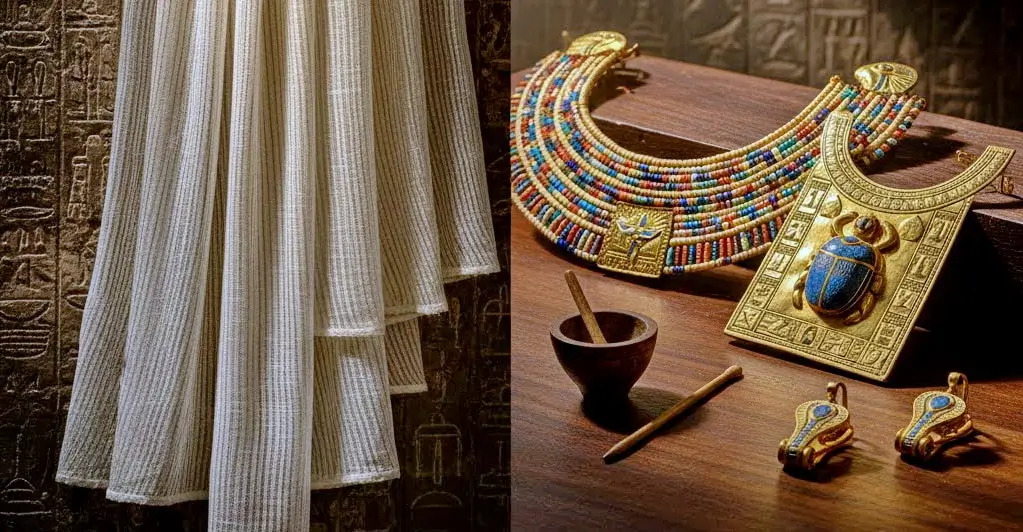
Dive into the world of ancient Egyptian clothing, where linen reigned supreme as the primary textile. This guide covers everything from the simple schenti (kilt) and kalasiris (sheath dress) of early history to the elaborate, layered fashions of the New Kingdom. Discover how ancient Egyptian clothing, far from being simple, was a complex visual language of status, power, and piety, expressed through everything from the quality of pleats to the brilliance of a faience collar.
Queen Tiye: The Powerful Queen of 18th Dynasty Egypt

Discover Queen Tiye, one of ancient Egypt’s most powerful women. As the Great Royal Wife of Amenhotep III and mother of Akhenaten, she was a key political advisor, a respected diplomat, and a living goddess. Explore the life of the woman who shaped Egypt’s golden age.
Ancient Egyptian Magic, Spells, and Mystical Power of Ancient Egypt
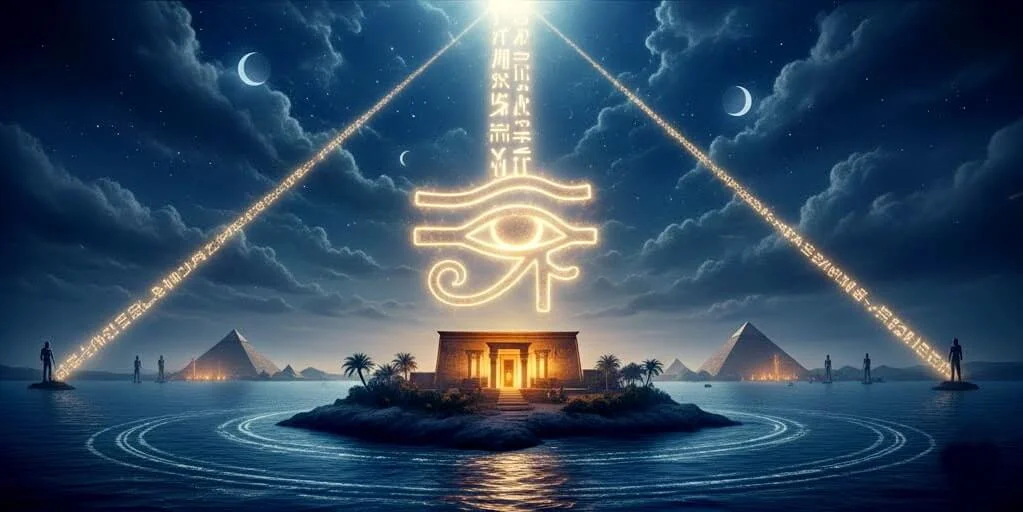
This guide explores Heka, the true mystical power of ancient Egypt, revealing how magic, spells, and rituals were fundamental to daily life. You’ll discover how gods like Isis and Thoth mastered this divine force, how priests and common people used magic for protection, healing, and love, and how spells from the Book of the Dead guaranteed a safe passage to the afterlife. Learn the truth behind magical amulets, sacred wands, and the infamous “Curse of the Pharaohs.”