The Core Myths: The Story of Isis

The foundation of Isis’s power comes from her central role in Egypt’s most famous myth: the story of Osiris.
The Murder of Osiris
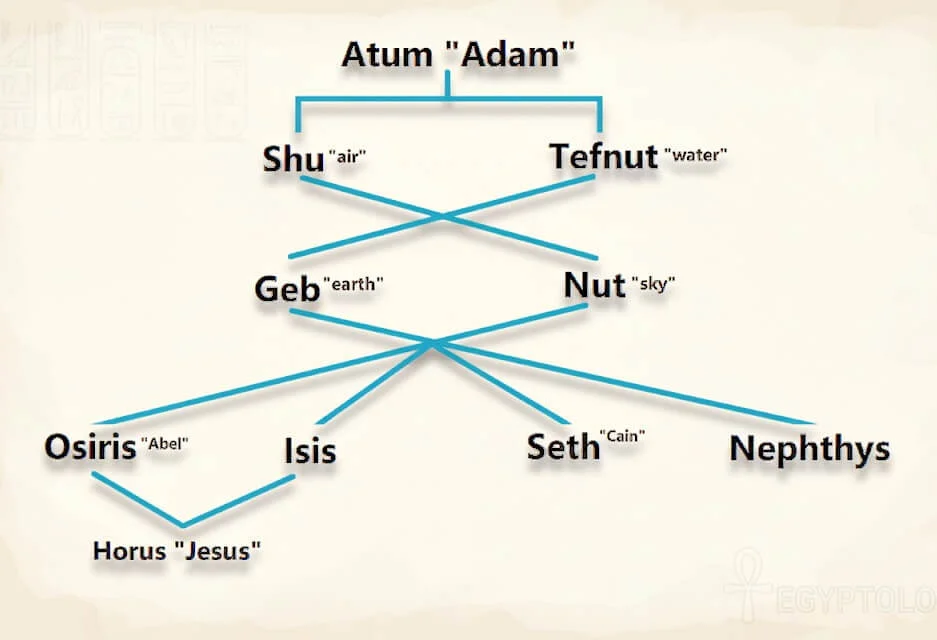
The myth, which has its roots in ancient Egypt (not Sumeria, as is sometimes mistakenly claimed), tells of four divine siblings: Isis, Osiris, Set, and Nephthys. Osiris, as the firstborn, became the wise king of Egypt, and he married his devoted sister, Isis.
Their jealous brother, Set, murdered Osiris, dismembered his body, and scattered the pieces across Egypt. This act plunged the world into chaos and established Set as a usurper on the throne.
The Magic of Resurrection
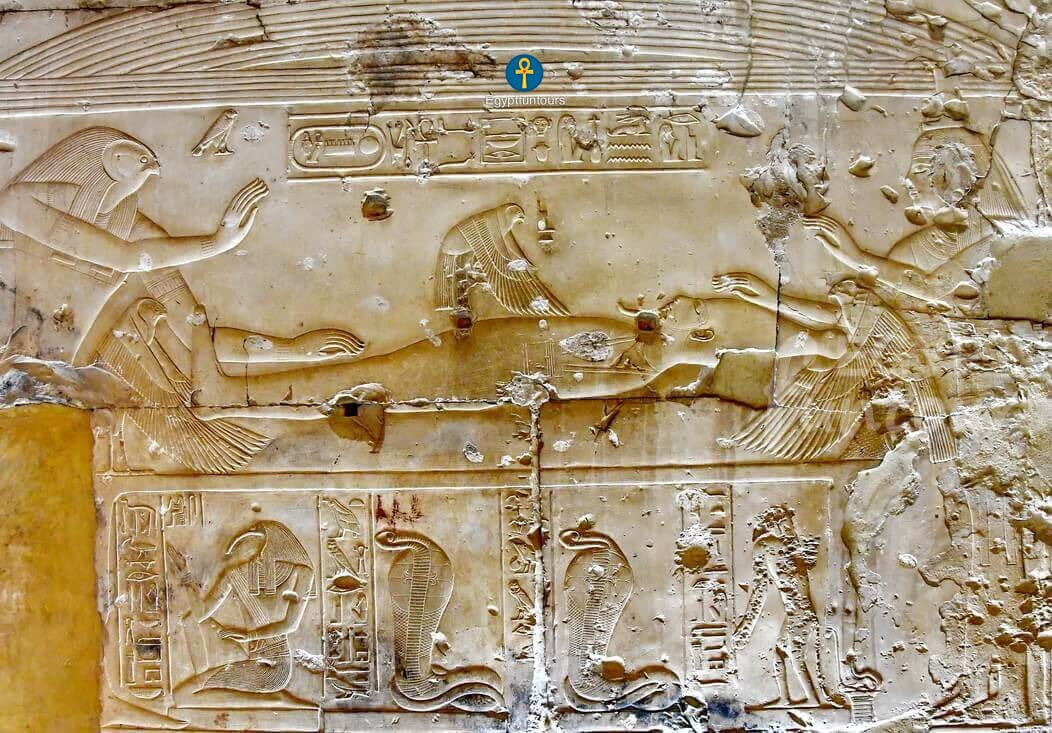
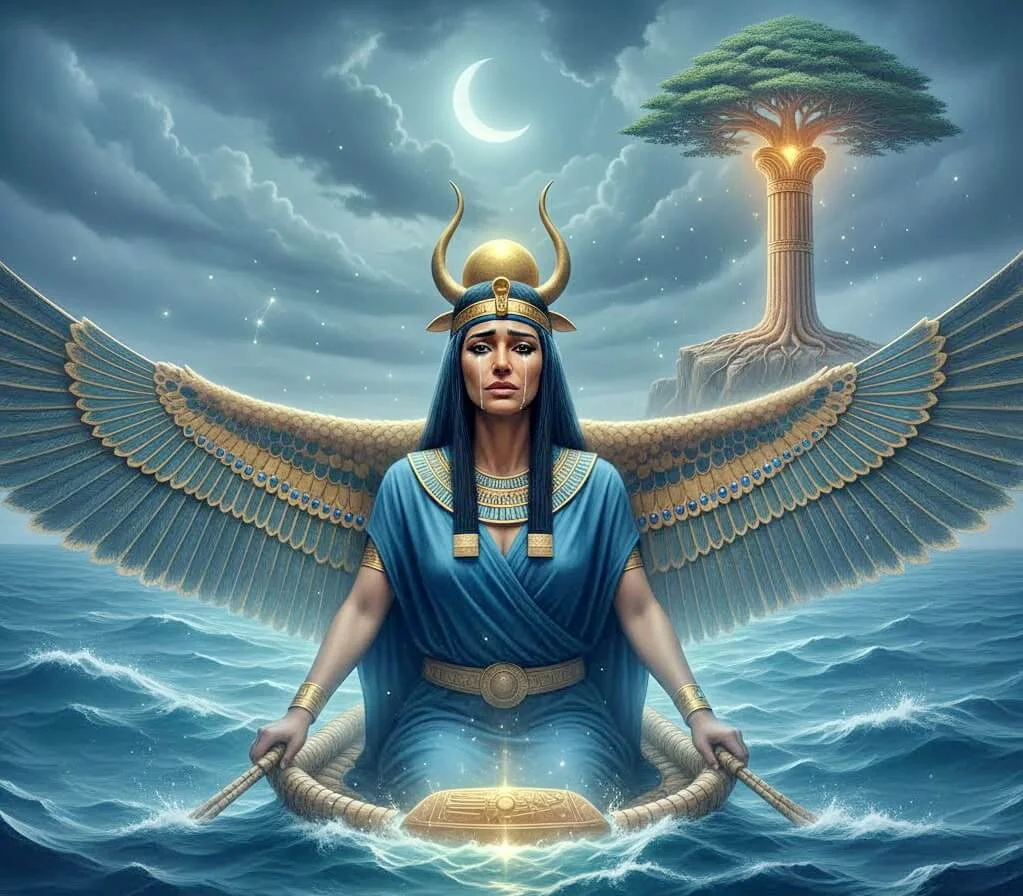
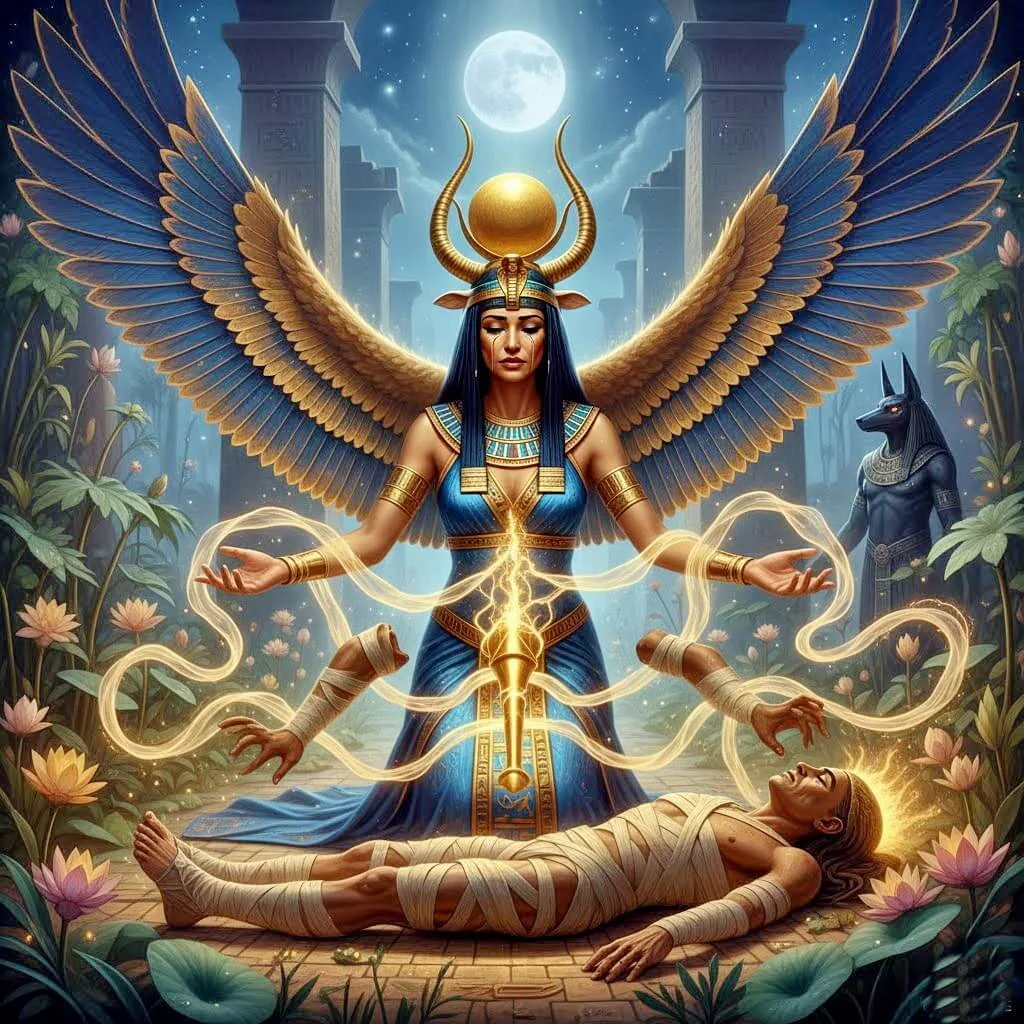
Devastated but determined, Isis and her sister Nephthys searched all of land, gathering the pieces of Osiris’s body. Through her powerful magic and unwavering love, Isis reassembled her husband. She breathed life back into him with her wings, performing the first act of resurrection and creating the first mummy.
Though he could no longer rule in the land of the living, Osiris was reborn as the eternal King of the Underworld (the Duat). This myth established Isis as a goddess of resurrection, magic, and profound loyalty.
The Hidden Mother: The Birth of Horus
Before Osiris departed for the underworld, Isis used her magic to conceive a child with him. This child was Horus.
To protect her unborn son from the murderous Set, Isis fled to the papyrus marshes of the Nile Delta. She gave birth to Horus in secret, nursing and protecting him through countless dangers. Legends tell of her healing a deathly ill Horus from a scorpion sting, reinforcing her role as a master healer and a fiercely protective mother.
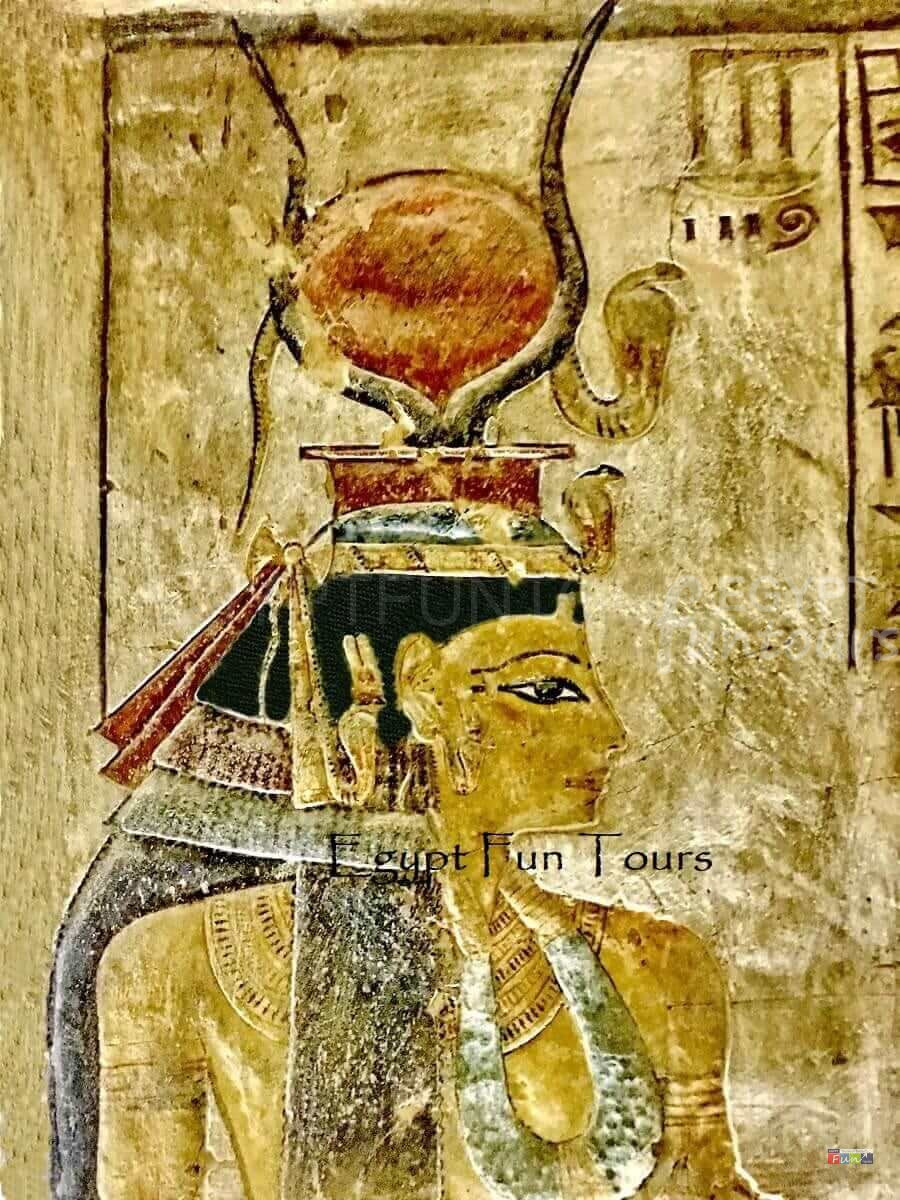
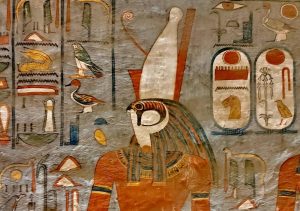
Her son, Horus, would eventually grow up to challenge and defeat Set, restoring order to Egypt and claiming his rightful place as king. Because of this, every pharaoh was seen as the “living Horus,” and Isis was therefore the divine, mythical mother of all kings. The pharaoh’s throne was quite literally her symbol.