The Religion of Ancient Egypt: Beliefs, Deities, and Practices

This article explores the complex polytheistic faith of ancient Egypt, a belief system that governed every aspect of daily life for millennia. It delves into the vast pantheon of gods and goddesses, from the sun god Ra to Osiris, lord of the underworld. We cover the central role of the divine pharaoh, the core concept of Ma'at (cosmic balance), and the intricate rituals performed in temples. A key focus is the Egyptians' elaborate preparations for the afterlife, including the science of mummification, the purpose of the Book of the Dead, and the soul's final judgment.

Ancient Egyptian Religion

The ancient Egyptian religion was born from a deep reflection on existence and the natural world. This complex religious system combined various beliefs, rites, and practices centered on numerous gods while maintaining a shared focus on the divine realm. For the ancient Egyptians, religion was a central part of life, influencing everything from daily routines and ceremonies to their relationships with pets and food.

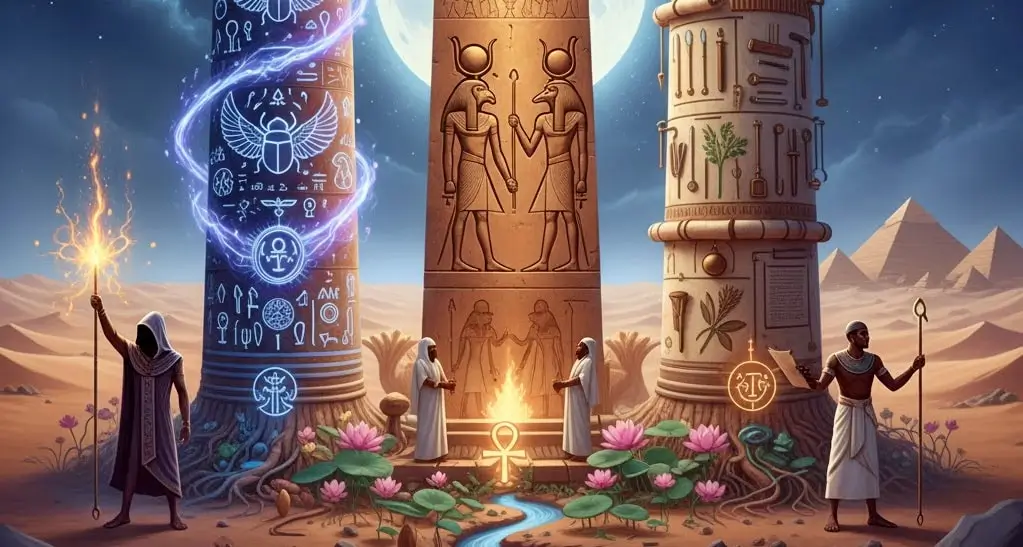
The ancient Egyptian religion was multifaceted, encompassing magic, mythology, medicine, science, and spiritualism. This rich tapestry of thought gave them a profound understanding of concepts like a higher power and the afterlife. Egyptians believed life on Earth was a journey to the next life. To reach the afterlife, they felt one must live a life of significance, a core principle of their religion.

Ancient Egyptian Religion Facts
Ancient Egyptian Medicine, Magic, Religion, and Science

Religions have one source, and this is regarded as the foundation upon which nations construct their own beliefs as they watch and interact with their surroundings. The ancient Egyptians employed tales about the beginning of creation and the formation of the world and the heavens.

Belief in god’s kingdoms and the divine realm, as well as the kings as the connection between ordinary people and the divine. The high spirits of deities resided in the human bodies of the Royals, sons, and daughters of divines were in charge of maintaining the universe’s equilibrium as well as educating people that the holy souls of gods offer humanity both this life and everlasting life.

FUN

Ancient Egyptian Religion Temples

8 days family tour

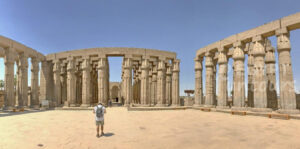
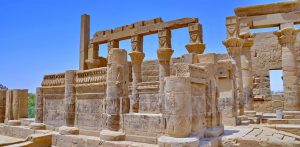
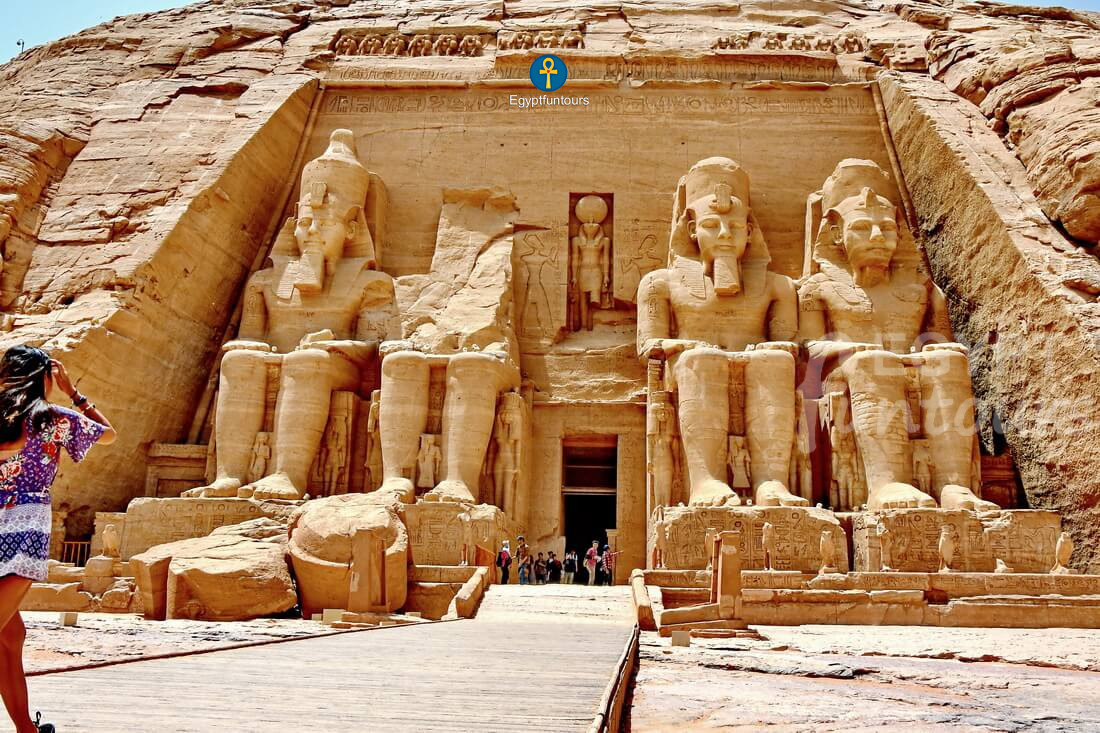
Throughout ancient Egyptian history, religion was able to lead the construction of a large number of temples, such as the Karnak temple, the Valley of the Kings, the Philae temple, the Edfu temple, Abu Simbel, and many more, which demonstrate the public’s real dedication to the deities. They housed pictures and sculptures that were regularly looked after and adored. Under the supervision of the state, the priests would perform celebrations and ceremonies in the temple.

Temples were depictions of God’s bodies that resembled Royal figures; as a consequence, the construction of the temple followed a specific plan that took several years and involved numerous Kings, each completing their part of the plan, which describes the eternal presence of Kings in every ancient Egyptian worshipping temple. Funerary Temples were erected by kings and queens to demonstrate their reverence for their divines and to remind humanity of their vital duties.

Magic in the Ancient Egyptian Religion

Ancient Egyptian Alphabet 1

Magic was the power of the gods in Ancient Egypt, allowing them to enjoy amazing everlasting life and permitting mortals to interact with this magical energy and pass from this life to the next. Religion is made out of the power of magic, which was brought to humanity first by the Royals and then passed down to humans, particularly Egyptians, through resurrections. Ancient Egyptians believed in the power of magic and employed it extensively in their tombs and temples to ward off evil spirits, safeguard their treasure, and even reach the heavens.

FUN

The Mythology of Ancient Egyptian Religion

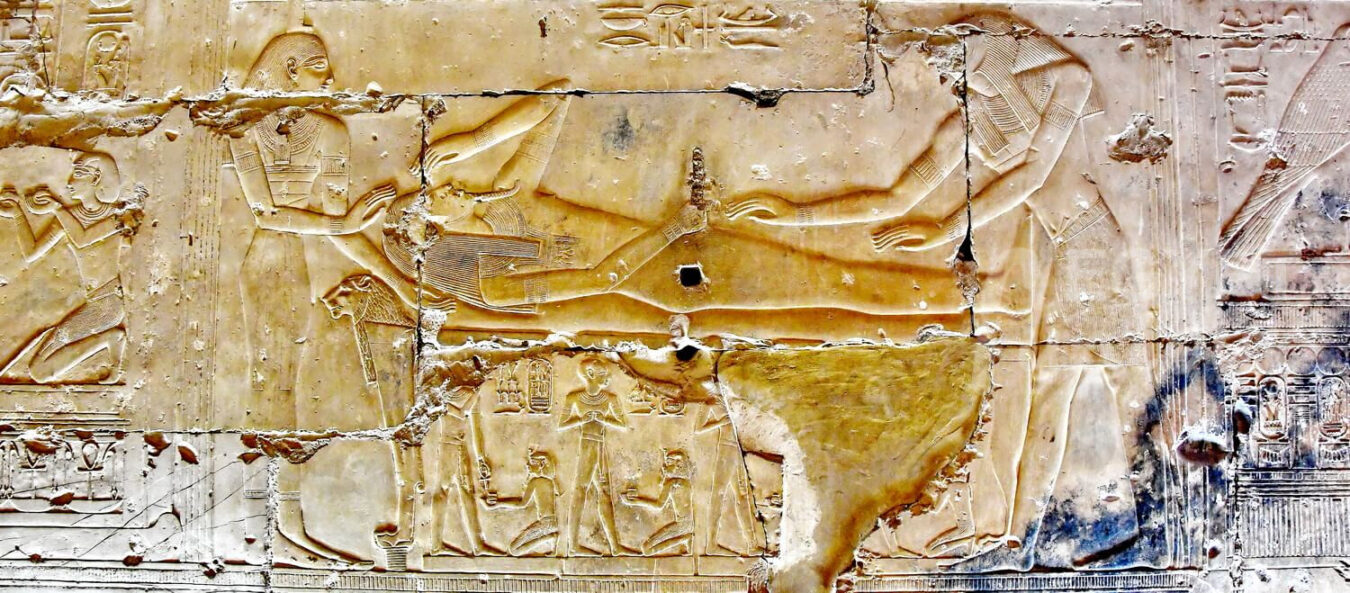
creating missing organ osiris egyptfuntours

Ancient Egyptians had a creation myth. It started with dark, chaotic waters. From these waters, a hill called the ben-ben emerged. The god Atum stood on it. He was lonely. So he created Shu, the god of air, and Tefnut, the goddess of moisture. They established life and order. Atum later cried tears of joy. These tears fell and created humans. Shu and Tefnut had children: Geb, the earth god, and Nut, the sky goddess. They had five children. They were Osiris, Isis, Set, Nephthys, and Horus. Other gods like Thoth and Bastet also existed.

Another key myth is about Osiris and Isis. Osiris, god of fertility, was killed by his brother Set. Isis, his sister, brought him back to life. They had a son, Horus. Horus avenged his father’s death. He became king of Egypt. Osiris became the ruler of the underworld. Pharaohs were linked to this trinity. It symbolized unity and victory. During the New Kingdom, Pharaoh Akhenaten tried to change religion. He promoted a single deity, the sun-disk “Aten.” This was a form of monolatry. His son, Tutankhamun, reversed these changes.

Deities in Ancient Egyptian Religion

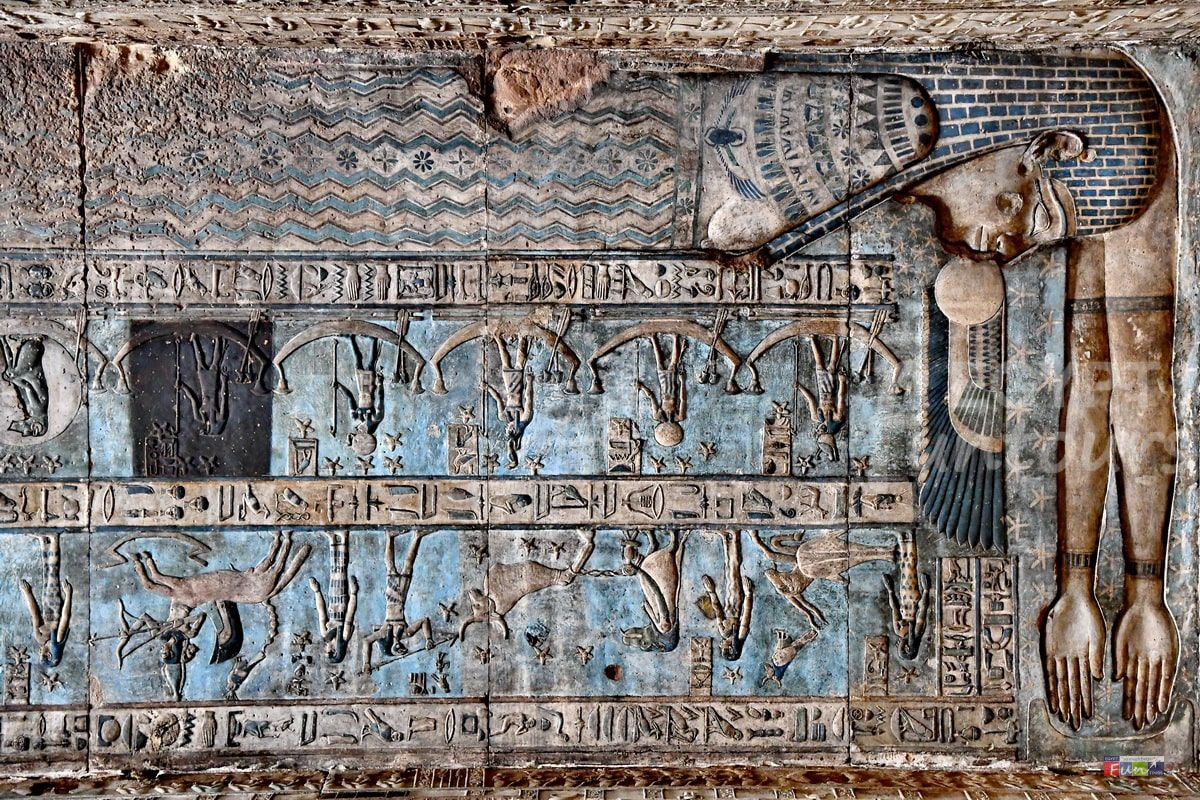
Nut sky goddess ancient egypt gods and goddesses egypt fun tours

The ancient Egyptian religion saw gods as masters of creation and keepers of order. Egyptians believed all of Egypt’s beauty came from the gods’ blessings. They worshipped a vast pantheon of deities, each involved in aspects of nature and society. Each god took on different forms and mythical functions, often associated with animals.

Every god or goddess was tied to a specific location where their worship was strongest. The ancient Egyptian religion adapted, with gods often being combined through syncretism to represent new connections. This fluid relationship between deities, sometimes based on similar qualities and other times on different natures, defined their religious system. Although their origins were often enigmatic, temple and tomb art provide valuable insight into the gods’ nature and roles.

Ancient Egyptian Economy

The existence of the Nile River, which was one of the factors of the ancient...

Related post
FUN

Cosmology of Ancient Egypt

Ancient Egyptian Gods and Goddesses

In the ancient Egyptian religion, there are three realms in the cosmos: the holy gods, the deceased in a divine world, and living humans. The Pharaoh served as the crucial link between humanity and the gods. Central to their beliefs was Maat, an eternal order representing balance, justice, and harmony. This concept protected both society and the cosmos from chaos.

The principles of Maat, a cornerstone of the ancient Egyptian religion, promoted coexistence and cooperation. Egyptians maintained this order through regular offerings and ceremonies. They also believed in a profound connection between the cosmos and time, which helped to preserve Maat by regenerating it through periodic events, thereby echoing the world’s original creation.

Ancient Egyptian Religious Festivals

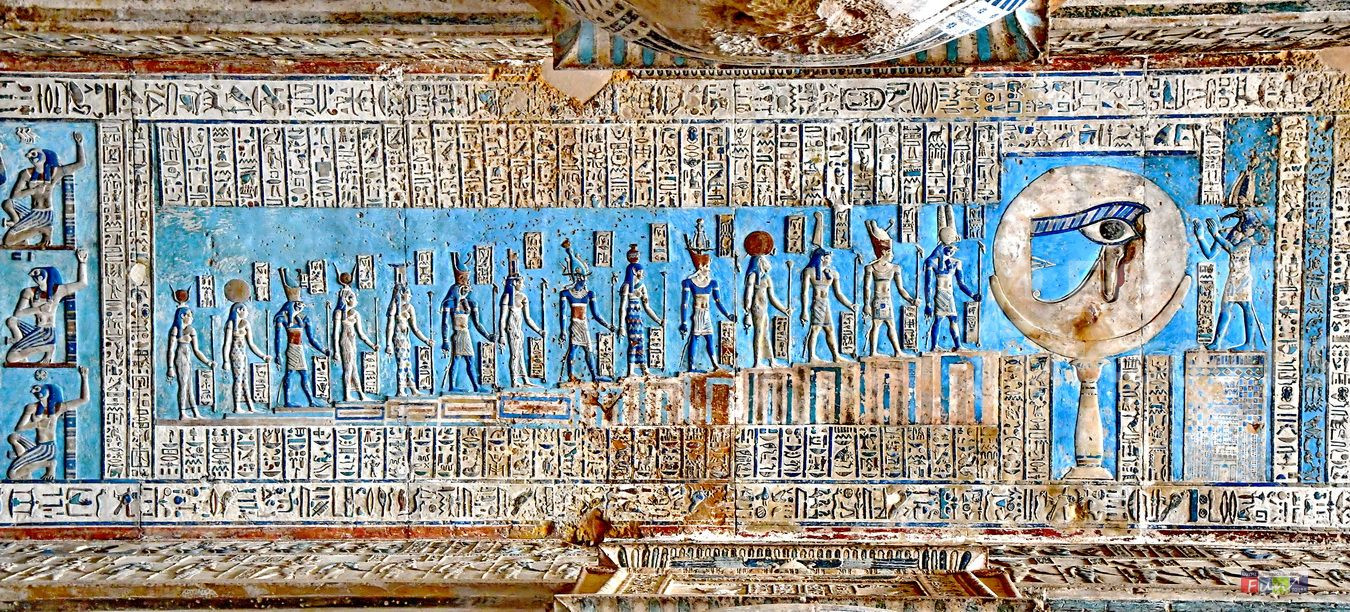
opet festival ancient egyptian festivals egypt fun tours

The ancient Egyptians conducted several festivals to incorporate the gods’ holy significance into their daily lives. It included morning offering ceremonies and re-enactments of ancient Egyptian tales, such as the Opet festivals; it also commemorated specific dates on the calendar, such as the Wepet-Renpet celebration on New Year’s Eve and the Wadi festival on Harvest Day. They also commemorated the king’s rule with the Sed festival, which marked the end of his reign after thirty years. According to the story of creation, Egyptians celebrated the gods’ birthdays on the final five days of the year during the Epagomenae festival.

The Final Judgment: Weighing of the Heart and the Hall of Two Truths

The Final Judgment stands as the most critical event in the ancient Egyptian conception of...
Related post
FUN

Afterlife in Ancient Egypt

final judgment and afterlife egypt fun tours

In ancient Egyptian culture, the idea of the Afterlife was the most significant component. The ancient Egyptians were anxious about what would happen to them once they died. They thought that humans had Ka, or life force, which left the body after death. To serve this notion and preserve the Ka, the ancient Egyptians erected numerous tombs, temples, and pyramids. While in the tomb, food was provided to the ka in order for it to ingest its spiritual essence. The ba represents a person’s unique spiritual traits. The burial rites were created to free the ba and ka. This allowed them to rejoin and form the Akh. The Akh could then travel to the afterlife on Ra’s solar boat. Check out our full guide on the elements of the Soul in ancient Egypt.

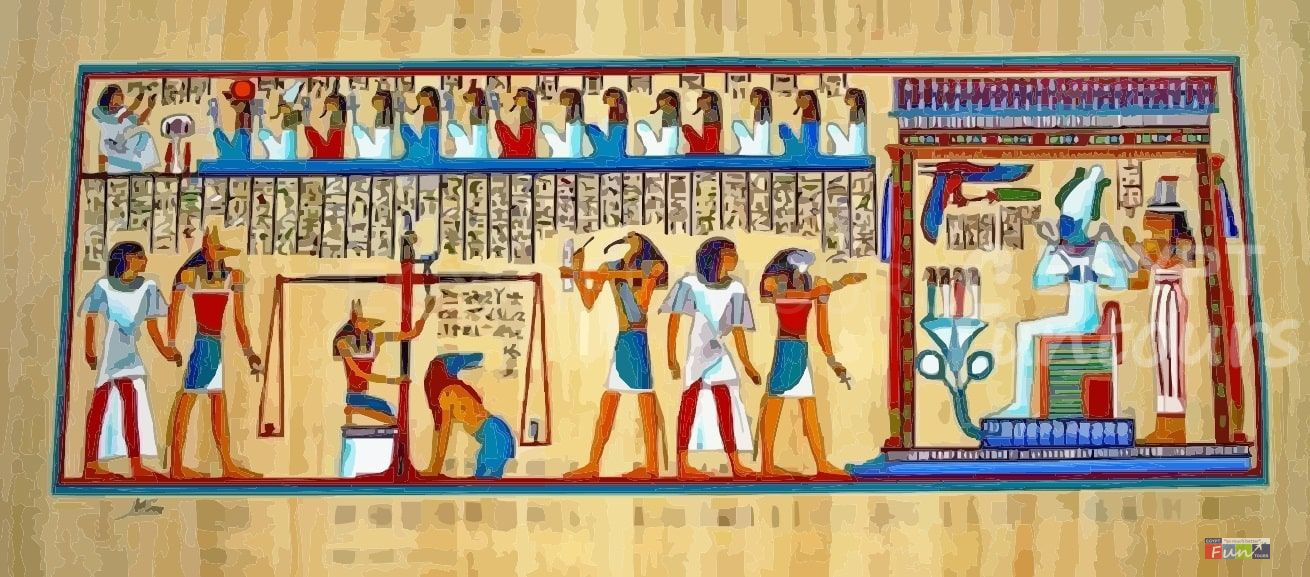
To prepare for the soul’s return, people mummified the body. This prepared it for the journey to the afterlife. Osiris would judge the soul in the underworld’s hall of truth. He weighed the person’s heart against the feather of Maat. If the heart were lighter, the soul would go to the heavens, or the reed fields. If it were heavier, the monster Ammut would devour the soul, and it would cease to exist.

The Backbone of Egypt: A Year in the Life of an Ancient Egyptian Farmer

They were the engine of the empire. This blurb follows a year in the life...
Related post
FUN

Magical and Funerary Texts

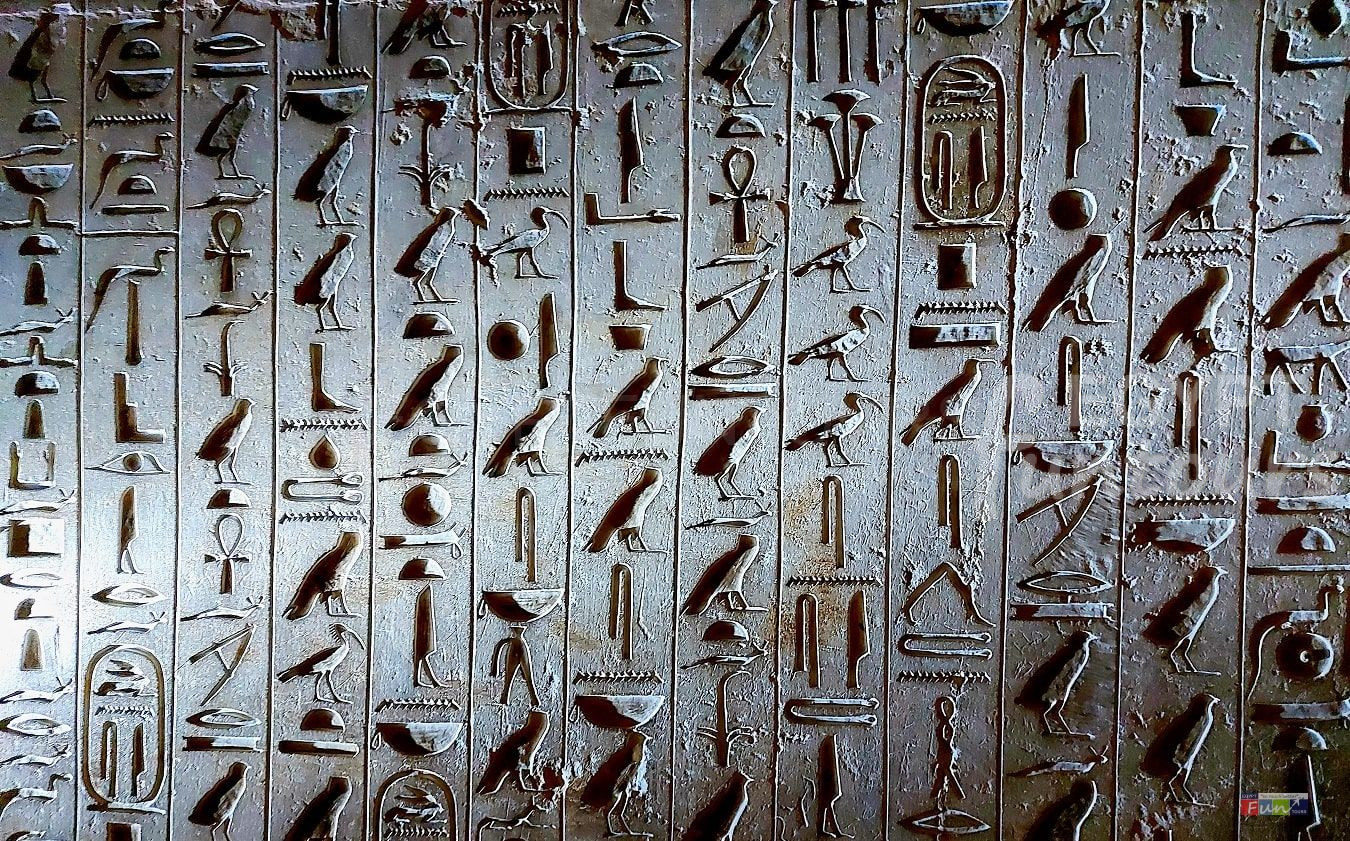
THe pyramids text ancient egyptian book of dead egypt fun tours

Scribes recorded the ancient Egyptian religion on papyri. These scrolls preserved information about religious rites. Priests also engraved these sacred writings on temples and tombs, often with illustrations. Many prayers and hymns were composed as poetry.

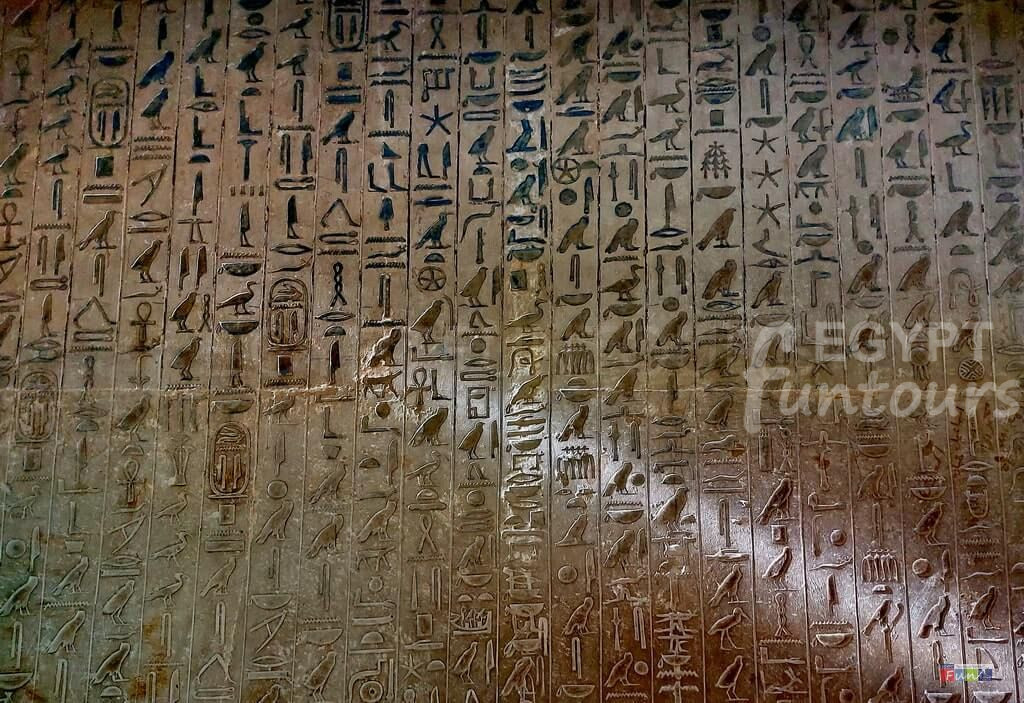
Some of the most vital texts for the ancient Egyptian religion were the funeral texts, the Book of the Dead, and the pyramid texts, which served as instructions for religious rites. Magical books detailed rituals and spells for achieving specific goals. During the New Kingdom, people used oracles to resolve disputes and guide royal decisions.

Egypt was a pioneering civilization in architecture, building many of the world’s most magnificent structures in cities like Cairo, Luxor, and Aswan. A Nile River cruise is an excellent way to experience these sites and the energy of Egypt’s ancient past as part of your Egypt tour packages.

Egypt entry visa.

This Deluxe Tour package is ideal for any visitor looking to see the best of Egypt....

Welcome to the most extensive and authentic Egyptology Tour we offer. This isn’t just a vacation; it’s a 15-day Archaeological Expedition Egypt. You’ll trace the...

Lenka Traverlers

Egypt Fun Tours was contracted by our travel agency, Lenka Travelers, to arrange and guide us through parts of Egypt and Jordon. They did a fabulous job. The hotels, restaurants, places we visited, and transportation were the best. Our guide in Egypt, Mohammad, was very knowledgeable, spoke perfect English, and

More »

Great shore excursion of Cairo & Giza

We are glad that we arranged our private shore excursion with Egypt Fun tours in last week of October 2012. Booking process was very easy with Hamada and she took care of all our questions promptly just via E-mail. Our group was little worried about safety in Egypt especially because

More »

Alexandria! Wow!

Muhammad is the best! He showed me a world I never thought possible! The tombs in Alexandria, by far, were my favorite! I never knew there was a place on earth that contained both Greek and Egyptian carvings in the same tombs! The history and culture of Egypt is so

More »

A great day!!!!

Thank you Hamada for an incredible day! Thank you for the stories and the history, you are so knowledgeable and we didn’t feel rushed at all or like we missed out on things, will definitely be recommending this tour to everyone 🙂

More »
Isis with wings

Top-rated Tour Packages

Isis with wings