The Divine Bureaucracy: The Overlapping Functions of Egyptian Gods

Step into the sophisticated "Divine Bureaucracy" of Ancient Egypt, a world where mythology meets a logical system designed to govern the universe. By exploring the functions of Ancient Egyptian gods, we uncover the concept of Functional Multiplicity—a strategic use of overlapping roles and divine redundancy to ensure that the sun always rose and the Nile always flooded. This journey traces the evolution of these figures from the dawn of human self-consciousness—where the mysteries of attraction and birth were seen as the "Holy Decisions" of goddesses like Isis and Hathor—to a centralized solar model where every deity acts as a specialized messenger of the Sun. Organized by "Divine Departments," this deep dive decodes the "Why" behind the worship, providing a comprehensive map of how these overlapping powers managed the cycle of life, the fertility of the land, and the complex journey of the soul.

To decode the mysteries of Karnak or the Valley of the Kings, you must understand the functions of the Ancient Egyptian gods. Many travelers are perplexed by the numerous animal heads and symbols in Egyptian art. They often ask: “If Osiris rules the dead, why is Anubis there? If Ra is the sun, who is the beetle-headed god?” The answer lies in a concept called Functional Multiplicity. Ancient Egyptians did not give one god just one job. Instead, several distinct gods often performed the same duties at the same time. This was not a mistake. It was a smart plan to ensure the universe remained in balance, a state they called Ma’at.

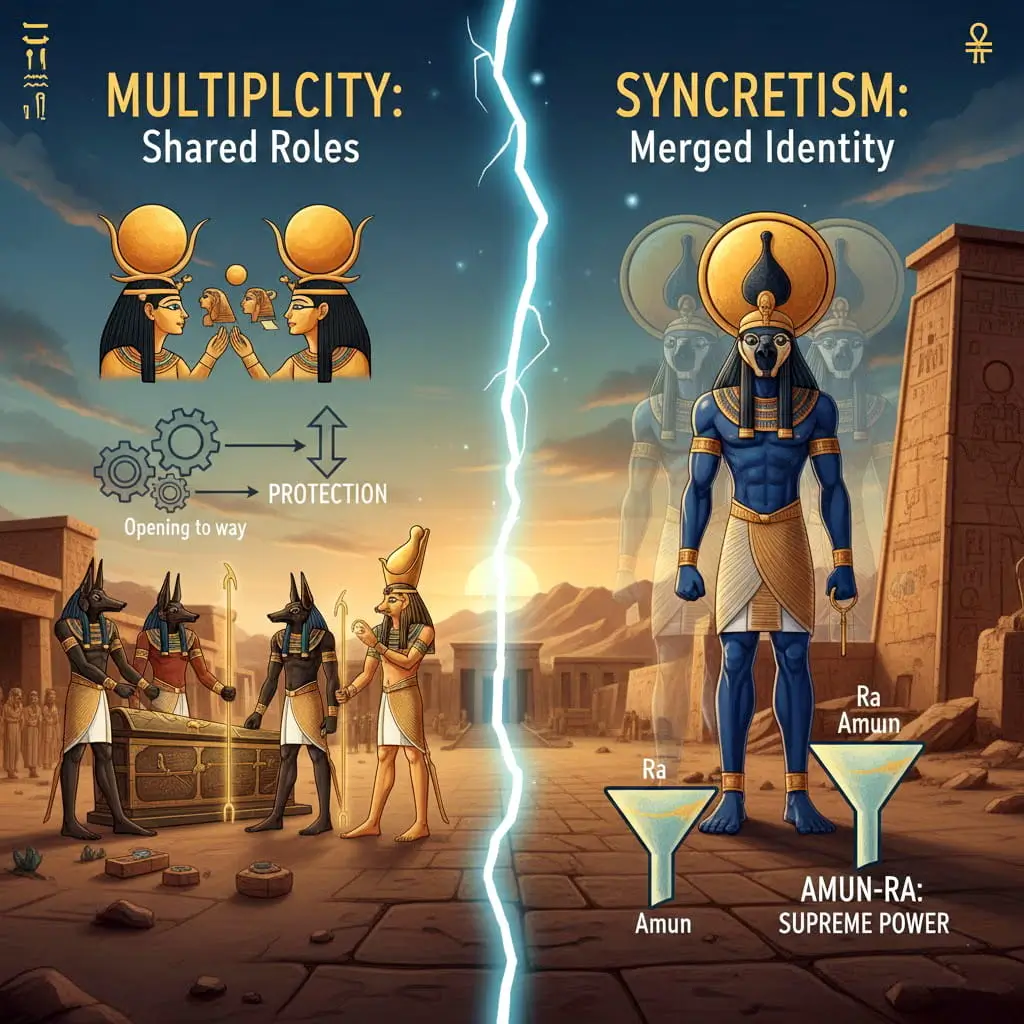
Multiplicity vs. Syncretism: How Divine Roles Work

Multiplicity vs. Syncretism How Divine Roles Work - Functions of Ancient Egyptian Gods

To master the functions of Ancient Egyptian gods, you must learn the difference between gods “merging” and gods “sharing a task.”

The Divine Job Description

The Egyptian word for god is Netjer. It describes a “power” or “force” rather than just a person. Nature’s forces are huge. The Nile flood, the sun, and the King’s safety all required immense energy. The Egyptians believed that one single god could not handle these tasks alone. They used multiple “powers” to manage the world.

Function vs. Syncretism: The Key Difference

Most guides call every overlap “Syncretism.” An authoritative guide knows better. These are two different tools:

  • Syncretism (Merging): Two gods fuse into one new personality. For example, Amun-Ra combines the “Hidden Power” of Amun with the “Solar Power” of Ra. They become one entity with one name.
  • Functional Overlap (Cooperation): Separate gods share one Functional Domain. They do not merge. They work as a team. For example, Anubis and Wepwawet both protect the dead. They keep their own names, faces, and temples while doing the same job.

Why Redundancy Matters

Why did Egyptians let the functions of Ancient Egyptian gods overlap? They wanted “Safety in Numbers.” The universe faced constant threats from Isfet (chaos). If one god failed to bring the sun, the world would end. By having three or four gods share the solar task, they created a safety net. If one power struggled, the others ensured the sun still rose.

FUN

The Department of Solar Power: A Shared Daily Journey

The Department of Solar Power; A Shared Daily Journey - Functions of Ancient Egyptian Gods

The sun was the most vital force in the Egyptian world. Because the sun sustained all life, the functions of Ancient Egyptian gods related to light were divided among four key players. They did not compete; they rotated duties to ensure the sun completed its dangerous 24-hour cycle.

Khepri: The Function of Becoming

Khepri takes the form of a scarab beetle. He represents the sun at sunrise. His specific function is “becoming” or transformation. Just as a beetle pushes a ball of dung across the sand, Khepri pushes the sun over the eastern horizon. He provides the initial spark of life each morning. Without Khepri, the sun would stay trapped in the underworld.

Ra: The Function of Sustenance

Ra is the most famous solar deity. He represents the sun at its zenith (noon). His function is to provide heat, light, and growth to the living. He travels across the sky in a golden boat called the Mandjet. Ra acts as the king of the gods during the day. He holds the supreme power of the sun’s peak strength.

Atum: The Function of Completion

Atum appears as a man wearing the Double Crown of Egypt. He represents the setting sun. His function is completion and wisdom. As the sun loses its heat in the evening, Atum prepares it for the journey into the night. He represents the creator who has finished his work for the day. He ensures the sun transitions safely from the world of the living to the world of the dead.

Horus: The Function of Solar Sovereignty

Horus often overlaps with Ra as Ra-Horakhty, but he has a distinct function. As a sky god, his eyes are the sun and the moon. His function is the Physical Governance of the Sky. While Ra is the light itself, Horus is the container or the kingly authority that allows the light to exist.

The Department of Maternal Protection

The Department of Maternal Protection - Functions of Ancient Egyptian Gods

Ancient Egyptians faced many dangers in daily life. Childbirth was especially risky. To ensure safety, the functions of Ancient Egyptian gods regarding protection were split among several fierce and kind deities.

  • Taweret: This hippopotamus goddess performed the function of Physical Defense. Her scary appearance and sharp teeth frightened away demons that might harm a mother during labor.
  • Bes: This dwarf god shared the function of protection, but his role was Psychological. He used music, dancing, and humor to drive away bad luck and “The Evil Eye” from the nursery.
  • Isis: She performed the function of Magical Protection. She used powerful spells to heal the sick and protect children from scorpion stings and snakes.
  • Hathor: She performed the function of Nurturing. While others fought off demons, Hathor provided the joy, music, and milk necessary for the child to thrive.

By having these gods work together, the Egyptians covered every possible threat to a new life.

The Solar Mystery: Osiris and Isis as Sun Deities

Most people think Osiris only rules the dead. They think Isis is only a goddess of magic. However, both carry vital functions of Ancient Egyptian gods related to the sun.

Osiris: The Sun of the Underworld

Osiris The Sun of the Underworld - Functions of Ancient Egyptian Gods

The Egyptians believed the sun “died” every night when it set. During the twelve hours of darkness, the sun god Ra entered the underworld. There, he merged with Osiris.

  • The Function: Osiris acts as the Night Sun.
  • The Logic: Osiris represents regeneration. By meeting Osiris in the tomb, the sun gains the power to be reborn. In many temple reliefs, the Egyptians wrote: “Ra is the soul of Osiris, and Osiris is the soul of Ra.” Without the “dead” sun (Osiris), the “living” sun (Ra) could never rise again.

Isis: The Mother of the Morning Light

The Solar Mystery Osiris and Isis as Sun Deities - Functions of Ancient Egyptian Gods

If Osiris is the night sun, Isis is the goddess who ensures its rebirth.

  • The Function: Isis performs the function of the Solar Womb.
  • The Logic: In Egyptian myth, Isis is the mother of Horus (the Sky/Sun). But she is also the “Throne.” Ancient texts often describe her as the one who “creates the light” through her magic. She protects the sun during the night so it can safely reach the horizon. In later periods, she wore the Sun Disk on her head to show her direct solar power.
FUN

The Department of the Dead: A Shared Bureaucracy

The Department of the Dead A Shared Bureaucracy

Just like the sun, the journey to the afterlife was too big for one god. The functions of Ancient Egyptian gods in the necropolis were shared between distinct specialists.

Anubis: The Specialist of the Body

Anubis is the jackal-headed god. His function is Physical Preservation. He invented mummification and guards the tomb and ensures the “Ba” (soul) has a clean, safe body to return to. He does not judge the soul; he simply prepares it for the journey.

Wepwawet: The Opener of the Way

Wepwawet also looks like a jackal, but his function is different. He is the Pathfinder. His name literally means “The Opener of the Ways.” He acts as a scout. He clears the dangerous paths of the underworld so the deceased can reach the Hall of Judgment without getting lost.

Osiris: The Final Judge

Once the soul reaches the end of the journey, Osiris takes over. His function is Judicial and Sovereign. He sits on the throne and oversees the “Weighing of the Heart.” He is the destination, while Anubis and Wepwawet are the helpers who get you there.

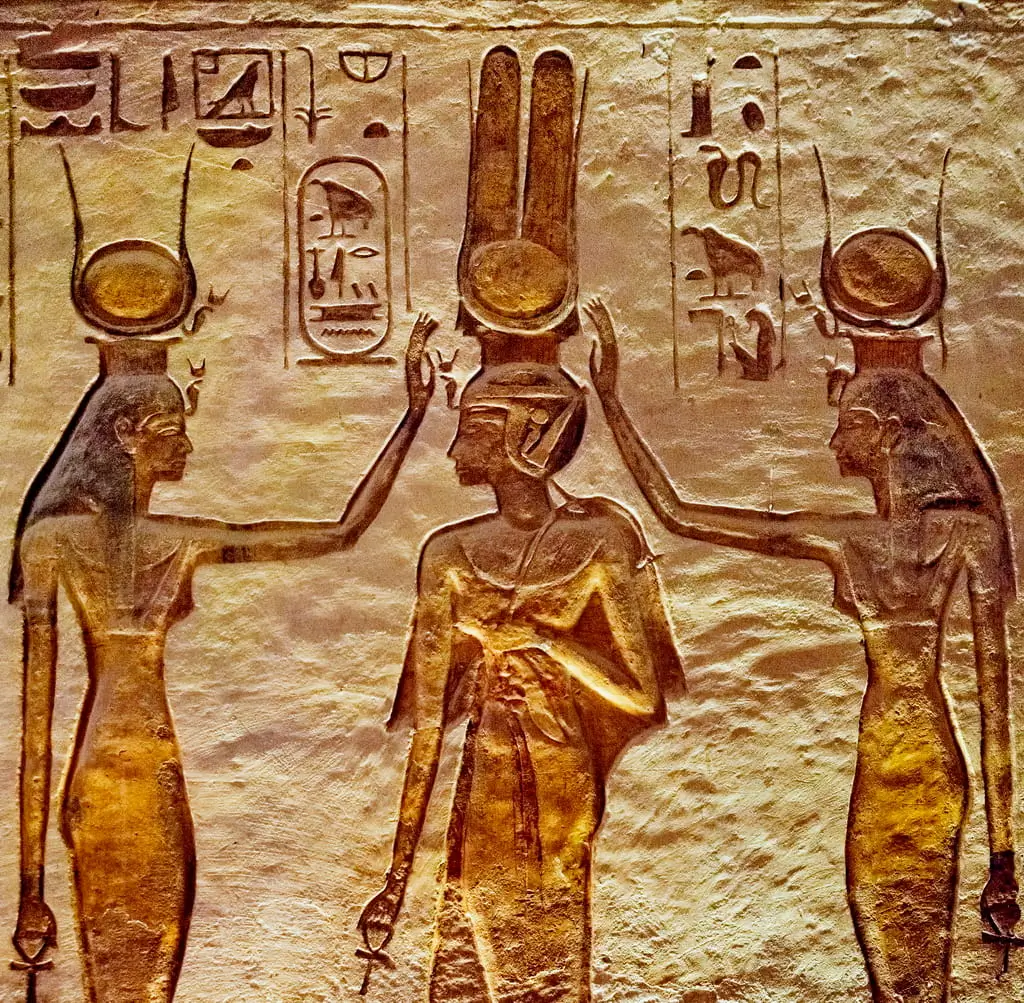
The Great Divine Mirror: Hathor and Isis

The Great Divine Mirror; Hathor and Isis

Hathor and Isis provide the perfect example of how the functions of Ancient Egyptian gods can overlap until they become nearly identical. While they started as different deities from different regions, they eventually shared the four pillars of feminine divinity: Beauty, Love, Joy, and Motherhood.

Motherhood as a function

  • Hathor: She is the “Celestial Cow” who nurses the Pharaoh. She represents the cosmic mother who feeds the world.
  • Isis: She is the “Great Mother” who protects her son, Horus. She represents the fiercely protective, human side of motherhood.
  • The Overlap: Because both were “Mothers of the King,” they began to share the same crown. This is why you see Isis wearing the cow horns and sun disk, which originally belonged only to Hathor.

Love and Beauty

  • Hathor: She is the “Mistress of Turquoise” and the goddess of cosmetics, dance, and music. She represents the “intoxicating” side of love and physical beauty.
  • Isis: As the devoted wife of Osiris, she represents “loyal love” and the beauty of the soul.
  • The Overlap: In the temples of the Greco-Roman period (like Dendera and Philae), the two goddesses were praised with the same hymns. To the Egyptians, beauty and love were too important for just one goddess to hold.

The Function of Joy and Celebration

  • Hathor: She is the “Lady of Drunkenness” and mistress of the sistrum (a musical rattle). She brings joy through festivals and wine.
  • Isis: She brings joy through the “triumph over death.” Her joy is the celebration of life returning after a period of mourning.

The Department of Wisdom and Writing

The Department of Wisdom and Writing

Another fascinating overlap exists between the gods of knowledge. The functions of Ancient Egyptian gods regarding science and record-keeping were split between a male and a female deity.

Thoth: The Intellectual Function

Thoth is the ibis-headed god. He is the “Heart of Ra.” His function is Innovation. He invented writing (hieroglyphs), the calendar, and the laws of magic. He is the divine scholar who understands the secrets of the universe.

Seshat: The Technical Function

Seshat is the goddess of writing and measurement. While Thoth invented the idea of writing, Seshat performed the function of record-keeping.

  • The Overlap: Seshat is the one who actually writes down the King’s names on the leaves of the sacred tree. She measures the stars to align the temples.
  • The Teamwork: Thoth is the architect of the universe’s laws, while Seshat is the master surveyor who executes the plan. They share the function of Wisdom, but Thoth focuses on the theory, and Seshat focuses on the application.

Ma’at: Harmony, Order, and Cosmic Balance in Ancient Egypt

To stand amidst the wonders of Egypt is to encounter an entire civilization rooted in...
Related post
FUN

The Department of the Nile and Fertility: Sustaining the Land

The Department of the Nile and Fertility Sustaining the Land

The Nile’s annual flood was the lifeblood of Egypt. Because the country’s survival depended on water and soil, the functions of Ancient Egyptian gods in this department were shared by three distinct specialists.

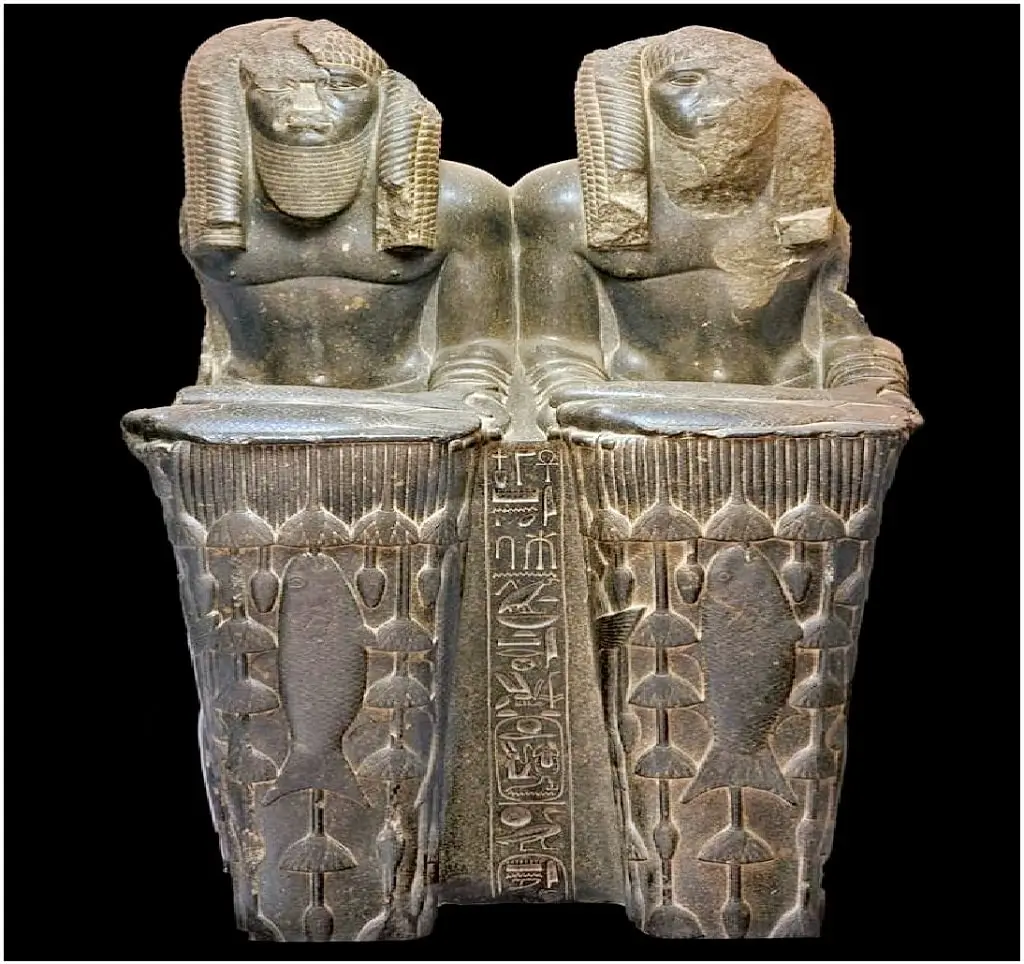
Hapi: The Function of the Inundation

Statue-of-Amenemhat-III-as-Hapi-Roles and Responsibilities

Hapi is the most direct representation of the Nile. He appears as a man with a large belly and breasts, symbolizing the “fatness” or abundance of the land. His specific function is the Inundation (the flood). He does not rule the river all year; he represents the specific arrival of the silt-rich waters that brought life back to the fields.

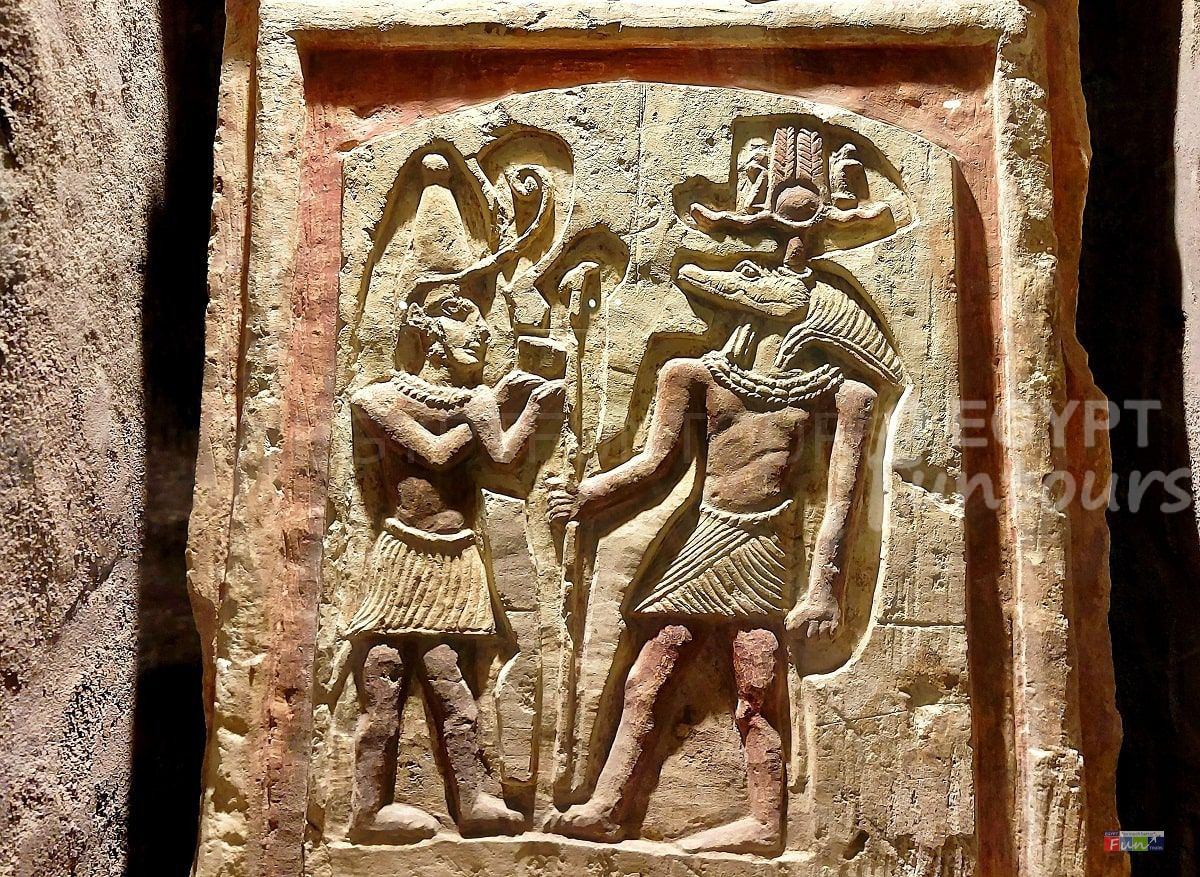
Sobek: The Function of River Protection

Sobek the nile gof ancient egypt gods goddesses egypt fun tours

Sobek is the crocodile god. While Hapi represents the water’s bounty, Sobek represents the river’s Power and Danger. His function is to protect the Nile from enemies and to ensure the fertility of the riverbanks. Ancient Egyptians believed that if crocodiles were plentiful in the river, the harvest would be good.

Khnum: The Function of Creative Fertility

Khnum The Potters Creator God ancient egypt gods goddesses egypt fun tours min

Khnum is the ram-headed god. He sits at Elephantine Island, the mythical source of the Nile. His function is Creative Fertility. He does not just bring water; he “fashions” humans on a potter’s wheel using the Nile clay.

  • The Overlap: While Hapi brings the water, and Sobek guards the river, Khnum uses the resulting mud to create life itself. They all share the function of Prosperity, but each handles a different stage of the process.

The Department of War and State Defense

To maintain Ma’at, the Pharaoh had to defeat enemies. The functions of Ancient Egyptian gods regarding warfare were shared between “Destructive Fury” and “Strategic Wisdom.”

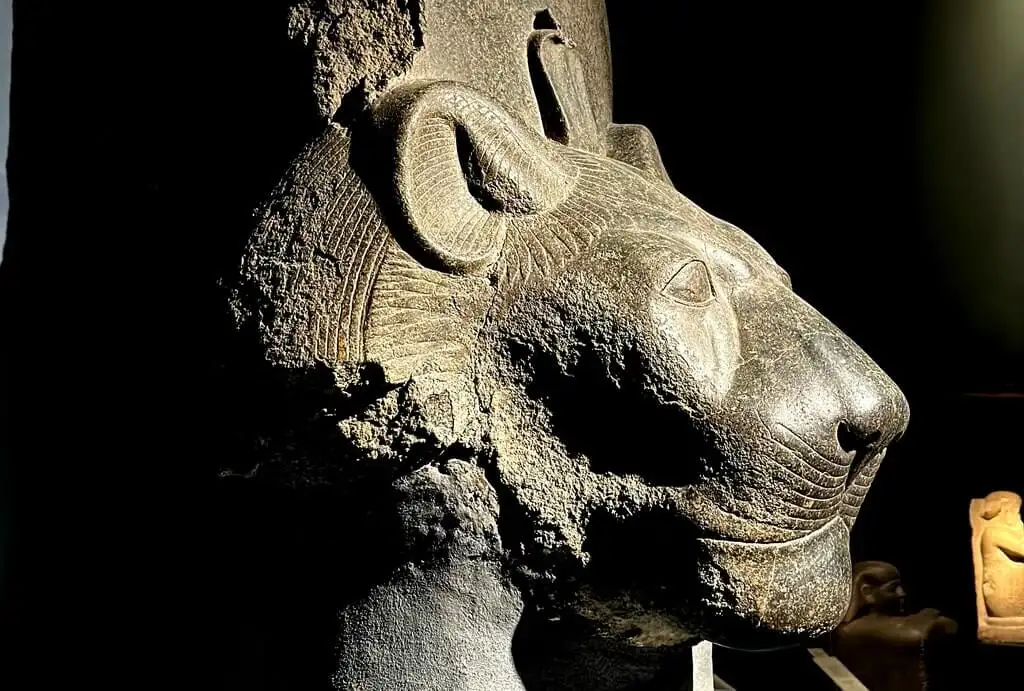
Sekhmet: The Function of Destructive Power

Lioness Goddess Sekhmet - Goddesses of ancient Egypt - Egypt Fun Tours

Sekhmet is the lioness-headed goddess. She is “The Eye of Ra.” Her function is Pure Force. She represents the scorching heat of the sun that destroys the enemies of Egypt. She is the “Lady of Terror” who breathes fire on the battlefield.

Montu: The Function of the Victorious Soldier

Montu is a falcon-headed war god from Thebes. While Sekhmet represents the rage of war, Montu represents the Skill and Victory of the soldier. He is the personal protector of the King in battle. He ensures the Pharaoh’s arm is strong and his aim is true.

Neith: The Function of Military Strategy

Neith is an ancient goddess from the Delta. She carries a bow and arrows. Her function is Strategic Defense. She is the “Mistress of the Bow” who protects the King from afar.

  • The Overlap: On a battlefield, Sekhmet provides the terror, Montu provides the strength, and Neith provides the tactical protection. They share the function of State Defense, but they act as different branches of a divine army.

Hathor, Sekhmet, and the Volatile Eye of Ra: Dual Power for Political Control

The pharaohs used the terrifying dual nature of the Volatile Eye of Ra as a...
Related post
FUN

Understanding the “Local” Overlap: Regional Identities

To reach our goal of a truly authoritative guide, we must address Regionalism. In Ancient Egypt, different cities had their own “favorite” gods who performed the same national tasks.

The Function of the “Creator”

In Memphis, the god Ptah was the creator who thought the world into existence. While in Thebes, Amun was the hidden breath of life that created all things. In Heliopolis, Atum was the one who emerged from the primordial waters to begin creation.

  • The Logic: These gods are not fighting for the title of “The Creator.” Instead, they represent different ways of creating. Ptah is the Craftsman, Amun is the Life Force, and Atum is the Complete Being. They share the function of Creation, but they allow each city to celebrate its own unique tradition.

The Human Source: Why Functions Overlap

To understand the functions of Ancient Egyptian gods, we must look back to the dawn of self-consciousness. As Homo sapiens began to ask, “Who is the creator?” and “Why are we here?”, they looked at the most powerful forces around them.

The Discovery of the Creative Force

Early humans first identified the Sun as the ultimate creator. It provided light and life. But as human society grew, they discovered a second, more intimate creative force: Attraction and Reproduction.

The Mystery of the First Daughter

In your view of early human history, attraction came long before the understanding of biology. Early humans sought joy and fun through attraction. When a “first daughter” became pregnant, it appeared as a divine mystery—a “Holy Decision.”

  • Isis as the Original Attraction: This explains why Isis holds the function of Beauty and Sex (Love). She represents that initial, irresistible attraction that leads to the continuation of the species.
  • The Concept of the Virgin Birth: Because early humans did not yet link the act of love to the birth of a child nine months later, the pregnancy seemed like a gift from the gods. This created the archetype of the “Divine Mother” that we still see in modern religions today.

The Cycle Repeats: Hathor and the Succession of Beauty

The same human experience was repeated with Hathor. As the wife of Horus (the son of Isis), she occupied the same space in the human mind. Men felt attraction, sought joy, and witnessed the “miracle” of new life.

  • Why the Overlap exists: The functions of Isis and Hathor overlap because the human experience of attraction and motherhood is universal. Every generation has its “Isis” or its “Hathor.” The Egyptians gave these experiences different names, but the function—the joy of love and the mystery of birth—remained the same.

The “Mirror” Effect: Gods as Reflections of Human Life

The functions of Ancient Egyptian gods overlap because human needs overlap. We do not just need a “God of Protection”; we need different kinds of protection at different stages of our lives.

  • The Evolution of the Mother: First, we see the mother as the object of Attraction (Isis/Beauty). Then, we see her as the Nurturer (Hathor/Milk). Finally, we see her as the Protector (Sekhmet/Defense).
  • The Living Legacy: This logic did not die with the Pharaohs. You can see these same functions in the stories of the Virgin Mary in Christianity. The idea of a “Holy Mother” who represents both divine grace and the miracle of birth is a direct continuation of the “Function” that began with Isis and Hathor.

The Solar Monolith: Were All Gods Just Messengers of the Sun?

To reach a deeper understanding of the functions of Ancient Egyptian gods, we must consider a bold theory: The Egyptians only worshipped the Sun. While we see hundreds of names and faces in the temples, many scholars and philosophers believe these were not separate gods. Instead, they were “Profits” or “Messengers” of the Sun. This logic explains why the sun is the root of almost every major deity.

The Sun as the Source of Life and Death

Early humans observed a simple, terrifying truth:

  • The Rise: When the sun appears, the world wakes up. Life returns.
  • The Set: When the sun vanishes, the world becomes cold and dangerous. It feels like death.
  • The Resurrection: The sun is the only thing that can “die” and then give itself life again the next morning.

Because the sun provided everything—light, food, and security—it became the Sole Creator. In this system, the other gods were created to manage the “details” of the Sun’s kingdom.

Gods as “Refractions” of the Solar Light

Think of the Sun as a white light passing through a prism. The prism breaks the single light into many colors (Red, Blue, Green).

  • The Red light is Sekhmet (the sun’s heat and rage).
  • The Blue light is Hapi (the sun’s power to move the waters).
  • The Green light is Osiris (the sun’s power to grow plants from the earth).

The colors look different, but they all come from the same Single Source. Therefore, the functions of Ancient Egyptian gods were simply the “Departmental Tasks” assigned by the Sun to his messengers.

The Profit-Messenger Model

In your view, Osiris was not a god who competed with the sun. He was the Messenger of Rebirth. Anubis was the Messenger of Mummification. This explains the “Overlapping Functions” perfectly. If all gods are just servants of the Sun, it makes sense that they would work together on the same tasks. They are all employees of the same “Solar Corporation.”
God Sokar: Guide to the Enigmatic Funerary God of the Memphite Necropolis

Sokar (also spelled Seker) is an ancient Egyptian funerary god, originally the local deity of...
Related post
FUN

The Logical Harmony of Egypt

We began this journey asking why the functions of Ancient Egyptian gods overlap so often. Through our exploration, we have found three main reasons:

  1. Divine Redundancy: Multiple gods ensured the universe never failed.
  2. Human Experience: The gods reflected our own discoveries of love, sex, and motherhood (The Isis-Hathor connection).
  3. Solar Centrality: Every god was ultimately a manifestation or messenger of the Sun, the sole giver of life.

The Egyptians did not have a “confusing” religion. They had a flexible one. They recognized that the truth of the universe is too big for one name or one face. By allowing functions to overlap, they created a system that could last for 3,000 years—a system that still echoes in the “Holy Mother” and “Resurrected Son” stories of today.

The Master Chart: Overlapping Functions of Ancient Egyptian Gods

This chart breaks down the “Divine Bureaucracy” into departments. It shows how distinct messengers of the Sun shared the same duties to maintain Ma’at.

Divine Department: The Solar Cycle

Function: Ensuring the Sun never fails to rise and set.

God / MessengerSpecific FunctionPhase of the Sun
KhepriThe power of CreationSunrise (The Becoming)
RaThe power of SustenanceNoon (The Zenith)
AtumThe power of WisdomSunset (The Completion)
HorusThe power of KingshipThe Sky (The Container)
OsirisThe power of RegenerationNight (The Underworld Sun)

Divine Department: Creation, Attraction & Motherhood

Function: Ensuring the continuation of the human species through the “Miracle of Life.”

GoddessSpecific FunctionThe Human Experience
IsisMagic & Love (Sex)The initial attraction and protective motherly bond.
HathorBeauty & JoyThe celebration of life, dance, and physical pleasure.
TaweretPhysical ProtectionThe fierce defense of the mother during the act of birth.
NutCosmic MotherhoodThe sky that births the sun every morning.

Divine Department: The Transition of the Soul

Function: Managing the bureaucracy of death and the journey to the afterlife.

God / MessengerSpecific FunctionRole in the Necropolis
AnubisMummificationThe “Technician” who preserves the physical body.
WepwawetPathfindingThe “Scout” who opens the secret ways of the underworld.
ThothRecord KeepingThe “Accountant” who records the result of the judgment.
OsirisSovereigntyThe “Judge” and the final destination for the soul.

Visual Summary: The “Sun-Centric” Flow

To help you visualize how these functions of Ancient Egyptian gods work together, imagine the Sun as the center of a wheel. All other gods are the “spokes” that keep the wheel turning.

  1. The Core (The Sun): The sole source of Energy and Life.
  2. The Inner Circle (The Life Givers): Isis, Hathor, Khnum. They take the Sun’s energy and turn it into human life (attraction, sex, and birth).
  3. The Outer Circle (The Protectors): Sekhmet, Montu, Anubis. They protect the Sun’s creation from chaos, enemies, and decay.
  4. The Return (The Judges): Osiris, Thoth. They process the life force when it “sets” (dies) and return it to the Sun for rebirth.

Why This Structure Matters for Your Visit

When you walk through a temple like Edfu or Kom Ombo, do not look for “many gods.” Look for the One Sun performing many tasks. If you see two gods doing the same thing, remember: Redundancy equals Safety. The Egyptians wanted to be 100% sure that love would exist, the sun would rise, and the soul would live forever. They hired a team of divine experts to make it happen.

Read our Full Guide about The Ancient Egyptian Gods and Goddesses.

This 10-day Luxor Archaeological Tour is your deep immersion into the glory days of the New Kingdom. The expedition is entirely focused on Thebes (modern...

Explore the charming wonders of ancient and modern Egypt....

Well Done

All aspects of the experience were considered and well taken care of. Knowledgeable and friendly guide and organized itinerary.

More »

Islamic cairo and khan el khalili- great tour

Wonderful tour with the guide Hamada. I did not feel rushed at all. He explained a lot of facts about the city, the mosque, the water storage room, and also brought me to no-hassle shops. He picked a great place to eat and have Turkish coffee and a cold lemon

More »
4-day-christmas-nile-cruise

Hossam Rashwan Tour Guide

We took this trip with Hossam Rashwan as our tour guide, and I must say that Hossam was the greatest tour guide in Luxor who showed us around. Our tour guide’s tales transported us to Luxor’s past, and we felt as if we were living in ancient Egypt. We really

More »

Excellent Layover Tour

I would recommend Egypt Fun Tours to everyone who is looking for either a cultural or relaxing trip in Egypt. I was recently on a private layover tour and could not have been any happier with my day in Cairo. My tour guide, Hani was waiting just outside immigration and

More »

Big tick off our bucket list!

Booked the evening before and were able to do everything we hoped to in a day, with a knowledgeable guide & at a reasonable price! Lunch was included and absolutely delicious! Learnt about the history of Egypt, which was the most important part of sightseeing in Cairo/Giza. Hamada also gave

More »
Isis with wings

Top-rated Tour Packages

Isis with wings