The Tomb of Mehu: A Masterpiece of Old Kingdom Color

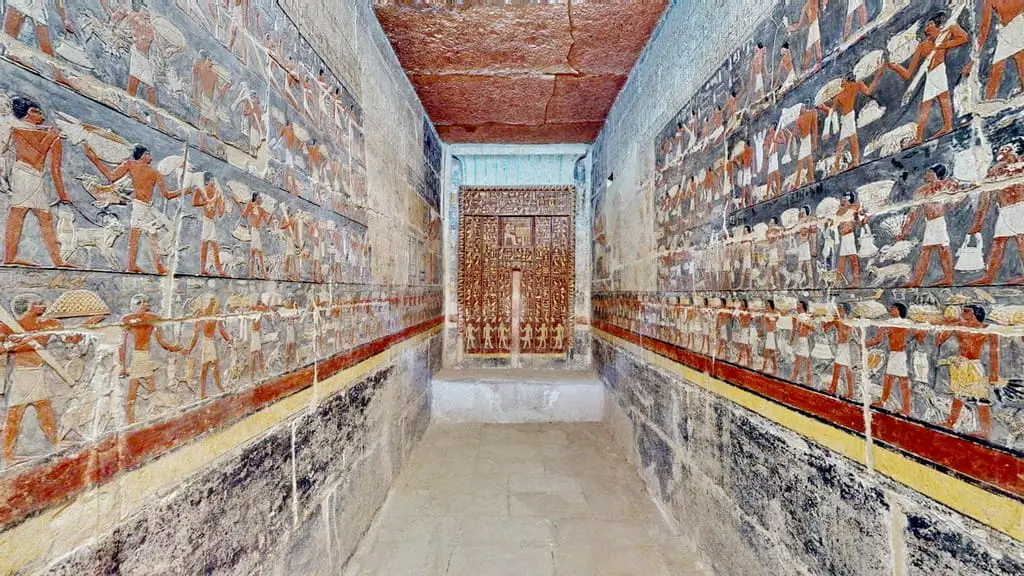
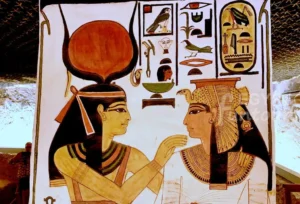
The Tomb of Mehu in Saqqara is an Old Kingdom masterpiece celebrated as the most colorful burial in the necropolis. Serving as the final resting place for Pharaoh Teti’s powerful Vizier, the mastaba features remarkably preserved 6th Dynasty reliefs that retain their vibrant original pigments. Its walls offer a vivid look at ancient life, showcasing bustling harvest rituals alongside rare wildlife scenes, such as the famous mating crocodiles, providing an unparalleled window into Egypt's artistic and administrative peak.

Hidden in the sands of the Saqqara Necropolis, a vibrant secret waited decades for its grand reveal. The Tomb of Mehu is widely considered the most colorful and well-preserved burial site from Egypt’s Sixth Dynasty. While many ancient monuments lost their pigment to time, this “mastaba” tomb still glows with its original mineral paints. It offers a stunning, high-definition look at life during the peak of the Old Kingdom.

The Power Behind the Throne

Most travelers visit the Step Pyramid, but the real stories are found in the “Street of Tombs.” Mehu was not just a nobleman; he was the Vizier (Chief Minister) to Pharaoh Teti. He held over forty high-ranking titles, including Chief Justice and Overseer of the Treasuries. Consequently, his tomb was built with the finest craftsmanship of the 24th century BCE. It stands as a symbol of his immense influence and his proximity to the King.

A Rare Window into Ancient Life
A Rare Window into Ancient Life

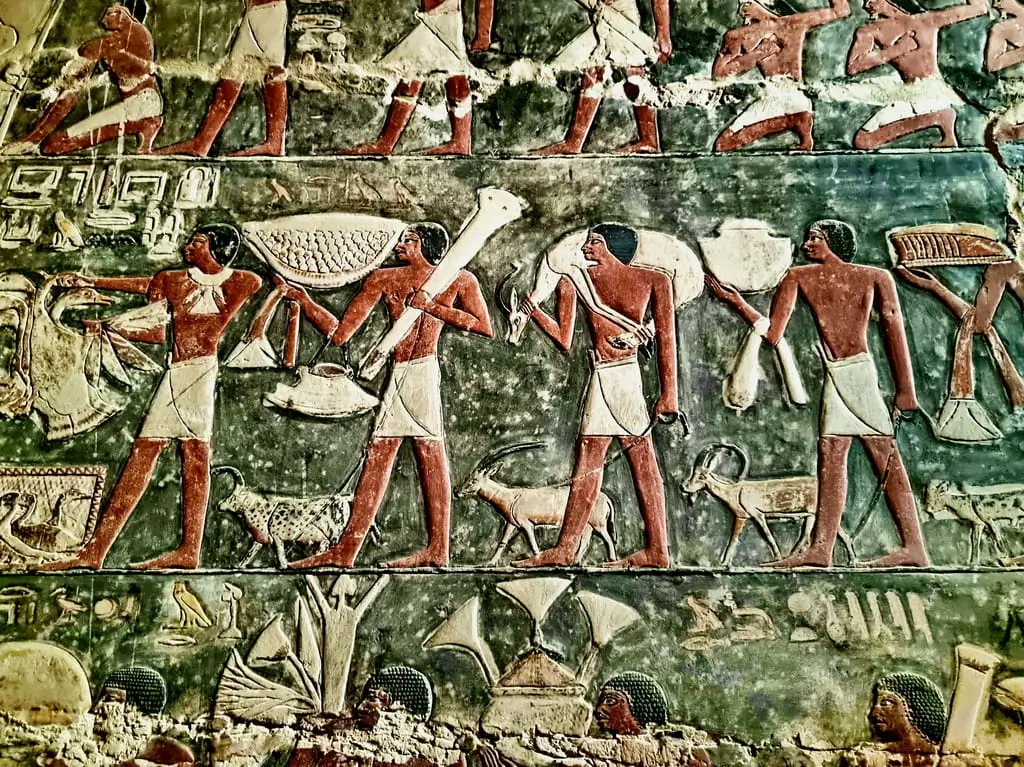
What makes this site a “must-see” on any private Egypt tour is the incredible detail of its reliefs. As you step inside, you leave the desert behind and enter a world of bustling ancient activity. You will see vivid scenes of metalworkers smelting gold, fishermen casting nets, and dancers celebrating at festivals. In addition, the tomb features rare depictions of wildlife, including crocodiles and hippos, captured with “digital-like” clarity in natural stone.

A Legacy Reopened for the World

The tomb was first discovered in 1940 but remained closed to the public for nearly 80 years. Therefore, the colors have been shielded from the elements and light damage. Today, Egypt Fun Tours invites you to explore this exclusive site. Our expert guides help you “read” these vibrant walls. We turn every carving into a fascinating story about the people who built the foundations of Egyptian civilization.
FUN

The “Crocodile Marriage”: A Rare Glimpse into Ancient Folklore

The Crocodile Marriage; A Rare Glimpse into Ancient Folklore

One of the most famous and unusual scenes in the Tomb of Mehu is often called the “Crocodile Marriage.” While many Old Kingdom tombs show animals in the wild, this specific relief offers a charming and rare look at ancient Egyptian storytelling and observation of nature.

A Masterpiece of Nature and Myth

In the marshland scenes, the artists captured the Nile’s ecosystem with incredible precision. Furthermore, they included a unique moment where two crocodiles appear to be interacting in a way that early explorers described as a “wedding ceremony.”

  • The Interaction: The scene shows one crocodile climbing onto the back of another.
  • Cultural Significance: While biologists today recognize this as natural mating behavior, the ancient artists gave it a rhythmic, almost ceremonial quality. It highlights the Egyptian fascination with the power and fertility of the Nile.

Hippos and Hunters: The Chaos of the Nile

In addition to the crocodiles, the walls show large hippopotamuses hiding in the papyrus thickets. One hippo is even depicted giving birth, which is a very rare detail in Egyptian art. These scenes are not just for decoration.

  • Symbolism: For a Vizier like Mehu, controlling these dangerous animals symbolized his ability to maintain Ma’at (order) over chaos.
  • Artistic Detail: You can still see the blue and green pigments used for the water and the papyrus plants, making the scene feel alive.

Why This Scene is a “Must-See”

Most ancient reliefs are very formal and serious. However, the animal scenes in Mehu’s tomb feel playful and spontaneous. Consequently, they are a favorite for photographers and families visiting with Egypt Fun Tours. They provide a break from the rigid religious scenes and show the lighter side of ancient Egyptian creativity.

Observing Ancient Industry

Furthermore, right next to these nature scenes, you can observe the daily toil of the fishermen. They use large nets filled with different species of Nile fish, all carved so accurately that modern scientists can identify the specific types. This blend of wildlife and human labor shows how deeply connected the ancient Egyptians were to their environment.

FUN

The False Door: A Spiritual Portal to the Afterlife

The False Door A Spiritual Portal to the Afterlife

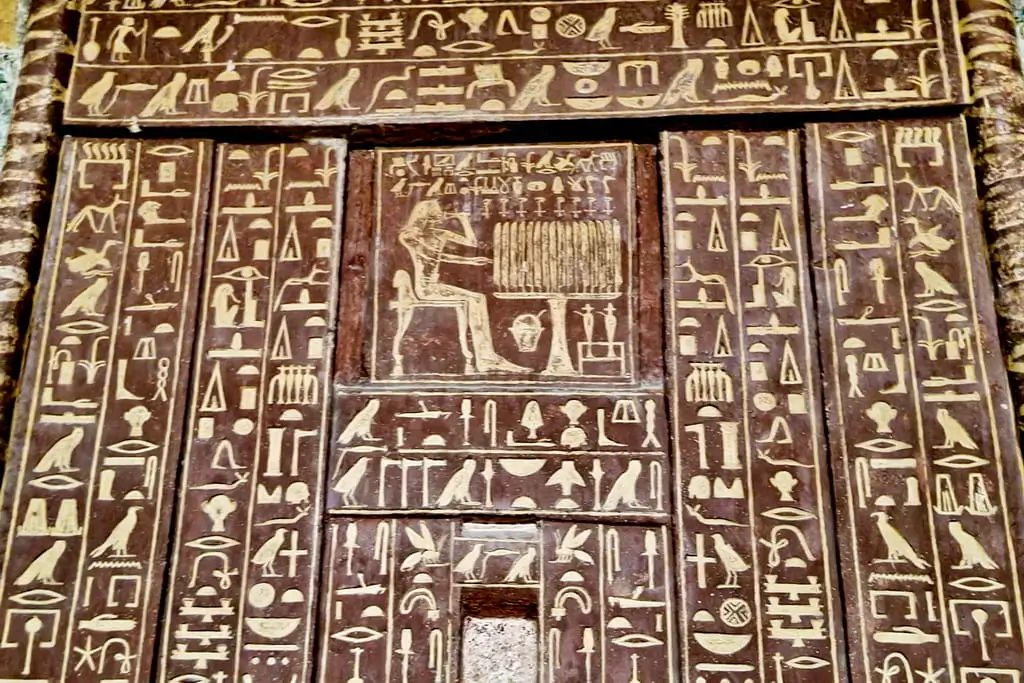
One of the most visually arresting features in the Tomb of Mehu is the grand False Door. In ancient Egyptian belief, this was not a physical exit. Instead, it served as a magical bridge between the world of the living and the realm of the dead.

The Portal for the Ka

The ancient Egyptians believed a person’s soul had several parts. One part, the Ka (the life force), needed to travel from the burial chamber to the offering chapel to receive food and drink.

  • The Design: The door is carved directly into the limestone wall and painted a deep, earthy red to mimic granite.
  • The Inscriptions: Beautifully detailed hieroglyphs cover the frame. These texts list Mehu’s many titles and invoke the gods to provide him with “a thousand of bread, beer, oxen, and fowl.”

A Family Gathering in Stone

The Tomb of Mehu is unique because it also contains chapels for his son, Meryre-ankh, and his grandson, Hotepka. This creates a rare opportunity to see three generations of family history in one place.

  • Meryre-ankh’s Chapel: Features scenes that reflect his own high status in the court of Pepi I.
  • Artistic Continuity: You can see how the artistic style remained consistent across generations. Consequently, the tomb serves as a museum of Sixth Dynasty family values and heritage.

The Offering Scenes: Feeding the Spirit

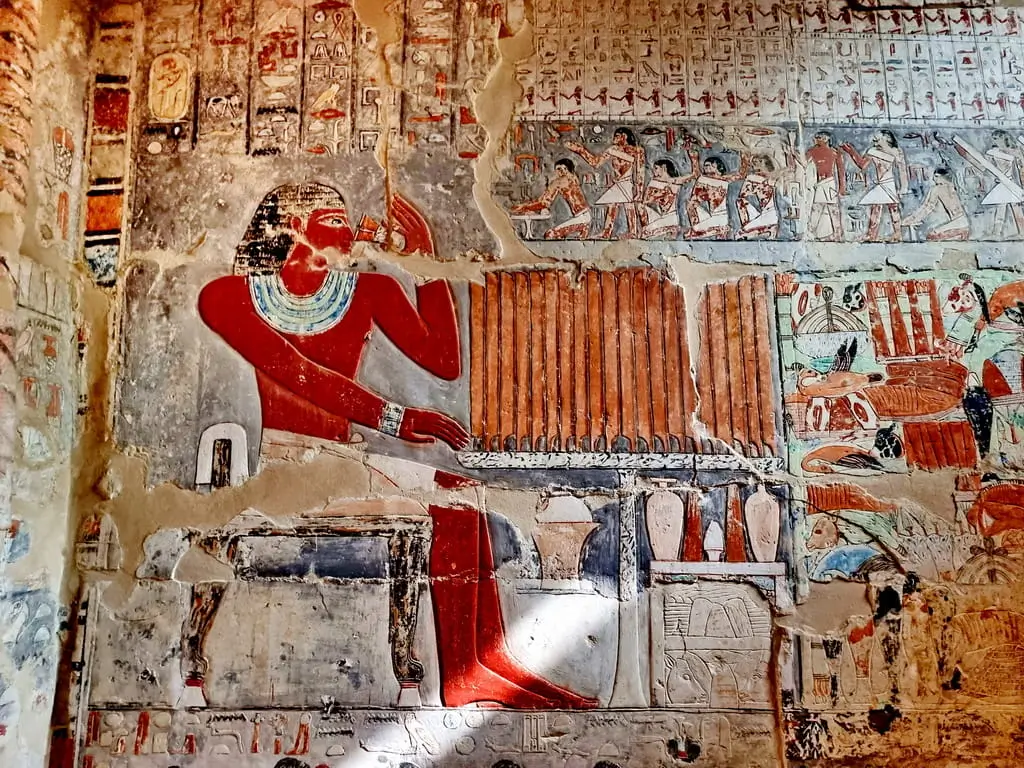
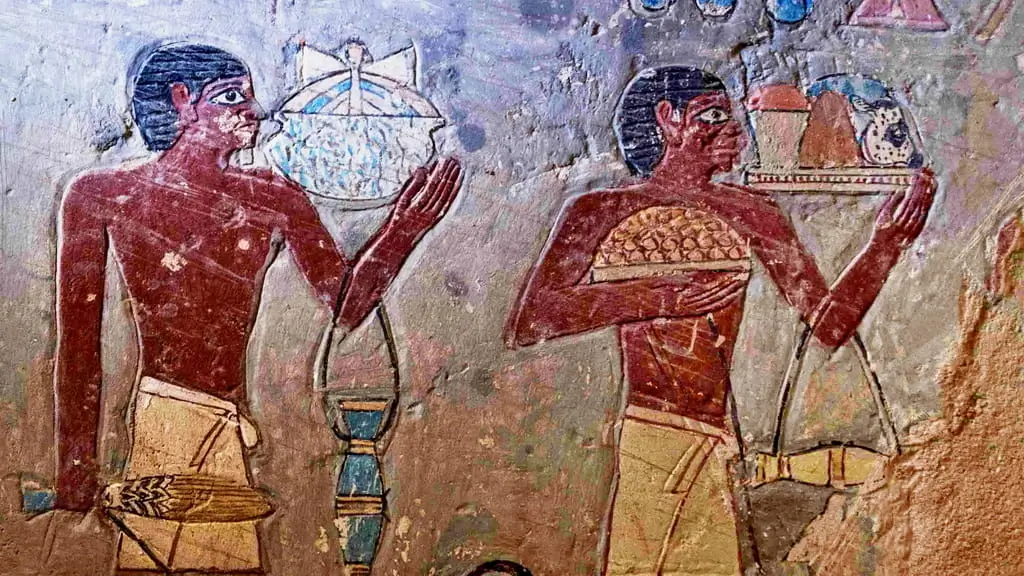
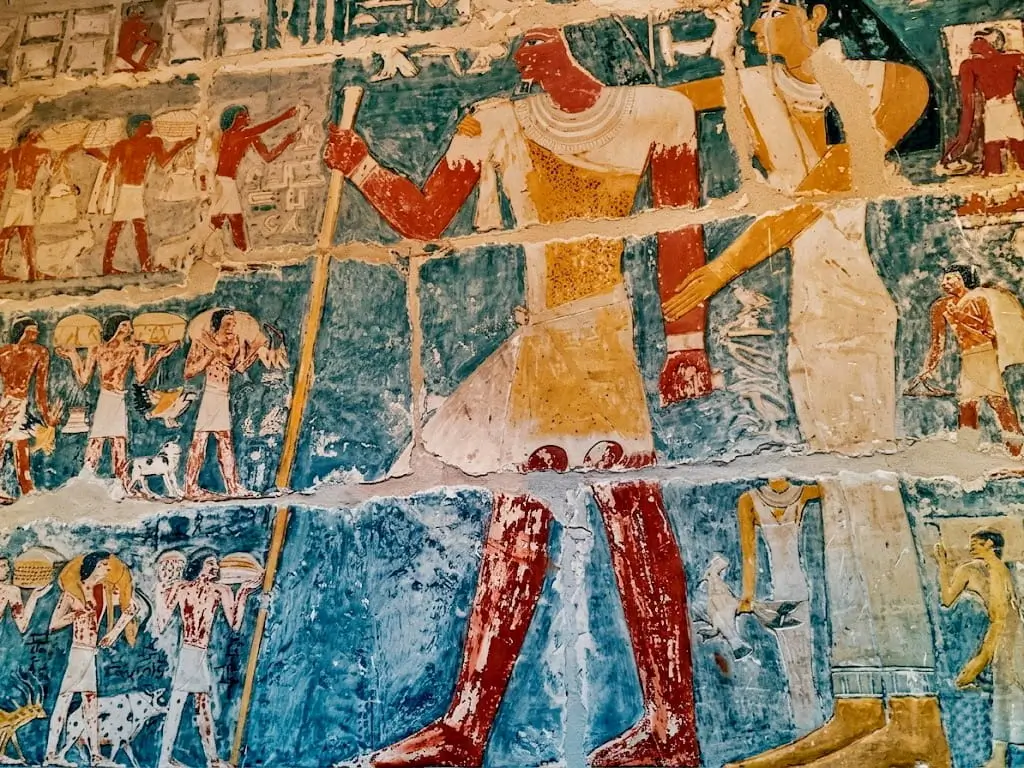
Surrounding the False Door are scenes of the offering bearers. Long lines of people carry baskets of fruit, jars of wine, and cuts of meat toward the door.

  • Vivid Colors: You will notice the bright yellows of the baskets and the deep teals of the wine jars.
  • Active Rituals: These carvings ensured that even if no living relatives visited the tomb, the magical representation of the food would nourish Mehu’s spirit forever. In addition, the active poses of the bearers give the room a sense of constant, busy movement.

Why the False Door is a Highlight

For visitors today, the False Door is the “emotional heart” of the tomb. Standing before it allows you to imagine the ancient priests performing rituals 4,000 years ago. Therefore, it is the perfect spot for our Egypt Fun Tours guides to explain the complex Egyptian concepts of the afterlife and the soul’s journey.

The Catacombs of Kom Esh-Shokafa: Roman-Egyptian Underworld

Descend into one of the "Seven Wonders of the Middle Ages" at the Catacombs of...
Related post
FUN

Planning Your Visit: Tips for the Tomb of Mehu

Planning Your Visit Tips for the Tomb of Mehu

The Tomb of Mehu is a centerpiece of the Sixth Dynasty cemetery at Saqqara. Because it was closed to the public for so long, it remains a “hidden gem” that offers a much more private experience than the more famous pyramids nearby.

Location and Access

You will find the mastaba of Mehu located just north of the Pyramid of Unas. It is easily accessible from the main tourist path that leads from the Step Pyramid complex toward the New Kingdom tombs.

  • Proximity: It is only a 5-minute walk from the famous “Unas Causeway.”
  • Accessibility: The entrance is level, making it one of the easier tombs to navigate for those who want to avoid steep stairs or narrow shafts.

Entrance Fees and Timing

Saqqara is a vast site, and the Tomb of Mehu follows the standard operating hours of the plateau (8:00 AM to 5:00 PM).

  • The Ticket: Entrance to Mehu’s tomb is typically included in the general Saqqara site ticket. However, it is always best to double-check at the main gate as regulations can change.
  • The Best Light: To see the colors at their most vibrant, visit during the late morning. The sunlight at this time helps illuminate the entrance corridor naturally, though the interior is well-lit with modern, heat-free LED lamps.

Expert Touring Strategy

To truly appreciate the power of the Viziers, we recommend a specific “Path of Power” itinerary:

  1. Start at the Pyramid of Teti: Experience the King’s burial place and the famous Pyramid Texts.
  2. Visit Mehu’s Tomb: See how the Vizier served his King in life and death.
  3. End at the Imhotep Museum: View the recovered artifacts from the surrounding area to see the jewelry and tools depicted in the tomb’s reliefs.

Photography and Etiquette

  • No Flash: To protect the 4,000-year-old pigments, flash photography is strictly prohibited. Consequently, ensure your phone or camera settings are adjusted for low light.
  • Stay Behind the Barriers: The colors are incredibly tempting to touch, but the oils from human skin can damage the limestone. Therefore, please respect the glass and rope barriers.

The Tomb of Merefnebef at Saqqara: A Complete Guide to the Vizier’s Masterpiece

The Tomb of Merefnebef (Fefi) is a masterclass in Sixth Dynasty funerary art and architecture....
Related post
FUN

Experience Saqqara with Egypt Fun Tours

Experience Saqqara with Egypt Fun Tours

Why settle for a standard tour when you can have an expert-led journey? At Egypt Fun Tours, we specialize in the details that others miss. From the “Crocodile Marriage” to the intricate titles on the False Door, our guides bring the Old Kingdom to life.

  • Private Transportation: We provide climate-controlled transfers from Cairo and Giza.
  • Expert Egyptologists: Our team members are passionate storytellers with deep knowledge of Sixth Dynasty history.
  • Seamless Logistics: We handle the tickets, the timing, and the crowds. Consequently, you can focus on the art and the atmosphere.

Click Here to Plan Your Private Saqqara Tour with Egypt Fun Tours

The Tomb of Queen Meresankh III: A Masterpiece of Old Kingdom Art

The Tomb of Queen Meresankh III represents the artistic peak of the Fourth Dynasty, shifting...
Related post
FUN

FAQs: The Tomb of Mehu

FAQs; The Tomb of Mehu

1. Where is the Tomb of Mehu located?

The tomb is located in the Saqqara Necropolis, approximately 30 kilometers south of Cairo. It is situated in the prestigious “Street of Tombs,” just north of the Unas Causeway and a short walk from the Step Pyramid of Djoser.

2. Why is the Tomb of Mehu famous?

It is widely celebrated as the “most colorful tomb in Saqqara.” Unlike many other Old Kingdom burials where pigments have faded, Mehu’s tomb preserves its original 4,000-year-old mineral paints with extraordinary clarity. It is also famous for unique “genre” scenes, such as the mating crocodiles and a hippo giving birth.

3. Who was Mehu?

Mehu was the Vizier (Chief Minister) and Chief Justice during the 6th Dynasty, serving under Pharaoh Teti. He was one of the most powerful officials in ancient Egypt, overseeing the treasury, the royal palace, and the administration of Upper Egypt.

4. Is the tomb open to the public?

Yes. After being closed for nearly 80 years for conservation, the tomb officially reopened to the public in 2018. It is now a primary highlight for travelers looking for an off-the-beaten-path experience in Saqqara.

5. Can I take photos inside the Tomb of Mehu?

Photography is generally allowed with a standard mobile phone or a specific photography permit (depending on current Ministry of Tourism regulations). However, flash photography is strictly forbidden to prevent the light from damaging the delicate ancient pigments.

6. How long does it take to visit?

A thorough tour of the tomb takes approximately 20 to 30 minutes. Because it features three separate chapels (for Mehu, his son, and his grandson), there is more to explore than in a typical single-chamber mastaba.

7. What are the best scenes to look for?

  • The Marshlands: Look for the crocodiles, hippos, and detailed fishing nets.
  • The False Door: A vibrant red-painted spiritual gateway covered in gold-toned hieroglyphs.
  • The Harvest: Scenes of workers bringing in crops and smelting metal for the royal treasury.

8. Is the tomb suitable for children?

Absolutely. The “comic-strip” style of the animal and daily life scenes makes it one of the most engaging tombs for younger visitors. The entrance is also level and easy to walk through compared to the steep shafts of the pyramids.

With our two days trip to Cairo from Aswan by plane, you will feel the illuminating core of the ancient Egyptian civilization, Book Now!...
Explore the marvelous historical monuments of Egypt....
God_Anubis_Icon

Great layover Tour!!

I had an excellent layover tour with Hani. He is knowledgable, fun, and passionate about his city. I went for a tour of the pyramids, sphinx, and to a papyrus factory which were all great. Ask him any question about Egyptian history and he will surely know the answer! Also

More »

Valley of the Kings, Hepchepsut

I never had a more positive experience and educational time than this tours. Learning about a variety of kings and queens was amazing! The tour guide was super nice and helped me and my friend every step of the way! Including bargaining for a few souvenirs! I will never forget

More »

Well Done

All aspects of the experience were considered and well taken care of. Knowledgeable and friendly guide and organized itinerary.

More »

Cairo Day Trip

Great trip organised. I had a 12-hour layover in Cairo and had a great time with Sherif, who answered every question I had on ancient Egypt. Highly recommend.

More »
God_Anubis_Icon

Top-rated Tour Packages

God_Anubis_Icon