The Lost and Found Masterpiece: A Tale of Two Discoveries
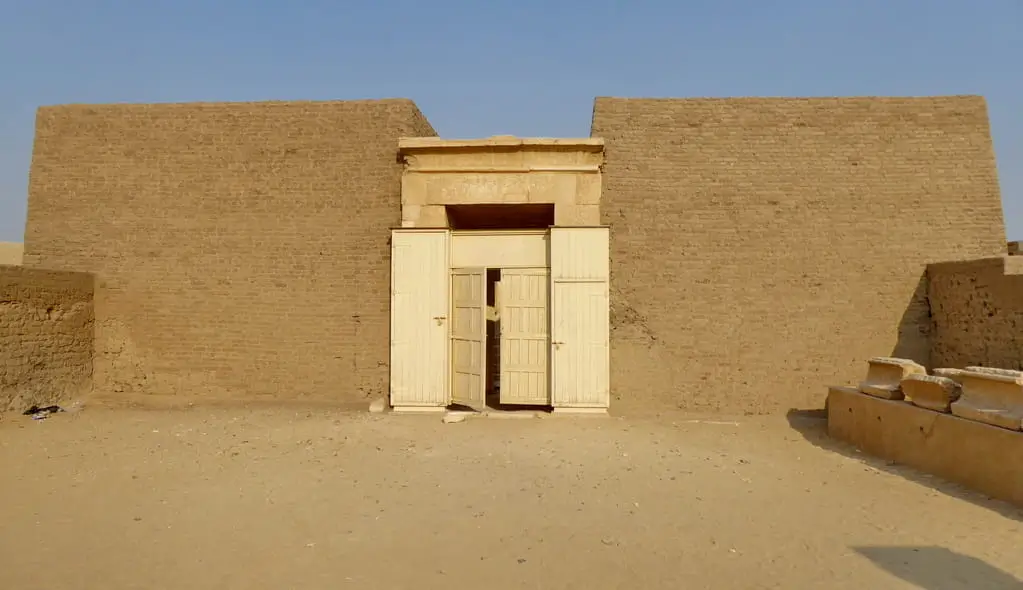
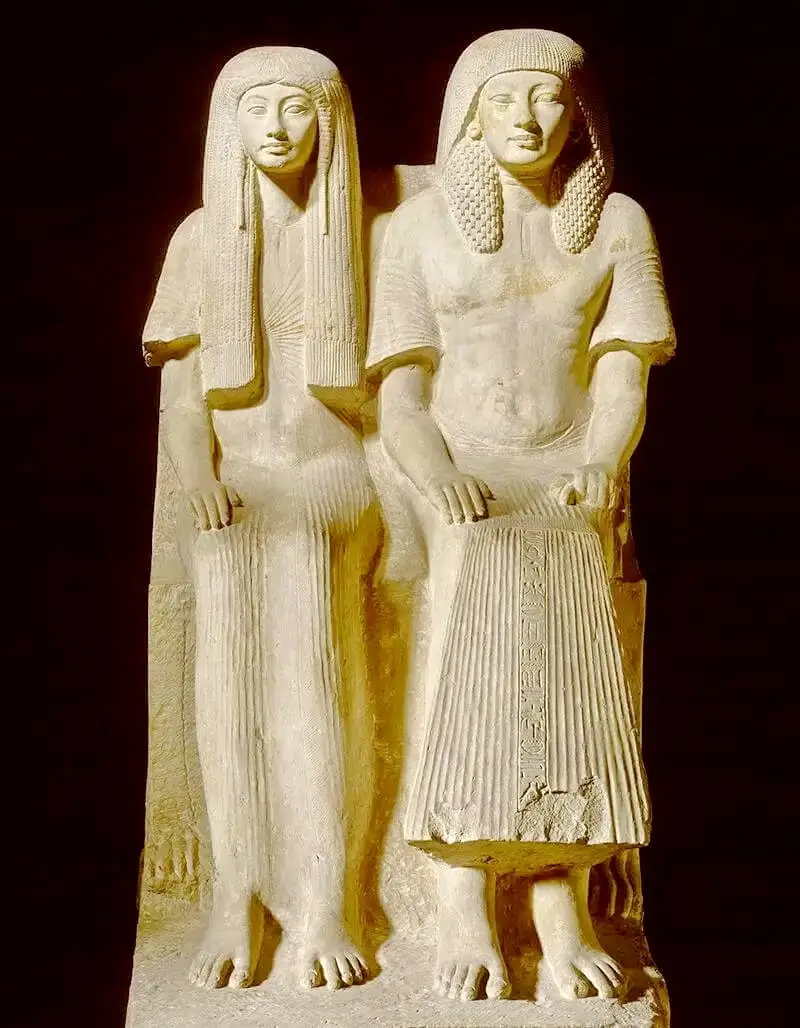
The story of the Tomb of Maya and Meryt is unique. It was technically discovered twice. These two events were separated by 143 years of drifting sands and administrative mystery. Today, it remains a significant find in the Saqqara necropolis. It is famous for its art and its history of being “lost” in plain sight.
Tomb of Maya and Meryt: The Prussian Expedition (1843)
In the mid-19th century, Karl Richard Lepsius surveyed Egyptian monuments. The pioneering Prussian archaeologist located a tomb at Saqqara. It belonged to a high official named Maya. Lepsius admired the limestone reliefs. He sketched several scenes and removed a few blocks for the Ägyptisches Museum in Berlin.
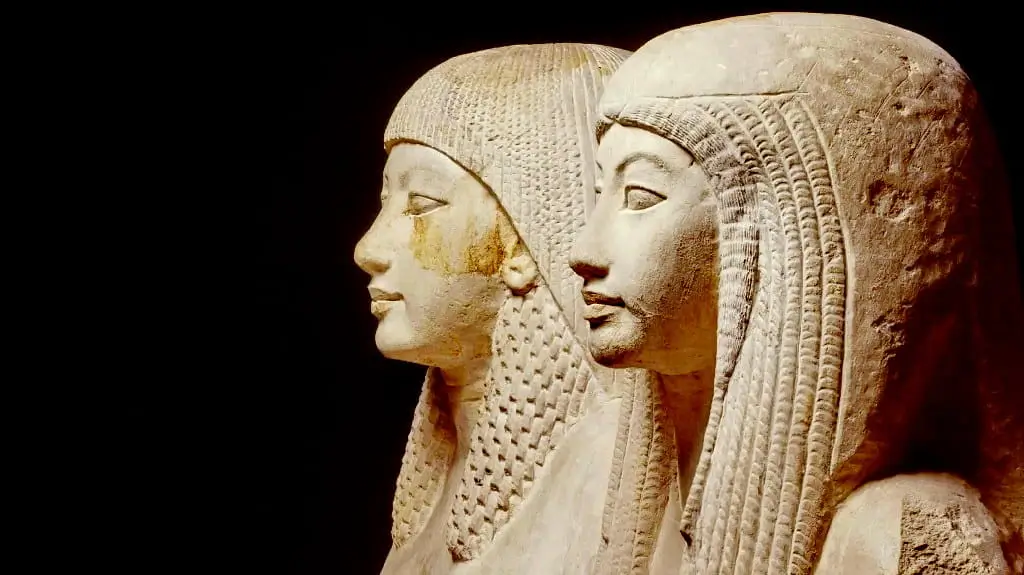
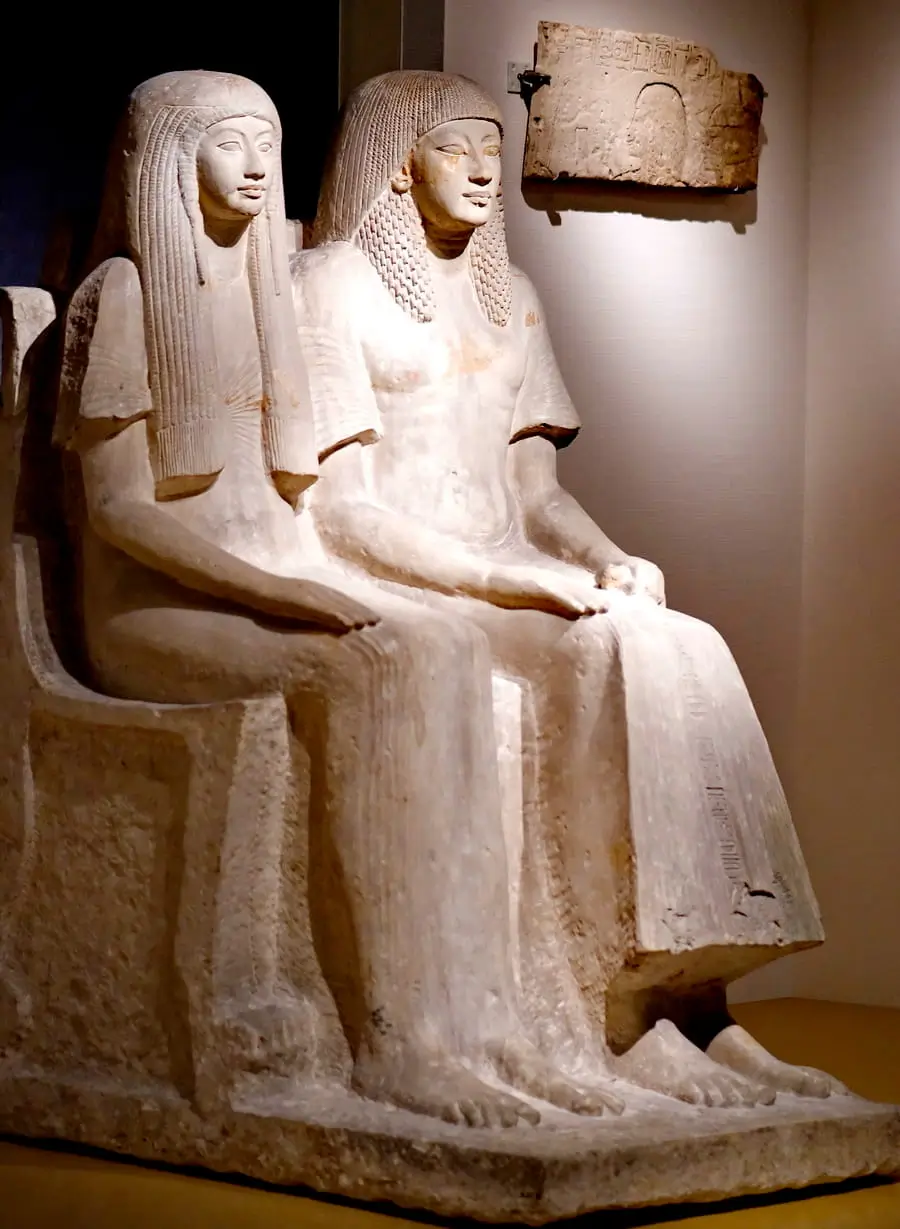
However, the desert reclaimed the site after Lepsius left. Shifting dunes swallowed the tomb. Within decades, the exact location was forgotten. Maya’s tomb became a “ghost monument.” It existed only through 19th-century sketches and a few statues in the Leiden Museum.
Tomb of Maya and Meryt: The Modern Quest (1975–1986)
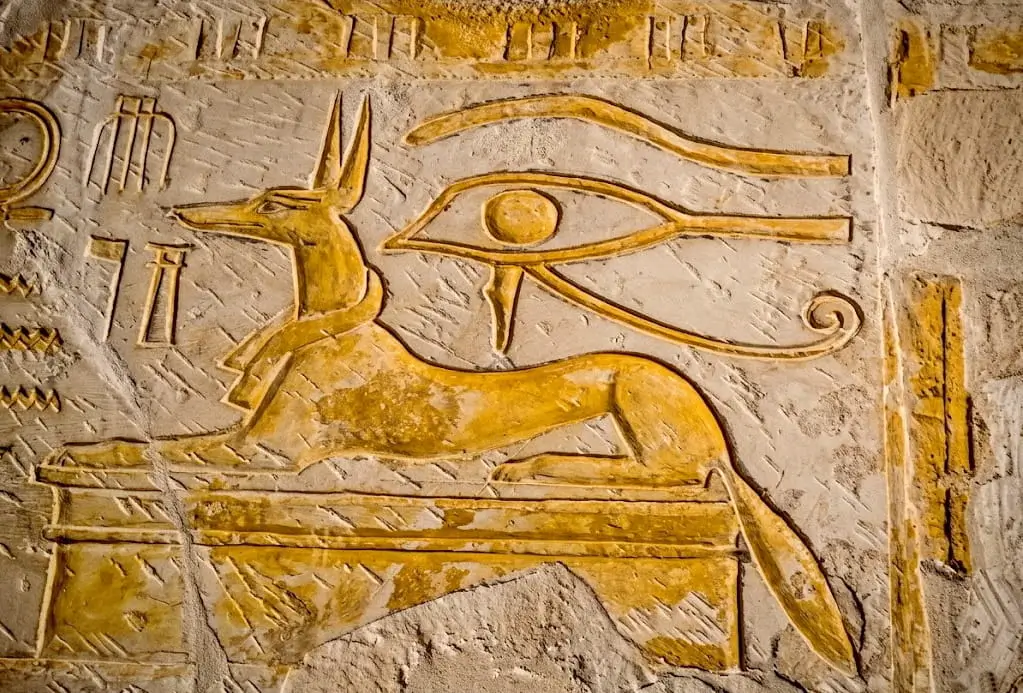
Fast forward to 1975. Dr. Geoffrey Martin, leading a joint mission for the Egypt Exploration Society and the Rijksmuseum van Oudheden (Leiden), arrived at Saqqara with a specific mission: to find the lost tomb of Maya. Ironically, in their first season, they missed Maya’s tomb by only a few meters. Instead, they stumbled upon the massive tomb of General Horemheb (who later became Pharaoh). While a monumental discovery in its own right, it wasn’t the “Treasury” they were looking for. It wasn’t until February 1986 that the breakthrough occurred. The team was excavating the shaft of a nearby Ramesside tomb when they broke through into a subterranean chamber. As they crawled through a narrow robber’s tunnel, they found themselves in a room surrounded by stunning, golden-yellow painted reliefs. They hadn’t just found the tomb; they had found the burial chambers that even Lepsius hadn’t seen.
Maya: The Architect of Restoration
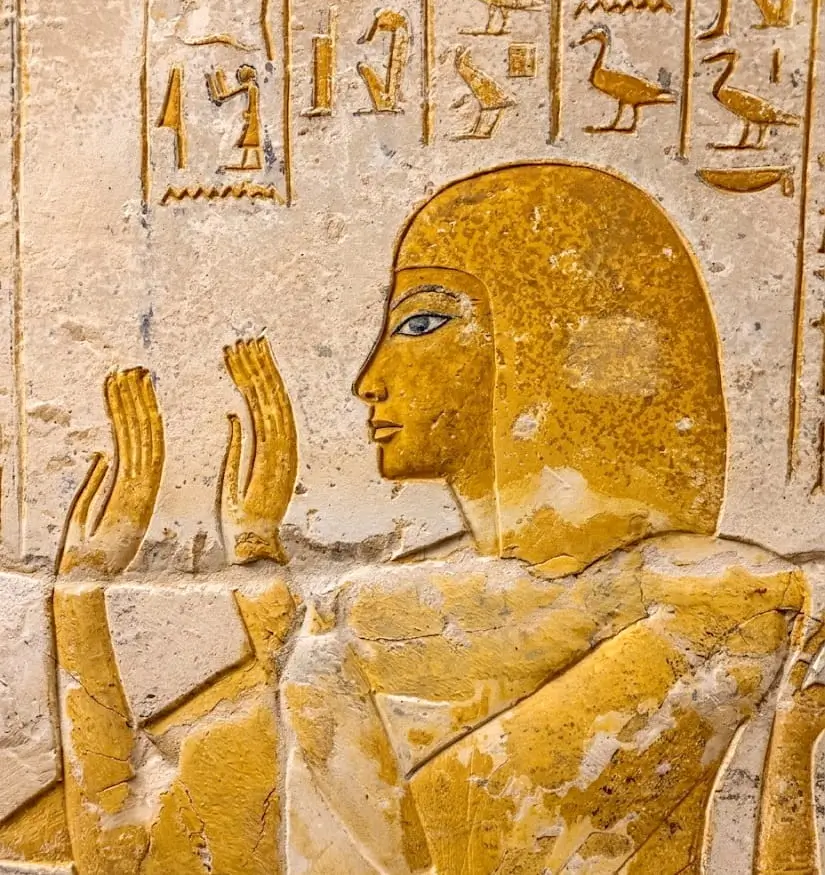
To understand the tomb’s grandeur, one must understand the man. Maya was arguably the most important bureaucrat of the post-Amarna period.
Titles and Influence
Maya served under three kings: Tutankhamun, Ay, and Horemheb. His primary title was “Overseer of the Treasury of the Lord of the Two Lands,” but he was also “Overseer of Works in the Valley of Kings.” This made him the man responsible for:
- The Royal Finances: Managing the wealth of the empire after the economic upheaval of Akhenaten’s reign.
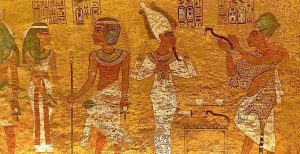
- The Royal Burials: He personally supervised the burial of Tutankhamun. In fact, objects found in KV62 (Tut’s tomb) bear Maya’s name. They are proving that he donated personal items to his king’s funerary equipment.
- Maya was the administrative hand behind the return to traditional religion, organizing the reopening of temples and the fashioning of new divine statues.
Tomb of Maya and Meryt: The Amarna Connection
Evidence suggests Maya may have begun his career as “May” in Amarna. If true, he is a rare example of a high official who successfully navigated the dangerous political transition from the “heretic” King Akhenaten back to the traditional cult of Amun, maintaining his status and wealth throughout.
Key Takeaway for the Tomb of Maya and Meryt
Maya wasn’t just a “treasurer”; he was the CFO of the New Kingdom’s restoration. His tomb reflects this status—it is designed like a “Temple-Tomb,” a miniature version of the royal mortuary temples at Thebes.