The rise of ancient Egyptian civilization would have been impossible without the Nile River. This mighty river was the lifeblood of the civilization, providing fertile soil for agriculture and a reliable source of water in a desert environment. Each year, the Nile’s predictable flooding brought nutrient-rich silt, allowing farmers to cultivate abundant crops like wheat and barley. This agricultural surplus, in turn, supported a growing population and enabled the development of specialized professions. The river also served as the main highway, connecting the entire kingdom and facilitating trade, communication, and the transportation of massive stones for monumental construction within the ancient Egyptian civilization.
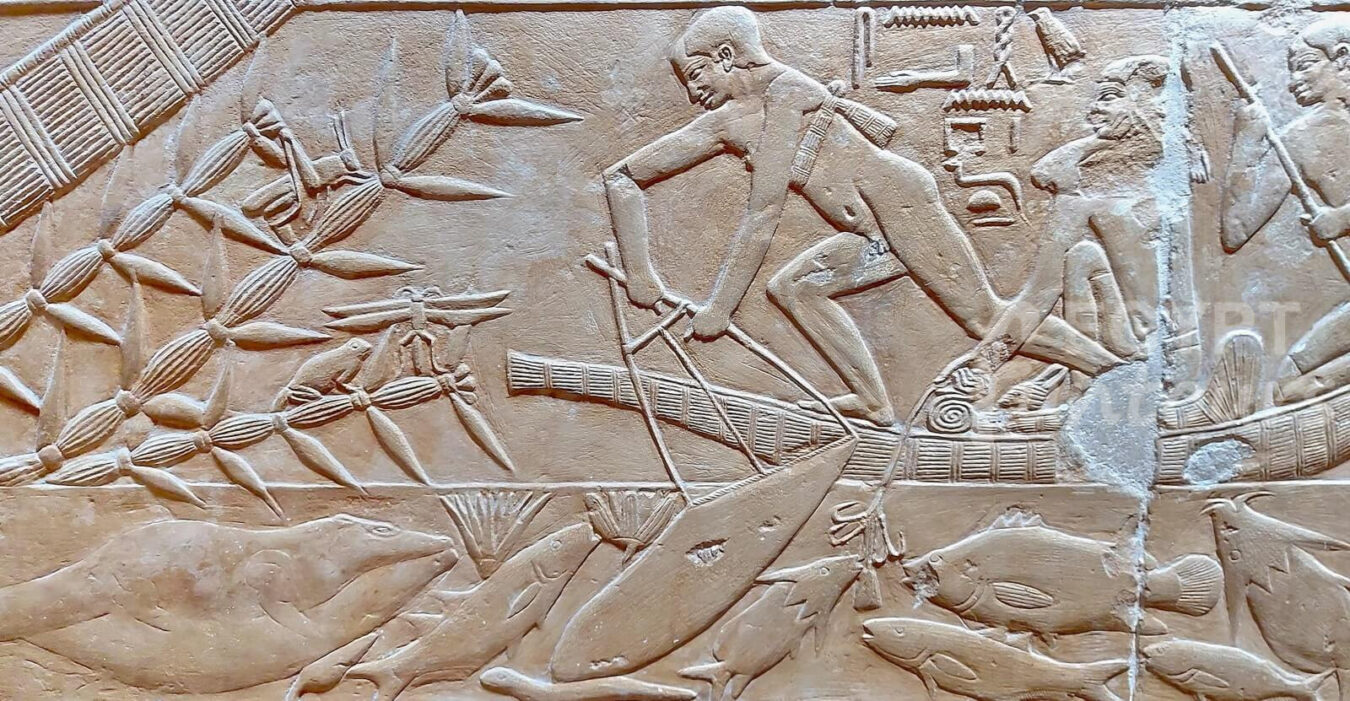
In ancient Egyptian civilization, society was highly structured, much like a pyramid. The pharaoh sat at the top, a divine being and living god with absolute power. Below the pharaoh were powerful viziers and priests who managed the state and religious rituals. Scribes, respected for their literacy, held a privileged position as they handled official documents and the economy. Soldiers, artisans, and merchants followed them. At the base of the pyramid were the farmers, who made up most of the population, and enslaved people.
Daily life for most Egyptians revolved around the agricultural cycle. They lived in mud-brick homes and wore simple linen clothes. Despite the harsh climate, they found time for leisure. They enjoyed board games, hunting, fishing, and listening to music. Family was central to their lives, and women held a surprisingly high status compared to other ancient societies. Women in the ancient Egyptian civilization could own property, run businesses, and even become pharaohs, as the reign of Hatshepsut demonstrates.
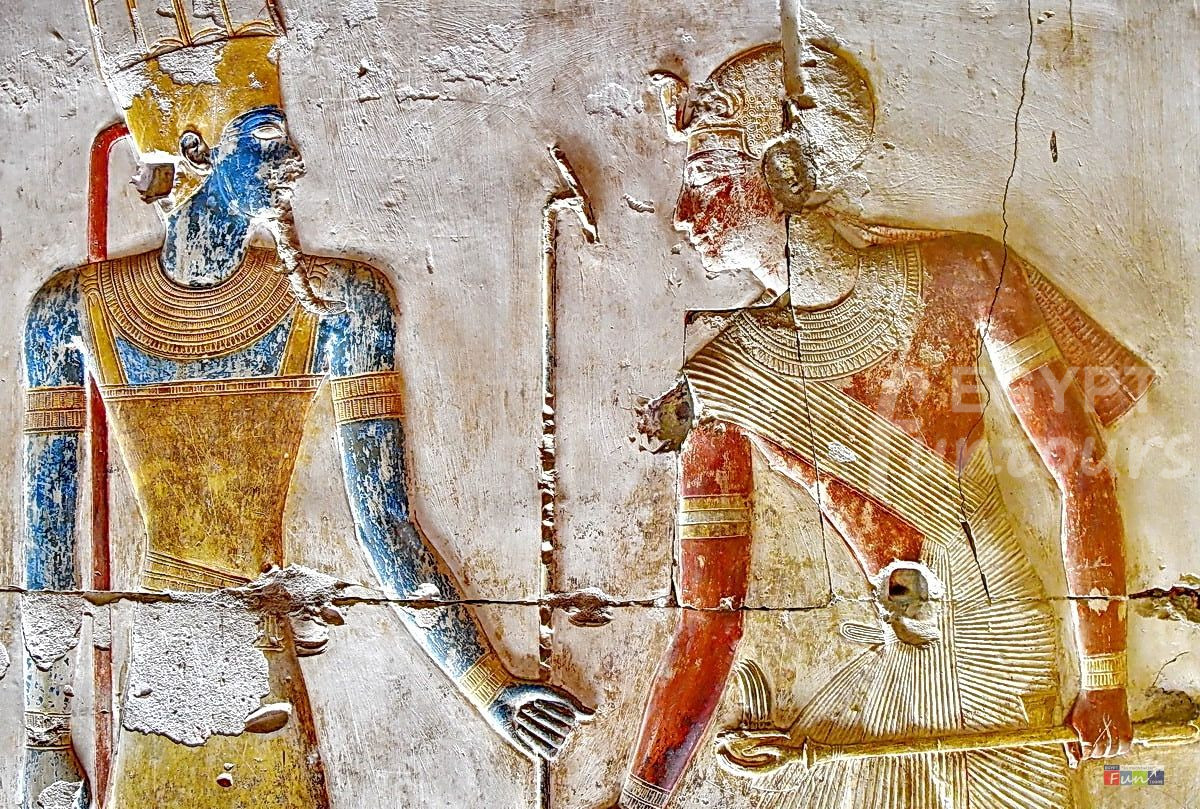
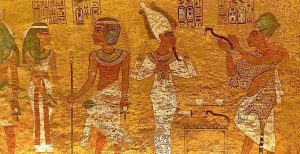
Religion permeated every aspect of ancient Egyptian life. They worshipped a vast pantheon of gods and goddesses, each with unique roles and responsibilities. Ra, the sun god, was one of the most important deities, while Osiris ruled the underworld. Egyptians believed in an afterlife and prepared meticulously for it. They mummified the deceased to preserve the body for the soul’s journey. Elaborate tombs, like those in the Valley of the Kings, were filled with food, treasures, and spells to guide the deceased through the underworld and into a new, eternal life.
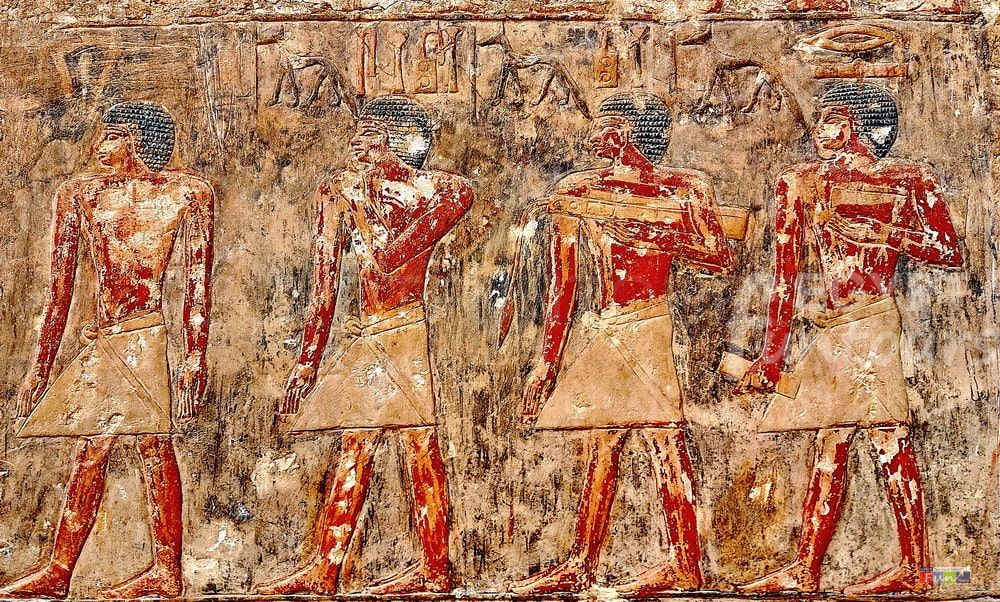
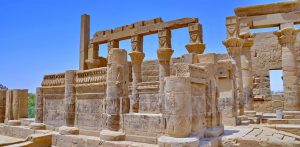
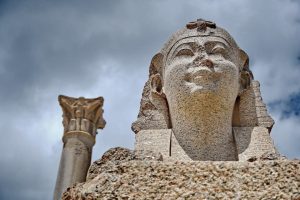
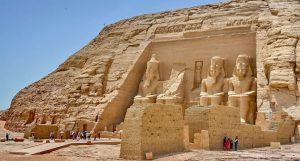
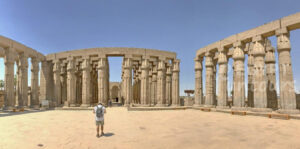
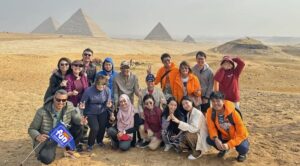
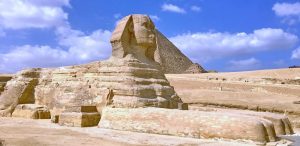
The legacy of ancient Egyptian civilization is most visible in its monumental architecture and exquisite art. The pyramids of Giza, for example, were not just tombs; they were symbols of a pharaoh’s power and their path to the heavens. Similarly, temples like Karnak and Luxor were massive complexes dedicated to the gods, featuring towering columns and intricate hieroglyphs that told stories of their rulers and beliefs.
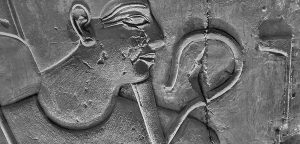
Beyond grand structures, the ancient Egyptian civilization also pioneered many fields. They developed hieroglyphs, a form of writing that allowed them to record history, religious texts, and administrative records. They also made significant strides in medicine, understanding the human body and performing surgeries. Their knowledge of mathematics and astronomy was advanced, enabling them to build precise structures and create a highly accurate calendar.
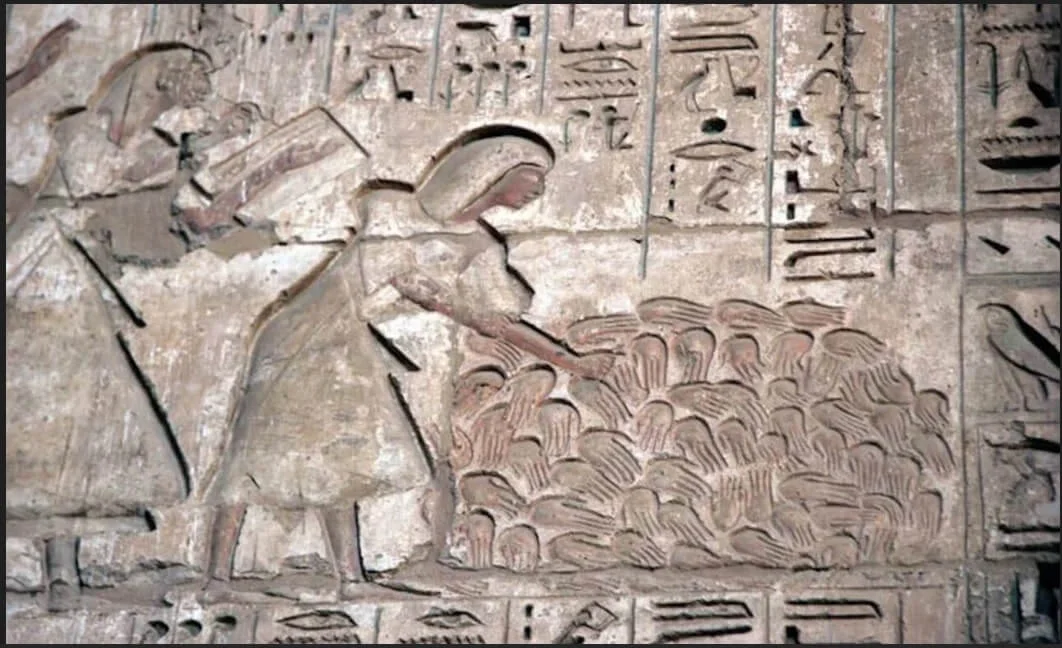
Ancient Egypt’s history was marked by periods of great stability and times of conflict. The Old Kingdom saw the construction of the great pyramids, while the Middle Kingdom brought a period of reunification and cultural flourishing. The New Kingdom was an age of conquest and powerful pharaohs like Thutmose III and Ramses II. On the other hand, the reign of Tutankhamun, although brief, became legendary following the discovery of his nearly intact tomb. These rulers shaped the empire’s fate and left behind a legacy of power, ambition, and divine authority.
In conclusion, the ancient Egyptian civilization offers a captivating glimpse into a world of innovation, spirituality, and incredible human achievement. From the life-giving Nile to the towering pyramids and the profound belief in the afterlife, every element contributed to a society that continues to inspire and intrigue us today.
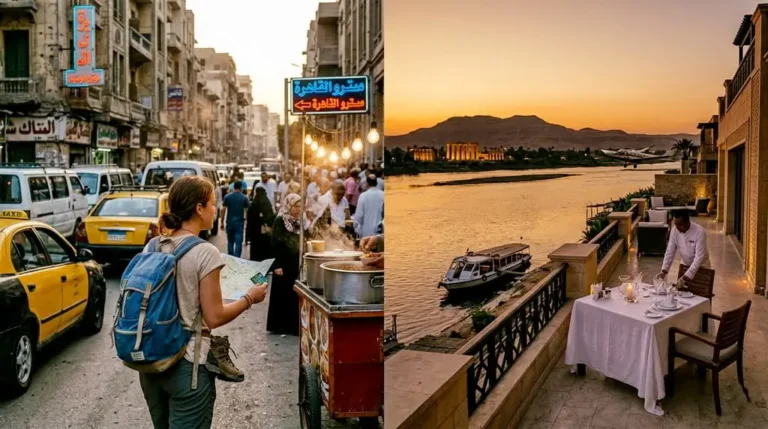
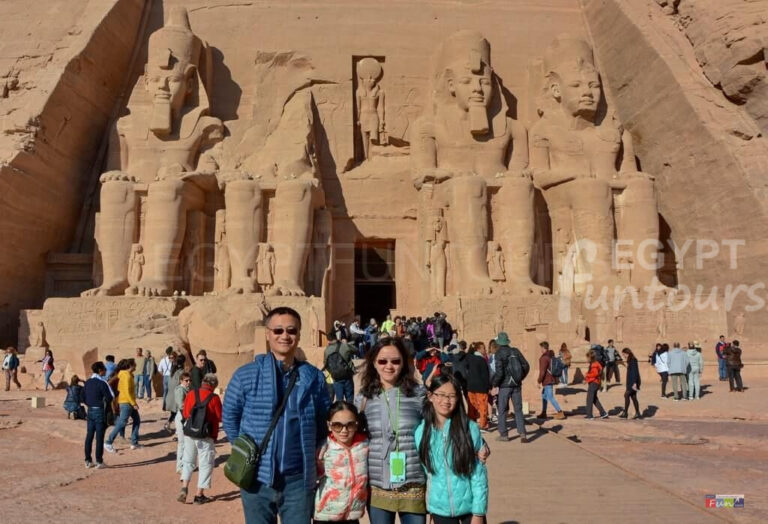
Wonderful tour with the guide Hamada. I did not feel rushed at all. He explained a lot of facts about the city, the mosque, the water storage room, and also brought me to no-hassle shops. He picked a great place to eat and have Turkish coffee and a cold lemon

We first went to Egypt in July 2010. We were to pass through Cairo on our way to Africa, and we had arranged to be picked up from the Cairo airport and shown around the city during our 6-hour layover. This was arranged through emails with Hamada, of Egypt Fun
Great trip organised. I had a 12-hour layover in Cairo and had a great time with Sherif, who answered every question I had on ancient Egypt. Highly recommend.
I am a California woman who traveled to Egypt alone, and thanks to Egypt Fun Tours, I had a great time. Hani, Mohammed, Kamal, and David (my driver) were very professional and very knowledgeable. I appreciate how respectful they were and how protective they were of me. They showed me