The Ultimate Guide to Ancient Egypt: Pharaohs, Gods, and Daily Life

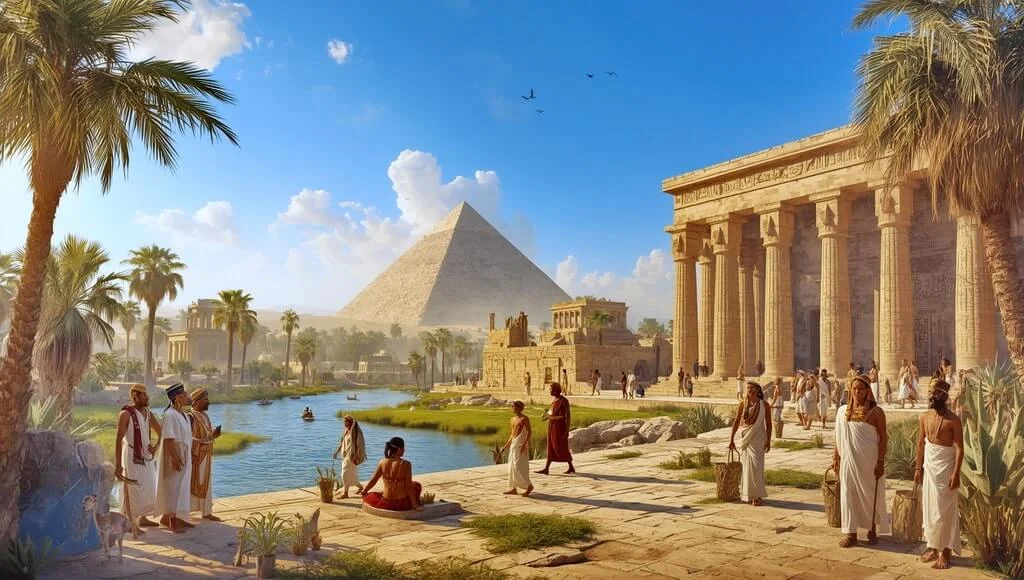
From the colossal pyramids of the Old Kingdom to the hidden, gold-filled tombs of the pharaohs, Ancient Egypt remains history’s most captivating empire. Driven by the life-giving Nile River and ruled by living gods, this extraordinary civilization thrived for over three millennia. Dive into our ultimate guide to uncover the secrets of their powerful deities, unearth their legendary monuments, and discover exactly how you can experience these timeless wonders on your next great adventure.
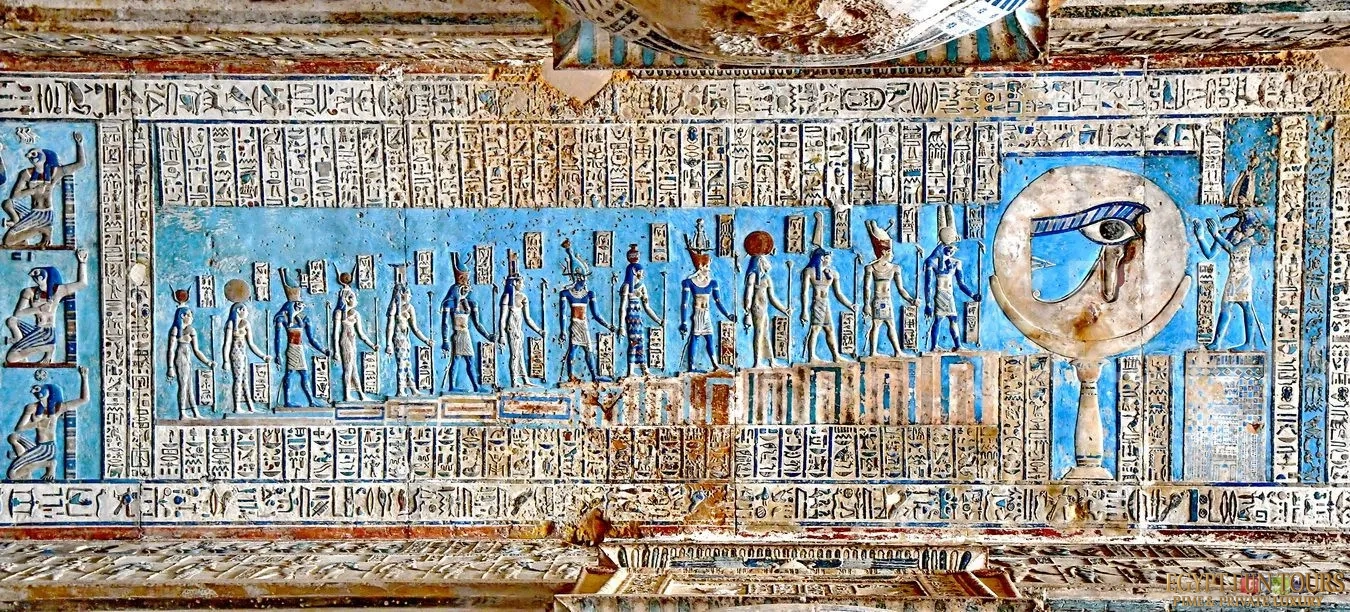
The eye of Horus
WhatsApp
Email
Print

The Dawn of Ancient Egypt

The story of Ancient Egypt begins with a single, life-giving force: the mighty Nile River. Without this massive waterway, the vast, blistering expanse of the North African Sahara would have remained entirely uninhabitable. The earliest settlers realized that the survival of their people depended entirely on the river’s rhythms.

Ancient Egypt: The Black Land and the Red Land

The ancient Egyptians viewed their world as two distinct, contrasting environments. They called the fertile riverbanks the Kemet, which translates to the “Black Land.” Every year, between June and September, the Nile predictably flooded its banks. When the waters finally receded, they left behind thick layers of rich, black silt. As a result, early settlers easily transformed this narrow strip of dark earth into an agricultural powerhouse, growing abundant crops of wheat, barley, and flax.

In stark contrast, they called the unforgiving deserts surrounding the river valley the Deshret, or the “Red Land.” While this harsh, arid landscape could not support farming, it provided something equally valuable: protection. The blazing sands and rocky cliffs acted as a massive natural fortress. Because of this geographical barrier, the people of early Egypt lived largely undisturbed by foreign invaders for centuries. Consequently, their unique culture, language, and artistic styles thrived and evolved in complete isolation.

Ancient Egypt: Flora, Fauna, and the River of Life
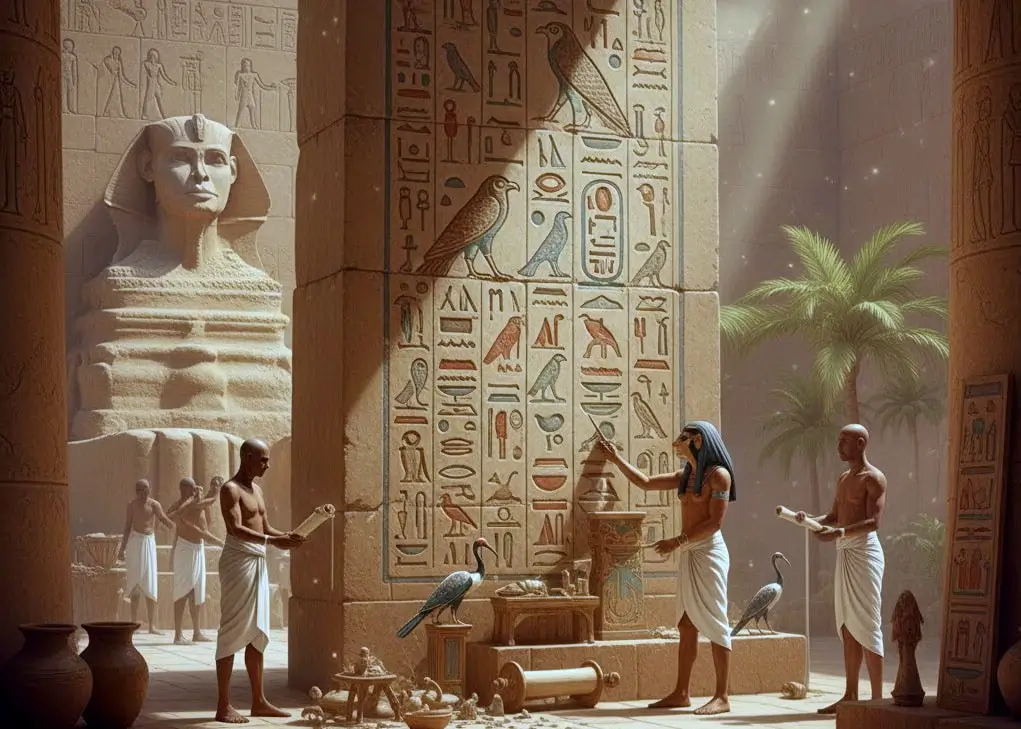
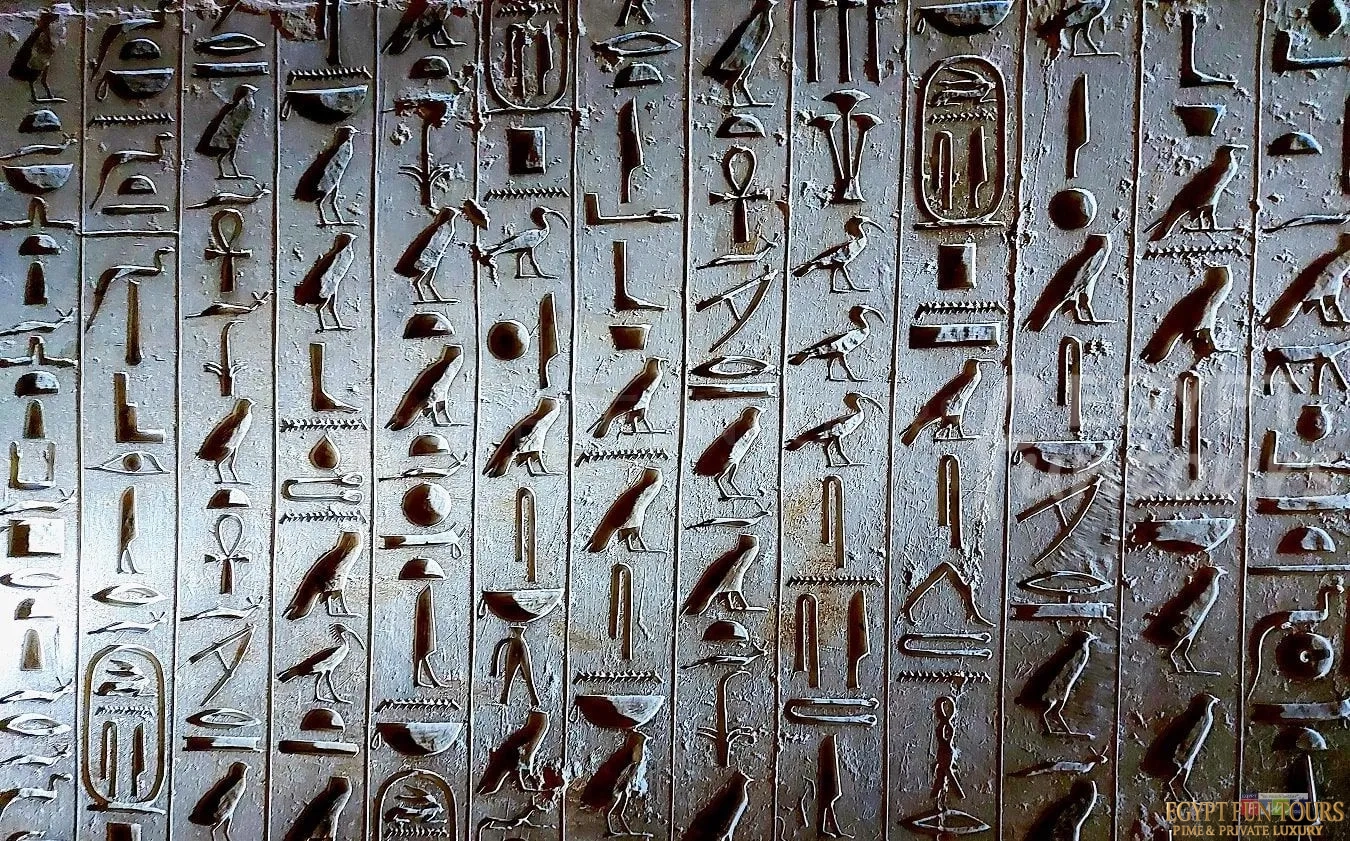
The Language of Fauna Symbolism in Art & Hieroglyphs

The Nile Valley was teeming with wildlife that heavily influenced early Egyptian culture and religion. Thick groves of papyrus reeds grew wild in the marshy delta, providing the raw material for the world’s first paper. Hippopotamuses and fierce crocodiles stalked the waters, eventually inspiring some of their most fearsome deities. Millions of migratory birds flocked to the riverbanks, providing a constant source of food for the early hunters and gatherers.

Uniting the Two Lands
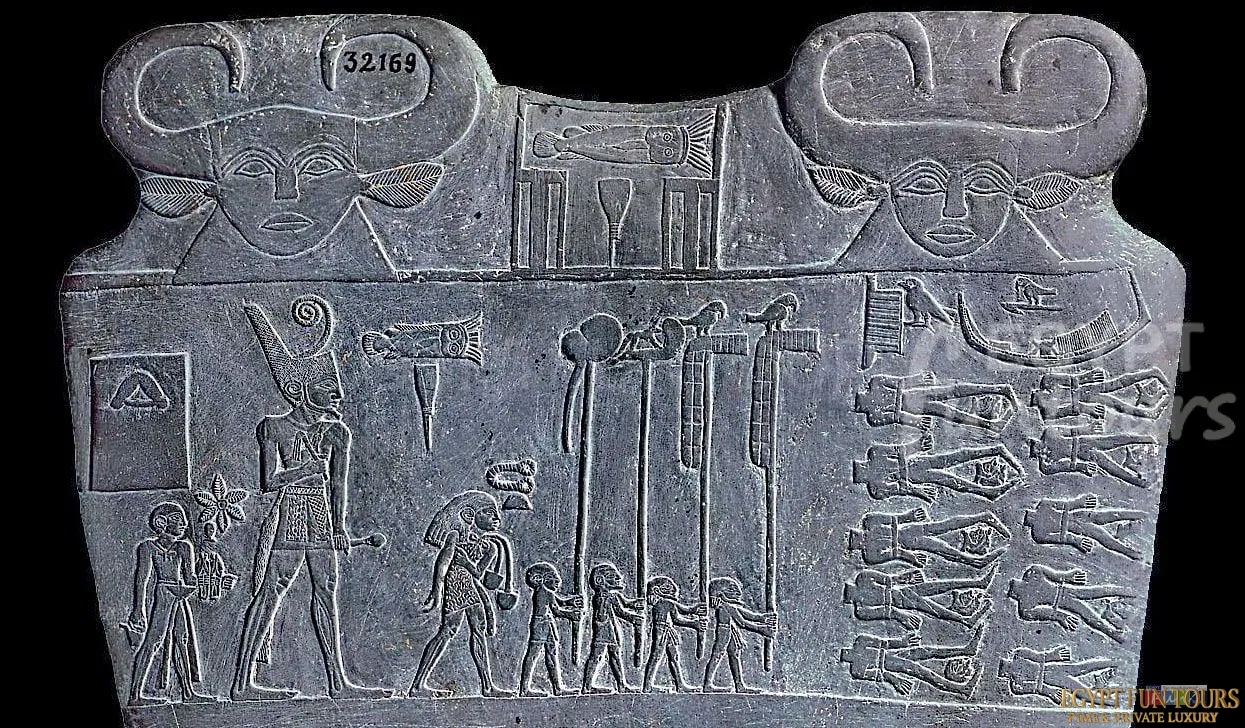
Unfication battle by king narmer egypt fun tours

For centuries, Ancient Egypt existed as two separate, independent kingdoms. Lower Egypt sat in the north, sprawling across the marshy, fertile Nile Delta. Upper Egypt stretched along the narrow river valley to the south.

However, the true political power of the region ignited around 3100 BCE. During this pivotal time, a powerful southern ruler named King Narmer successfully marched north and united both regions under a single crown. Ultimately, this monumental event sparked the dawn of the pharaohs.

From this point forward, the newly forged empire was primed to experience its major golden ages. During these prosperous eras, rulers expanded their borders, forged complex trade routes, and constructed breathtaking monuments that still defy time today. For modern travelers, understanding this foundational landscape and timeline is the ultimate key to unlocking the secrets of the temples and tombs you will visit.

Dive deeper into the foundations of this society. Read our complete analysis of the Ancient Egyptian Civilization to learn how they governed, farmed, and built an empire that lasted for millennia.
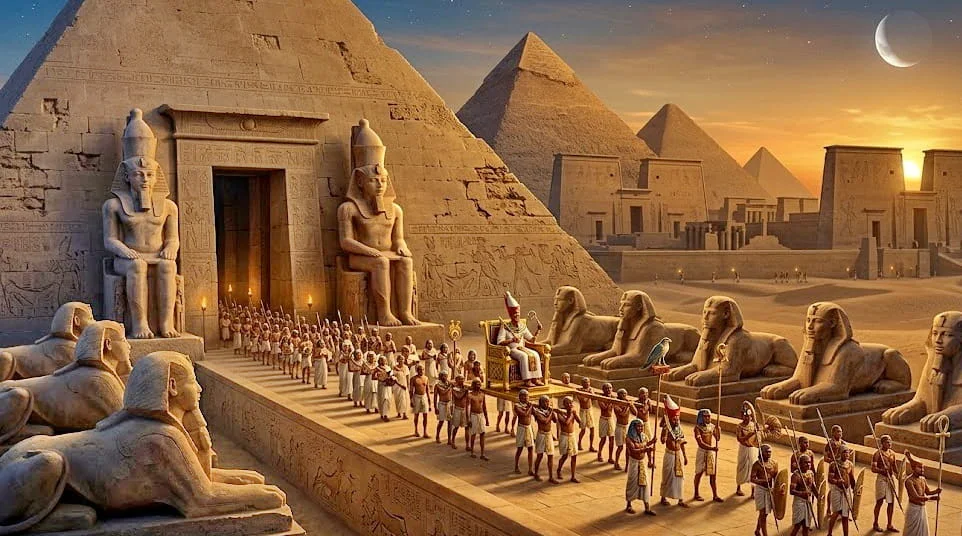
The eye of Horus

Dynasties and Pharaohs of Ancient Egypt

Dynasties of Ancient Egypt Anatomy, Evolution, and Continuity of Power

For over 3,000 years, an unbroken chain of powerful rulers governed Ancient Egypt. To make sense of this massive timeline, historians group these rulers into 31 distinct dynasties. A dynasty is simply a sequence of rulers from the same family line. Furthermore, experts divide these dynasties into three major “Kingdoms”—the golden eras of wealth and expansion—separated by turbulent times known as Intermediate Periods.

The pharaoh was never just a political leader or a military general. The people revered them as a living god, serving as the crucial, divine link between the heavens and the earth. Consequently, a pharaoh’s primary duty, known as Ma’at, was to maintain cosmic balance, justice, and order throughout the land. If the Nile failed to flood, or if invaders attacked, the people often blamed the pharaoh for failing to uphold Ma’at.

The Golden Eras and Times of Chaos

  • The Old Kingdom (The Pyramid Builders): This era gave the world the most iconic symbols of Ancient Egypt. During this time, brilliant architects designed the first step pyramids, which eventually culminated in the breathtaking Great Pyramid of Giza. The pharaohs of this era held absolute, unquestioned power.
  • The First Intermediate Period: Eventually, the Old Kingdom collapsed. Droughts ruined the harvests, and local governors seized power from the pharaohs, plunging the country into a century of civil war and fractured rule.
  • The Middle Kingdom (Art and Reunification): Following a period of chaos, strong pharaohs reunited the lands from the city of Thebes. This era saw a massive renaissance in art, literature, and military expansion south into neighboring Nubia.
  • The New Kingdom (The Golden Empire): This is the age of superstars and massive wealth. Ancient Egypt reached its peak global power. Rulers expanded the empire’s borders into the Levant and constructed monumental, sprawling temple complexes like Karnak to display their absolute dominance.

Legendary Rulers Who Shaped History

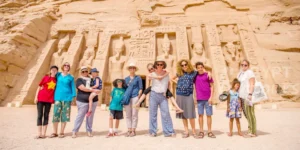
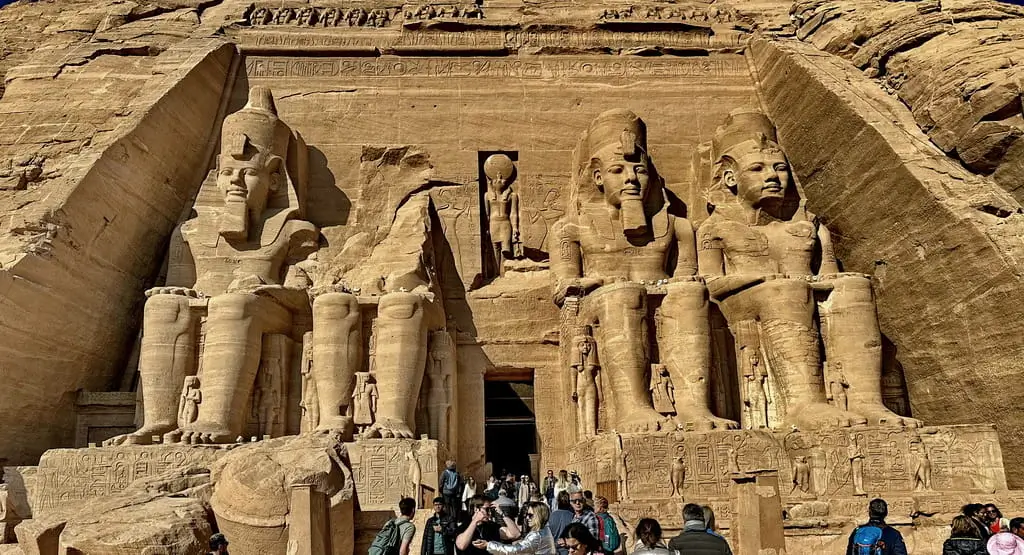
Great Temple of Ramesses II at Abu Simbel The Eternal Glory of the Sun King

While hundreds of pharaohs held the throne, a few left an indelible mark on history. Ramses the Great built colossal monuments that still intimidate visitors today, leaving his name on almost every major temple. Hatshepsut shattered traditions by ruling as a powerful female pharaoh, opening massive trade routes to the Land of Punt. Meanwhile, the “Heretic King” Akhenaten briefly turned the entire religion upside down by forcing the worship of a single sun god. And of course, the boy-king Tutankhamun captivated the modern world when archaeologists discovered his completely untouched, gold-filled tomb in the Valley of the Kings in 1922.

Golden Scarab

Ancient Egypt: Religion, Gods, and the Afterlife

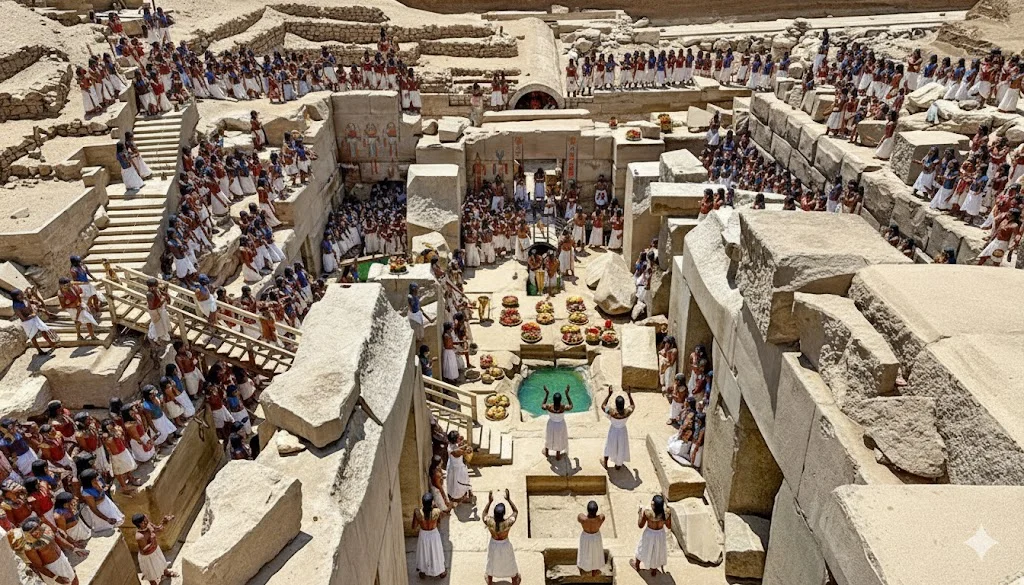
The Osireion’s Profound Legacy in World Religion

Religion was not just a small part of daily life in Ancient Egypt; it was the absolute foundation of their entire reality. The ancient people did not have a word for “religion” because they could not separate the divine from the physical world. Every sunrise, every flooded river, and every sudden illness was the direct work of divine forces.

Ancient Egypt: A Vast Pantheon of Deities

Ancient Egyptian Gods and Goddesses

The people of Ancient Egypt were deeply polytheistic. Consequently, they worshiped a massive pantheon of over 2,000 different gods and goddesses. These deities often represented specific forces of nature, animal behaviors, or human emotions. Furthermore, artists frequently depicted them with human bodies and animal heads, creating some of history’s most iconic imagery.

While local villages often had their own specific patrons, several major gods ruled the national stage. For instance, Ra, the sun god, was the supreme creator who sailed across the sky each day. Osiris ruled the underworld as the ultimate judge of the dead, while his wife, Isis, was the powerful goddess of magic and healing. Meanwhile, the jackal-headed god Anubis oversaw the sacred embalming process and guided lost souls.

Ancient Egypt: Temples as Divine Homes

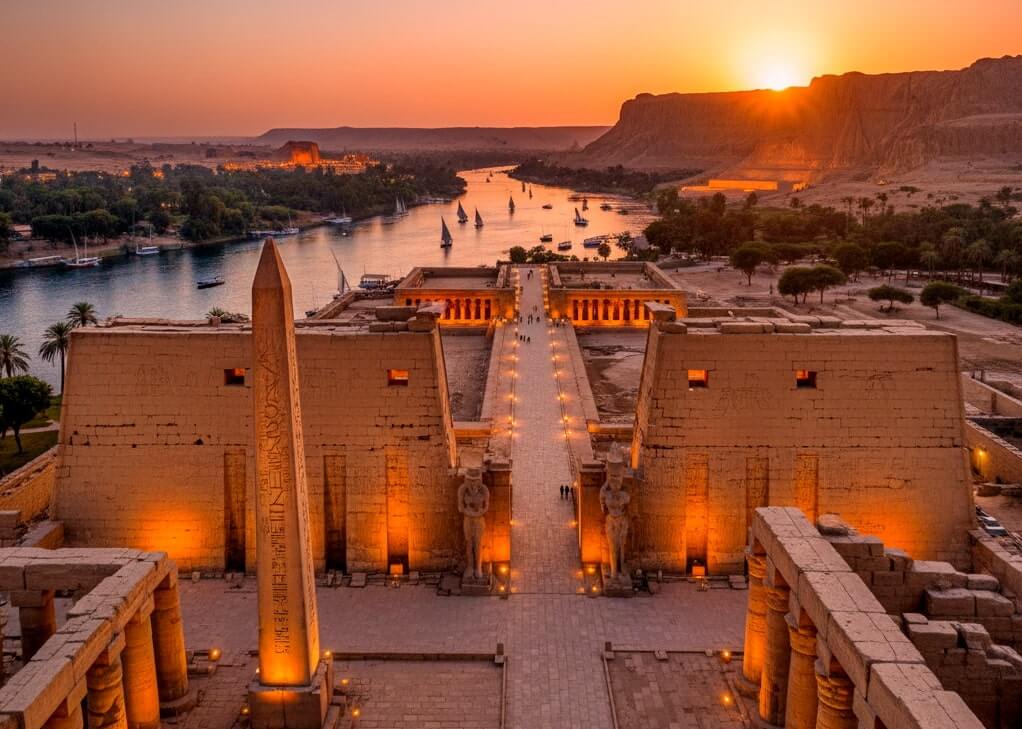
Grand Temples of the New Kingdom and Beyond

Unlike modern churches or mosques, ancient temples were not designed for public worship. Instead, the Egyptians believed these massive stone structures were the literal, physical homes of the gods on earth.

Only the pharaoh and the highest-ranking priests were allowed to enter the darkest, innermost sanctuaries. Every single day, these elite priests performed elaborate rituals. They carefully washed, dressed, and fed the sacred statues of the gods to keep the divine spirits happy. As a result, the gods would bless the land with order and prosperity.

Ancient Egypt: Mummification and the Underworld

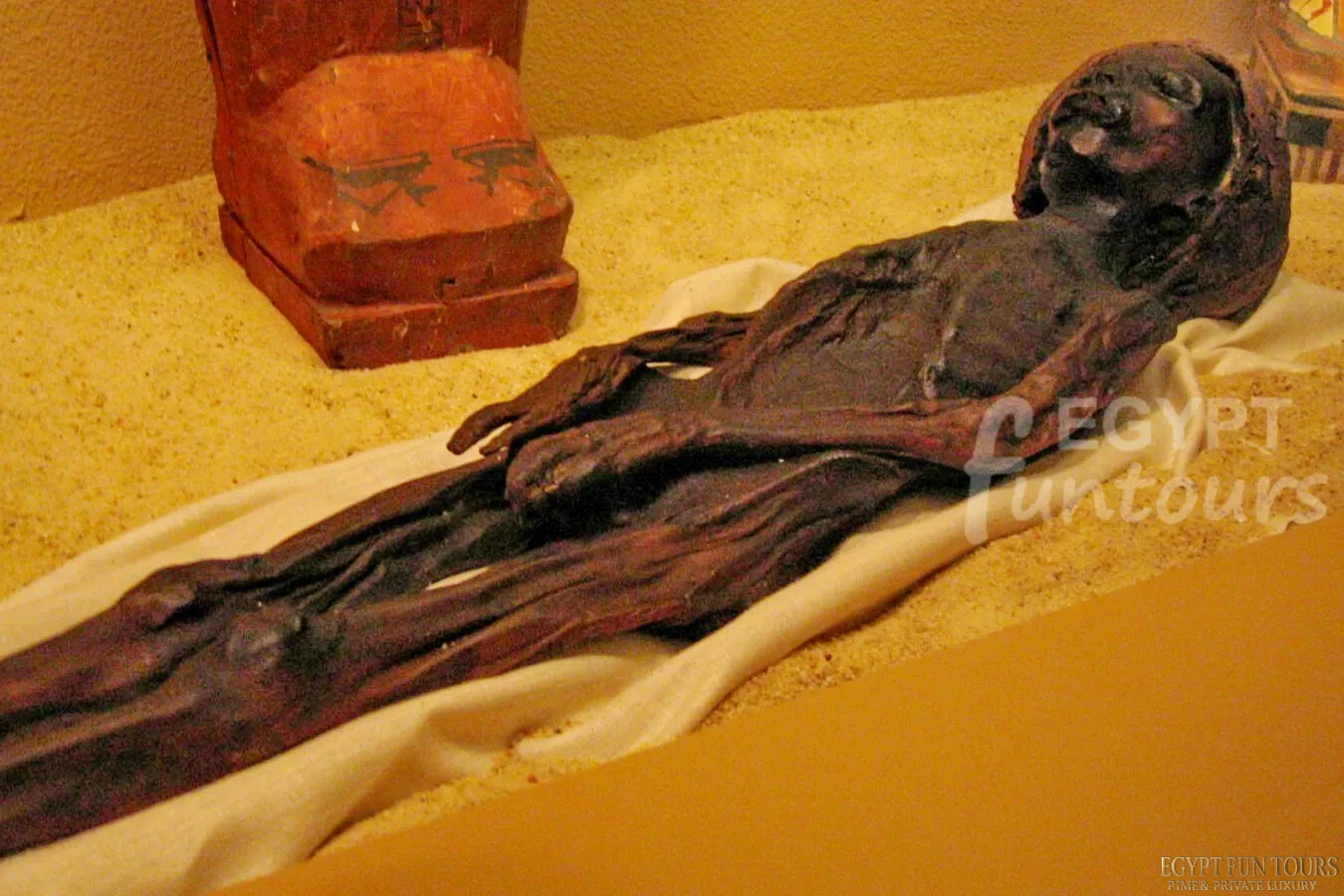
luxor mummification museum 4

To the ancient Egyptians, death was never the end. Instead, it was merely a terrifying but necessary transition into eternal life. However, they believed the soul could only survive if the physical body remained perfectly intact. This strict belief gave birth to the elaborate science of mummification.

Skilled priests spent 70 days carefully removing organs, drying the flesh with natron salt, and wrapping the body in linen amulets. Once buried, the deceased faced a dangerous journey through the Duat, the perilous underworld.

Ultimately, the soul reached the Hall of Truth for the final test: The Weighing of the Heart. The god Anubis weighed the deceased’s heart against the feather of truth. If the heart was light and pure, the soul entered a paradise known as the Field of Reeds. If it was heavy with sin, a terrifying monster named Ammit instantly devoured it, erasing the soul from existence forever.

The eye of Horus

Archaeology and the Great Monuments

The architectural legacy of Ancient Egypt remains one of the most breathtaking wonders of the human world. Thousands of years later, these massive stone structures continue to dominate the desert landscape. The ancient builders possessed an absolute mastery of geometry, engineering, and stonemasonry. For modern travelers, standing in the shadow of these colossal monuments is an unforgettable, humbling experience that instantly transports you back in time.

The Giza Plateau and the Great Sphinx

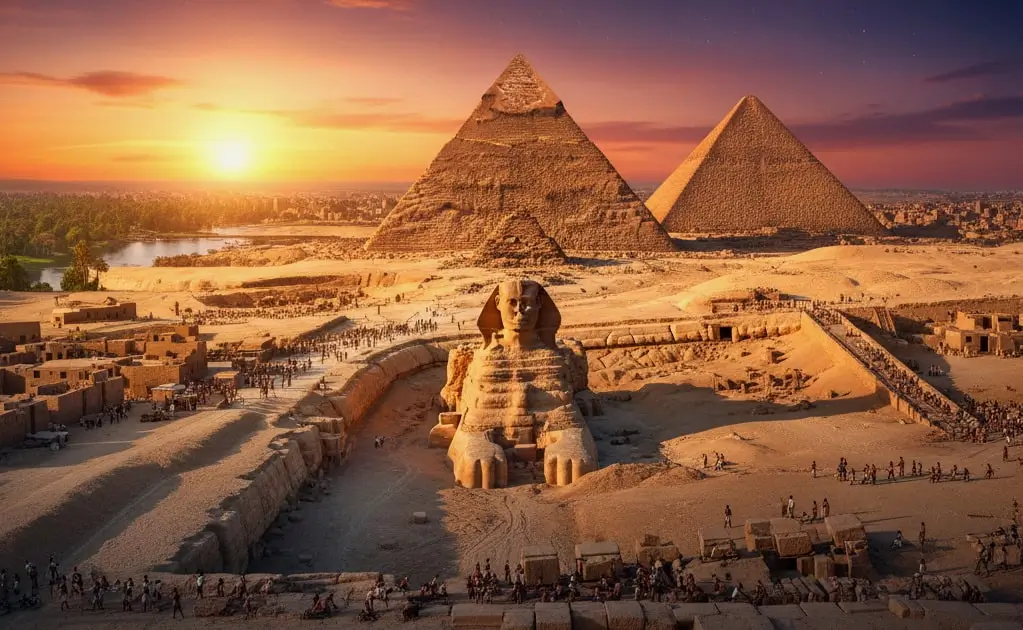
During the Old Kingdom, pharaohs showcased their absolute power by constructing massive, highly visible pyramid complexes. The Great Pyramid of Giza, built for King Khufu, stands as the crowning achievement of this era. Remarkably, thousands of skilled laborers moved millions of heavy limestone blocks without the use of modern machinery, pulleys, or even the wheel.
Furthermore, the enigmatic Great Sphinx fiercely guards this sprawling necropolis. This massive limestone structure features the powerful body of a lion and the intelligent head of a pharaoh. Consequently, it remains one of the oldest, largest, and most mysterious monolithic statues on the planet.

The Hidden Tombs of the South

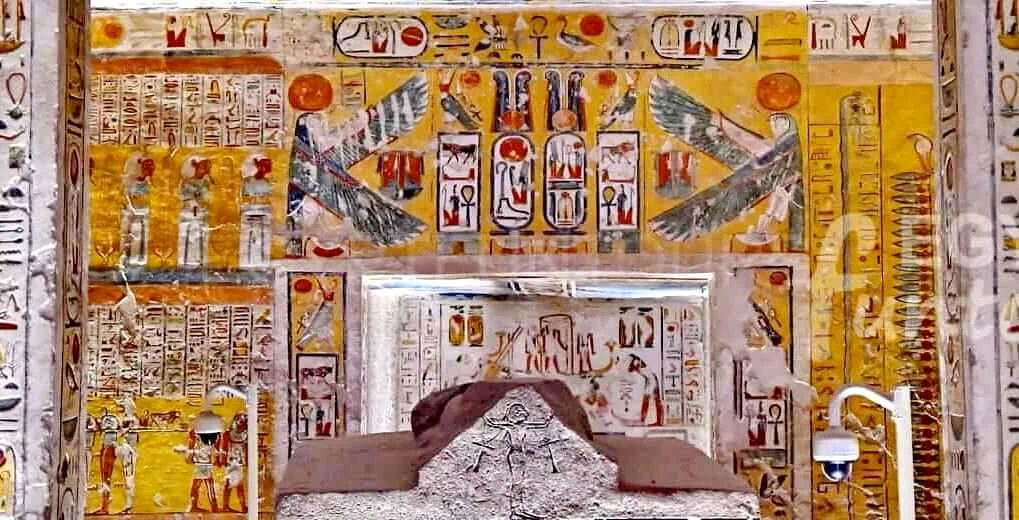
5-Day Nile Cruise Expedition; A Private Luxor to Aswan Odyssey from Cairo - valley of the kings

As Ancient Egypt evolved into the wealthy New Kingdom, pharaohs completely changed their burial strategies. Instead of building giant pyramids that constantly attracted greedy grave robbers, they chose a highly secretive approach.

Rulers moved their capital south to Thebes (modern-day Luxor) and carved elaborate, hidden tombs deep into the remote limestone cliffs of the Valley of the Kings. Inside, brilliant artisans covered every inch of these subterranean walls with vibrant spells, colorful gods, and complex maps of the underworld. Ultimately, this clever secrecy protected many royal mummies until modern archaeologists finally unearthed them.

Colossal Temples of the Gods

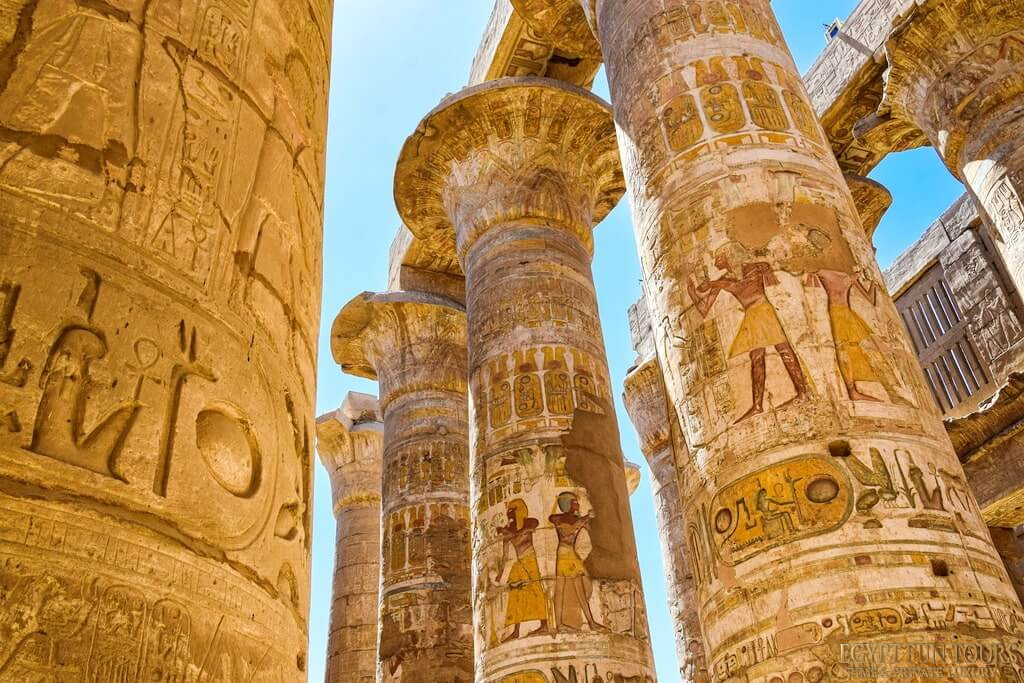
Luxor and Aswan Nile Cruises - Hypostyle Hall in Karnak temple - 4-Night Movenpick Darakum

Beyond grand tombs, the New Kingdom pharaohs poured their immense wealth into sprawling temple complexes. For instance, the Karnak Temple complex in Luxor developed continuously over 2,000 years. Today, it proudly ranks as the largest religious site ever constructed in human history. Visitors can still wander through its Great Hypostyle Hall, getting lost inside a massive forest of 134 towering stone columns.

Further south, Ramses the Great carved the breathtaking Sun Temple of Abu Simbel directly into the face of a solid mountain. He cleverly designed this magnificent masterpiece to intimidate southern neighbors and permanently solidify his god-like status.

The eye of Horus

Daily Life in Ancient Egypt

Daily Life in the First Dynasty of Ancient Egypt

While pharaohs built colossal monuments, everyday life in Ancient Egypt was equally fascinating. Most people lived simple, hardworking lives along the fertile banks of the Nile River, deeply connected to the natural world around them.

Society, Family, and Fashion

Government & Society; The Rule of Maat

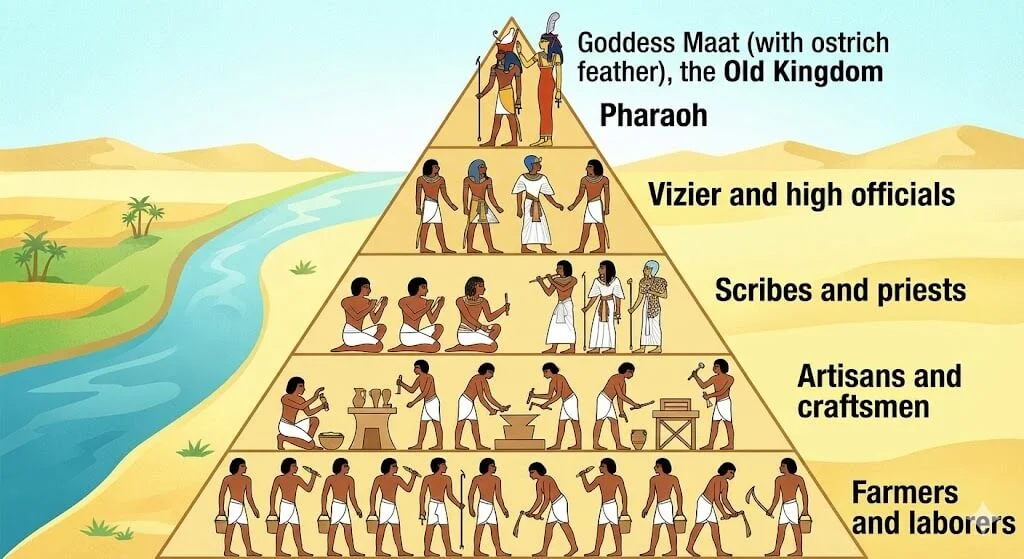
The society operated like a strict, rigid pyramid. Naturally, the pharaoh sat at the very top. Just beneath the king, powerful viziers, noblemen, and high priests managed the government. Next came skilled artisans, merchants, and respected scribes. Finally, hardworking peasant farmers made up the massive foundation of the population.

Interestingly, women in Ancient Egypt enjoyed surprising legal rights. Unlike many other ancient cultures, Egyptian women could legally own land, run their own businesses, represent themselves in court, and even initiate a divorce.

Due to the blistering heat, daily fashion remained incredibly simple. Most men wore light linen kilts, while women preferred flowing, sheath-like linen dresses. Surprisingly, makeup was not just for women. People heavily outlined their eyes with thick, black kohl. This dark cosmetic cleverly reduced the harsh desert sun glare and protected their eyes from nasty bacterial infections.

Agriculture, Food, and Diet

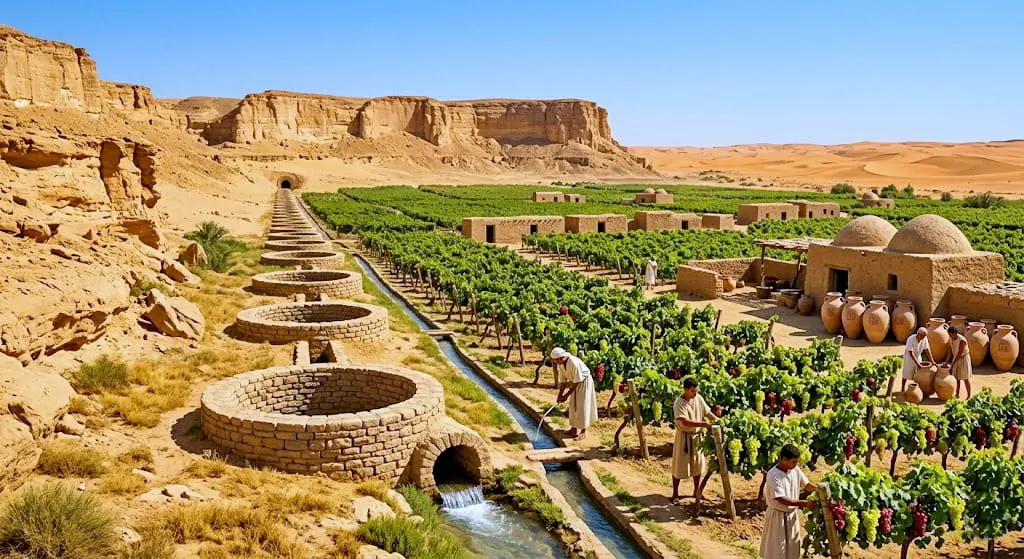
Ancient Qanat Irrigation: Egypt’s Desert Wine Powerhouse

Agriculture dictated the entire rhythm of daily life. The average family survived on a staple, everyday diet of hearty bread and thick, nutritious beer. In fact, beer was so essential that employers frequently used it to pay daily wages to their workers!

Furthermore, farmers cultivated enormous crops of onions, garlic, leeks, and lentils in the rich, muddy soil. During special religious festivals, wealthy nobles enjoyed roasted waterfowl, beef, and sweet dates dripping with honey. Consequently, the fertile Nile Valley ensured that widespread, devastating famine remained incredibly rare.

Writing, Hieroglyphs, and Education

Ancient Egyptian Alphabet

Education was a rare and highly valued privilege. Very few everyday citizens knew how to read or write. Instead, specialized scribes underwent years of rigorous, strict training to master thousands of complex hieroglyphs.

The ancient people called these beautiful, pictorial symbols the “words of the gods.” Scribes recorded grain taxes, documented intense legal battles, and copied sacred magical spells onto papyrus scrolls. Ultimately, their meticulous, dedicated record-keeping allows modern historians to understand this spectacular society today.

The eye of Horus

The Military, Decline, and the Greco-Roman Era

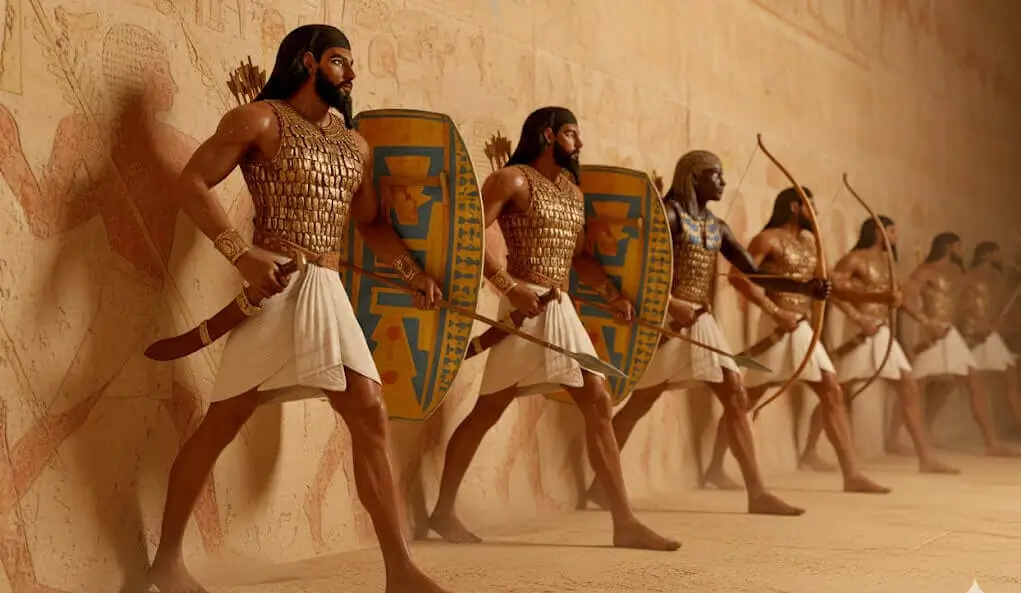
The Ancient Egyptian Army Organization, Weapons, and Warfare

For centuries, the blazing deserts surrounding Ancient Egypt kept foreign enemies safely at bay. However, as global trade expanded and neighboring empires grew stronger, the pharaohs realized they could no longer rely on natural geography alone for protection.

The Evolution of the Military

During the Old and Middle Kingdoms, the military was relatively simple. It primarily consisted of drafted farmers armed with heavy wooden shields, copper axes, and simple bows.

However, everything changed during the Second Intermediate Period when a mysterious, foreign group known as the Hyksos violently invaded the northern delta. Shockingly, the Hyksos introduced devastating new military technology: the deadly composite bow and the terrifying, horse-drawn war chariot.

Eventually, Egyptian generals successfully drove the invaders out, but they learned a vital lesson. By the start of the New Kingdom, the pharaohs had completely adopted these advanced weapons. Consequently, Ancient Egypt transformed into an unstoppable, aggressive military superpower, expanding its borders far into modern-day Syria and Sudan.

Ancient Egypt: The Slow Decline and Foreign Rule

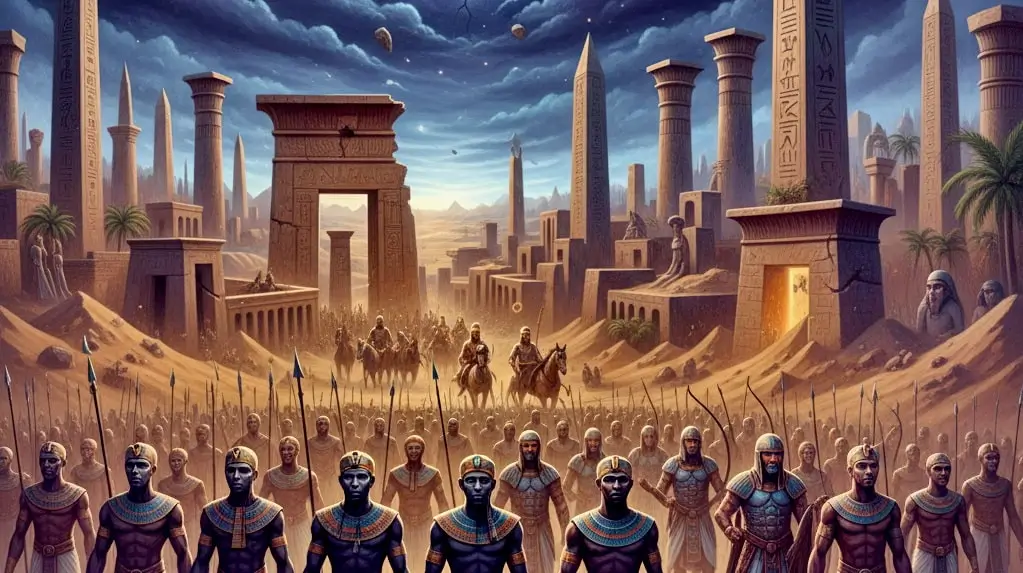
Decline and Foreign Rule-The Third Intermediate & Late Periods (c. 1069–332 BCE)

Despite their massive military might, the empire eventually began to fracture. A series of weak rulers, severe economic troubles, and bitter civil wars slowly drained the kingdom’s immense wealth. Ultimately, this internal weakness left the door wide open for powerful foreign invaders. Over several centuries, Libyans, Nubians, and Persians successfully conquered and briefly ruled the Nile Valley.

In 332 BCE, the legendary Macedonian conqueror Alexander the Great marched into the country. Surprisingly, the people welcomed him as a liberating savior from Persian rule, and they even crowned him as an official pharaoh.

Ancient Egypt: The Ptolemies and Cleopatra

Ptolemaic Dynasty in Egypt - Egypt Fun Tours

After Alexander’s sudden death, his brilliant general, Ptolemy, seized control of the region. This launched the Ptolemaic Dynasty, a Greek ruling family that governed Ancient Egypt for the next 300 years. They built the magnificent coastal city of Alexandria and constructed beautiful, hybrid temples like Philae and Edfu.

However, this final golden age could not last forever. In 30 BCE, the famous Queen Cleopatra VII tragically lost a massive naval war against the rising Roman Empire. Following her dramatic death, the magnificent, 3,000-year-old empire officially ended, becoming just another wealthy province of Rome.

(Link to your cluster articles here:)

  • Discover the devastating weapons and tactics in our guide to [The Egyptian Military].
  • Read the tragic, final chapter of the pharaohs in our history of [Cleopatra and the Ptolemaic Dynasty].

The Enduring Legacy and How to Experience It Today

The Ancient Egyptian Civilization left an indelible mark on human history. Long after the empire finally fell to Rome, its monumental achievements continued to shape the modern world.

A Legacy That Shaped the World

For instance, ancient engineers pioneered advanced geometry to construct their massive, enduring stone pyramids. Furthermore, early doctors carefully documented complex surgical techniques on papyrus scrolls, essentially laying the groundwork for modern medicine. By closely charting the stars, they even developed a highly accurate 365-day calendar. Ultimately, the profound cultural and scientific impact of this society still resonates deeply within our lives today.

Exploring the Wonders In Person

Fortunately, you do not have to be a professional archaeologist to discover Ancient Egypt. Today, traveling to the land of the pharaohs is safer, easier, and more spectacular than ever before. Millions of passionate visitors flock to the Nile Valley every single year to witness these timeless wonders firsthand.

You can easily start your journey in Cairo, standing face-to-face with the brilliant golden mask of King Tutankhamun. Next, you can sail down the tranquil Nile River on a luxury cruise, watching grand temples drift by at sunset. Finally, you can wander through the colorful, completely subterranean tombs hidden securely beneath the Valley of the Kings.

Planning Your Ultimate Adventure

Planning a trip to a foreign country might seem slightly overwhelming at first. However, booking a guided, professional tour completely removes the stress of logistics, tickets, and transportation. Therefore, you can focus entirely on soaking in the breathtaking history.

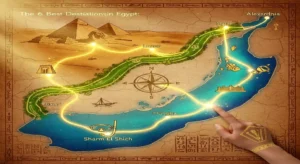
Whether you want a quick Cairo city break or a comprehensive two-week expedition from Alexandria down to Abu Simbel, crafting the perfect itinerary is crucial. With expert, English-speaking Egyptologists leading the way, every carved stone and painted wall instantly comes vividly to life.

Divider

Great one day tour in Cairo

My husband and I had a long layover in Cairo on our way to Kenya in 2010. Since we had never been to Egypt, we decided to sign up for a one-day tour with Egypt Fun Tours Day Trips. Our guide was there when we arrived and quickly guided us

More »

AMAZING TOUR, SOLO TRAVELER.

I am a California woman who traveled to Egypt alone, and thanks to Egypt Fun Tours, I had a great time. Hani, Mohammed, Kamal, and David (my driver) were very professional and very knowledgeable. I appreciate how respectful they were and how protective they were of me. They showed me

More »
13-day Egypt guided tour package - Egypt Fun Tours

Easily the best two days of the year!

We were doing the 14-day Mediterranean cruise and were in Egypt for two days. I was searching the internet for about 4 days and finally found Egypt Fun Tours as my guide in Egypt. It ended up being the best 2 days of the entire cruise trip. Since this is

More »

Alexandria! Wow!

Muhammad is the best! He showed me a world I never thought possible! The tombs in Alexandria, by far, were my favorite! I never knew there was a place on earth that contained both Greek and Egyptian carvings in the same tombs! The history and culture of Egypt is so

More »

Perfect layover Tour

I had a 10 hour layover in Cairo so booked a tour with Hani at Egypt Fun Tours. The tour was brilliant. I saw exactly what I wanted to see during the day which included the pyramids, Sphinx, Egyptian museum and the Bazaar. Hani was very knowledgeable and was the

More »
God_Anubis_Icon

Top-rated Tour Packages

God_Anubis_Icon
WhatsApp
Email
Print