The Ultimate Guide to the Top Tourist Cities in Egypt

Discover Egypt's top tourist cities in one epic journey. Start in Cairo to see the legendary Giza Pyramids and King Tut's treasures. Travel south to Luxor, the world's greatest open-air museum, to explore the Valley of the Kings and Karnak Temple. Continue to Aswan for the beautiful Philae Temple and the massive monuments of Abu Simbel. Finally, relax at the Red Sea resorts of Hurghada or Sharm El Sheikh for world-class diving and beaches.

Egypt is a country of breathtaking contrast, from ancient wonders to vibrant coral reefs. You can walk through a 4,000-year-old temple and snorkel in a turquoise bay on the same day.

Planning your first trip to Egypt’s top tourist cities can be overwhelming. Where do you start? Should you focus on the historic Nile Valley or the relaxing Red Sea Riviera?

Our expertise can help, with over two decades of travel planning experience. We created this definitive guide to the top tourist cities in Egypt and will show you where to go and why each city is a top destination. You will learn its must-see attractions and how it fits into your perfect itinerary.

This guide helps you build the perfect trip. It is ideal for history buffs, scuba divers, and families. We will explore these essential top tourist cities in two main groups.

  • The Historic Nile Valley: The heart of antiquity (Cairo, Luxor, and Aswan)
  • The Red Sea Riviera: Sun-drenched resorts and underwater wonders (Hurghada and Sharm el-Sheikh)
  • The Mediterranean Gem: The historic coastal city of Alexandria

Let’s explore the destinations that make up the top tourist cities in Egypt and create one of the most unforgettable travel experiences in the world.

FUN

1. Cairo: The City of a Thousand Minarets

How many day you need in Cairo for sightseeing and touring the iconic sites

There is no debate: Cairo is the number one, quintessential, and most important of all the top tourist cities in Egypt. It is a sprawling, chaotic, and utterly magnificent metropolis where the ancient and modern worlds collide on every corner.

It is a city of 1,000 minarets, a global capital of Islamic architecture, and the gateway to the last surviving wonder of the ancient world. Cairo isn’t just one city; it’s a living time capsule of Pharaonic, Coptic (Christian), and Islamic civilizations layered one on top of the other.

Tackling this massive city can be daunting, but the key is to see it as a collection of world-class districts.

Key Attractions in Cairo:

The Pharaonic Wonders (Giza, Saqqara & Museums)

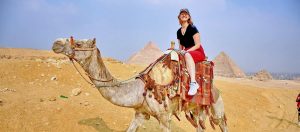
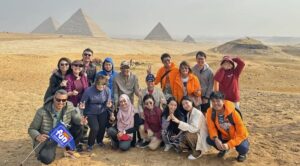
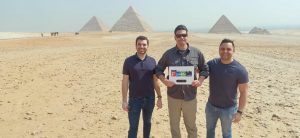
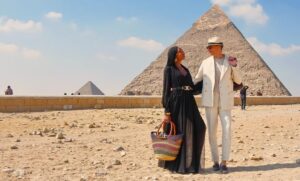
  • Giza Pyramids & The Great Sphinx: The main event. The last surviving wonder of the ancient world. Standing at the foot of the Great Pyramids of Khufu, Khafre, and Menkaure is a core human experience. The enigmatic Sphinx, the oldest known monumental sculpture, guards them.
  • Saqqara & Imhotep Museum: This is the “necropolis” where pyramid-building began. It’s home to the Step Pyramid of Djoser, designed by the architect Imhotep. The site also includes countless other tombs and the small, excellent Imhotep Museum.
  • The Grand Egyptian Museum (GEM): Located at the Giza plateau, this new, state-of-the-art museum is one of the world’s most anticipated cultural openings. It is the new permanent home for the entire collection of King Tutankhamun’s treasures.
  • The National Museum of Egyptian Civilization (NMEC): A must-visit. This new museum’s main draw is the breathtaking Royal Mummies Hall, where you can come face-to-face with the actual, preserved bodies of Egypt’s greatest pharaohs, like Ramesses the Great.
  • Egyptian Antiquities Museum (Tahrir Square): The classic, world-famous museum. While its main treasures have moved to the GEM and NMEC, this historic building is still a legend in its own right, packed with thousands of priceless artifacts.
  • Giza Zoo: A large, historic zoo located in the Giza district. It’s a popular recreational spot for local families.

Historic Islamic Cairo

  • Salah Ad-din Citadel: The “Cairo Castle” that has watched over the city since the 12th century. This massive Islamic fortress contains the stunning Mosque of Muhammad Ali and offers the single best panoramic view of the entire city.
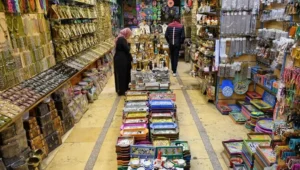
  • Khan El-Khalili Bazaar: The ultimate medieval market. Get lost in a labyrinth of winding alleys filled with the scent of spices, the glimmer of lanterns, and the workshops of artisans.
  • Al-Muizz Li-Din Allah Fatimid Street: An open-air museum of Sites of Islamic Medieval Cairo. This magnificent street runs through the heart of Khan El-Khalili and is lined with some of the grandest mosques, madrasas, and mausoleums in the world.
  • Souq Al-Khayamiya (Tentmakers’ Market): A beautiful covered market and one of the last of its kind. Located near Khan el-Khalili, it’s famous for its brightly colored textiles and intricate, hand-sewn applique work.

Old Cairo (Coptic Cairo)

  • Old Cairo (Coptic Cairo): A small, quiet enclave that contains some of the oldest Christian churches in the world. It is built on the site of a Roman fortress, and its highlights include the famous Hanging Church and the Ben Ezra Synagogue.

The Verdict: Cairo is the heart of the country and the starting point for any Egyptian adventure. Its sheer density of world-changing history, from the Pyramids to the Citadel, makes it, without question, the king of top tourist cities in the world.

FUN

2. Alexandria: The Mediterranean’s Bride

The Verdict Why Alexandria Is Absolutely Worth Visiting

If Cairo is the heart of Egypt, Alexandria is its soul. This is a city that offers a breath of fresh, sea air, a complete change of pace from the desert landscapes and pharaonic tombs of the south. This unique character is precisely why it’s one of the top tourist cities in Egypt.

Founded by Alexander the Great in 332 BC, Alexandria was once the intellectual and cultural capital of the ancient world, home to the Great Library and the legendary Lighthouse (Pharos), one of the Seven Wonders of the Ancient World.

Today, that Greco-Roman legacy is everywhere, layered with a modern, vibrant energy. The city’s lifeblood is its sweeping 32-km seafront Corniche, where families stroll, horse-drawn carriages clatter, and you can enjoy the best seafood in the country. It has a faded European elegance and a Mediterranean vibe that you won’t find anywhere else in Egypt.

While its most famous ancient wonders are lost, Alexandria is not short on incredible sights.

Key Attractions in Alexandria:

Ancient & Greco-Roman Wonders

  • The Catacombs of Kom Esh-Shokafa: The largest Greco-Roman burial site in Egypt. This is a fascinating multi-level maze of tombs that uniquely blends Egyptian, Greek, and Roman art and beliefs.
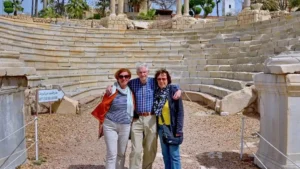
  • Roman Amphitheater at Kom el-Dikka: A beautifully preserved 13-tier marble theater, the only one of its kind in Egypt. It’s a small but impressive site that gives you a clear window into Roman-era public life.
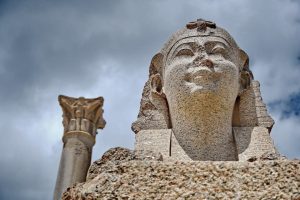
  • Pompey’s Pillar: A massive, 30-meter-high red granite column that stands as the last remaining piece of a grand Roman temple, towering over the city’s old district.

Historic Forts & Mosques

  • The Qaitbay’s Fort: A stunning 15th-century defensive fortress built on the exact foundations of the legendary Lighthouse of Alexandria. It offers spectacular views of the Mediterranean.
  • El-Mursi Abul-Abbas Mosque: An architectural masterpiece and Alexandria’s most famous mosque. With its towering minaret and intricate, cream-colored facade, it’s a breathtaking example of Islamic design.

Museums & Cultural Landmarks

  • Bibliotheca Alexandrina: A breathtaking modern library and cultural center. This architectural marvel is a “new” library built to commemorate the original Great Library and its spirit of learning.
  • Alexandria National Museum: Housed in a beautifully restored Italian-style palace, this museum is the perfect introduction to the city’s story. Its collection takes you from the Pharaonic era, through the Greco-Roman period, to the modern age.
  • The Royal Jewelry Museum: A true hidden gem. Set in a former royal palace, this museum displays an opulent and dazzling collection of jewelry and personal effects from the family of Muhammad Ali, Egypt’s last royal dynasty.

The Verdict: While Cairo and Luxor are about pharaohs, Alexandria is about emperors, philosophers, and the sea. It’s one of the top tourist cities for visitors who want to see a different, more relaxed side of the country and understand the full, rich timeline of Egypt’s long and varied history.

10 Luxury Hotels in Cairo: Pyramids, Nile, and Downtown

Explore the top 10 luxury hotels in Cairo, precisely categorized by location and prestige. Choose...
Related post
FUN

3. Luxor (Ancient Thebes): The World’s Greatest Open-Air Museum

Luxor is the crown jewel of historic Egypt. Its ancient name was Thebes, or the “City of a Hundred Gates.” It is a top tourist city and a destination of staggering scale. People often call it “the world’s greatest open-air museum.” This is because a full third of the world’s ancient monuments are here.

For over 4,000 years, this city was a center of power, worship, and splendor. Today, modern Luxor is a vibrant city. It is built directly on and around the ruins of its glorious past.

The best way to understand Luxor is to see it as two halves. The Nile River divides the city, just as it did for the ancient Egyptians.

The East Bank: The City of the Living

This was the side where people lived, worked, and worshipped. It is home to the grandest temples ever built by man.

  • Karnak Holy Temple Complex: This is not a single temple; it’s a vast, sprawling complex of temples, pylons, and chapels built over 2,000 years. The main temple, dedicated to the Theban trinity of Amun, Mut, and Khonsu, is the largest religious building ever constructed. Its Great Hypostyle Hall, with 134 massive, 70-foot-tall columns, is one of the most breathtaking sights in the world.
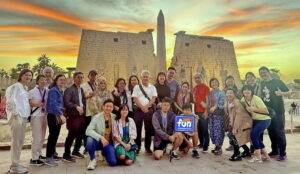
  • Luxor Temple: Located in the heart of the city, this magnificent temple is connected to Karnak by the recently restored “Avenue of Sphinxes.” It was the center of the Opet festival, a grand procession that renewed the pharaoh’s divine kingship. Visiting at night when the columns are illuminated is a magical experience.
  • Luxor Museum: A world-class modern museum. Unlike the sprawling collections in Cairo, this museum features a smaller, brilliantly curated collection of masterpieces, including statues from the “Luxor Cache” found buried at Luxor Temple.
  • Luxor Mummification Museum: This small, fascinating museum sits on the East Bank corniche. It clearly and concisely explains the ancient art of mummification, displaying mummified animals, tools, and human mummies.

The West Bank: The City of the Dead

Across the Nile, the West Bank was the royal necropolis, the land of the setting sun, where pharaohs and queens were buried in spectacular hidden tombs to begin their journey to the afterlife.

  • Valley of the Kings: A slice of the afterlife itself. This barren valley is a honeycomb of 63 hidden tombs for pharaohs like Tutankhamun and Ramses the Great. You can descend into the tombs themselves, which are covered in vibrant, stunningly preserved paintings.
  • Valley of the Queens: The burial place of royal wives and children. Its main attraction is the Tomb of Queen Nefertari, an optional, extra-ticket tomb that is widely considered the “Sistine Chapel of Ancient Egypt” for its breathtakingly beautiful and complete wall paintings.
  • Queen Hatshepsut Temple: A stunning, three-tiered mortuary temple that looks like a modern building carved directly into the limestone cliffs of Deir el-Bahri. It’s an architectural marvel dedicated to one of Egypt’s most powerful female pharaohs.
  • The Ramesseum Temple: The massive, though partially ruined, mortuary temple of Ramses the Great, which once held a colossal statue that inspired the famous poem “Ozymandias.”
  • Deir El-Medina: A true hidden gem. This is the excavated village where the actual artisans and workmen who built the Valley of the Kings tombs lived. You can explore their homes and their own small, beautifully decorated tombs.

Must-Do Activities & Day Trips

  • Luxor Hot Air Balloon: A non-negotiable experience. Taking a hot air balloon at sunrise over the West Bank is one of the most unforgettable travel experiences on earth, giving you a god’s-eye view of the temples and tombs as the sun lights up the valley.
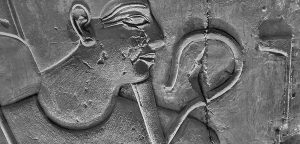
  • Abydos Temple (Day Trip): A few hours north of Luxor by car is the magnificent Temple of Seti I at Abydos. It is famed for its “Abydos King List” and features some of the finest, most delicate, and well-preserved bas-relief carvings in all of Egypt.

The Verdict: Luxor is the historic heart of Egypt. While Cairo has the Pyramids, Luxor has everything else. The sheer volume, scale, and beauty of the monuments here are why it is, and always will be, one of the top tourist cities in the world.

4. Aswan: The Serene Gateway to Nubia

Aswan is where Egypt slows down. It is a tranquil oasis after the chaos of Cairo and the density of Luxor. Aswan is a top tourist city with a unique, relaxing atmosphere. It offers stunning natural beauty. The Nile is at its most beautiful here. It flows past golden sand dunes and dramatic granite islands.

Located in the far south, Aswan was Egypt’s gateway to Nubia for millennia. The air is warm and the climate is famously dry. The vibrant colors of Nubian villages contrast sharply with the blue water. Aswan is the perfect place to relax, but it is also the base for some of Egypt’s most awe-inspiring sights.

Key Attractions & Experiences in Aswan

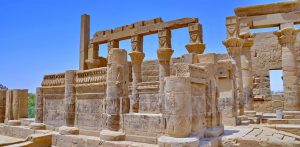
  • Philae Temple Complex: The “Jewel of the Nile.” Dedicated to the goddess Isis, this stunning Ptolemaic-era temple was not built in 696 BC, but rather from around 380 BC into the Roman period. It’s famous for being one of the last strongholds of the ancient religion and for its dramatic rescue. The entire temple was famously moved, piece by piece, to its current island home to save it from the rising waters of the Nile.
  • The Unfinished Obelisk: A fascinating archaeological detective story. Lying in its ancient quarry, this massive single piece of granite—likely ordered by Queen Hatshepsut—cracked before it could be completed. It gives you an incredible, firsthand look at the sheer scale and methods of the ancient stonemasons.
  • The Nubian Museum: One of Egypt’s most impressive and well-designed museums. It’s an essential visit, chronicling the history, art, and culture of the Nubian people, whose homeland was largely submerged by the creation of the High Dam.
  • Elephantine Island & Tombs of the Nobles: Elephantine Island is a large, populated island in the Nile with its own ancient temple ruins. Across the water, carved into the high cliffs of the West Bank, the Tombs of the Nobles are the burial sites of Aswan’s ancient governors, offering a stiff climb but a spectacular view.
  • Felucca Sail at Sunset: The quintessential Aswan experience. There is nothing more peaceful than taking a traditional wooden felucca sailboat out on the Nile at sunset, gliding silently around the islands as the sun dips behind the desert.

Essential Day Trips from Aswan

  • Abu Simbel Temples (The Ultimate Day Trip): This is a non-negotiable part of any Egypt trip. Located a 3-hour drive south of Aswan, the two massive rock-cut temples built by Ramses the Great (c. 1244 BC) are a monument to his power and ego. The larger temple is famous for its “Sun Festival,” where twice a year (Oct 22nd & Feb 22nd), the inner sanctuary is illuminated by the dawn sun.
  • The Aswan High Dam: A modern marvel of engineering that tamed the Nile’s annual flood and changed Egypt forever. The view from the top is impressive.
  • Kalabsha Temple: Located on an island near the High Dam, this massive, free-standing temple from the Roman era was also moved to its current location to save it from the floodwaters.

A Note on Nile Cruise Temples: Edfu & Kom Ombo

Many of Aswan’s most famous “attractions” are not in the city itself but are the main stops on a Nile cruise. If you take a cruise from Aswan to Luxor, these will be your first destinations.

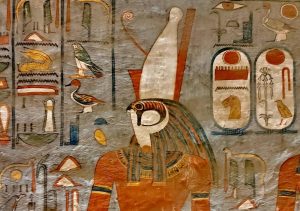
  • Kom Ombo Temple: A unique, dual-sided temple dedicated to two gods: Sobek, the crocodile god (in the southern half), and Horus, the falcon-headed god (in the northern half).
  • Edfu Temple: The best-preserved ancient temple in all of Egypt. Dedicated to Horus, this massive Ptolemaic complex is almost fully intact and allows you to see what these temples looked like in their prime.

The Verdict: Aswan is an essential part of the “big three” top tourist cities for a reason. It’s the perfect, relaxing counterpoint to the intensity of Cairo and Luxor, offering a rich cultural experience and access to some of the most stunning monuments in the world.

10 Best Luxor Restaurants: Where to Eat Like a Pharaoh (Complete Guide)

Luxor offers more than just ancient stones; it offers a feast for the senses. From...
Related post
FUN

5. Hurghada: The Red Sea’s Family Resort

Hurghada is the original and most famous of the top tourist cities in Egypt located on the Red Sea. Once a small fishing village, it has transformed into a sprawling destination perfect for sun-seekers, families, and divers.

What makes Hurghada so popular is its accessibility. It’s the “default” beach add-on for most travelers coming from Luxor (a 4-5 hour drive), making it the easiest place to combine ancient history with a beach holiday. The coastline is dotted with resorts for all budgets, from sprawling, all-inclusive family resorts with aqua parks to quieter, luxury retreats.

Key Attractions & Experiences in Hurghada:

  • World-Class Snorkeling & Diving: The Red Sea’s underwater world is the main event. The reefs are rich with colorful coral and rare fish.
  • Giftun Island (e.g., Orange Bay/Paradise): The most popular boat trip from Hurghada. You’ll spend the day on these pristine islands, snorkeling in turquoise water and relaxing on brilliant white-sand beaches.
  • Desert Safari: An essential Red Sea experience. Head into the Eastern Desert on a quad bike or 4×4 safari, visit a Bedouin village, and enjoy a traditional BBQ under the stars.
  • El Gouna & Sahl Hasheesh: These are not “attractions” but upscale, self-contained resort towns just north and south of Hurghada, respectively. They offer a more high-end, quieter, and master-planned alternative to the main city.

The Verdict: Hurghada is the perfect, all-around choice for families and travelers looking for a classic, fun, and easy-to-plan Red Sea holiday to complement their historical tour.

6. The Sinai’s Diving Mecca: Sharm El Sheikh

Sharm El Sheikh is a global destination, while Hurghada is a resort city. “Sharm” is located on the southern-most tip of the Sinai Peninsula. It is one of Egypt’s top tourist cities. Many consider it one of the best scuba diving locations on the planet.

Sharm has a more cosmopolitan, upscale, and energetic vibe than Hurghada. Its distinct “downtown” area is Na’ama Bay. This area has a long boardwalk packed with restaurants, shisha cafes, and nightclubs.

The true magic of Sharm is its unique geography. It’s where the rugged, biblical mountains of the Sinai meet the world’s most vibrant coral reefs.

Key Attractions & Experiences in Sharm El Sheikh:

World-Class Scuba Diving: This is why serious divers come here.

  • Ras Mohammed National Park: A protected marine park at the tip of Sinai, offering world-famous dive sites with stunning underwater cliffs and abundant marine life.
  • Tiran Island: A popular boat trip to see pristine reefs (and a famous shipwreck).

St. Catherine’s Monastery: A UNESCO World Heritage site located at the foot of Mount Sinai. This 6th-century monastery is one of the oldest continuously operating Christian monasteries in the world.

Mount Sinai (Jebel Musa): The epic “sunrise climb.” Most tours leave Sharm in the middle of the night to climb the mountain in the dark, reaching the summit (where Moses is said to have received the Ten Commandments) just in time for a breathtaking sunrise over the rugged mountains.

Desert Safaris: The Sinai desert is more mountainous and dramatic than the desert around Hurghada, offering incredible 4×4 and camel safaris.

The Verdict: Sharm El Sheikh is the top choice for divers, couples, and travelers who want to combine a luxury beach holiday with the profound, unique, and historical adventures of the Sinai Peninsula.

7. Siwa Oasis: A Journey to the Great Sand Sea

Siwa Oasis is not just one of the top tourist cities in Egypt; it’s a different world entirely. This is not a quick add-on to your trip—it is the destination.

Located in the vast Western Desert, just 50 km from the Libyan border, Siwa is one of Egypt’s most remote and magical settlements. It has been isolated for much of its history, and as a result, it has a unique culture all its own. The locals, known as Siwans, are of Berber origin and speak their own language, Siwi, (a dialect of Berber) rather than Arabic.

A trip to Siwa is an adventure, a journey to a land of a thousand palm trees and olive groves, surrounded by the endless, shifting dunes of the Great Sand Sea.

Key Attractions & Experiences in Siwa:

  • The Oracle of Amun (Temple of Aghurmi): This is the ruined temple that made Siwa famous. It was here that Alexander the Great allegedly traveled in 331 BC to consult the oracle and confirm his status as a divine son of Zeus-Amun.
  • The Shali Fortress: The incredible ruins of the old, 13th-century mud-brick town, which dominate the center of Siwa.
  • Cleopatra’s Bath: A large, bubbling natural spring and a popular local swimming spot.
  • The Great Sand Sea: The main attraction. Take an exhilarating 4×4 “dune-bashing” safari into the ocean of sand, swim in cold-water lakes in the middle of the desert, and watch the sunset from a high dune.

The Verdict: Siwa is for the adventurous traveler, not the first-time tourist on a tight schedule. It’s a long journey (an 8-10 hour bus or car ride from Cairo or Alexandria), but the reward is a truly unique, authentic, and unforgettable cultural experience.

Wadi El Hitan Safari: The Ultimate Guide to Egypt’s Whale Valley

Embark on a thrilling 4x4 safari to Wadi El Hitan, Egypt's UNESCO-listed "Whale Valley," a...
Related post
FUN

Beyond the Main Cities: The Red Sea Riviera

While Hurghada and Sharm El Sheikh are the “capitals” of the Red Sea, several other resort towns have become top tourist cities in Egypt in their own right, each offering a unique vibe.

8. Dahab

Once a quiet Bedouin fishing village, Dahab is now one of the top tourist cities in Egypt for travelers seeking a more relaxed, bohemian, and adventurous alternative to Sharm el-Sheikh. Located 80 km (50 miles) north of Sharm on the Sinai Peninsula, Dahab has a laid-back, backpacker-turned-chic vibe.

The city’s main draw is its world-class aquatic sports, set against a stunning backdrop of rugged mountains.

  • The Blue Hole: This is the main attraction, a world-famous (and notoriously dangerous) 130-meter-deep sinkhole just off the coast, attracting technical divers and freedivers from around the globe.
  • Windsurfing & Kitesurfing: Dahab is a global hotspot for wind sports due to its reliable winds.
  • Desert Adventures: Like Sharm, Dahab is a perfect base for safari trips into the Sinai, including camel rides, jeep tours, and visits to Bedouin villages.

9. El Gouna

Located just 20 km (12 miles) north of Hurghada, El Gouna is not a traditional city but a luxurious, self-contained resort town. It is one of the top tourist cities in Egypt for those who want a pristine, upscale, and master-planned holiday.

Built around a series of artificial lagoons and canals, El Gouna has its own unique, elegant atmosphere. It’s exceptionally well-equipped with high-end hotels, gourmet restaurants, and activity centers. It’s a popular hub for:

  • Kitesurfing: One of the premier kitesurfing destinations in the world.
  • Water Sports: Snorkeling, windsurfing, and diving are all popular.
  • Gateway to History: While a resort town, its proximity to Hurghada means it’s still a viable base for launching safari trips into the desert or even longer excursions to Cairo, Luxor, and Aswan.

10. Safaga

Safaga is a crucial port city 53 km (33 miles) south of Hurghada. It serves two primary functions, making it one of the top tourist cities in Egypt for specific types of travelers.

  • International Cruise Port: For thousands of travelers, Safaga is their “gateway to the Nile.” It is the main Red Sea port used by cruise ships for day-trip excursions to the monuments of Luxor.
  • Therapeutic & Windsurfing Hub: The port is internationally renowned for its unique climate, black sand beaches, and mineral-rich springs, making it a major therapeutic tourism destination. It is also a world-class windsurfing and kitesurfing spot.

Beyond the Nile: The Great Western Desert Oases

For the truly adventurous traveler, the top tourist cities in Egypt are not cities at all, but the remote, ancient oases of the Western Desert. These are vast, fertile islands in the Great Sand Sea, each with its own unique history and natural wonders.

11. El-Faiyum Oasis

The most accessible of all the oases, El-Faiyum is a huge, fertile depression about 100 km (62 miles) southwest of Cairo, making it a popular weekend escape. This is not a true oasis fed by a spring, but a basin fed by a branch of the Nile.

El-Faiyum is known as “Egypt’s garden” for its lush farms, but its main draw is its prehistoric and natural wonders.

  • Wadi El Hitan (Whale Valley): This is the crown jewel. A UNESCO World Heritage site, this valley is an open-air museum containing hundreds of massive, perfectly preserved fossils of Archaeoceti—an extinct, ancient suborder of whales. These 40-million-year-old skeletons provide an incredible look at whale evolution from land mammals.
  • Wadi El-Rayan: A vast protected area that features Egypt’s only waterfalls, two large lakes, and incredible desert scenery.
  • Lake Qarun: A large, ancient lake that offers bird-watching and beautiful, serene views.

12. Kharga Oasis

As the largest and most developed of the Western Desert oases, Kharga is the “capital” of the New Valley Governorate. It served as a key stop on the “Forty Days Road,” an ancient caravan trade route. Its history is not just Pharaonic; it’s a treasure trove of Persian, Ptolemaic, and Roman history.

  • Temple of Hibis: A rare and well-preserved temple from the Persian period.
  • Bagawat Necropolis: One of the oldest and best-preserved Christian cemeteries in the world, with hundreds of mud-brick tombs.
  • Kharga Oasis Museum: A beautiful museum displaying artifacts found in the area.

13. Dakhla Oasis

Many travelers consider Dakhla to be the most beautiful of the oases, located about 350 km (220 miles) from the Nile Valley. It is a vast area comprised of 16 distinct towns and villages, surrounded by lush fields and palm groves.

  • Al-Qasr: A stunning, labyrinthine medieval Islamic village built over Roman foundations. Its maze of narrow, covered streets and ancient mud-brick homes makes it an incredible place to explore.
  • Deir el-Hagar: A well-preserved Roman-era temple dedicated to the Theban trinity.
  • Safari & Exploration: Dakhla is a fantastic base for safari tours into the deep desert.

The “Hidden Gem” Historical Site

14. Dendera

While not one of the top tourist cities to stay in, Dendera is one of the most magnificent and essential sites in all of Egypt. It is a small town on the west bank of the Nile, about 60 km (37 miles) north of Luxor, making it a perfect and popular day trip.

Its single, stunning attraction is the Dendera Temple Complex.

  • The Temple of Hathor: This is the main event. It is one of the best-preserved temple complexes in Egypt. The temple, dedicated to the cow-goddess Hathor, is almost fully intact. Its main hall is famous for its massive columns and, most importantly, its astrological ceiling, which has been recently cleaned to reveal its brilliant, original colors. It also features the famous “Dendera Zodiac” (a replica; the original is in the Louvre).

Exploring all the historical artifacts & enjoying the unique world of the red sea...
Witness the best attractions of Cairo & Luxor for 5 Days...

Great shore excursion of Cairo & Giza

We are glad that we arranged our private shore excursion with Egypt Fun tours in last week of October 2012. Booking process was very easy with Hamada and she took care of all our questions promptly just via E-mail. Our group was little worried about safety in Egypt especially because

More »

11 Wonderful Hours in Cairo

I had an 11 hour layover in Cairo, and it couldn’t have been better spent than with Manal from Egypt Fun Tours. I was able to adjust my tour once we left the airport and Manal had some really great suggestions when I told her what it was I wanted

More »

Tour of Cairo

Despite a late start due to car trouble, Mohamed more than made up for it with his incredible knowledge and dedication. His explanations were detailed and thoughtful, and he went above and beyond to make sure we had a great experience. A memorable and informative tour, thanks to Mohamed’s hard

More »

AMAZING TOUR, SOLO TRAVELER.

I am a California woman who traveled to Egypt alone, and thanks to Egypt Fun Tours, I had a great time. Hani, Mohammed, Kamal, and David (my driver) were very professional and very knowledgeable. I appreciate how respectful they were and how protective they were of me. They showed me

More »

Alexandria! Wow!

Muhammad is the best! He showed me a world I never thought possible! The tombs in Alexandria, by far, were my favorite! I never knew there was a place on earth that contained both Greek and Egyptian carvings in the same tombs! The history and culture of Egypt is so

More »
Isis with wings

Top-rated Tour Packages

Isis with wings